Healthy Eating Games & Activities for Kids

 Discover a Free Education Video App for Kids
Pastory uses AI to personalize educational video content based on your child’s interests and personality. Safe, engaging, and built for curious young minds. Sign up now to stay updated and enjoy early access with a free trial
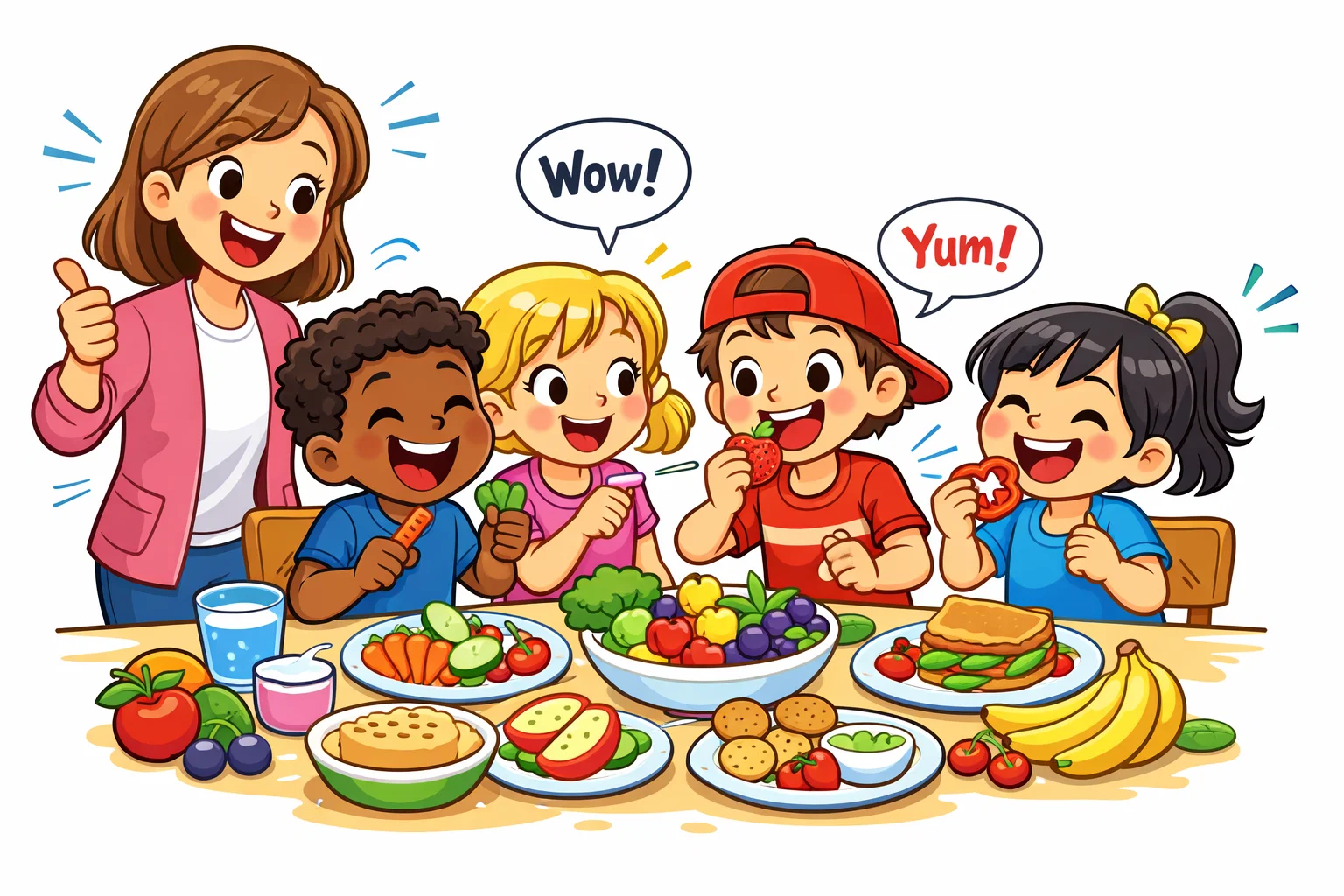
Teaching young children about healthy eating and balanced nutrition can sometimes feel like an uphill battle, especially when competing with colorful, highly processed snacks. Traditional lectures or rigid rules about food choices often lead to resistance or mealtime anxiety. However, introducing concepts such as food groups, nutritious variety, and mindful eating through play can turn nutrition education into a positive, engaging experience.
This collection provides practical activities for classrooms, childcare settings, and home use, helping children learn about food through movement, creativity, tasting, and discussion. These fun, interactive games require minimal preparation, use simple materials, and can be easily adapted for different age groups, including the Early Years Foundation Stage (EYFS) and primary school classrooms. By turning food exploration into a game, educators and parents can help children build lifelong healthy habits without putting unnecessary pressure on them.
Key Takeaways
- Play-Based Learning: Interactive games reduce pressure around food and allow children to build confidence with different food groups at their own pace.
- Sensory Exploration: Activities focus on touching, smelling, seeing, and tasting, which may help reduce picky eating behaviors and mealtime anxiety.
- Curated Digital Tools: Using structured educational resources, such as Twinkl materials or controlled interactive whiteboard activities, can provide high-quality, distraction-free nutrition education.
- Safety First: Allergen checks, clear hand-hygiene routines, and inclusive alternative props help every child participate safely.
Best Healthy Eating Games
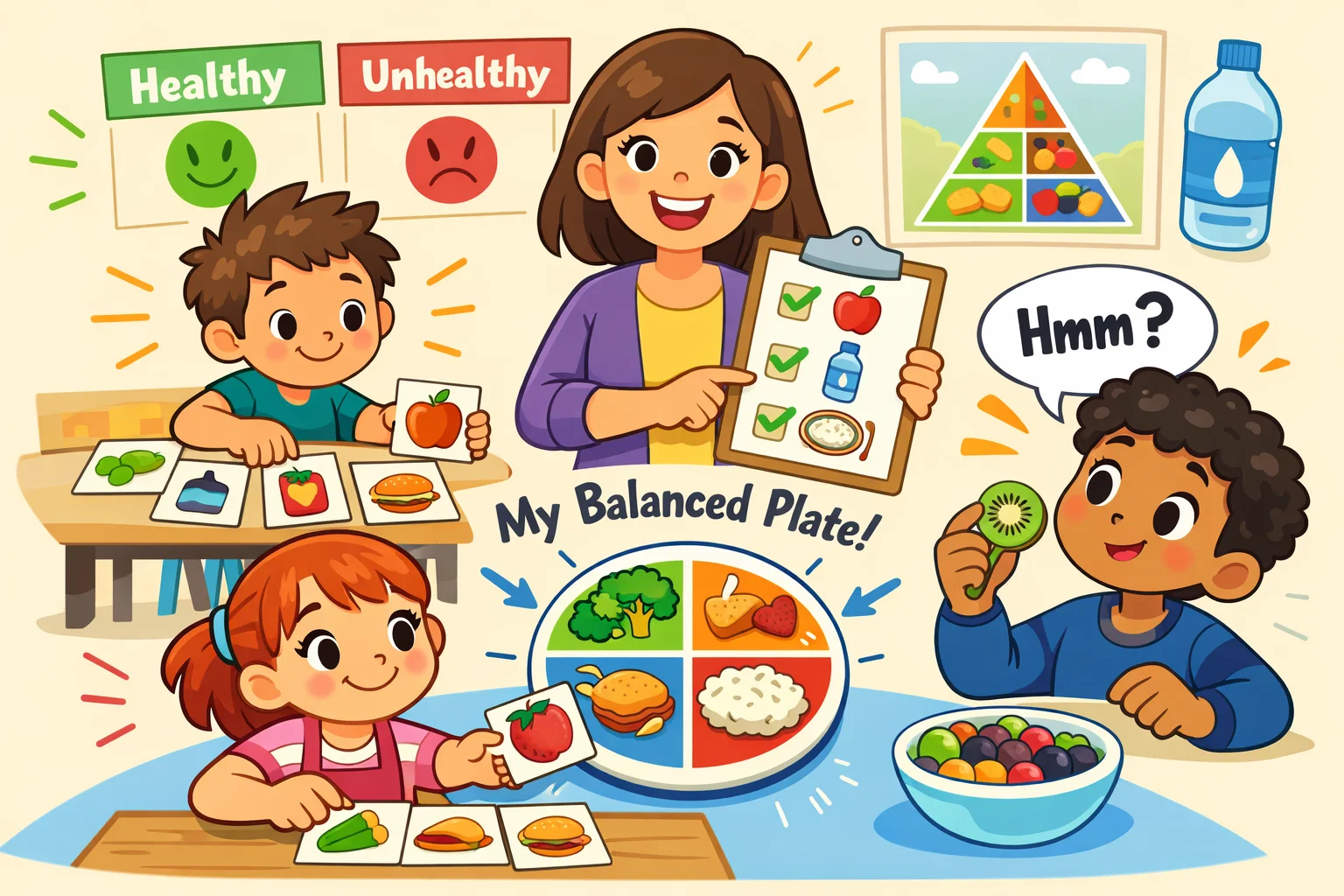
A well-rounded nutrition lesson can combine movement, sorting activities, and sensory exploration. Some of the most useful healthy eating activities and games in this guide include:
- Healthy Food Bingo: A visual and listening-based recognition game that uses customized food cards.
- Food Group Relay: An energetic, movement-based race that teaches children to quickly categorize common food items.
- Fruit and Veggie Guessing Bag: A non-visual sensory activity that uses touch, weight, and smell.
- Build a Balanced Plate: A creative design activity that uses a physical healthy eating plate or the Eatwell Guide framework.
- Theme Tasting Days: Low-pressure group tasting of fresh, nutritious foods.
- Food Charades: A drama-based game focused on kitchen actions, food growth, and meal routines.
- Herb or Vegetable Garden Planting: A long-term, hands-on gardening project that connects growing food with eating it.
Core Benefits
Healthy eating games allow children to explore different fruits and vegetables, food groups, and hydration habits in a non-judgmental setting. Many early childhood approaches suggest that when children interact with pictures of foods or real produce during play, they become more familiar with those foods, which may make them more willing to try them later. These activities move the conversation away from restrictive “good vs. bad” labels and focus instead on how different foods support energy, growth, and well-being.
Easy Materials
Most of the activities use basic classroom or household supplies, such as:
- Printable food cards and visual bingo mats.
- Real produce, clean empty grocery packaging, or plastic toy food items.
- Paper plates, child-safe scissors, glue sticks, and crayon sets.
- Sorting baskets, cones, and simple rhythm instruments.
- Curated digital media, such as a PowerPoint presentation or an interactive whiteboard activity.
Safety Notes
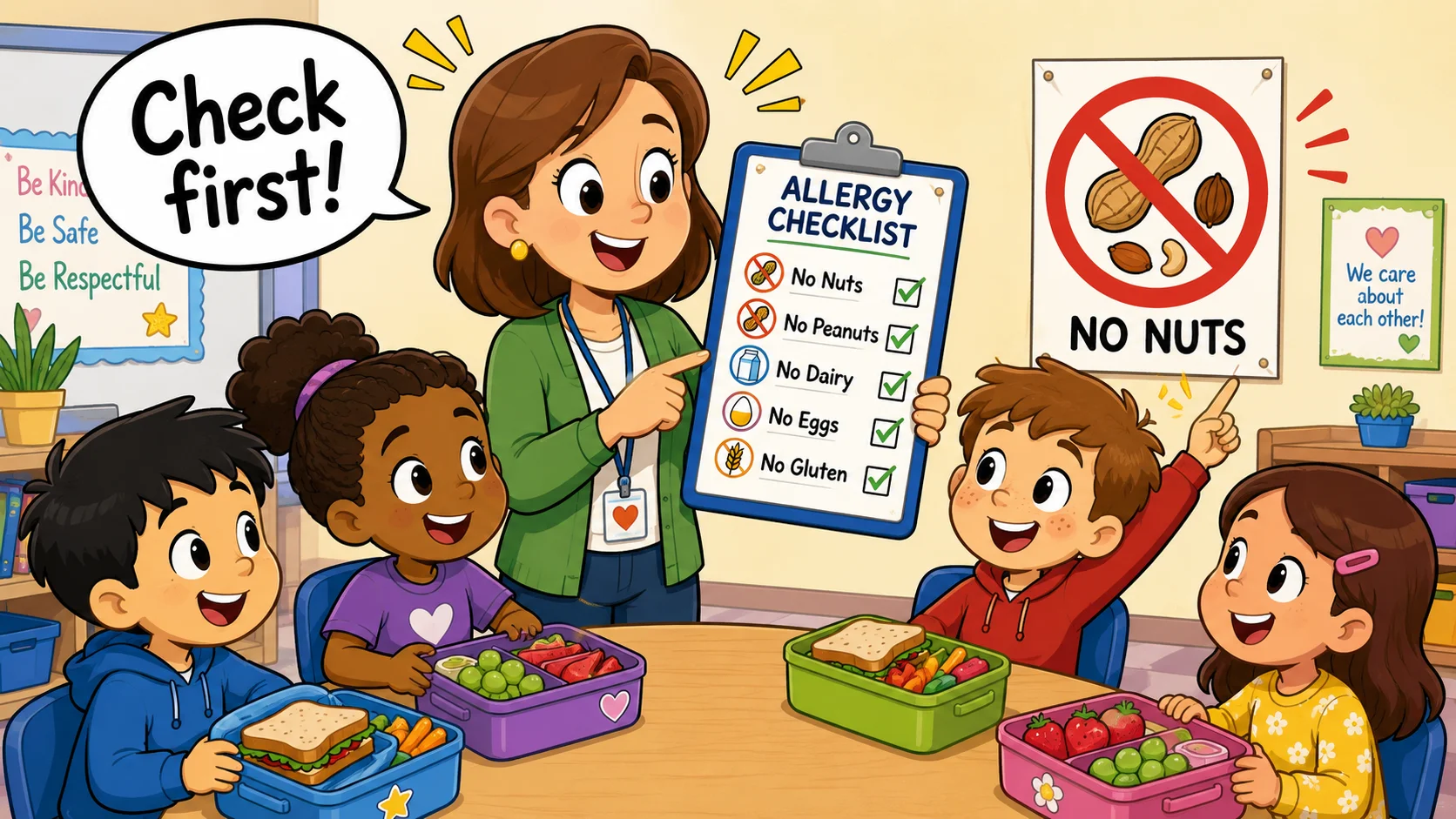
Before introducing any real food item into a classroom, holiday club, or childcare setting, educators should carefully review all relevant medical and dietary information. It is vital to check identified food allergies, food intolerances, religious dietary requirements, and specific family food preferences or restrictions before any food handling or tasting takes place. Furthermore, choking hazards should be reduced by properly cutting small, round foods, such as grapes or cherry tomatoes, before serving them to younger children.
Benefits of Healthy Eating Games
Food Confidence
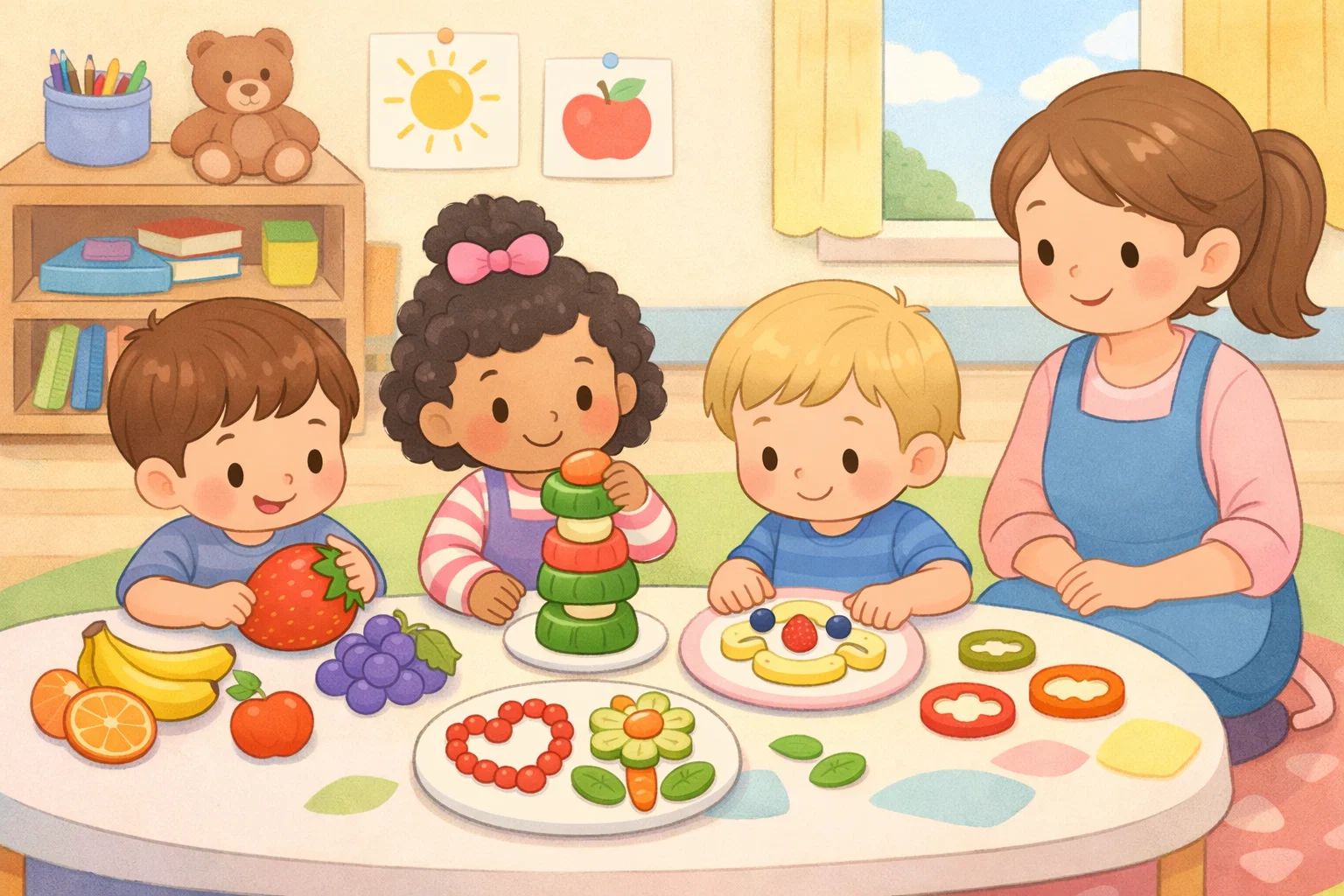
Early childhood education frameworks often emphasize repeated, pressure-free exposure to new foods as an effective way to expand a child’s palate. Healthy eating activities and games provide a structured environment where children can interact with unfamiliar food items without the immediate expectation of eating them. By taking turns touching, smelling, and sorting various fruits and vegetables, children can gradually become more comfortable with new textures and aromas, which may build confidence at mealtimes.
Nutrition Education
Interactive play helps turn abstract nutrition concepts into concrete, understandable ideas for children. Using visual tools, such as a healthy eating plate model or the Eatwell Guide chart, helps children understand how to build a balanced meal.
| Dietary Component | Primary Role in the Body | Recommended Plate Proportion |
| Fruit and Vegetable Group | Provides vitamins, minerals, and dietary fiber to support overall health. | Approximately 50% of the plate |
| Grains / Carbohydrates | Provides energy for physical activity and concentration. | Approximately 25% of the plate |
| Protein Foods | Supports growth, muscle development, and tissue repair. | Approximately 25% of the plate |
| Dairy or Alternatives | Provides calcium and vitamin D to support bone health. | A small accompanying serving |
Movement and Well-Being
Integrating nutrition concepts with physical exercise supports overall childhood wellness by addressing both physical and mental development. Movement-focused games help children connect the fuel they eat with how their bodies move, building an early appreciation for self-care. Research on children’s health suggests that regular physical activity, combined with a balanced diet, may support stress management, mood, and stable energy levels in children.
Teaching Tools and Materials
Printable Cards
High-quality printables are a useful, low-prep resource for classroom sorting and memory games. Platforms like Twinkl provide structured food cards, flashcards, and matching mats designed for early childhood education. These cards should show bright, realistic images with clear text labels to support both literacy and food group recognition.
Real Food Props
Incorporating real tactile elements can make nutrition lessons more engaging and meaningful than abstract descriptions alone. Using whole fruits, raw vegetables, aromatic herbs, and empty commercial food packaging allows children to observe authentic physical features such as weight, surface texture, and natural scent. When using real food items, educators should keep tasting samples separate from sorting props to maintain good hygiene throughout the lesson.
Digital Learning Options
When integrated thoughtfully, interactive digital media can reinforce real-world health concepts without creating passive screen habits. Interactive whiteboard activities, drag-and-drop sorting games, and digital PowerPoint quizzes allow the whole class to collaborate on food categorization tasks. This curated, educational digital approach helps technology serve as an active, distraction-free tool that complements tactile, real-world learning materials.
Food Allergy and Food Intolerance Safety
Allergy Checks
School administrators and childcare coordinators should establish a clear process for gathering and updating student dietary records before running any food-based activities. Written consent forms should be obtained from parents or guardians, detailing diagnosed allergies, food intolerances, and religious, cultural, or ethical dietary requirements. Instructors should keep an up-to-date allergy and dietary needs list accessible to staff during food exploration activities, while protecting children’s privacy.
Safe Food Handling
Maintaining good hygiene helps prevent cross-contamination and models important life skills for young learners. Every participant should wash their hands thoroughly with soap and warm water for at least 20 seconds before and after touching any food item.
- Sanitize all desk surfaces and tables using food-safe antibacterial wipes.
- Prepare food items using separate, clearly designated cutting boards and utensils when allergens are involved.
- Distribute pre-portioned food samples onto individual, labeled paper plates.
- Ensure an adult supervises all food handling to prevent children from sharing cups, forks, or partially eaten items.
Inclusive Alternatives
If a classroom includes children with severe allergies or contact-related exposure risks, group food tasting may need to be removed from the activity plan to reduce risk. Instructors can substitute real produce with high-quality plastic toy foods, realistic printouts, or detailed food cutouts. This change helps children with allergies stay included in the group activity while reducing risk.
Healthy Eating Games and Activities
1. Fruit and Vegetable Person
Aim
This creative craft activity encourages children to explore the names, colors, and shapes of fresh produce by designing a playful food-themed portrait.
What You’ll Need
- Large, sturdy paper plates to use as the base for the portrait.
- A diverse selection of pre-cut pictures of foods, specifically focusing on different fruits and vegetables.
- Child-safe scissors, non-toxic glue sticks, and bright washable markers.
- A small display of real produce, such as a whole bell pepper or a bumpy avocado, for real-time visual reference.
What To Do
Instruct each child to select a paper plate and draw a large head and torso outline using their markers. Next, children browse the available selection of fruit and vegetable cutouts to build the facial features and clothing of their character. For example, they might use a banana cutout for a smiling mouth, broccoli florets for hair, and round tomato slices for eyes. Once the glue has dried, have each child present their creation to the group, naming each food item they selected and describing its color or texture.
Tips
For younger EYFS classrooms, provide pre-cut images so children can focus on placement and vocabulary instead of scissor skills. For older primary students, challenge them to write a brief backstory for their character on dedicated writing frames and worksheets, explaining what vitamins their “healthy hero” provides. For sensory-sensitive learners who dislike handling glue or paper, the portrait activity can also be completed with a digital drag-and-drop tool on an interactive whiteboard.
2. Fruit and Veggie Poster or Placemat
Aim
This activity reinforces color-based categorization, encourages mealtime conversations, and creates a durable placemat children can use during snack time.
What You’ll Need
- Sturdy A3 construction paper or pre-lined placemat templates.
- Old grocery store magazines, circulars, and printed nutrition stickers.
- Non-toxic crayon sets, colored pencils, and safety scissors.
- A laminator and clear laminating pouches to make the placemats durable.
What To Do
Provide each student with a blank placemat template that is pre-divided into clear sections, such as a rainbow layout or a simple breakfast, lunch, and dinner grid. Children search through grocery magazines, cut out healthy food choices they like, and organize them on the template. Encourage the inclusion of a wide variety of food colors to visually represent nutrient diversity. Once the artwork is complete, pass each sheet through the laminator to create a wipeable, reusable dining mat.
Display Ideas
Before sending the completed placemats home, display them on a classroom nutrition board to create a colorful group gallery. Educators can also take digital photographs of the placemats to include in the weekly school newsletter, accompanied by simple recipes for the healthy meals depicted.
3. Pantry Sorting Game
Aim
This sorting game develops basic sorting and comparison skills by teaching children to identify how different foods fit into the five food groups.
What You’ll Need
- A collection of clean, thoroughly washed empty food packaging, such as boxes, plastic jars, and cans with no sharp edges.
- Five distinct plastic baskets or storage crates, each clearly labeled with a specific food group sign.
- A clear, oversized wall poster of a healthy eating plate for visual self-checking.
What To Do
Scatter the assorted empty food packages across a central carpet area to create a mixed-up “pantry.” Children take turns selecting a container, identifying what type of food it originally held, and placing it into the correct corresponding basket. For example, an empty oats box belongs in the grains basket, while a clean yogurt tub goes into the dairy and alternatives basket.
Discussion Prompts
Once the sorting activity is complete, gather the group around the baskets to review the placements together. Use open-ended prompts to encourage deeper thinking:
- “If we are building a balanced morning meal, which items should we pull from these baskets?”
- “Why does our body need items from the protein basket after we spend recess running around outside?”
- “How can we check the labels on these packages to see whether a drink is water or contains added sugar?”
4. Food and Nutrition Song
Aim
This auditory and kinesthetic activity uses rhythm, rhyme, and repetition to strengthen memory, expand food vocabulary, and associate healthy habits with joy.
What You’ll Need
- A simple, familiar nursery rhyme melody, such as “Twinkle, Twinkle, Little Star” or “The Wheels on the Bus.”
- Large, highly visible food group flashcards to use as real-time visual prompts.
- Simple hand instruments, such as shakers or rhythm sticks, to encourage physical coordination.
What To Do
Introduce a catchy, repetitive chorus that emphasizes the importance of eating healthily and drinking fresh water. Sing a verse about a specific food item, hold up the matching flashcard, and invite the children to chime in on the final rhyming word. Once the children understand the rhythm, encourage them to take turns suggesting their own favorite nutritious items to create new verses for the song.
Movement Ideas
Incorporate structured physical actions to accompany the lyrics, turning the song into an active, full-body experience. Children can clap when a fruit is named, march in place during the grain verses to show energy, or squat low and slowly stretch upward like a vegetable seed growing from the soil.
5. Food-Focused Guest Sessions
Aim
A food-focused guest session brings community experts into the classroom and connects nutrition lessons with real-world farming, cooking, and health-related work.
Guest Ideas
To maximize engagement and provide a rich diversity of perspectives, coordinate with local community professionals to schedule interactive presentations:
- A Local Fruit and Vegetable Grower: To demonstrate how seeds transform into edible crops using soil and watering tools.
- A Professional Chef: To lead a kid-friendly, no-cook demonstration of simple veggie wraps.
- A Pediatric Registered Dietitian: To discuss how a varied, balanced diet can support children’s energy and concentration.
What To Do
Before the guest arrives, guide students through a brainstorming session to develop curious questions about food production or preparation. During the session, set up safe, hands-on stations where small groups can examine soil, smell fresh herbs, or watch an age-appropriate food-preparation demonstration from a safe distance. Follow up the visit by asking the children to complete a reflection drawing that illustrates one new fact they learned.
Safety and Permissions
Any external guest presentation involving live demonstrations or sample distribution requires administrative oversight. Educators should follow school safeguarding procedures, confirm any required background checks, and collect parental consent for any ingredient exposure well in advance.
6. Fruit and Veggie Guessing Bag
Aim
This sensory-driven game encourages children to rely on non-visual tactile cues, helping them process the physical features of fresh produce without feeling pressured.
What You’ll Need
- An opaque, heavy cloth drawstring bag that completely hides its contents from view.
- An assortment of whole, undamaged fruits and vegetables with contrasting physical features, such as a smooth lemon, a rough kiwi, or a crisp carrot.
- A convenient hand-sanitizing station located next to the game area.
What To Do
A selected child steps forward, sanitizes their hands, and reaches inside the opaque cloth bag without looking. Using only their fingers, the child feels one item and describes it to the group with words such as bumpy, smooth, heavy, light, long, or round. The group listens to the clues, calls out guesses, and celebrates when the child pulls the food out of the bag to reveal the answer.
Sensory-Friendly Tips
For highly sensitive children who show tactile anxiety or a strong aversion to unknown textures, allow them to participate by peeking inside the bag first and acting as the clue-giver for the group. Alternatively, swap fresh produce for plastic toy foods, or remove the bag element by placing visible items on a tray for low-pressure smell-based exploration.
7. Healthy Food Snap
Aim
This fast-paced card game builds visual recognition, supports memory, and helps children quickly group foods into the correct food categories.
What You’ll Need
- A custom deck consisting of at least 52 duplicate picture cards showing clear, single food items.
- Color-coded borders on the cards that correspond to specific food groups for easier visual sorting.
How To Play
Divide the children into small, supervised groups of two to four players and shuffle the custom card deck evenly among them. Players keep their personal cards in a face-down pile and take turns flipping a single card face-up onto a central stack. When two consecutive cards show matching items—or items from the same food group—the first player to tap the pile and call “Snap!” wins the pile.
Learning Variations
To make the game more challenging for older primary students, remove the matching images and use word-and-image pairs, where a text card must be matched with the correct picture. Instructors can also introduce a “Meal Matching” variation, where “Snap!” is only valid if the two combined cards represent a balanced pairing, such as a carbohydrate card placed immediately over a lean protein card.
8. Theme Tasting Day
Aim
Tasting days can create a supportive peer environment and may help children feel more comfortable trying new foods.
Theme Ideas
Structuring the tasting around a specific theme can help children feel less overwhelmed and turn the activity into an adventure:
- The Rainbow Challenge: Sampling foods in different natural colors, such as red radishes, orange peppers, yellow squash, and purple carrots.
- The Texture Explorer: Comparing textures by sampling crunchy celery, smooth avocado, and crisp apples.
- The International Journey: Introducing mild ingredients commonly used in different cuisines around the world.
What You’ll Need
- Bite-sized, pre-portioned samples of the themed produce served on individual napkins or small recyclable paper plates.
- A clear, oversized classroom chart with star stickers.
- Cups of fresh water for rinsing mouths between tastings.
What To Do
Gather the students in a circle and establish a supportive environment by explaining that everyone will explore the food together using all five senses. Before anyone tastes the sample, instruct the group to examine its color, listen to its sound when snapped in half, and smell its aroma. Once they feel comfortable, children can sample the item together, use descriptive words to talk about its taste, and place a star sticker on the group chart to record their feedback.
9. Herb or Vegetable Garden Planting
Aim
This long-term, nature-based project teaches children where food comes from and builds natural curiosity that may encourage them to try the eventual harvest.
What You’ll Need
- Small biodegradable starter pots, nutrient-dense organic potting soil, and child-sized trowels.
- Easy-to-grow seeds or starter seedlings.
- Labeled watering cans, protective gardening gloves, and a reliably sunny windowsill or outdoor garden plot.
What To Do
Guide each child through filling their starter pot with soil, pressing a small seed to the recommended depth, and gently applying a light layer of water. Place the pots in a designated sunny location and establish a daily roster where children take turns checking moisture levels and watering the soil. Have students observe the plants as they grow, draw each stage in their science journals, and carefully harvest the produce for a supervised classroom cooking project.
Garden Tips
To ensure high success rates and maintain engagement across shorter school terms, select robust, rapidly developing plant varieties:
- Basil and Mint: Highly aromatic herbs that give children an immediate opportunity to explore scent.
- Radishes: Sprout visible green tops within days and can be ready for harvest in under a month.
- Sugar Snap Peas: Ideal for teaching vertical climbing concepts and providing a naturally sweet, satisfying crunch.
- Cherry Tomatoes: Perfect for container gardening and clearly demonstrating the visual transition from flower to fruit.
10. Food from Different Cultures
Aim
This culturally responsive activity broadens children’s understanding of food, celebrates family backgrounds, and encourages respect for different food traditions.
What You’ll Need
- A collection of real recipe books, family cooking cards, and colorful maps of the world.
- Illustrated storybooks detailing traditional global family dinner routines.
- Safely prepared, allergen-aware tasting samples or high-resolution photo galleries of global market stalls.
Different Examples
Teachers can include a variety of cross-cultural activities throughout the week to make global food traditions more tangible:
- The Global Lunchbox Gallery: A sharing session where children voluntarily talk about the unique spices, flatbreads, or rice styles packed in their daily meals.
- The World Food Mapping Project: An interactive wall display where students pin specific food cards, such as cassava, lentils, or olives, to their geographical origins.
- Traditional Breakfast Comparisons: A visual chart showing how morning meals vary around the world, from savory miso soup to hearty corn porridge.
Respectful Teaching Notes
When presenting global food traditions, educators should avoid isolating words such as “exotic,” “weird,” or “strange.” Instead, use objective, appreciative language that frames culinary variations as thoughtful adaptations to local climates, native crops, and historical family practices.
11. Books and Posters
Aim
Using visual materials around the classroom provides gentle reinforcement and language support for nutrition concepts.
Book Ideas
Weaving nutrition into standard storytime routines builds positive associations with healthy foods through narrative. Consider adding these titles to your reading shelf:
- “Oliver’s Vegetables” by Vivian French: A story about a child exploring a grandfather’s garden, perfect for encouraging kids to try crops beyond french fries.
- “Eating the Alphabet” by Lois Ehlert: A vibrant, upper-and-lowercase literacy book featuring a wide array of global fruits and vegetables.
- “I Will Never Not Ever Eat a Tomato” by Lauren Child: A humorous look at picky eating that demonstrates how imaginative play can transform a child’s relationship with disliked textures.
Poster Ideas
Turn empty wall space into learning areas by placing bright, clear posters at children’s eye level. Display a colorful “Eat a Rainbow” chart in the cafeteria, hang a hydration reminder near the water fountains, and pin a clear five-food-groups diagram beside the pretend-play kitchen area.
Follow-Up Tasks
Ensure that reading sessions transition into active learning by incorporating immediate, hands-on extension exercises. After finishing a book, encourage children to engage in a role-play kitchen scenario based on the plot, draw their own version of a healthy farm on a blank sheet, or collaborate to invent a simple classroom recipe.
12. Healthy Food Bingo
Objective
This listening and visual matching game helps children identify different foods and practice listening skills.
What You’ll Need
- A set of unique, pre-printed bingo grid mats displaying clear illustrations of healthy food choices.
- A pool of caller cards and small plastic counters or tokens to mark squares.
- Simple, non-food rewards, such as colorful achievement stickers or custom reward stamps, for the winners.
How To Play
Distribute a unique bingo grid mat and a handful of marking tokens to each child in the group. The adult caller pulls a hidden food card from a central bag, holds it up for the room to see, and clearly announces its name aloud. Children scan their personal grids, locate the matching image, and cover it with a token. The first child to complete a horizontal row, vertical column, or diagonal line calls out “Bingo!” and wins the round.
Printable Variation
To target specific learning units or seasonal health initiatives, print specialized variations of the classic game layout. Use a “Breakfast Bingo” deck to reinforce morning fuel choices, a “Lunchbox Bingo” grid to highlight balanced midday packing, or a “Rainbow Bingo” layout where squares are arranged by natural color categories.
13. Food Group Relay
Objective
This active, movement-based game integrates physical education with nutrition science, teaching children to make quick food classification decisions while working as a team.
What You’ll Need
- Two matching sets of laminated food cards placed at a starting line.
- Plastic cones positioned around the play space to mark running lanes and turnaround points.
- Five distinct baskets labeled with the different food groups situated at the turnaround point.
How To Play
Divide the class into two parallel racing lines behind a marked starting boundary. When the whistle blows, the first child in each line grabs a random food card from their pile, runs down their designated lane, and decides which food group basket the item belongs to. Once they place the card in the correct basket, they turn around, run back to tag the next teammate, and move to the back of the line.
Active Learning Tips
To ensure the game remains fully inclusive, adapt the movement styles to accommodate all physical abilities. Instructors can change the round from a fast sprint to a balanced walking-only race, set up a smooth, wheelchair-accessible lane with lower baskets, or remove the timer to focus entirely on teamwork and correct sorting.
14. Mindful Eating Challenge
Objective
This quiet, grounding exercise teaches children to slow down, notice their senses, and build mindful eating habits.
What You’ll Need
- A single, clean, bite-sized sampling item per child, such as a crisp slice of fresh apple or a sweet strawberry.
- Individual clean napkins and small cups of room-temperature drinking water.
- A simple, visual sensory description chart displayed on the main wall.
How To Play
Ask the children to sit comfortably in a quiet space and place a single food sample on the napkin in front of them. Guide them through an intentional sequence, prompting them to look closely at its shape, feel its texture, and listen to the sound it makes when gently pressed or bitten. Finally, invite them to place the sample on their tongue and, if they feel comfortable, close their eyes and notice the taste for a few seconds before chewing.
No-Pressure Rules
To maintain a safe and comfortable environment, clearly state that swallowing or chewing the sample is optional. Children are fully permitted to simply hold, smell, or visually observe the item on their napkin without facing any group pressure to eat it. Keep all descriptive language neutral and focused on objective sensory properties rather than generic “yucky” or “yummy” labels.
15. Food Charades
Objective
This drama-based guessing game builds communication skills, encourages creative movement, and reinforces vocabulary related to cooking and food production.
What You’ll Need
- A sturdy bowl or cloth bag containing an array of secret food action cards.
- A simple visual timer to keep the rounds moving.
- An open, clear floor space at the front of the room to serve as the main performance area.
How To Play
A student steps forward, draws a secret card from the action bowl, and has up to 60 seconds to silently act out the concept written on the card using only body movements and facial expressions. The other children sit in a circle, watch the gestures, and call out guesses. The child who guesses correctly steps up to act out the next card in the deck.
Topic Variations
Keep the charades rounds fresh and educational by organizing the card decks around distinct thematic concepts:
- Kitchen Actions: Acting out specific cooking tasks, such as whisking eggs, rolling out dough, or grating cheese.
- The Growing Journey: Acting out agricultural steps, such as digging a hole, watering a delicate sprout, or picking apples from a high branch.
- Mealtime Routines: Re-enacting healthy daily habits, such as washing hands, pouring a glass of water, or clearing plates from the table.
16. Nutrient Scavenger Hunt
Objective
This puzzle-based game challenges children to solve riddles and find hidden nutrition clues while practicing problem-solving skills.
What You’ll Need
- A set of illustrated clue cards containing simple text descriptions or rhyming hints.
- Laminated food images hidden safely around the indoor classroom or outdoor playground space.
- A printed scavenger checklist clipboard for each participating team.
How To Play
Divide the class into small search teams and hand each group a checklist clipboard. Instructors read a nutrition riddle aloud, such as, “I am an orange vegetable that grows underground and helps keep your eyes healthy. What am I?” Teams work together to solve the riddle, search the safe play area for the hidden carrot card, check it off their list, and return to the base for the next clue.
Age Adaptations
For younger preschool groups, structure the entire hunt around basic color and shape attributes, such as asking them to hunt for “three round, red foods.” For older primary school students, increase the challenge by using nutrient-based clues, such as asking teams to locate “two foods rich in calcium” or “three foods that provide whole-grain energy.”
17. Feel-Good Yoga
Objective
This movement activity connects body awareness with well-being and helps children understand how stretching, hydration, and calm breathing support overall health.
What You’ll Need
- Individual foam exercise mats or designated clean carpet squares.
- A playlist of calming, low-volume environmental music.
- A set of large, illustrated yoga pose cards customized with playful food themes.
How To Play
Guide the children to their mats and begin with slow, calm breathing to help everyone focus. Lead the group through a sequence of gentle, food-inspired yoga poses, holding each stretch for three complete breaths. Instructors can demonstrate the “Tree Pose” to symbolize a growing apple orchard, a curled-up “Seed Pose” on the knees, or a tall reaching stretch toward the sky called the “Carrot Reach.”
Well-Being Link
Wrap up the movement session with a quiet reflection circle on the mats. Use this calm moment to explain how stretching, regular hydration, balanced nutrition, and adequate nighttime sleep work together to support daily mood and energy.
18. Superfood Toss
Objective
This target-style game builds hand-eye coordination and motor skills while reinforcing food categorization through movement.
What You’ll Need
- A collection of lightweight beanbags labeled with individual food item names or illustrations.
- Three to five large plastic buckets or target hoops spread across the floor at varying distances.
- High-contrast labels attached to each target bucket indicating specific food color groups or dietary categories.
How To Play
Line the children up behind a marked throwing boundary cone, handing each participant a designated food beanbag. Children take turns stepping up, naming the food on their beanbag, and tossing it into the matching target bucket. For example, a child holding a broccoli beanbag aims for the green target bucket, while a child with a blueberry beanbag targets the blue hoop.
Scoring Ideas
To keep team games engaging without creating stressful environments, structure the scoring around collaborative milestones rather than individual competition. Award points for hitting the bucket, bonus points for naming a simple nutrition fact about the food, and group points for good sportsmanship and cheering on teammates.
19. Gratitude Circle
Objective
This social-emotional reflection activity helps children develop a broader appreciation for the food system and the people involved in bringing food to their tables.
What You’ll Need
- A lightweight, natural token, such as a smooth stone or a wooden toy apple, to use as the official talking object.
- A comfortable circle on the floor where everyone can see one another.
- A set of simple, illustrative reflection prompt cards.
How To Play
Gather the group into a quiet circle and introduce the talking object, explaining that only the individual holding the item may share their thoughts while the rest of the room listens respectfully. Pass the object clockwise around the circle, inviting each child to share one specific food item they feel thankful for or one specific person involved in the food process.
Reflection Prompts
If children run out of ideas, use prompt cards to help them think beyond their own kitchens:
- “Think about the hardworking farmers who planted seeds in the soil months ago to grow this food.”
- “Let’s share a note of appreciation for the school cafeteria staff and family members who prepare our meals every day.”
- “How does having access to clean, cool drinking water help our bodies stay energized throughout the week?”
20. Feelings Freeze Dance
Objective
This energetic musical game helps children connect movement with emotions and explore how healthy habits can support mood and energy.
What You’ll Need
- A portable music player with easy-to-use pause controls.
- An open, unobstructed floor space that permits safe jumping, spinning, and dancing.
- A set of large, illustrated feeling cards depicting diverse emotional states.
How To Play
Ask the children to spread out across the room and dance freely while the music plays. The moment the instructor pauses the audio track, every participant freezes in place like a statue. The instructor then holds up a specific feeling card, such as tired, cranky, or energized, and the children use their body posture and facial expressions to show that emotional state until the music resumes.
Discussion Ideas
During short breaks between dance rounds, gather the group for brief chats about how daily habits can affect mood and energy. Ask the children to reflect on how skipping a balanced breakfast might leave them feeling cranky by midday, or how pausing to drink a cool glass of water during outdoor recess can refresh a tired brain.
21. Build a Balanced Plate
Objective
This hands-on design activity provides children with a tangible framework for understanding meal proportions, helping them learn how to assemble balanced meals independently.
What You’ll Need
- Heavy-duty white paper plates divided into pre-lined sections using dark markers.
- A collection of realistic grocery magazines, printable food illustrations, and safety scissors.
- Non-toxic glue sticks and bright washable marker sets for custom illustrations.
How To Play
Provide each child with a pre-sectioned paper plate template based on Eatwell Guide or a healthy eating plate model. Task the students with searching through the magazine cutouts to select a variety of foods to build a complete, balanced meal of their choosing. Children glue their selected images into the correct sections, aiming for half the plate to feature colorful fruits and vegetables, one quarter to include whole grains, and one quarter to include a lean protein source.
Featured Recipes
Guide the children’s design process by providing clear, real-world recipe examples that they can easily replicate on their paper plates:
- The Veggie Wrap: A whole-wheat tortilla filled with crunchy shredded carrots, crisp cucumber slices, and hummus.
- The Rainbow Salad Bowl: A base of fresh green spinach topped with red cherry tomatoes, sweet yellow corn kernels, and black beans.
- The Morning Yogurt Parfait: Smooth calcium-rich yogurt layered with rolled oats, fresh blueberries, and sliced strawberries.
22. Healthy Eating Plate Sorting Activity
Objective
This interactive sorting activity uses digital or physical group participation to help children evaluate meal combinations and correct categorization errors together.
What You’ll Need
- An interactive classroom whiteboard or a large, laminated wall-mounted sorting mat.
- A collection of drag-and-drop digital food icons or physical laminated food cutouts with hook-and-loop fasteners.
- A library of individual printable follow-up worksheets for independent practice.
How To Play
Display an oversized, empty healthy eating plate template on the main classroom board. Children take turns coming up to the front of the room to select a food item cutout and physically or digitally drag it into its correct food group section on the plate. If an item is placed incorrectly—such as putting a slice of cheese into the vegetable section—the group collaborates politely to discuss the choice, explain the item’s properties, and move it to its proper place.
Digital Learning Tips
When using a whiteboard, divide the class into small working teams to promote collaboration and active communication. Have one team focus on selecting the grain components for a meal, while another team chooses the fruit and vegetable options. Solidify this interactive lesson by handing out a printable worksheet at the end of the session, allowing each child to color and label their own personal balanced plate to take home.
23. Nutrition-Based Physical Activity Games
Overview
Nutrition-focused physical activity games combine health education with playground movement, keeping students engaged and active. These active formats replace static worksheets with running, jumping, and catching, helping children remember nutrition concepts while developing gross motor skills. By turning nutrition concepts into physical challenges, educators can keep the entire classroom energized and focused.
Take Action
Instructors can adapt traditional physical education games into effective nutrition lessons by adjusting the rules to include food concepts:
- Nutrient Tag: A tag game where designated “taggers” represent energy drains, and children can only be unfrozen when a teammate runs up and names a fresh fruit or vegetable.
- The Balanced Scurry: A playground game where students gather scattered beanbags from around the field, ensuring their team base collects a balanced mix of food groups.
- Hydration Hurdles: An obstacle course where children move through stations that remind them to drink water and stay hydrated.
Tips
To maintain a safe and positive playground learning environment, instructors should enforce a no-elimination rule across all physical games. If a child makes a sorting mistake or gets tagged, they can simply perform a quick, fun movement loop, such as three jumping jacks, before jumping straight back into the action. Furthermore, ensure the outdoor play space is clear of hazards, and clearly outline the boundaries before beginning any fast-moving relay race.
24. Playing with Food
Objective
This supervised sensory activity uses food as an art material, allowing selective eaters to explore textures and aromas without pressure to eat.
Activity Ideas
By transforming fresh ingredients into art materials, children build positive, stress-free associations with foods they might otherwise avoid:
- Vegetable Stamping: Using the unique cross-section patterns of sliced celery stalks, bell peppers, or starfruit dipped in non-toxic paint to print colorful murals on large butcher paper.
- Aromatic Herb Scent Stations: Encouraging children to gently crush fresh mint, basil, or rosemary leaves between their fingers to explore natural scents.
- Seed and Grain Texturing: Creating detailed mosaic artwork on cardstock using a variety of raw sunflower seeds, dried lentils, and whole-grain oats.
Hygiene Rules
Because this activity uses raw produce as an art material rather than a snack, clear safety guidelines should be followed. All craft tables must be clearly separated from standard eating areas, and children must wash their hands thoroughly before and after handling the art materials. Clearly explain to the group that any produce mixed with art supplies or paint is no longer safe to eat, so children do not confuse art materials with snack foods.
25. Creative Expression and Movement
Objective
This multi-sensory approach blends visual art, role-play, and music, giving children different ways to explore nutrition concepts.
Activity Ideas
Integrating creative arts with health education allows children to explore nutrition concepts from multiple imaginative angles:
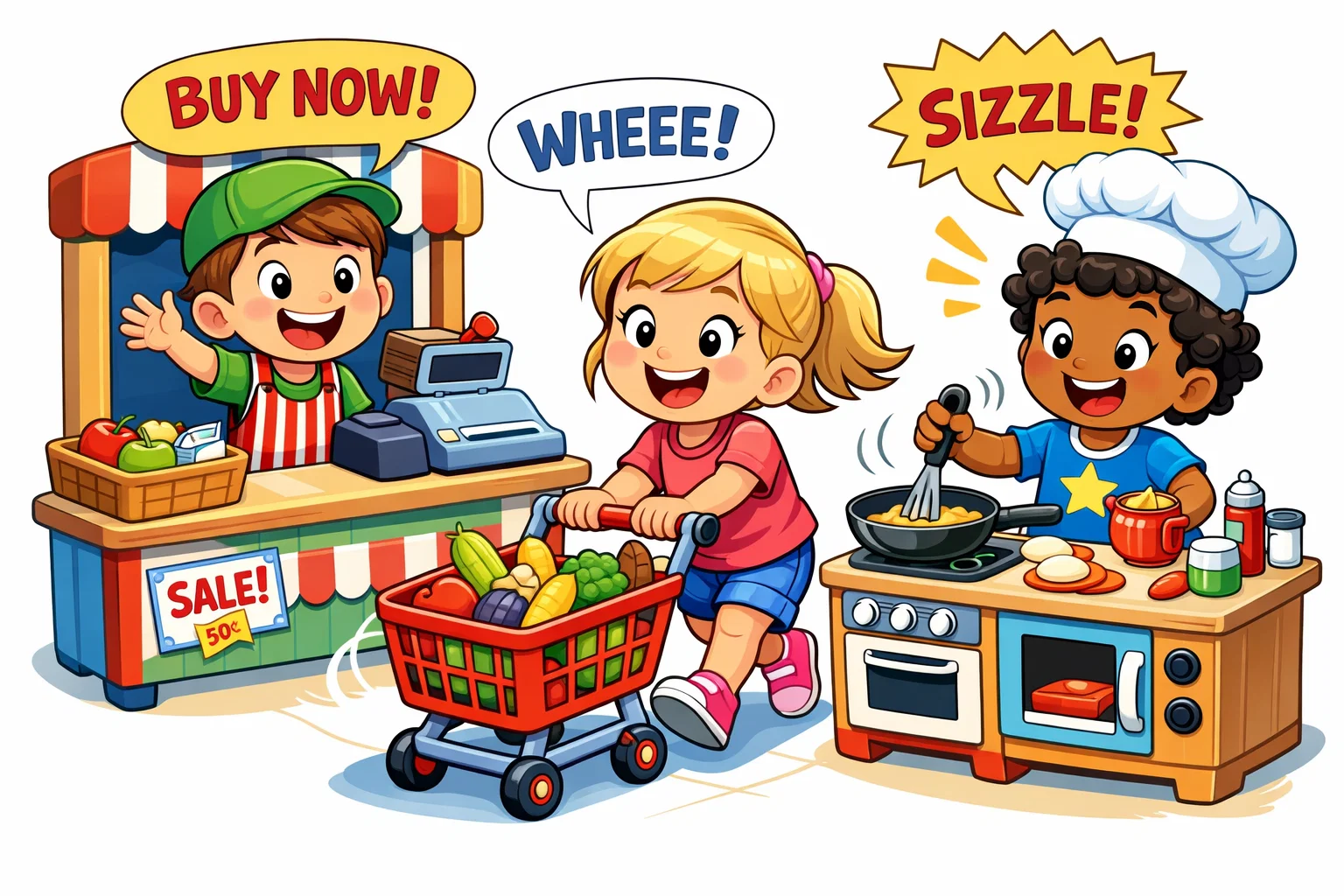
- The Farm-to-Table Drama Stage: Setting up a pretend-play corner equipped with chef hats, aprons, and toy cash registers where children role-play shopping at a farmers market or cooking in a healthy restaurant.
- Healthy Eating Murals: Collaborating as a classroom to paint an oversized paper wall mural that illustrates a vibrant community fruit garden.
- Fruit Rhythm Chants: Using simple percussion instruments to clap out the syllable beats of various healthy food words during morning circle time.
Group Sharing
Conclude each creative module by hosting a structured group sharing session where students present their artistic creations to their peers. This exercise encourages children to practice clear communication skills, explain their design choices, and build speaking confidence in a warm, welcoming environment.
26. Healthy Heroes Magazine
Objective
This take-home resource extends learning beyond the classroom and provides puzzles and challenges that encourage family conversations about healthy eating.
What To Include
A homemade or printed healthy lifestyle magazine should feature an array of entertaining, child-friendly activity pages:
- Word Searches: Simple grids hidden with target vocabulary terms such as nutritious, fruit, vegetable, and water.
- Mini-Recipe Challenges: No-cook, family-friendly kitchen ideas, such as assembling a colorful fresh fruit salad.
- Coloring Pages: Detailed illustrations of cheerful food characters and backyard vegetable gardens waiting to be filled in with crayon colors.
- The Family Water Tracker: A simple chart that families can place on the refrigerator to encourage regular water breaks.
How To Use
Distribute the completed activity magazines at the end of a health unit, or use them as a quiet-time resource for children who finish their classroom tasks early. Instructors can also send these packs home over school breaks, encouraging families to complete the challenges together and share their experiences during the next morning meeting.
27. Easy Nutrition Education Activities
Five-Minute Activities
When classroom schedules are tight, short, high-value activities can keep health concepts top-of-mind without disrupting the day’s routine:
- Food Riddles: The instructor describes a mystery food’s color and texture during transition times, and the class guesses the item before lining up for recess.
- The Lunchbox Show-and-Tell: A short, voluntary morning circle activity where children can share a fruit or vegetable from their lunchbox without comparing lunches.
- The Quick Color Vote: Students raise their hands to vote for their favorite natural color group of the day, reinforcing color diversity concepts in under sixty seconds.
No-Prep Activities
These spontaneous, language-driven exercises require no physical materials or advanced setup from the instructor:
- The Alphabet Food Race: Moving around the classroom circle, each student must call out a healthy food item that begins with the next consecutive letter of the alphabet.
- Board Drawing Sorts: The teacher draws simple food shapes on the whiteboard, such as an apple or a loaf of bread, and the class helps match each one to the correct food group.
Extension Ideas
Seamlessly weave these bite-sized activities into your existing daily routines to provide constant, gentle reinforcement over time. Use a quick food riddle as a morning meeting icebreaker, turn a food group chant into a fun physical warm-up right before gym class, or lead a quiet, mindful breathing exercise during the final five minutes of afternoon snack time.
FAQ
Which Healthy Eating Game Works Best for Preschoolers?
For younger children in the EYFS age range, the most effective games often focus on tactile exploration, simple visual recognition, and repetition through music. The Fruit and Veggie Guessing Bag is especially well-suited for this age group because it turns sensory exploration into an exciting mystery game. Simple rhythmic activities, such as the Food and Nutrition Song, and basic sorting activities with clear food cards can also build vocabulary without overwhelming children.
Which Healthy Eating Game Works Best for Primary School?
Older primary school students thrive in environments that incorporate physical movement, strategic problem-solving, and peer collaboration. The Food Group Relay and the Nutrient Scavenger Hunt work well for this age group because they combine physical activity with quick classification decisions. Activities like Build a Balanced Plate and dedicated Theme Tasting Days are also effective here, as they encourage older children to analyze meal proportions and describe flavors using expanded vocabulary.
How Can Healthy Eating Activities Avoid Food Pressure?
To reduce mealtime anxiety, games should separate food exploration from the expectation that children must eat the food. Avoid using coercive reward systems or generalized labels like “clean your plate” or “good vs. bad foods.” Instead, maintain a warm, non-judgmental atmosphere that celebrates sensory observations, such as shape, color, and texture, and explicitly remind children that they are always free to simply touch, smell, or look at an item without tasting it.
How Can Teachers Adapt Games for Allergies?
Teachers can support safety and inclusion by replacing higher-risk foods with alternative props. Use realistic plastic toy foods, vibrant printouts, or detailed food cutouts during fast-paced movement games like the Food Group Relay. If you are hosting a tasting day, use ingredients from parent-approved lists, check all allergen information carefully, and maintain clearly separated, labeled serving stations throughout the lesson.
Take a short quiz to find out what your everyday choices say about your parenting style
When your child is curious about something new, what’s your instinct?
Take a short quiz to find out what your everyday choices say about your parenting style
“Can I download this app?” What happens next?
Take a short quiz to find out what your everyday choices say about your parenting style
When it comes to rules at home, which sounds most like you?
Take a short quiz to find out what your everyday choices say about your parenting style
If you could give your child one life skill today, what would you pick?
Take a short quiz to find out what your everyday choices say about your parenting style
Your child gets to choose what to watch. What would your ideal setup look like?
Take a short quiz to find out what your everyday choices say about your parenting style
Pick your parenting superpower ✨