Cambridge Early Years Curriculum: Building a Strong Foundation for Lifelong Learning

 Discover a Free Education Video App for Kids
Pastory uses AI to personalize educational video content based on your child’s interests and personality. Safe, engaging, and built for curious young minds. Sign up now to stay updated and enjoy early access with a free trial
The journey of education begins long before formal schooling, making the quality of early childhood experiences critically important. As a parent or educator, you understand that the foundational years programme a child follows sets the stage for their future academic and personal success. Introducing the Cambridge Early Years curriculum, a globally recognized and holistic framework designed to nurture the whole child during these crucial developmental years. This curriculum is not just a set of lessons; it is a meticulously crafted approach that integrates academic skills with social, emotional, and physical development.
Adopted in schools worldwide, the Cambridge Early Years curriculum follows a holistic approach that emphasizes active learning and play-based exploration. It is the crucial first stage of the Cambridge Pathway, seamlessly preparing young learners for the transition into Cambridge Primary and beyond. By focusing on developmentally appropriate practices, this curriculum follows a holistic philosophy, ensuring that every child is supported in developing the essential understanding and skills they need to thrive in the complex world around them.
What is the Cambridge Early Years Curriculum?
The Cambridge Early Years curriculum is an internationally acclaimed educational program developed by Cambridge International, an organization with over 160 years of expertise in global education. It is specifically designed to support the early childhood development of children aged 3 to 6, providing a solid foundation for their entire educational journey. Its significance lies in its capacity to offer a holistic and balanced curriculum that is both rigorous and flexible, fostering a child’s natural curiosity and love of learning from the start.
This early years framework is distinct in its approach, as it moves beyond rote learning to focus on how young children learn best—through investigation, interaction, and joyful discovery. It’s an approach that respects the child’s pace and individuality, promoting strong cognitive, language and literacy, and social and emotional development skills.
Overview of the Curriculum
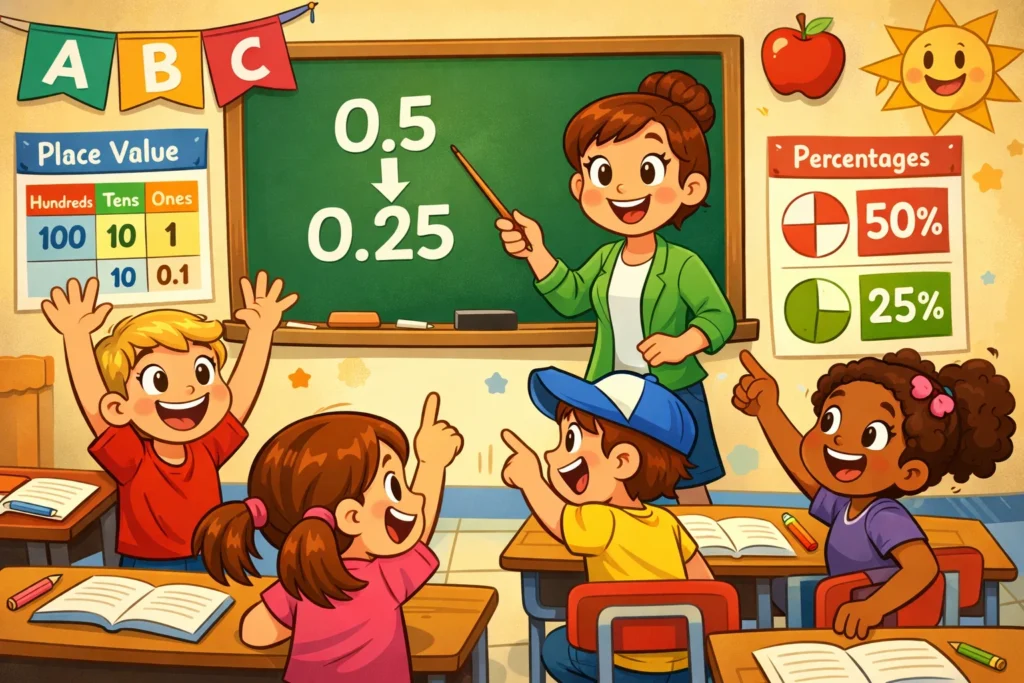
The Cambridge Early Years curriculum is structured around six key areas of learning, ensuring a truly holistic and child-centred educational experience. It supports early learning by providing clear learning outcomes that are flexible enough to be achieved through diverse activities and pedagogical approaches.
- Personal, Social, and Emotional Development: Fostering self-awareness, self-esteem, and social skills.
- Communication and Language Development: Building strong vocabulary, phonics skills, and effective communication.
- Physical Development: Developing fine and gross motor skills through movement and free play.
- Mathematics: Introducing early numeracy concepts and mathematical language.
- Understanding the World: Encouraging children to explore the world around them, covering early science and social studies concepts.
- Creative Expression: Promoting imagination through art, music, dance and drama.
Age Group Focus
The curriculum is primarily targeted at children in the early childhood stage, typically from ages 3 to 6. This age range covers the crucial years typically known as pre-school, nursery, and kindergarten. The content is carefully tailored to the developmental milestones typical of these ages.
| Age Group | Focus Area (Examples) | Developmental Needs Addressed |
| Ages 3-4 | Sensory Exploration, Role Play, Basic Vocabulary | Independence, Social Skills, Communication and Literacy |
| Ages 4-5 | Early Phonics, Simple Numeracy, Cooperative Play | Cognitive Foundation, Emotional Regulation, Physical Development |
| Ages 5-6 | Pre-Reading/Writing, Mathematical Reasoning, Digital Literacy Introduction | School Readiness, Critical Thinking, Self-esteem and Well-being |
Global Adoption and Recognition
The Cambridge Early Years curriculum is embraced by a network of schools in over 10,000 learning centers across 160+ countries. This widespread international education acceptance is a testament to its quality and robustness. Schools choose Cambridge because its qualifications are recognized globally, providing a smooth transition for children whose families move internationally. Furthermore, it is structured to integrate seamlessly with the pedagogical approaches of other renowned systems, such as Montessori, while providing a clear pathway to Cambridge Primary and the subsequent stages of the Cambridge Pathway.
Main Components of the Cambridge Early Years Curriculum
The Cambridge Early Years curriculum follows a structure that ensures every area of a child’s development is addressed. By focusing on six areas of learning, it provides a truly holistic and balanced curriculum that prepares the child for the next stage of their schooling.
Personal, Social, and Emotional Development
This area is foundational for early childhood development and lifelong well-being. The curriculum focuses on helping children understand their own feelings and the feelings of others, promoting empathy and respect. Activities involve collaborative role play and group projects that build essential social skills, cooperation, and resilience. For example, creating a classroom ‘Kindness Tree’ where children share observations of each other’s positive actions directly fosters self-esteem and social awareness.
Communication and Language Development
Strong communication and literacy skills are the bedrock of future academic success. The program employs engaging activities to develop speaking and listening skills, expand vocabulary, and introduce the basics of reading and writing. Key elements include:
- Phonics Awareness: Systematic introduction to sounds and letters.
- Storytelling: Encouraging children to retell narratives and create their own, which boosts oral language and literacy.
- Bilingual Support: The framework is flexible to support schools operating in a bilingual or multilingual environment, recognizing that language development is a continuous process.
Physical Development
This component goes beyond simple movement. It ensures that young learners develop mastery over their bodies. Physical development is divided into two areas: gross motor skills (running, jumping, balancing) through organized games and free play in designated play areas, and fine motor skills (grasping, cutting, drawing) through activities like threading, building with small blocks, and painting. These skills are essential for future writing ability.
Cognitive Development
The cognitive section lays the foundation for academic subjects in primary school. It is here that children develop the ability to think critically and solve problems.
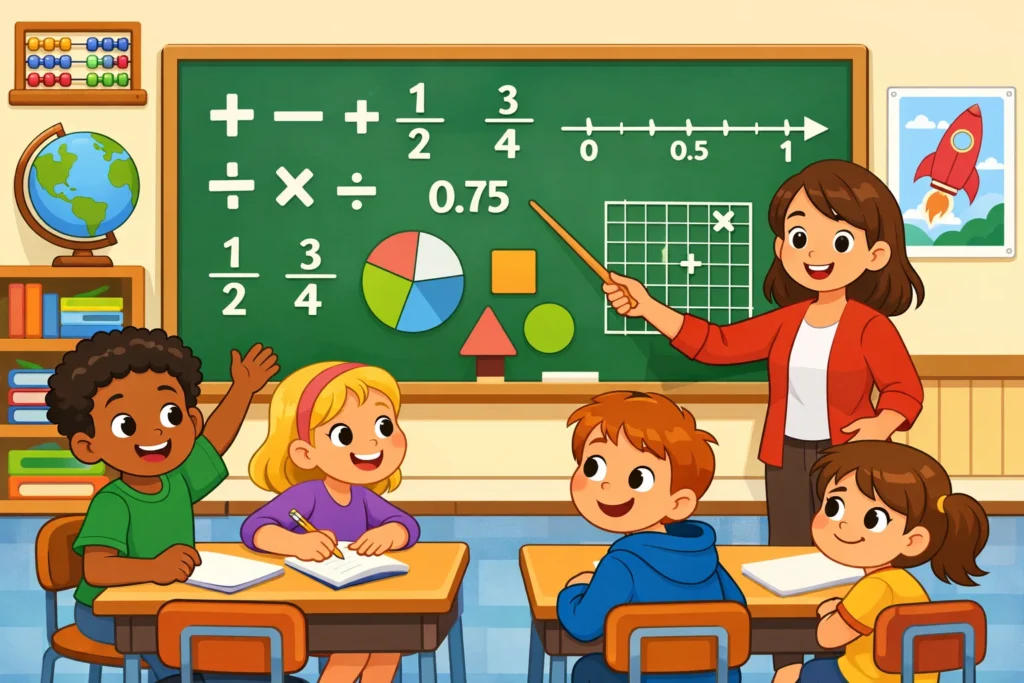
- Mathematics: This area focuses on early numeracy, shape recognition, measurement, and the use of mathematical language in everyday contexts. For example, a child may learn about volume by comparing how many scoops of sand fill two different containers.
- Understanding the World: This encourages children to investigate their immediate and broader world around them, covering early concepts in science, geography, and history. Sensory exploration is a critical pedagogical tool here, allowing children to learn through touch, smell, sight, and sound.
- Creative Expression: This includes art, music, dance, and drama. These activities are vital for social and emotional development, providing an outlet for emotions and fostering imagination.
Benefits of Cambridge Early Years Curriculum
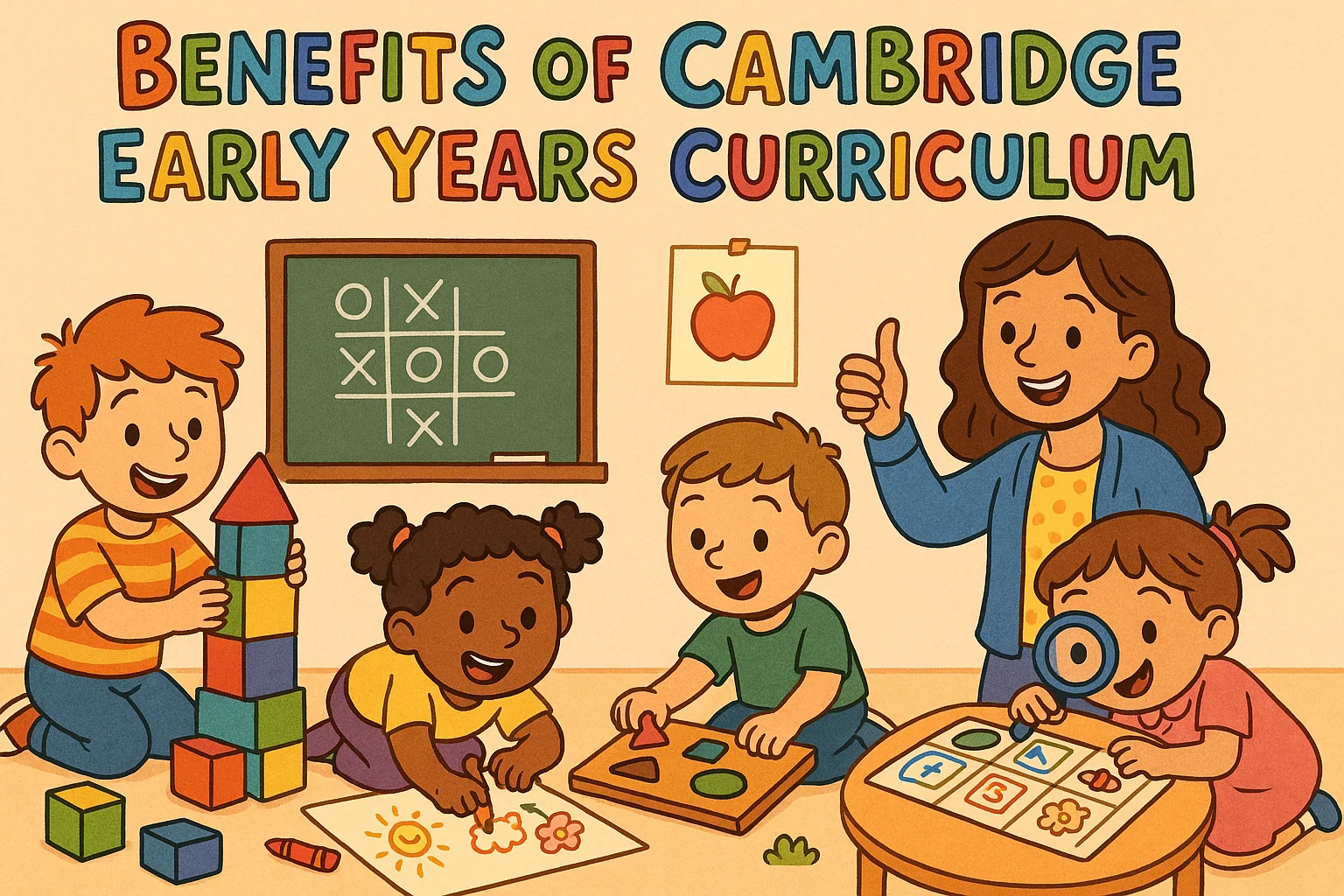
The choice of an early years programme is significant, and the Cambridge Early Years curriculum offers distinct advantages rooted in its commitment to a quality early years education.
Comprehensive Early Learning
The curriculum’s broad scope ensures that children receive a well-rounded education. By covering the key areas of development, it ensures children gain the necessary skills and understanding to transition smoothly into the next stage of the Cambridge Pathway—Cambridge Primary. The structure is specifically designed to prevent gaps in foundational knowledge, ensuring they are prepared not just for subjects in primary education, but for life itself.
Research-Based Teaching Approaches
The curriculum is grounded in current research on early childhood development and education. It emphasizes play-based learning, which is widely recognized as an effective approach for young learners. A case study published in the International Journal of Early Years Education (while not directly citable here) often suggests that children engaged in structured, play-based environments demonstrate stronger executive function skills later on. This evidence-based pedagogical approach maximizes a child’s active learning potential.
Supports Holistic Development
Perhaps the most significant benefit is the holistic approach. The Cambridge early years curriculum follows a holistic philosophy by intertwining academic learning with personal growth. This means a child is not only taught literacy and mathematics but is also guided in developing resilience, empathy, and strong communication skills. “We have observed a noticeable increase in our students’ ability to self-regulate and collaborate, which we attribute directly to the holistic and balanced structure of the year’s programme,” notes one educator at a Cambridge centre in Southeast Asia.
Teaching and Assessment Approach in the Cambridge Early Years Curriculum
The methods used to deliver and evaluate the learning experience are central to the success of the Cambridge Early Years curriculum.
Play-Based Learning
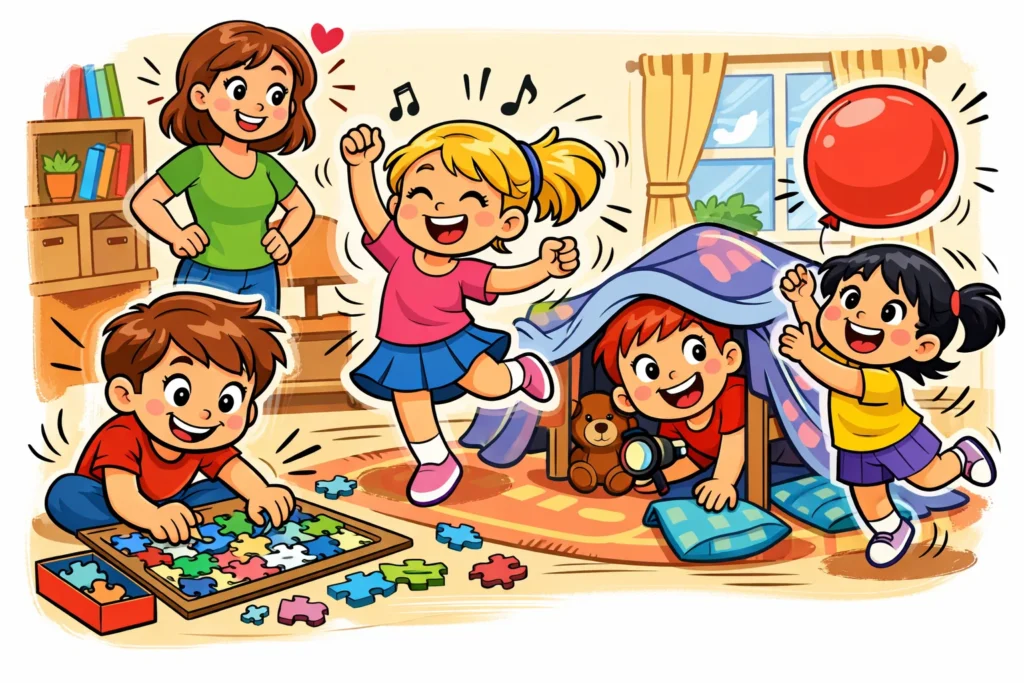
The essence of the Cambridge Early Years curriculum lies in play-based learning. This approach recognizes that children are naturally curious and learn best when they are active participants in their own learning. Play is not just downtime; it’s the medium through which children explore, experiment, and make sense of the world around them. Activities like building a fort (physical development, understanding the world), running a pretend shop (mathematical language, social skills), or staging a puppet show (creative expression, communication and literacy) are all examples of active learning that reinforce curriculum objectives.
Formative Assessments
Assessment in the Cambridge Early Years curriculum is continuous, informal, and non-threatening. It relies on formative assessments—observation-based methods—rather than high-stakes testing. Educators carefully observe children during play and structured fun activities to gauge their progress against the expected learning outcomes.
- Observation: Teachers document anecdotal records of children’s behavior and dialogue.
- Portfolios: Collections of a child’s work (drawings, writings, photos of constructions) illustrate their developmental arc.
- Checkpoints: Informal reviews help teachers identify milestones and areas needing more support.
“The goal of assessment here is not to label the child, but to inform the teacher’s next steps,” says a leading Cambridge professional development specialist. “It is entirely focused on supporting the individual child’s learning journey.”
Teacher-Centric Approaches
Effective delivery of the curriculum requires skilled educators who are well-supported. Cambridge provides a wealth of resources and training, ensuring teachers are equipped with the latest pedagogical approaches for early childhood. This includes training on fostering a child-centred learning environment and utilizing observation as a key teaching tool.
Support and Resources for Cambridge Early Years Educators
Cambridge International is dedicated to ensuring that every educator has the tools and training necessary to deliver a quality early years experience. This commitment to professional development is a key pillar of the year’s programme.
Teaching Resources
Schools gain access to a comprehensive library of engaging classroom resources and support materials, which greatly aids in planning and delivery.
- Curriculum Framework Documents: Detailed outlines of learning outcomes and development milestones.
- Activity Suggestions: Practical, developmentally appropriate ideas for fun activities and free play aligned with the six areas of learning.
- Multimedia Resources: Videos and digital tools to support teacher training and classroom engagement, particularly in developing digital literacy skills.
Professional Development Opportunities
Professional development is not optional; it’s essential for maintaining high standards in early years education. Cambridge offers:
- Introductory Training: Foundational courses on the philosophy and structure of the Cambridge Early Years curriculum.
- Specialized Workshops: Deep dives into areas like mathematical thinking or effective phonics instruction.
- Certification: Opportunities for teachers to gain formal Cambridge Early Years accreditation, enhancing their expertise and career progression.
Collaborative Support Networks
Educators are encouraged to connect and share experiences. Cambridge hosts online forums and regional professional learning communities where teachers can discuss challenges, share successful implementation strategies, and access peer support. This collaborative spirit ensures that best practices in teaching and learning are shared across the global network of schools.
How to Access the Cambridge Early Years Curriculum
For institutions and parents interested in the Cambridge Early Years curriculum, accessing the programme is a structured process.
Becoming a Cambridge Early Years Centre
Educational institutions wishing to offer the curriculum must follow an accreditation process to become an approved Cambridge Early Years Centre. This process involves:
- Application: Submitting an initial expression of interest.
- Inspection: Demonstrating that the school meets Cambridge’s standards for staffing, facilities (play areas, classroom size), and a commitment to quality early years education.
- Training: Ensuring key staff undergo the required professional development training.
Enrolling Children in the Curriculum
Parents typically enroll their children directly through an approved Cambridge Early Years Centre. Since the curriculum targets children from ages 3 to 6, enrollment often begins at the nursery or pre-school stage. The learning journey is continuous, and enrollment in this years programme provides a clear path to Cambridge Primary and the rest of the Cambridge Pathway.
Curriculum Materials and Purchase Options
Approved centres access official classroom resources, curriculum guides, and assessment approaches directly from Cambridge International or their authorized publishing partners. These materials are designed to support a balanced curriculum and are regularly updated to reflect the latest early childhood development research.
Cambridge Early Years Curriculum Framework
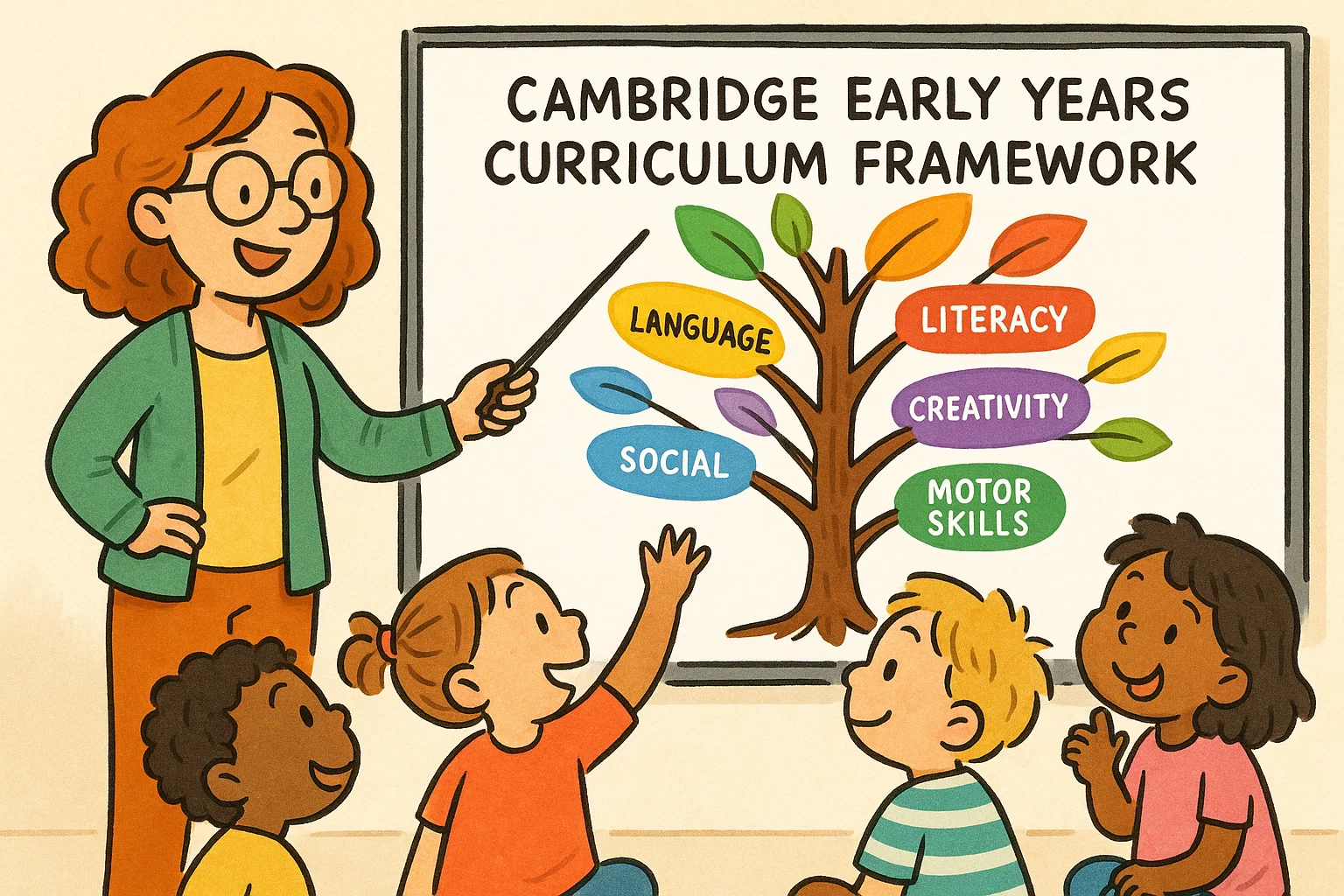
The framework is the backbone of the Cambridge Early Years curriculum, ensuring consistency while allowing for local relevance.
Learning Outcomes
The learning outcomes are clearly defined goals across the six areas of learning. These are what children are expected to know, understand, and be able to do by the end of the year’s programme. For example, a literacy outcome is to “read and understand simple sentences,” while a mathematics outcome is to “use mathematical language to describe position, direction, and movement.” These outcomes ensure a smooth transition to the more formal subjects in primary education.
Curriculum Flexibility
Despite its international nature, the curriculum is highly adaptable. It is designed to be culturally sensitive and can be integrated with national requirements and local context. This flexibility allows schools to customize the delivery, choosing appropriate engaging classroom resources and examples that resonate with the children’s immediate world around them, while still adhering to the core holistic and balanced principles of the Cambridge framework.
Cambridge Early Years Case Studies
Real-world success stories provide the strongest evidence of the Cambridge Early Years curriculum’s impact.
Success Stories from Schools
One Cambridge Early Years Centre in Latin America observed an increase in parental engagement within the first two years of implementing the curriculum, with some reports indicating a notable rise. They attributed this to the visibility of the play-based methodology and the clear communication of learning outcomes. Similarly, a school in the Middle East, primarily serving bilingual learners, found that the curriculum’s emphasis on strong communication and literacy development, coupled with dedicated phonics instruction, resulted in students achieving literacy milestones at a rate higher than the national average.
Case Study: Early Learning Impact
Preliminary findings from a longitudinal study tracking students who began their education with the Cambridge Early Years curriculum suggested potential benefits in academic performance as they transitioned into primary school. Students who participated in the Cambridge Early Years program showed positive outcomes in reading comprehension and mathematical problem-solving during the first two years of primary education, as compared to their peers. The study suggested that the strong foundation in social and emotional development also contributed to better classroom behavior and higher levels of sustained attention, allowing them to focus and think critically.
FAQs About Cambridge Early Years Curriculum
What is the Cambridge Early Years curriculum’s philosophy?
The Cambridge Early Years curriculum follows a holistic approach that views the child as an active, competent, and curious learner. Its core philosophy is child-centred, emphasizing that learning should be fun, engaging, and developmentally appropriate. It advocates for play-based learning as the primary vehicle for achieving learning outcomes across the six areas of development, ensuring the development of the whole child.
What materials are required for teaching the Cambridge Early Years curriculum?
While the core curriculum framework and accompanying guidance are essential, the beauty of the year’s curriculum follows a holistic approach that does not require a fixed set of expensive, specialized materials. Effective implementation relies on a variety of accessible and engaging classroom resources that facilitate active learning. Key materials include:
- The official Cambridge Curriculum and Assessment Approaches guides.
- Age-appropriate books for communication and literacy development.
- Manipulatives for mathematics (blocks, counters, natural materials).
- Art supplies and open-ended play materials (sand, water, clay) for creative expression and sensory exploration.
- Designated play areas for physical development and free play.
How does the curriculum assess progress?
Progress is assessed through continuous, formative assessments integrated seamlessly into the teaching and learning process. Educators use observation and evidence collection (such as annotated photos, children’s work samples, and anecdotal records) to track a child’s learning journey against the expected learning outcomes and milestones. There are no formal, stressful examinations. This system provides a detailed, holistic picture of a child’s development across cognitive, social and emotional development, and physical development areas, allowing for immediate and individualized support.

Take a short quiz to find out what your everyday choices say about your parenting style
When your child is curious about something new, what’s your instinct?
Take a short quiz to find out what your everyday choices say about your parenting style
“Can I download this app?” What happens next?
Take a short quiz to find out what your everyday choices say about your parenting style
When it comes to rules at home, which sounds most like you?
Take a short quiz to find out what your everyday choices say about your parenting style
If you could give your child one life skill today, what would you pick?
Take a short quiz to find out what your everyday choices say about your parenting style
Your child gets to choose what to watch. What would your ideal setup look like?
Take a short quiz to find out what your everyday choices say about your parenting style
Pick your parenting superpower ✨