Building Blocks of Decency: Engaging Program to Teach Kids Essential Life Skills

 Discover a Free Education Video App for Kids
Pastory uses AI to personalize educational video content based on your child’s interests and personality. Safe, engaging, and built for curious young minds. Sign up now to stay updated and enjoy early access with a free trial
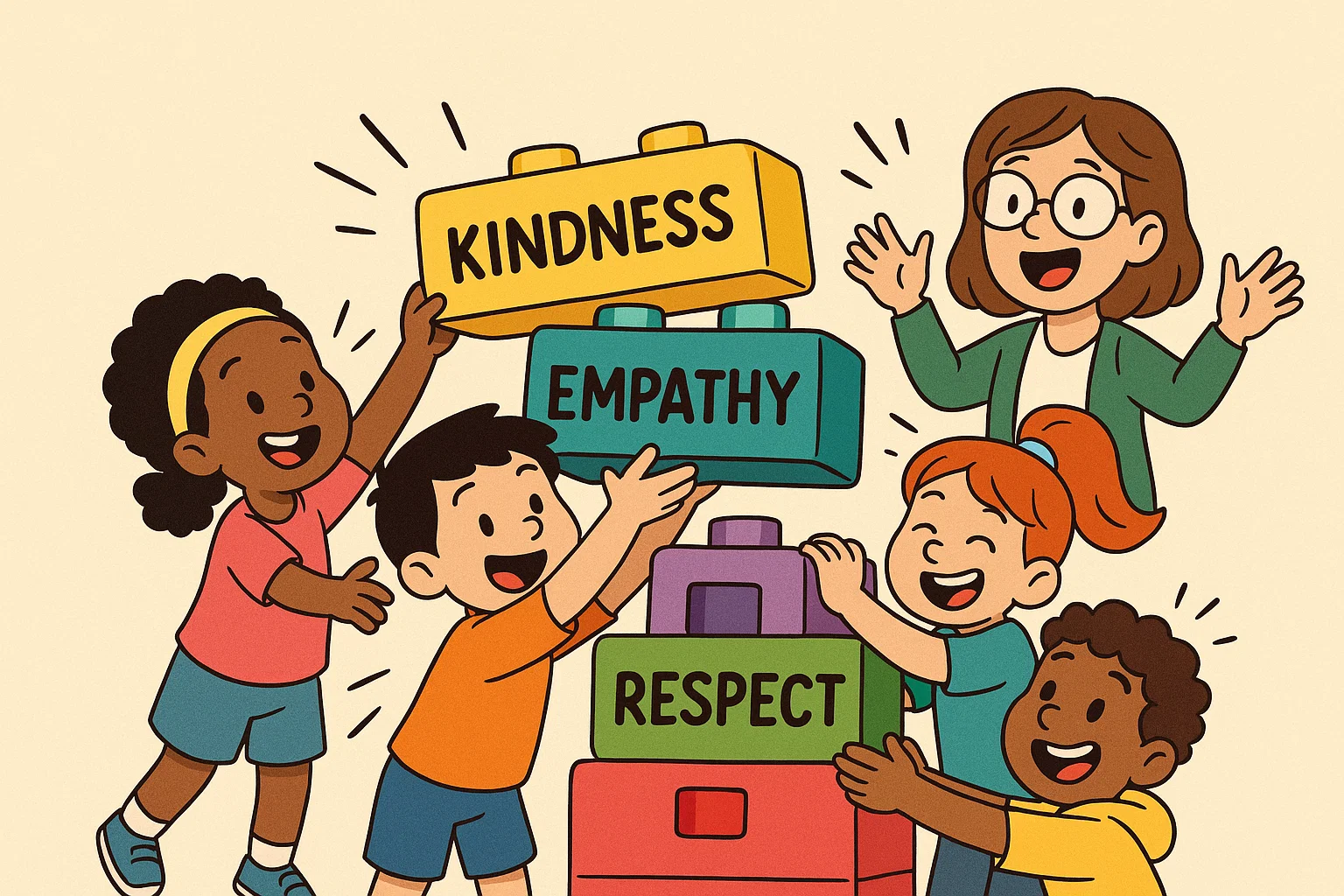
Childhood is a period of explosive growth, where every interaction, task, and challenge lays down the foundation for future success. In today’s fast-paced world, parents are increasingly seeking practical, structured ways to intentionally teach children not just academics, but the essential life skills—like empathy, financial literacy, and problem-solving—that truly equip them for adulthood. The truth is, these practical skills are the building blocks of a capable, kind, and resilient human being.
This program, “Building Blocks of Decency,” is designed to empower parents and educators with a practical, step-by-step framework to seamlessly integrate life skills into everyday family routines. The program’s core philosophy is simple: competence breeds confidence, and decency is learned through consistent, respectful practice. The program helps children learn the vital life lessons they need to navigate a complex world, ensuring children can handle real-world situations, from making a simple meal to effective conflict resolution.
Program Overview and Key Benefits
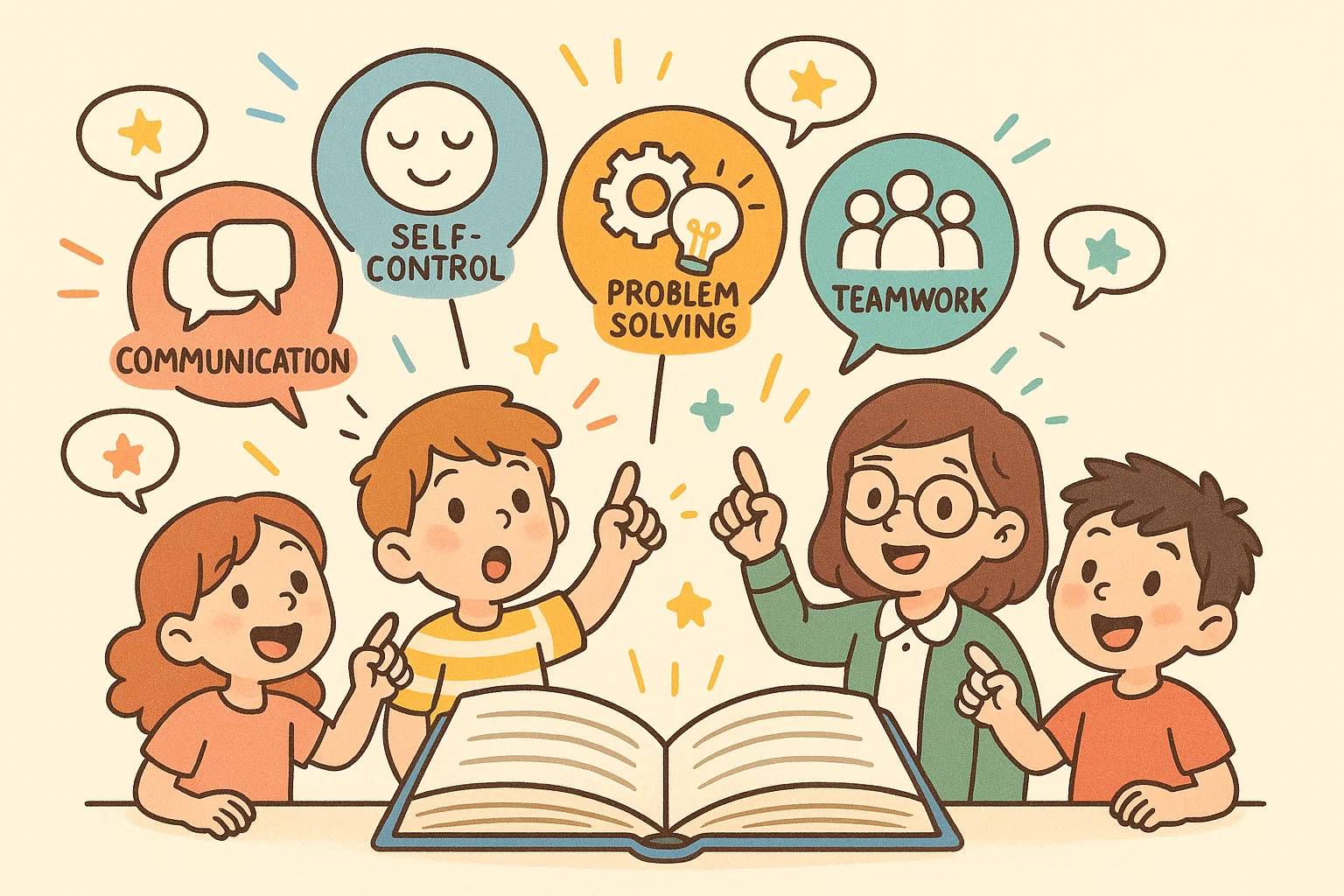
This comprehensive program is built around the idea that life skills at home are best learned through doing, not just listening. It offers a structured yet flexible curriculum that transforms ordinary moments—like kitchen time, errands, and play—into rich learning opportunities. It’s an invaluable tool for families who want to help children transition from dependence to confident autonomy.
Main Goals of the Program
The overarching importance of life skills cannot be overstated. By focusing on practical application and social-emotional growth, this program strives to achieve several key outcomes:
- Raising Confident, Kind, Capable Kids: Fostering the self-belief and competence necessary for a child to take on new challenges.
- Strengthening Social-Emotional Growth: Nurturing traits like empathy, self-awareness, and effective communication.
- Fostering Independence: Equipping the child to develop practical basic life skills that reduce reliance on adults.
Who the Program Is For
This framework is highly adaptable and designed for a variety of users who want to help your child succeed:
- Parents: Seeking structured, age-appropriate activities to encourage your child and integrate practical life skill lessons into busy schedules.
- Educators: Looking for supplementary material to support socio-emotional learning in classrooms or after-school settings.
- Homeschoolers (Home Education): Need a comprehensive, adaptable curriculum to ensure older children and younger students receive well-rounded instruction in foundational skills.
- Caregivers: Anyone raising children who needs reliable, expert guidance on child development.
Skills Kids Develop Through Daily Activities
The program organizes abilities into core pillars, ensuring a holistic approach to a child’s development:
- Communication: Learning to express needs, listen actively, and maintain eye contact.
- Resilience: The ability to bounce back from setbacks and deal with stress.
- Empathy: Nurturing the capacity to understand one another and practice compassion.
- Safety & Responsibility: Awareness of personal well-being and fulfilling age-appropriate duties.
- Financial Literacy: Understanding the budget, saving, and the value of money.
What Are Life Skills for Kids
The phrase “life skill” refers to the set of adaptive and positive behaviors that enable individuals to deal with demands and challenges of everyday life effectively. They are the non-academic tools they need to manage themselves, interact with others, and handle the responsibilities of growing up.
Social-Emotional Growth
These key life abilities are the bedrock of healthy relationships and self-management. Nurturing emotional intelligence is crucial.
| Skill Focus | Example Activities for Children |
| Emotional Regulation | Naming feelings, ‘Calm-down’ corner, deep breathing exercises. |
| Empathy & Compassion | Discussing character feelings in books, volunteer work, perspective-taking games. |
| Self-Control | Waiting their turn, board games, following two-step directions. |
Practical Daily Abilities
These are the hands-on, practical life abilities that grow their confidence and foster real independence, starting from simple tasks like brushing their teeth to more advanced responsibilities such as cooking a simple meal.
- Personal hygiene and self-care.
- Basic cooking and food preparation.
- Cleaning, tidying, and maintaining a personal space.
- Simple first aid (including knowing how to call for help).
- Laundry and garment care.
Cognitive and Decision-Making Skills
Critical thinking skills and problem-solving skills are the mental muscles kids use to evaluate situations and make sound judgments.
- Problem-solving: Facing small, natural consequences and figuring out solutions.
- Planning and Prioritization: Creating a simple daily schedule or making a list for a task.
- Critical Thinking: Asking ‘why’ and ‘how,’ evaluating sources of information.
Essential Life Skills Featured in the Program
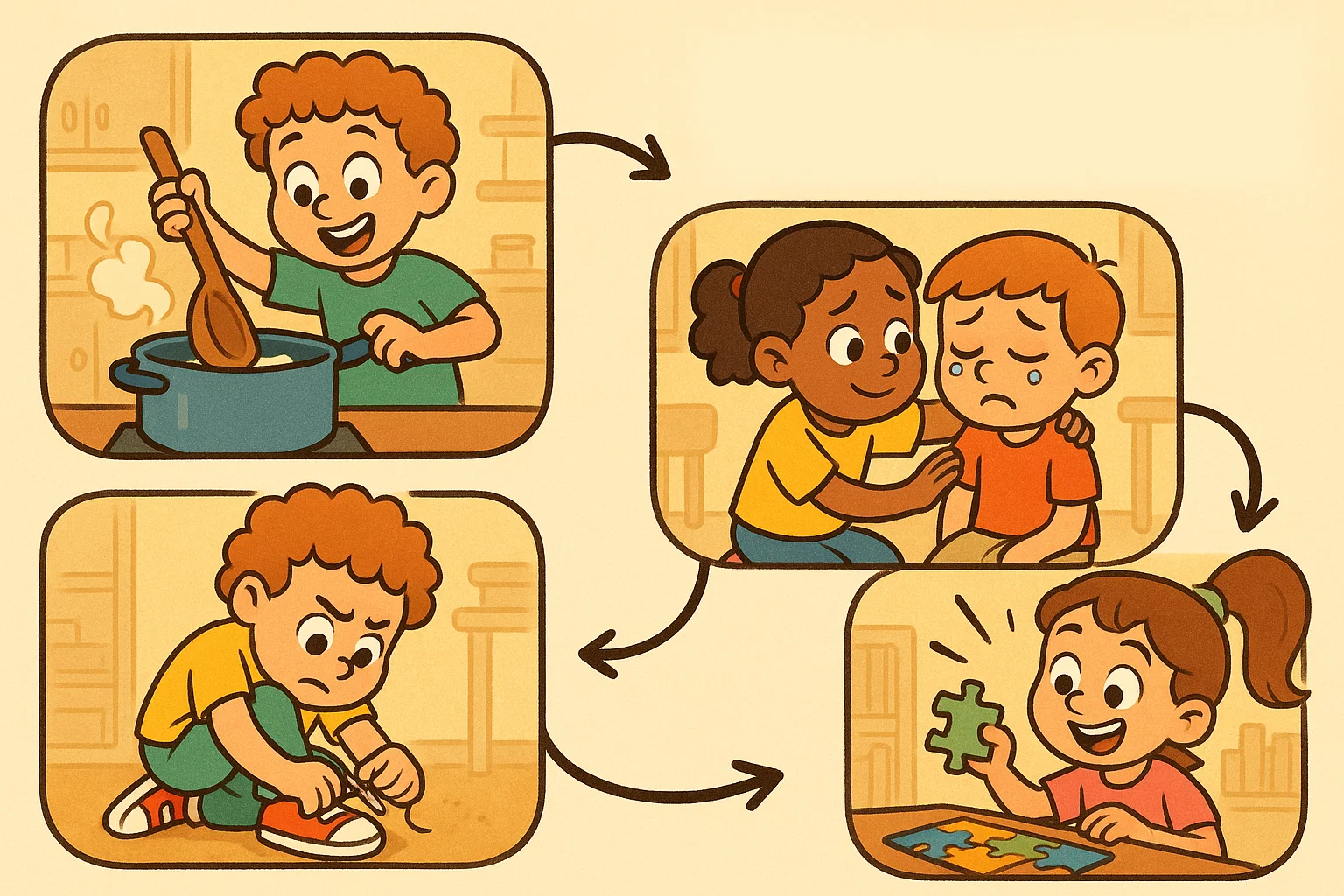
This program intentionally targets the essential life skills recognized as crucial for modern childhood success, while also expanding into important practical areas.
Communication and Making Connections
It’s paramount for a child to develop the ability to articulate thoughts clearly. The curriculum focuses on training in:
- Active Listening: Making sure the child can use non-verbal cues and repeat instructions.
- Expressing Needs: Learning to use ‘I feel’ statements instead of accusations.
- Forming Friendships: Practicing initiating and sustaining conversations.
Respect, Diversity and Positive Behavior
Decency is an active choice. Lessons emphasize politeness, kindness, and gratitude, encouraging kids to be inclusive and respect differences. This forms the foundation for responsible citizenship.
Resilience, Stress Handling and Challenge Taking
Children learn that mistakes are opportunities for growth. Small, safe challenges—like learning to ride a bike or trying a difficult puzzle—teach them how to deal with stress and bounce back.
Money Basics and Budgeting
Financial literacy starts young. We provide simple, tangible ways to teach kids the value of earning, saving, spending, and giving. Learning to manage a small weekly allowance is a great skill for children to practise.
Hygiene, Self-Care and Safety
This section covers everything from good dental hygiene to knowing what to do in an emergency. It’s important to teach kids the Heimlich maneuver basics and how to respond safely, as well as how to make healthy eating choices. We also include personal safety, such as knowing how to find their way home and who to call for help.
Focus, Self-Control and Task Completion
These exercises help a child get better at executive functioning. Activities like multi-step crafts or chores that require follow-through help the child to develop discipline.
Simple Practical Activities for Families
Integrating key life skills into daily life doesn’t require complex lesson plans. It happens naturally when parents let their kids participate.
Cooking and Healthy Meal Basics
Involve your child in preparing food for a simple meal. This is one of the most rewarding ways to teach your children practical skills.
| Age Group | Age-Appropriate Tasks | Skill Nurtured |
| Young Children (4–6) | Washing produce, tearing lettuce, stirring, pouring pre-measured ingredients. | Following directions, sensory exploration, practical life |
| Older Children (7–12) | Measuring ingredients, safe knife skills (under supervision), using a microwave, learning to use the stovetop for simple tasks. | Math, planning, safety, basic life skills |
Cleaning, Laundry and Personal Responsibility
Chores are not punishments; they are opportunities to learn self-reliance. Ensure your child has ownership of their space.
- Making their own bed daily.
- Putting away clean laundry (and learning to fold).
- Tidying common areas for 10 minutes a day.
- Learning to sort laundry by color and operate the washing machine.
Letter Writing and Basic Household Admin
Letter writing and thank-you notes teach gratitude and communication beyond a screen. Simple administrative tasks, like organizing a small desk drawer or helping pay a bill online, which introduces basic organization skills.
Outdoor Skills and Navigation
Teaching kids to find home if they get lost, or using a simple map at a park, provides confidence in navigation. Encouraging exploration and observation builds awareness of their environment.
Using Digital Tools Responsibly
The digital world is part of their reality. Teach them safe browsing, how to be respectful online, and screen-time rules. This is part of effective communication in the modern age.
How to Teach These Skills Through Play and Routine
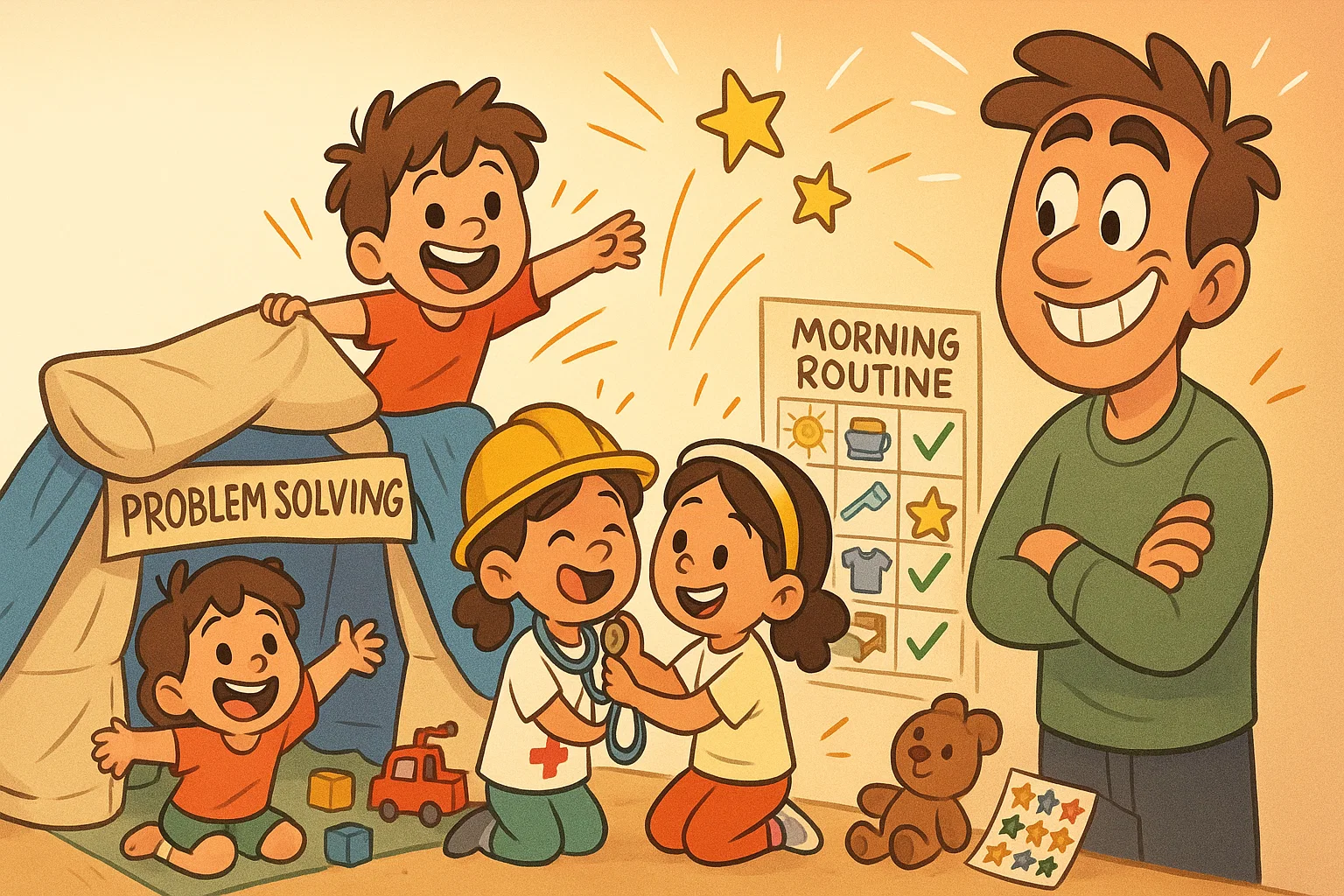
The secret to teaching life skills is consistency and engagement. Simple ways to introduce these lessons are through established patterns and fun, interactive learning.
Daily Rhythm and Child-Led Exploration
Establish a predictable daily rhythm, not a rigid schedule. Children learn best when they feel secure. Leaving room for child-led exploration allows them to practise problem-solving and follow their natural curiosity.
Learning Through Real-Life Moments
Everyday activities are the best classroom.
- Errands: Use grocery shopping to practice budget and simple math. Let them count the change.
- Conversations: Use mealtimes to discuss the day and practice active listening and effective communication.
- Teamwork: Involve them in yard work or setting the table.
Role-Play and Scenario Games
Pretend play is a powerful tool. Role-playing different scenarios—like how to say ‘no’ to a stranger, how to resolve a conflict with a friend, or what to do if they get lost—gives them the mental scripts they need for different situations.
Seven Core Skill Pillars in Program
The program distills the complexity of child development into seven core, actionable skills to teach children.
Communication and Warm Connection-Building
Exercises include: “The Feelings Charades” to identify emotions and “Tell Me More” to encourage active listening.
Challenge Handling and Problem Solving
Kids are encouraged to try things on their own first. Give them a small task (like figuring out how to open a complex package) and only step in if they are truly stuck. This helps them learn courage and develop problem-solving skills.
Self-Control and Emotional Balance
Activities that encourage patience, such as simple meditation exercises for children or waiting games, help with impulse control. This builds the skill that children need for emotional regulation.
Empathy and Perspective-Taking
Reading books and discussing the feelings of the characters is a simple way to nurture compassion. Ask, “How would you feel if that happened to you?”
Respect for Differences
Nurturing an open mind through exposure to different cultures, food, and ideas is crucial. This helps children become inclusive and kind.
Analytical Thinking
Using strategy board games or simple logic puzzles helps hone critical thinking skills. Asking open-ended questions during playtime encourages them to evaluate options and make thoughtful choices.
Self-Directed Engagement in Tasks
Building independence means allowing children to initiate tasks. Provide the necessary tools they need and stand back. For example, setting out cleaning supplies and letting them decide the order of cleaning their room. This fosters intrinsic motivation.
Parent Resources and Program Materials
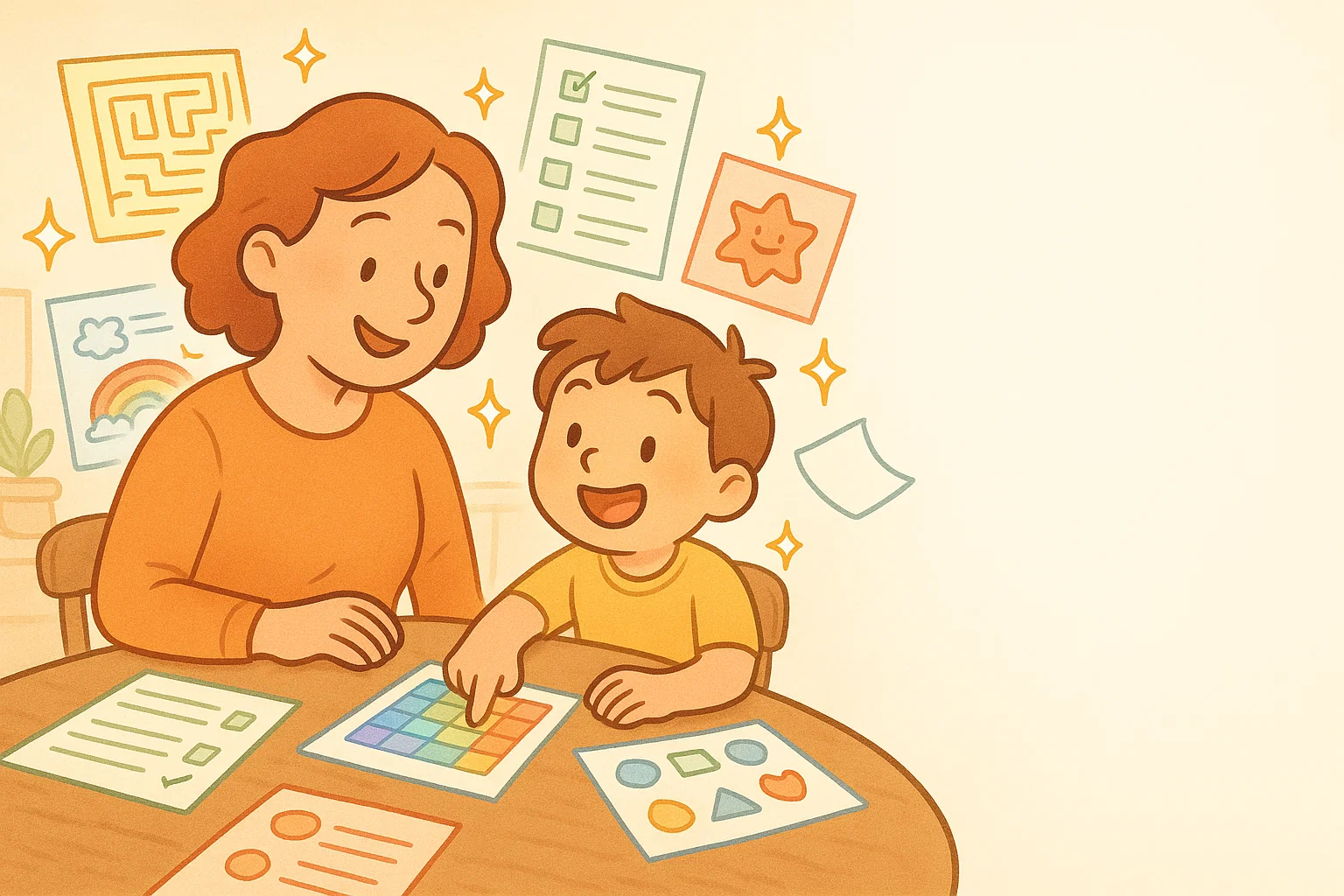
To simplify implementation and support busy families, the program includes a range of expertly designed materials.
Printable Guides and Skill Checklists
Downloadable PDFs with age-appropriate life skills to teach and trackers to monitor progress.
Daily Routine Bundles and Lesson Plans
Ready-made templates for family rhythms, chore charts, and scripts for discussing tricky subjects like conflict or finances.
Additional Reading for Caregivers
Curated lists of suggested, authoritative articles and books focused on children’s development, positive discipline, and advanced parenting strategies to further help your child.
Support for Families and Educators
You are not alone in your journey to intentionally teach these important life skills.
Practical Tips for Busy Parents
- Integrate, Don’t Isolate: Weave practical skills into your existing routine. Five minutes of tidying is better than an hour-long, formal lesson.
- The Power of ‘Yet’: When a child struggles, use phrases like “You can’t do that yet.” This encourages a growth mindset.
- Be a Model: Children mirror your behavior. Demonstrate patience, good communication, and conflict resolution yourself.
Guidance for Homeschool Families
The program’s flexibility allows it to serve as the core of a “home economics” or “character development” block, easily meeting educational goals while fostering life skills for children.
Community, Workshops and Events
Access to an online community allows parents to share tips, attend virtual Q&A sessions with development experts, and connect to a supportive network.
Safety, Privacy and Digital Wellbeing
In a connected world, digital literacy is a fundamental life skill.
Safe Digital Practices for Kids
We provide guidelines on setting clear, age-appropriate internet rules, discussing privacy with children, and teaching them to recognize and avoid online risks.
Family Data and Privacy Policies
Your family’s privacy is paramount. The program operates under strict privacy policies, ensuring any progress data or personal information is protected.
Digital Tools That Support Skill Growth
Suggestions for vetted, educational apps and systems that genuinely enhance skills like coding, financial tracking, or mindfulness, rather than just consuming time.
Frequently Asked Questions
How Long Does It Take to See Progress?
Progress varies by child, but most families notice a difference in confidence and willingness to help within the first 4–6 weeks of consistent use. You may initially observe small changes, such as when a child begins to use a new phrase during conflict resolution or an increased desire to practise a new practical life skill. Skills early on will help as kids grow.
What Age Is Ideal for Starting?
The program is designed to be age-appropriate for children between 4 and 12 years old, with scalable activities. However, the best time to start fostering social skills and basic life skills is always now.
How Much Parent Participation Is Needed?
Parental involvement is key, but the program is designed for flexible integration. It’s not necessary to teach every lesson formally. Simply being present, demonstrating the skills helps, and providing opportunities for your child to develop independence is often enough.

Take a short quiz to find out what your everyday choices say about your parenting style
When your child is curious about something new, what’s your instinct?
Take a short quiz to find out what your everyday choices say about your parenting style
“Can I download this app?” What happens next?
Take a short quiz to find out what your everyday choices say about your parenting style
When it comes to rules at home, which sounds most like you?
Take a short quiz to find out what your everyday choices say about your parenting style
If you could give your child one life skill today, what would you pick?
Take a short quiz to find out what your everyday choices say about your parenting style
Your child gets to choose what to watch. What would your ideal setup look like?
Take a short quiz to find out what your everyday choices say about your parenting style
Pick your parenting superpower ✨