
52 Family Bonding Activities for a Stronger Family Connection

 Discover a Free Education Video App for Kids
Pastory uses AI to personalize educational video content based on your child’s interests and personality. Safe, engaging, and built for curious young minds. Sign up now to stay updated and enjoy early access with a free trial
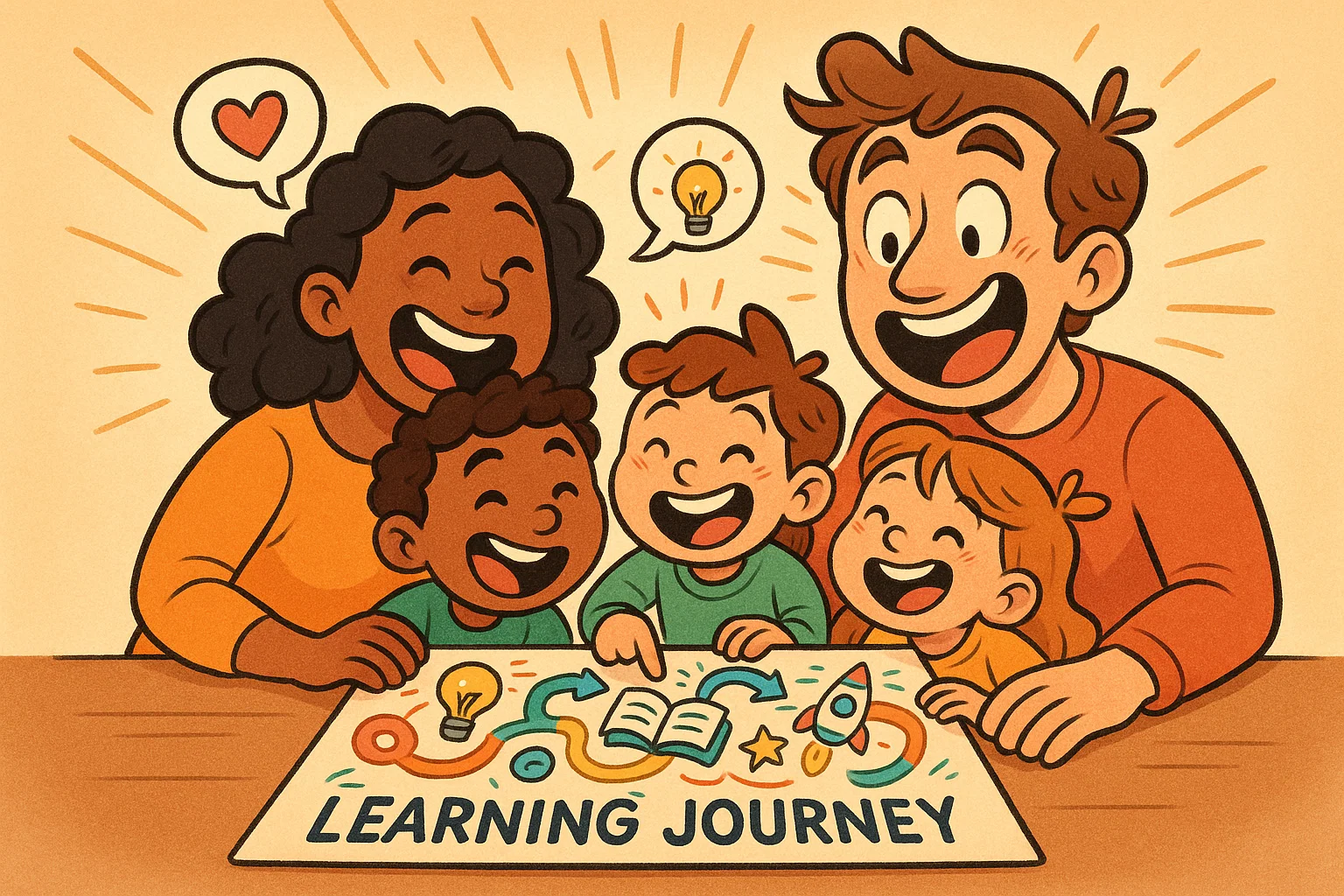
Modern parenting requires balancing school schedules, extracurricular activities, and professional demands. Parents often look for practical, simple, low-cost, and age-appropriate ways to connect with their children without adding more stress to the day.
This guide offers practical family bonding activities that fit naturally into daily routines, with ideas for home, outdoor time, meals, weekends, and one-on-one moments. Readers will find clear activity ideas, age-based tips, strategies for emotional connection, and answers to common challenges.
Key Takeaways
- Family bonding activities help families spend intentional time together, communicate better, and create shared memories.
- The best activities do not need to be expensive or complicated.
- Activities should match each child’s age, energy level, interests, and the family’s schedule.
- Strong bonding often comes from small daily routines, not only big trips.
- One-on-one time with each child can strengthen parent-child connection.
- Family bonding works best when everyone feels included, respected, and relaxed.
Best Family Bonding Activity Categories at a Glance
A good starting point is choosing an activity category that fits your household’s time, budget, and energy level. Helpful categories include home activities, outdoor ideas, creative projects, emotional connection activities, community service, food-based projects, and intentional one-on-one dates.
How to Choose the Right Activity
Choose an activity based on available time, budget, children’s ages, everyone’s current mood, and the main goal of the moment. That goal may be simple fun, meaningful conversation, teamwork, quiet downtime, or physical movement.
Quick Start Plan for Busy Families
This 7-day starter routine gives busy families a simple, low-pressure way to build intentional connection into the week.
- Monday: Share one dinner focused on catching up and listening to one another.
- Tuesday: Organize a 20-minute evening game night using a simple card game.
- Wednesday: Complete a 15-minute neighborhood walk together after dinner.
- Thursday: Have a 15-minute read-aloud session or listen to an audiobook before bedtime.
- Friday: Try an interactive cooking activity where children are responsible for specific parts of the meal.
- Saturday: Spend 5 minutes during breakfast sharing or writing down family gratitude notes.
- Sunday: End the week with a movie night or an indoor dance break.
What Is Family Bonding?

Family bonding is intentional time spent together that builds trust, open communication, shared memories, and emotional safety. Rather than happening simply because people live in the same home, bonding grows through attention, emotional presence, and connection.
What Family Bonding Means
Family bonding describes specific moments when family members connect through focused attention, responsive care, interactive conversation, collaborative play, shared teamwork, or predictable daily routines. It helps create the sense of security children need as they grow.
Family Bonding vs. Family Time
| Attribute | Family Time | Family Bonding |
| Participant Focus | Passive coexistence, such as being in the same room while doing separate tasks | Active mutual engagement and emotional presence |
| Interaction Style | Little communication or one-way communication | Responsive conversation, shared play, and mutual engagement |
| Core Outcome | Spending time in the same physical space | Building trust, emotional security, and deeper relationships |
| Example Activity | Sitting on the couch while everyone checks individual devices | Playing a cooperative board game with shared rules |
Signs Family Bonding Is Working
Small changes in everyday interactions can show that family bonding is helping the home feel calmer and more connected. Signs may include more spontaneous laughter, fewer daily power struggles, smoother transitions during stressful routines, and a greater willingness from children to share difficult feelings with parents.
Why Family Bonding Activities Matter

Regular bonding activities can improve family dynamics by reducing tension and supporting each child’s development. According to the American Academy of Pediatrics, safe, stable, nurturing relationships and positive childhood experiences can help buffer children from toxic stress and support resilience.
Stronger Emotional Bonds
Repeated positive experiences help children feel safe, loved, and valued at home. These interactions can support secure attachment and help children develop a stronger sense of self-worth over time.
Better Communication
Casual, low-pressure activities make organic conversations easier to start than formal, face-to-face talks. This approach can be especially helpful with older children and teens, who often communicate more openly while doing something side by side, such as driving, cooking, or washing dishes.
More Family Unity
Shared traditions, recurring inside jokes, and predictable household routines form a distinct family identity that answers the question, “What does our family do?” This shared identity gives everyone a sense of belonging and support during times of peer pressure, change, or transition.
Positive Parenting Impact
Regular bonding moments build positive connection, which can reduce tension and make daily discipline easier. When a child feels consistently connected to their parents, their willingness to cooperate often increases, lowering the frequency of emotional outbursts and power struggles during daily transitions.
Simple Family Bonding Ideas
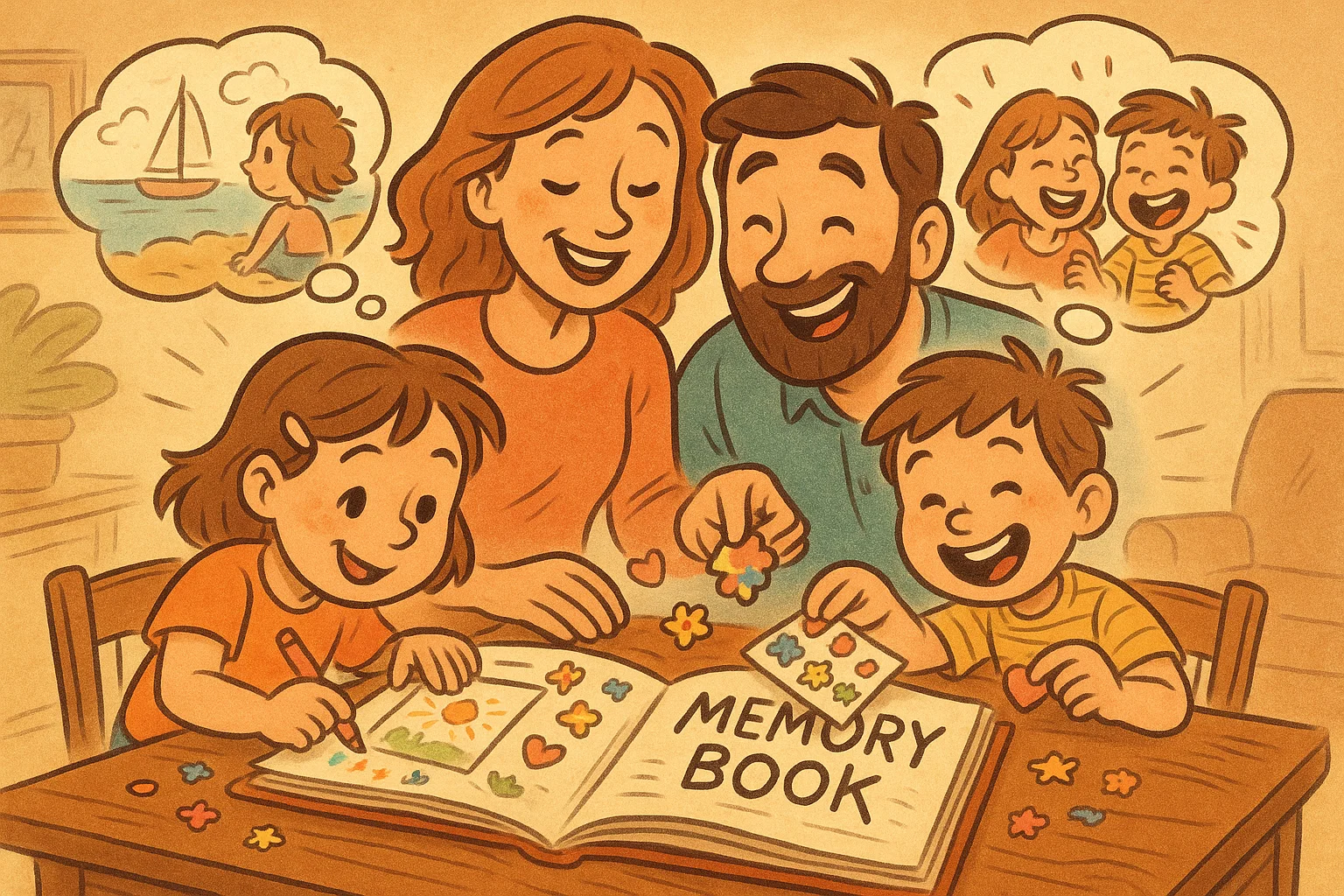
Adding small connection habits to an already busy schedule can help families avoid exhausting, overplanned weekends. These low-pressure ideas focus on turning everyday routines into moments of connection.
Start and End the Day Together
Structuring the beginning and end of the day helps create emotional stability for children of all ages. Parents can try brief 5-minute morning check-ins during breakfast, a consistent bedtime chat, quick family gratitude moments, or a predictable goodnight ritual so children feel connected before transitions.
Read Together
Reading together gives families a simple way to share focus, build language skills, and slow down. Parents can read chapter books aloud, share classic picture books with toddlers, listen to audiobooks during long car rides, take weekly library trips, create book-themed snacks, and let children take turns choosing the week’s books.
Spend Time in Nature
Spending time outside can support sensory regulation and stress relief for both parents and children. Simple outdoor routines include short evening walks, neighborhood park visits, backyard exploration, collecting unique leaves, bird watching with a basic field guide, cloud spotting on a blanket, and creating seasonal nature traditions.
Exercise Together
Physical movement releases endorphins that can reduce household stress and lift everyone’s mood. Options can include bike rides, morning stretches, playful yoga, spontaneous 10-minute dance breaks, swimming, local hikes, or simple driveway games like basketball or four square.
Say Yes More Often
Intentionally expanding the boundaries of parental permission creates moments of unexpected fun and deepens trust. Parents can look for small chances to say “yes” to harmless, out-of-the-routine requests, such as a spontaneous ice cream stop, an extra bedtime story, a living room picnic, or a silly family challenge.
Make Small Moments Feel Special
Turning ordinary routines into small traditions can create lasting family memories. Households can designate Saturday mornings for pancakes, establish a Friday movie night, use a special “birthday plate” for celebrations, practice a custom handshake, or contribute to a memory jar.
52 Family Bonding Activities

This list offers clear, practical ideas for building stronger family bonds across different ages and schedules.
1. Host a Family Game Night
- Time Required: 45–90 minutes
- Budget Level: Low ($0–$30)
- Best Age Range: 4 years and up
Implementation: Gather classic board games, card games, or cooperative games. Playing board games can teach problem-solving skills, help kids practice emotional regulation when they lose, and build teamwork through friendly competition.
2. Cook Homemade Pizzas
- Time Required: 60 minutes
- Budget Level: Medium ($15–$30)
- Best Age Range: All ages
Implementation: Provide individual dough portions and varied topping bowls. Assign specific preparation roles: one person rolls the dough, another spreads sauce, and others manage toppings. Cooking together can encourage picky eaters to sample new ingredients they helped prepare.
3. Create a Storytelling Circle
- Time Required: 15–30 minutes
- Budget Level: Free ($0)
- Best Age Range: 3 years and up
Implementation: Sit in a circle away from digital screens. Start a fictional story and have each family member add one sentence, or use the time to share a funny memory from childhood, past vacations, or early school days.
4. Start a Gratitude Journal
- Time Required: 10 minutes
- Budget Level: Low ($5)
- Best Age Range: 5 years and up
Implementation: Keep a shared notebook in a central location, such as the kitchen. At regular intervals, have each family member write down or dictate one specific action or quality they appreciated about another family member that week.
5. Plan a Family Game Tournament
- Time Required: 2–3 hours, or spread across a weekend
- Budget Level: Low ($0–$10)
- Best Age Range: 6 years and up
Implementation: Create a visible tournament bracket on poster board using simple mini-games like rock-paper-scissors, Jenga, or card games. Award a silly, rotating household trophy to the winner to keep the mood lighthearted.
6. Try a Nature Walk Scavenger Hunt
- Time Required: 45–60 minutes
- Budget Level: Free ($0)
- Best Age Range: All ages
Implementation: Before leaving the house, create a checklist with sensory prompts: find something yellow, something rough, a tiny leaf, a loud bird, or a heart-shaped rock. Make sure children follow local trail safety rules while exploring new places.
7. Set Up a Family Movie Marathon
- Time Required: 3–4 hours
- Budget Level: Low ($0–$15)
- Best Age Range: 5 years and up
Implementation: Choose a movie series or theme for family movie night. Make the living room cozy with themed snacks, floor blankets, and simple rating cards. After the credits roll, have a quick 5-minute family discussion about everyone’s favorite part.
8. Make a Family Scrapbook
- Time Required: 60–90 minutes
- Budget Level: Medium ($15–$40)
- Best Age Range: 4 years and up
Implementation: Print physical photos from recent family outings or vacations. Provide children of all ages with blank pages, ticket stubs, colored pencils, and glue so they can add captions, drawings, and quotes from their favorite shared memories.
9. Volunteer Together
- Time Required: 2–4 hours
- Budget Level: Free ($0)
- Best Age Range: 8 years and up
Implementation: Register with a local food bank, participate in a community park cleanup, visit an animal shelter, or prepare care packages for a local shelter. This shared service project helps kids build empathy and turn kindness into action.
10. Create a Family Vision Board
- Time Required: 60 minutes
- Budget Level: Low ($5–$15)
- Best Age Range: 6 years and up
Implementation: Cut out images and words from old magazines that represent collective dreams, core family values, upcoming trips, desired skills, and positive household habits. Display the final poster board in a high-traffic area to reinforce family unity.
11. Host a Dance Party
- Time Required: 15 minutes
- Budget Level: Free ($0)
- Best Age Range: All ages
Implementation: Clear a safe space in the living room and start a high-energy family playlist. Add simple variations like freeze dance, where a parent pauses the music periodically, and make sure every family member gets a turn to choose a favorite track.
12. Work in the Garden Together
- Time Required: 60–120 minutes
- Budget Level: Medium ($10–$50)
- Best Age Range: 2 years and up
Implementation: Spend time outside planting kitchen herbs, watering flowers, weeding garden beds, or painting terracotta pots. Working together in the soil can be calming and introduce children to basic gardening concepts.
13. Have a Picnic in the Park
- Time Required: 1–2 hours
- Budget Level: Low ($5–$20)
- Best Age Range: All ages
Implementation: Pack a simple meal using reusable containers, assigning packing roles directly to the children. Pair the outdoor lunch with simple lawn games, fresh air, and conversation prompts that help everyone connect.
14. Visit a Museum
- Time Required: 2–3 hours
- Budget Level: Medium ($20–$60)
- Best Age Range: 3 years and up
Implementation: Plan an educational outing to a children’s museum, interactive science center, art gallery, or local history exhibit. Focus on interactive exhibits that invite collaborative problem-solving between parents and children.
15. Plan a Camping Trip
- Time Required: Overnight
- Budget Level: Low to medium ($0–$50)
- Best Age Range: 4 years and up
Implementation: Pitch a tent in the backyard, build a living room blanket campsite, or book a site at a local state park. Try stargazing, tell non-frightening campfire stories, and prepare simple campfire-style snacks to build lasting memories.
16. Take a Bike Ride
- Time Required: 60–90 minutes
- Budget Level: Free, assuming you already own bikes and helmets
- Best Age Range: 5 years and up
Implementation: Map out a low-traffic neighborhood route or a dedicated paved trail. Make sure everyone wears a properly fitted helmet, ride at a pace that works for the youngest rider, and plan a fun snack stop halfway through.
17. Build a Blanket Fort
- Time Required: 45 minutes
- Budget Level: Free ($0)
- Best Age Range: 2–10 years
Implementation: Use living room chairs, couch cushions, lightweight blankets, and sturdy clothespins to build a blanket fort. This simple building project encourages teamwork and creates a cozy space for screen-free reading afterward.
18. Do a Craft Project
- Time Required: 45–60 minutes
- Budget Level: Low ($5–$20)
- Best Age Range: All ages
Implementation: Gather basic arts and crafts supplies to complete a shared project, such as painting smooth rocks, making friendship bracelets, folding origami, or crafting seasonal decorations. Focus on creative expression rather than perfect results.
19. Create a Family Recipe Book
- Time Required: 60 minutes per session
- Budget Level: Low ($10)
- Best Age Range: 6 years and up
Implementation: Contact extended relatives to collect legacy family recipes. Cook these meals together as a family, take photos of the process, and write down the kids’ honest reviews to compile into a permanent binder.
20. Have a Fun Themed Dinner
- Time Required: 45 minutes
- Budget Level: Low ($10–$25)
- Best Age Range: All ages
Implementation: Choose a theme for a regular family dinner, such as a DIY taco bar, breakfast-for-dinner, foods in one color, or an international cuisine night. Introduce lighthearted table rules, like eating without using your dominant hand, to break up rigid routines.
21. Play Mini-Golf
- Time Required: 60–90 minutes
- Budget Level: Medium ($20–$40)
- Best Age Range: 4 years and up
Implementation: Visit a local miniature golf course for an afternoon of low-pressure competition. The slower pace of mini-golf leaves plenty of time to talk, laugh, connect, and practice basic hand-eye coordination across generations.
22. Attend a Sports Event
- Time Required: 2–3 hours
- Budget Level: Medium ($15–$50)
- Best Age Range: 5 years and up
Implementation: Purchase tickets for a local high school match, minor league game, or community sports meet. Create lighthearted family cheering traditions, wear the team’s colors, and teach children the basic rules of the sport to build shared interests.
23. Spend a Day at the Beach
- Time Required: 3–5 hours
- Budget Level: Low ($10–$30)
- Best Age Range: All ages
Implementation: Organize a day trip to a nearby beach, lakefront, or river park. Build a large sandcastle together, collect unique shells, swim safely in designated areas, and stay to watch the sunset.
24. Do Random Acts of Kindness
- Time Required: 60 minutes
- Budget Level: Low ($5–$15)
- Best Age Range: 4 years and up
Implementation: Do a surprise act of kindness, such as baking treats for neighbors, writing thank-you cards for postal workers, choosing old toys to donate, or leaving uplifting notes on park benches.
25. Make a Family Time Capsule
- Time Required: 60 minutes
- Budget Level: Low ($0–$10)
- Best Age Range: 5 years and up
Implementation: Place personal letters, current family portraits, drawings, a list of current favorite things, and written future predictions into a durable, airtight container. Mark a specific future opening date on the outside before storing it securely.
26. Put on a Family Talent Show
- Time Required: 45–60 minutes
- Budget Level: Free ($0)
- Best Age Range: 3 years and up
Implementation: Set up a low-pressure performance space at home where family members can share 2-minute acts. Acts can include singing, telling jokes, performing simple magic tricks, displaying a drawing, dancing, or demonstrating a pet trick.
27. Create a Backyard Obstacle Course
- Time Required: 45 minutes
- Budget Level: Free ($0)
- Best Age Range: 3–12 years
Implementation: Use safe household objects like patio chairs, cones, jump ropes, sidewalk chalk, and sports balls to create a simple course. Use a stopwatch to track progress, and add teamwork variations where pairs must complete the course while holding hands.
28. Have an Art Session
- Time Required: 45–60 minutes
- Budget Level: Low ($10–$20)
- Best Age Range: All ages
Implementation: Lay down a large protective cloth and provide washable paints, crayons, or oil pastels, depending on the children’s ages. Invite everyone to paint their current feelings, draw silly portraits of one another, or collaborate on a large family mural to encourage emotional expression.
29. Do an Emotional Check-In Circle
- Time Required: 15 minutes
- Budget Level: Free ($0)
- Best Age Range: 4 years and up
Implementation: Sit in a comfortable room without distractions. Use simple, predictable prompts to guide the discussion: “Today I felt…,” “Right now I need help with…,” or “One good thing that happened today was…” Keep the environment safe, calm, and nonjudgmental.
30. Act It Out
- Time Required: 30–45 minutes
- Budget Level: Free ($0)
- Best Age Range: 4 years and up
Implementation: Use charades cards, simple role-play scenarios, or basic emotion prompts to act out scenes without speaking. Children can also reenact scenes from their favorite storybooks or recreate funny old family memories together.
31. Plan a Day Trip
- Time Required: 4–8 hours
- Budget Level: Medium ($30–$70)
- Best Age Range: All ages
Implementation: Pack the car and visit a nearby destination, such as a zoo, scenic trail, pick-your-own farm, aquarium, historic small town, or botanical garden. Use the drive time to play trivia games and connect as a family.
32. Create a Family Playlist
- Time Required: 30 minutes
- Budget Level: Free ($0)
- Best Age Range: All ages
Implementation: Open a music streaming app and have each family member add five favorite songs. Play this shared playlist during routine house cleaning, weekend cooking sessions, or family road trips.
33. Build a Puzzle Together
- Time Required: Spread over several days
- Budget Level: Low ($10–$20)
- Best Age Range: 6 years and up
Implementation: Set up a dedicated jigsaw puzzle table in a low-traffic area of the house. Leaving the puzzle out for several days allows family members to sit down spontaneously, work together, and chat quietly without the pressure of a structured activity.
34. Start a Weekly Family Meeting
- Time Required: 20–30 minutes
- Budget Level: Free ($0)
- Best Age Range: 5 years and up
Implementation: Gather every Sunday evening to touch base before the week starts. Keep a clear, predictable agenda: celebrate recent family wins, coordinate upcoming schedules, discuss chores, brainstorm meal ideas, and close with a round of appreciation.
35. Make Homemade Ice Cream
- Time Required: 45 minutes
- Budget Level: Low ($10–$15)
- Best Age Range: All ages
Implementation: Mix a simple no-churn ice cream base using heavy cream and condensed milk, or use the classic “ice cream in a bag” method with rock salt. Set up a fun toppings bar so everyone can customize their dessert and vote on the best flavor combinations.
36. Watch Old Family Videos
- Time Required: 45–60 minutes
- Budget Level: Free ($0)
- Best Age Range: 3 years and up
Implementation: Queue up early childhood home movies, parents’ wedding videos, or digital archives of past vacations. Looking back at these moments can spark storytelling, connect kids to their family history, and show how much everyone has grown.
37. Create a Family Mission Statement
- Time Required: 45 minutes
- Budget Level: Low ($5)
- Best Age Range: 7 years and up
Implementation: Sit down together and brainstorm the core values that define your household. Guide the conversation around big concepts: how family members treat one another, how the family handles challenges, and what matters most. Write the final statement down and display it proudly.
38. Do a DIY Home Project
- Time Required: 2–4 hours
- Budget Level: Medium ($20–$50)
- Best Age Range: 6 years and up
Implementation: Pick a simple, manageable home project to tackle together, such as refreshing a small piece of furniture with paint, organizing a playroom closet, mounting a new bookshelf, or personalizing a bedroom layout. Working on real home improvements can build practical confidence in kids.
39. Have a No-Screen Evening
- Time Required: 3–4 hours
- Budget Level: Free ($0)
- Best Age Range: All ages
Implementation: Place all smartphones, tablets, and personal devices in a central basket at 5 p.m. and leave the television off. Fill the evening with screen-free alternatives like classic board games, shared reading, neighborhood walks, or interactive conversation cards.
40. Try a Science Experiment
- Time Required: 30–45 minutes
- Budget Level: Low ($5–$15)
- Best Age Range: 4–12 years
Implementation: Set up a safe kitchen lab for classic STEM experiments, such as building a baking soda and vinegar volcano, making slime, exploring magnets, or sprouting seeds in paper towels. Hands-on learning naturally sparks curiosity and critical thinking.
41. Go Stargazing
- Time Required: 30–60 minutes
- Budget Level: Free ($0)
- Best Age Range: 5 years and up
Implementation: Lay out warm blankets in the backyard or drive to a dark park away from city lights. Bring a thermos of hot cocoa, use a free constellation mapping app to identify major stars, and enjoy a peaceful moment of quiet reflection under the night sky.
42. Make a Family Bucket List
- Time Required: 30–45 minutes
- Budget Level: Free ($0)
- Best Age Range: 4 years and up
Implementation: Grab a fresh sheet of paper and brainstorm a master list of future family goals. Divide the ideas into clear categories: seasonal activities, weekend projects, and big life adventures. Make sure every family member gets to add their own ideas to the list.
43. Write Letters to Each Other
- Time Required: 30 minutes
- Budget Level: Free ($0)
- Best Age Range: 7 years and up
Implementation: Sit at the table with stationery and write meaningful letters to one another. You can write simple notes of appreciation, birthday letters, messages to be opened by your future self, or words of encouragement from parent to child to build deeper emotional connections.
44. Do a Family Photo Challenge
- Time Required: 60 minutes
- Budget Level: Free ($0)
- Best Age Range: 6 years and up
Implementation: Hand out digital cameras or smartphones and give everyone a specific list of photo prompts to find. Challenges can include capturing the funniest face, finding a unique nature shot, taking a creative family selfie, or photographing a pet. Gather afterward to look through the results.
45. Create a Holiday Tradition
- Time Required: 1–2 hours
- Budget Level: Low to medium ($5–$30)
- Best Age Range: All ages
Implementation: Establish a predictable, recurring ritual around an upcoming holiday. Traditions can be as simple as decorating sugar cookies together, making a custom annual ornament, choosing a family from a local giving tree to support, or preparing a special festive breakfast.
46. Make Creative Snacks
- Time Required: 45–60 minutes
- Budget Level: Low ($10–$15)
- Best Age Range: 5 years and up
Implementation: Set up a fun, interactive kitchen station where kids can experiment with making their own snacks. They can assemble custom yogurt parfaits, blend original fruit smoothie combinations, or decorate cupcakes for a friendly, lighthearted family cooking contest.
47. Visit the Library
- Time Required: 60 minutes
- Budget Level: Free ($0)
- Best Age Range: All ages
Implementation: Head to your local public library for a relaxing afternoon. Turn it into an interactive game by challenging everyone to find a book on a completely new topic, or have family members pick out a surprise book for someone else to read.
48. Clean Together with Music
- Time Required: 30–60 minutes
- Budget Level: Free ($0)
- Best Age Range: All ages
Implementation: Turn routine household chores into a high-energy team effort. Put on a fast-paced family playlist, set a visible timer for 30 minutes, and assign clear, age-appropriate cleaning roles to everyone. Celebrate finishing the work with a small family reward.
49. Make a Memory Jar
- Time Required: 5 minutes, recurring
- Budget Level: Low ($5)
- Best Age Range: All ages
Implementation: Keep a clean glass mason jar and a stack of small paper slips in the living room. Whenever someone says something funny, reaches a milestone, or experiences a sweet moment, write it down and drop it in the jar. Gather as a family each month or at the end of the year to read through the notes.
50. Go Hiking on Local Trails
- Time Required: 2–3 hours
- Budget Level: Free ($0)
- Best Age Range: 4 years and up
Implementation: Look up an accessible, beginner-friendly trail nearby. Keep the hike engaging for younger kids by packing plenty of satisfying snacks, taking frequent water breaks, practicing basic trail safety, and playing fun trail games like “I Spy” as you walk.
51. Have a Parent-Child Date
- Time Required: 1–2 hours
- Budget Level: Low to medium ($5–$30)
- Best Age Range: 3 years and up
Implementation: Schedule deliberate, one-on-one mini dates with each child individually, leaving the rest of the family at home. Simple outings like grabbing a hot drink at a local café, taking a quiet walk, visiting the library, running errands together, or sharing a hobby can build deep individual relationships.
52. Serve Someone as a Family
- Time Required: 1–2 hours
- Budget Level: Low ($5–$15)
- Best Age Range: 5 years and up
Implementation: Join forces to support someone in your community who could use extra help. You can prepare and deliver a warm dinner to a friend, rake leaves for an elderly neighbor, assemble items for a local charity, or mail encouraging cards to patients in a local care facility.
Tips to Maximize Family Bonding Impact
The success of any family bonding activity depends largely on the emotional environment parents create. Connection is much harder to build in an atmosphere of rigid perfectionism or high stress.
Keep Activities Simple
Simple, repeatable activities often work better than complex, highly planned events that leave parents exhausted and stressed. A predictable 20-minute Friday night card game can build more trust over time than a complicated, expensive amusement park trip that leaves everyone overstimulated.
Let Kids Help Choose
Giving children a meaningful voice in selecting activities builds automatic buy-in and reduces resistance. Parents can introduce an activity jar filled with written options, hold a quick family vote, rotate the role of “weekly activity leader” among family members, or assign a fun theme to different days of the week.
Put Phones Away
Giving your child your full attention matters more than the specific activity you choose. Parents can protect family bonding time by setting up a central phone basket during activities or establishing a strict “photo-only” rule for digital devices to prevent distractions.
Focus on Connection Over Perfection
Parents should let go of the expectation that every activity will be tidy, flawless, or perfectly behaved. If homemade pizza dough tears or a board game ends early because a child is tired, focus on maintaining an encouraging tone rather than forcing the activity to continue.
Repeat Favorite Activities
True family traditions begin to form when small, meaningful rituals are repeated week after week. Consistently maintaining simple habits, like playing games on Friday nights, cooking pancakes on Sunday mornings, or taking a short evening walk together, gives children a comforting sense of structure and stability.
Common Mistakes with Family Bonding Activities
Identifying and avoiding predictable pitfalls helps intentional family time feel restorative rather than burdensome.
Making Activities Too Complicated
Over-scheduling and overplanning often backfire by creating parental stress and resistance from tired children. When an activity requires too many rules, expensive supplies, or a long trip, children are more likely to become overwhelmed.
Expecting Everyone to Love the Same Activity
Parents should respect the unique personalities, developmental ages, sensory preferences, and energy levels of every family member. Forcing an introverted or sensory-sensitive child into a loud, crowded public event in the name of “family unity” may feel isolating rather than connecting.
Turning Bonding into Performance
Focusing on capturing the perfect photo for social media can undermine genuine connection. Children can sense when an activity is being staged for an external audience, which shifts their focus from real emotional engagement to outward performance.
Ignoring One-on-One Needs
While whole-family activities are valuable, they cannot replace the deep connection built through focused one-on-one time with each child. One-on-one dates allow parents to tailor conversations directly to a child’s specific needs without the distraction of sibling dynamics.
Family Bonding Activities FAQ
Why Are Family Bonding Activities Important?
Family bonding activities are important because they give families regular time to bond, improve communication, and strengthen family bonds in everyday life. They also reinforce the importance of family by helping children feel supported, valued, and emotionally safe at home. When parents and children spend quality time together, the relationships between parents and children often become warmer, more trusting, and more respectful.
What Are Some Family Bonding Activities to Try at Home?
Some family bonding activities to try at home include cooking together, playing board games, reading aloud, building a puzzle, creating a memory jar, or having a no-screen evening. These fun activities make it easier for families to spend time together without needing expensive supplies or a complicated plan. Even a simple fun family activity can bring everyone together when everyone is relaxed and present.
How Can Busy Families Spend Quality Time Together?
Busy families can spend quality time together through small, consistent routines, such as talking during breakfast, taking a short walk after dinner, or having a 10-minute bedtime check-in. Quality time does not have to be long or perfectly planned. What matters most is giving children focused attention and creating a family environment where kids feel heard and included.

Take a short quiz to find out what your everyday choices say about your parenting style
When your child is curious about something new, what’s your instinct?
Take a short quiz to find out what your everyday choices say about your parenting style
“Can I download this app?” What happens next?
Take a short quiz to find out what your everyday choices say about your parenting style
When it comes to rules at home, which sounds most like you?
Take a short quiz to find out what your everyday choices say about your parenting style
If you could give your child one life skill today, what would you pick?
Take a short quiz to find out what your everyday choices say about your parenting style
Your child gets to choose what to watch. What would your ideal setup look like?
Take a short quiz to find out what your everyday choices say about your parenting style
Pick your parenting superpower ✨



