30+ Problem Solving Activities for Kids by Age Group

 Discover a Free Education Video App for Kids
Pastory uses AI to personalize educational video content based on your child’s interests and personality. Safe, engaging, and built for curious young minds. Sign up now to stay updated and enjoy early access with a free trial
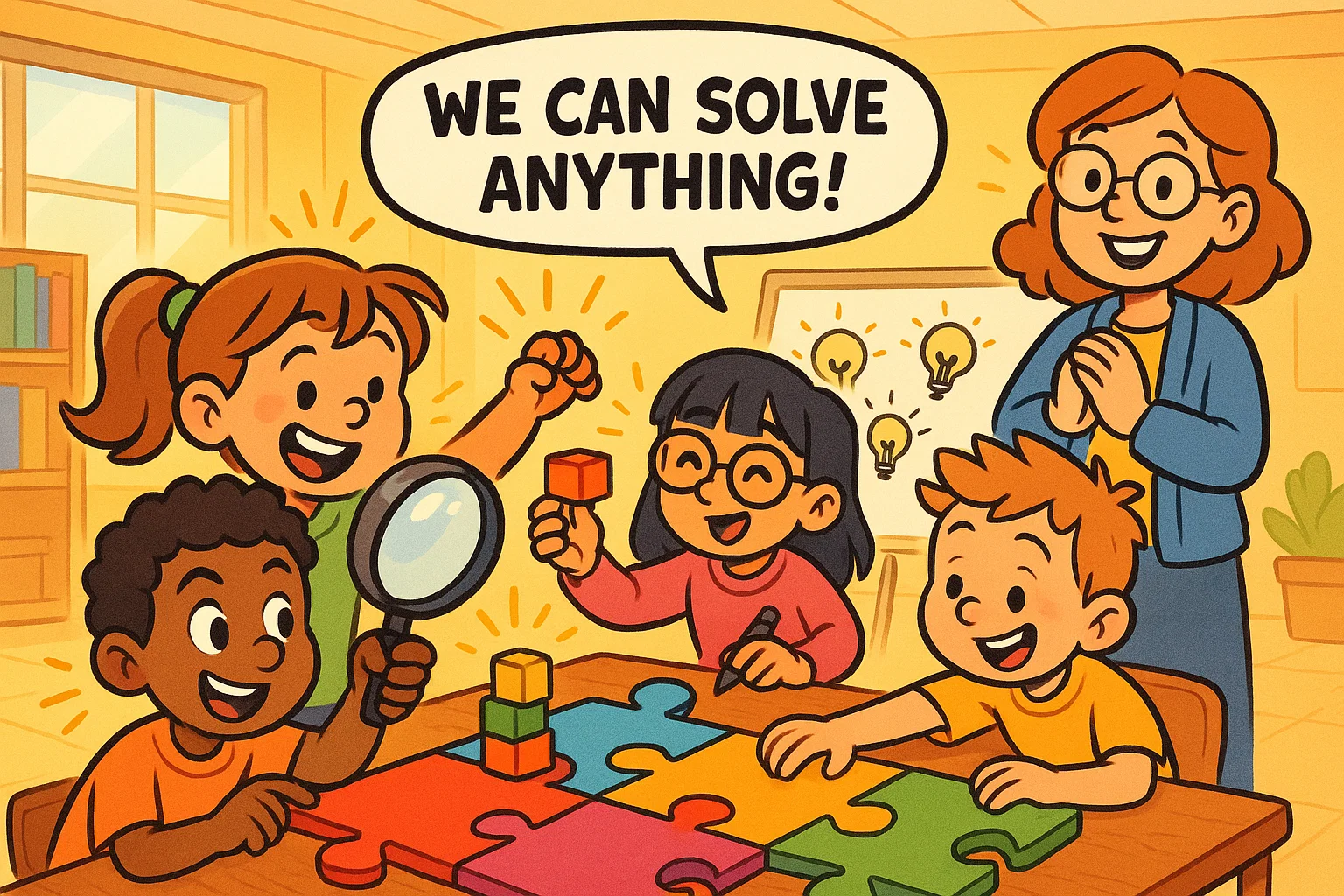
Problem solving activities for preschoolers and school-age kids build critical thinking, creativity, and resilience well before formal learning begins. This article brings together 30+ activities organized by age group — from sensory puzzles and junk model building for ages 3–5 to debates, design sprints, and coding challenges for teenagers.
Activities are grouped by age and setting, including indoor, outdoor, household, and digital options, so you can find a practical match for any day or routine without much preparation.
Key Takeaways
- This article covers 30+ problem solving activities organized by age group, from preschoolers to teens.
- Early years activities (ages 3–5) focus on sensory play, shape patterns, and simple building challenges.
- Primary school ideas (ages 6–10) include detective games, engineering tasks, and team-based scenario challenges.
- Older kids (ages 11–18) can develop skills through debates, design sprints, and escape-style tasks.
- Outdoor, household, and digital options are included so activities fit different settings and everyday routines.
Why Problem Solving Is an Essential Skill for Kids
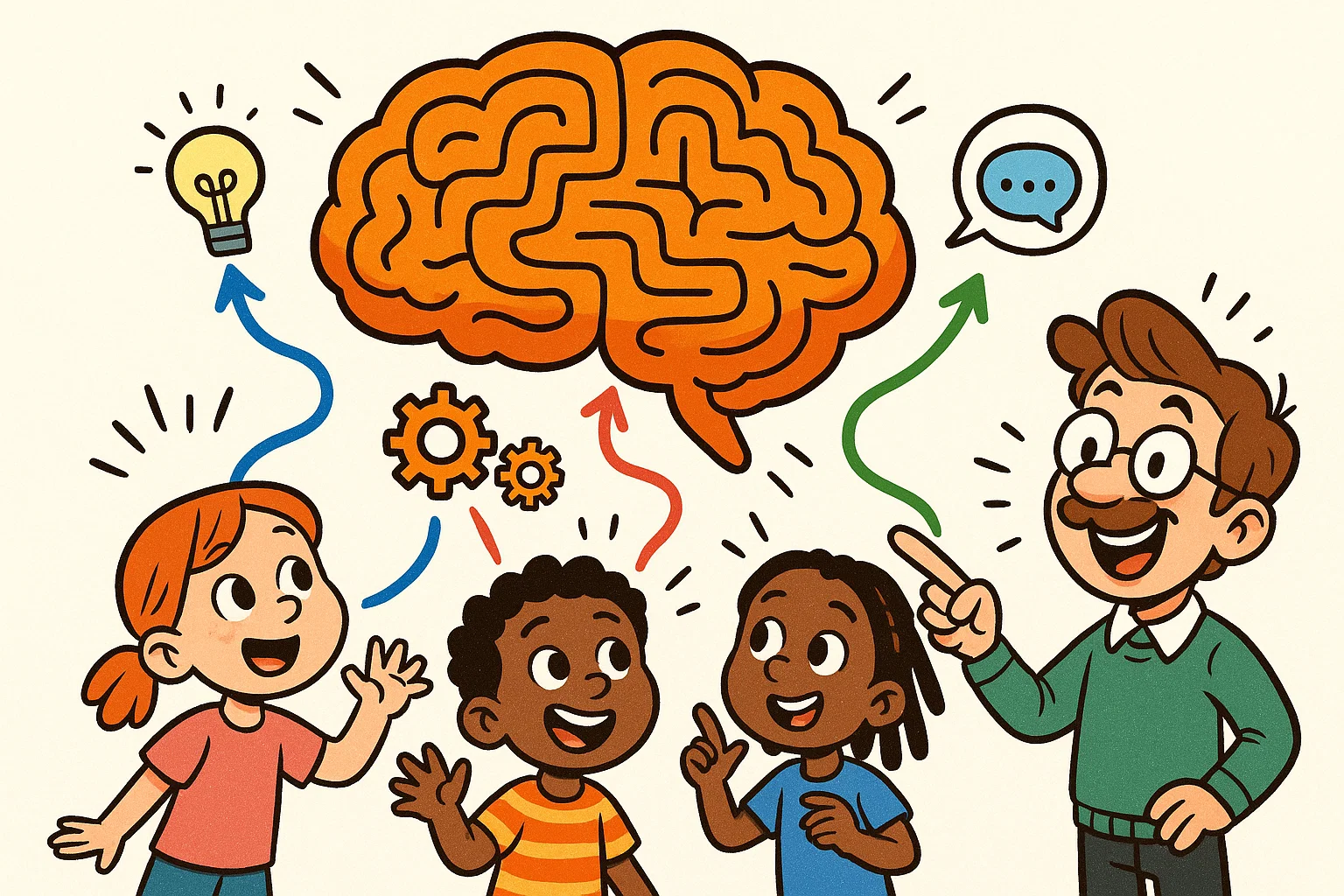
Problem solving skills are the bedrock of cognitive development. They allow children to transition from simply reacting to their environment to actively and strategically engaging with it. When a child attempts to solve a problem, they are simultaneously developing executive functions—the high-level cognitive abilities needed for planning, focusing, and making sound decisions. This holistic growth extends beyond the classroom, shaping their emotional intelligence and social interactions.
Key Cognitive Benefits
The act of trying to solve problems directly fuels rapid cognitive growth. Engaging in problem-solving activities helps children build foundational mathematical understanding and logical thinking and problem-solving skills.
- Develops Logic and Reasoning: Activities like math puzzles or building with blocks train the brain to see relationships, understand cause and effect, and follow a logical sequence of steps.
- Encourages Creative Thinking: When a standard approach fails, the child is forced to think outside the box and come up with an unconventional answer. This is the heart of creative problem-solving.
- Enhances Cognitive Flexibility: Being able to pivot when a solution doesn’t work—a key aspect of resilience—is directly practiced through trial and error. This ability to adjust and adapt is a cornerstone of future success.
Everyday Situations Where Kids Solve Problems
Problem-solving abilities are not confined to academic settings; they are activated dozens of times a day. By helping children recognise their own problem-solving moments, we validate their efforts and nurture their confidence.
| Domain | Example of Problem | Skill Utilized |
| School | Figuring out why a simple machine in a science experiment isn’t working. | Critical thinking, hypothesis testing. |
| Play | How to share a limited number of toys fairly among friends or solve the puzzles in a collaborative game. | Negotiation, teamwork, decision-making skills. |
| Social Life | Dealing with a friend who is upset or trying to get a turn on the swing. | Empathy, communication, finding solutions. |
| Home | Deciding the most efficient way to unpack and sort challenges or making decisions about daily chores. | Planning, organisation, spatial reasoning. |
Role of Adult Support in Developing Skills
Our role as adults is not to instantly provide solutions to problems, but to act as a supportive guide. The goal is to encourage your child to think for themselves. This builds their independence and competence to tackle problems.
- Ask Open-Ended Questions: Instead of suggesting, “Maybe try the red block here,” ask, “What happens if you try a different shape?” or “What tools do you think could help you solve this problem?”
- Validate the Struggle: Acknowledge that the task is hard (“I see you’re finding this difficult”) but express confidence in their ability (“I know you can figure it out if you keep trying”). This fosters resilience.
- Model the Process: When you face a minor daily setback (e.g., a crossword puzzle, a lost key, a burnt dinner), narrate your problem-solving process aloud. Let them hear you brainstorm and think critically.
How Kids Solve Problems Step by Step
A structured, yet flexible, approach can turn a daunting challenge into a manageable process. Teaching children a simple sequence helps them stay organised and confident as they learn how to solve problems.
Spotting the Challenge
The first step in problem-solving is clearly defining the issue. Young children often react emotionally before logically assessing the situation.
- Identify the Problem: Help your child name the specific problem. Is the tower too wobbly? Is the remote out of reach? Is the math equation confusing?
- Focus on Facts: Ask “What do we know?” and “What do we need to know?” This helps them separate feelings from the factual nature of the obstacle.
Brainstorming Ideas
This stage should be joyful, imaginative, and free of judgment. The goal is quantity over quality.
- The “Silly Solutions” Rule: Encourage your child to suggest everything—even the silliest ideas. A lighthearted approach makes it safe to propose unconventional answers.
- Mind Mapping or Drawing: For visual learners, drawing or sketching out potential approaches can be an effective way to generate possibilities.
Testing Solutions in Real Scenarios
This is where children develop resilience through practice. They learn that failure is merely information, not a final outcome.
- Choose and Try: Have the child select the idea they think is most likely to succeed and try it.
- Evaluate and Learn: Ask, “What did that attempt teach us?” or “How did that bring us closer to finding solutions?” This cycle of trial and error builds solid independent thinking.
Problem Solving Activities for Early Years (Ages 3-5)
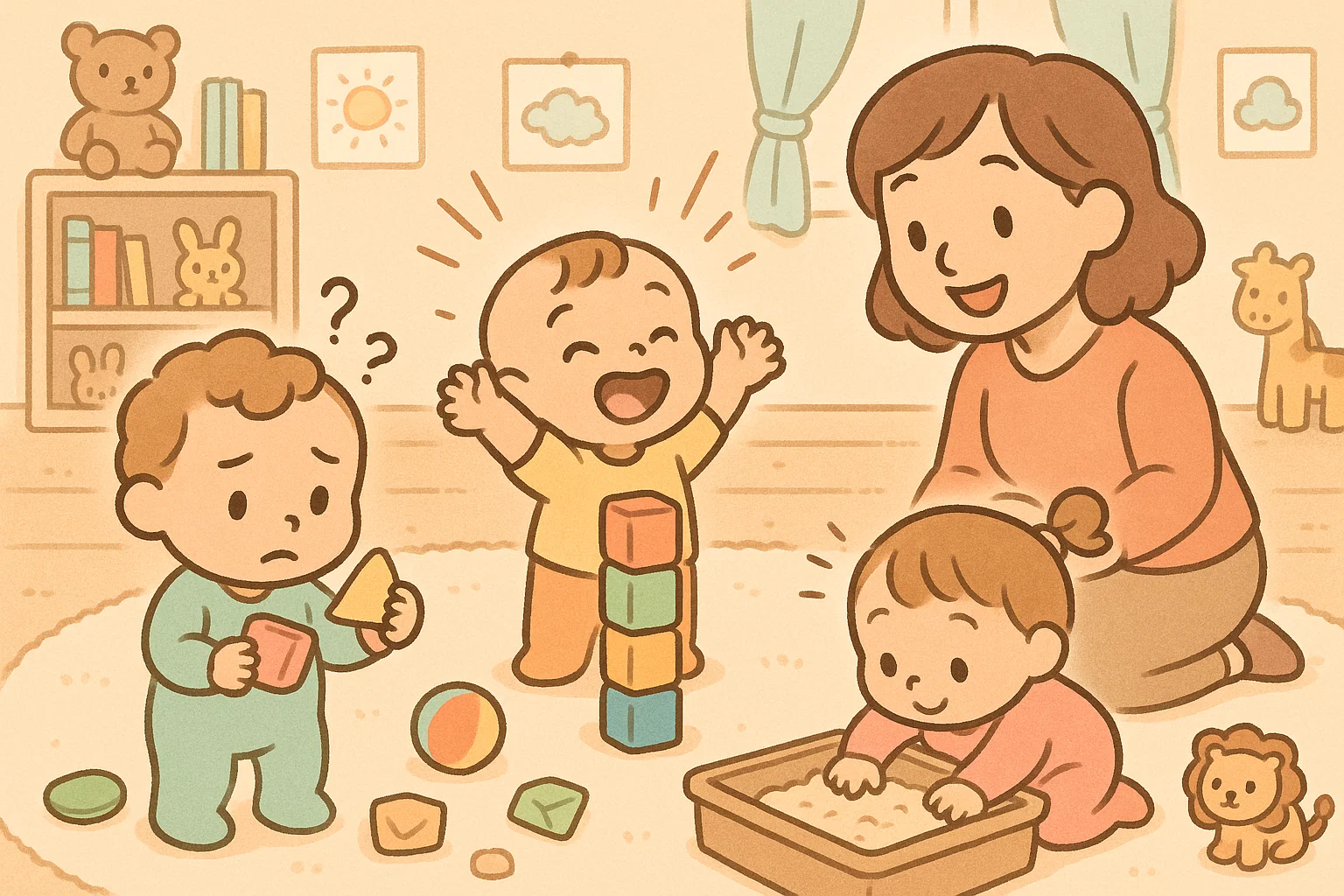
For pre-schoolers and those in early primary school, activities should be highly sensory, hands-on, and focused on basic relationships and spatial awareness.
Junk Model Building
Providing recycled materials—cardboard boxes, toilet rolls, bottle caps—offers a fantastic creative problem-solving opportunity.
- The Challenge: Challenge them to build a home for a favourite action figure or a specific vehicle using only the junk and tape.
- The Skills: This encourages decision-making skills about what materials will be stable, planning the sequence of assembly, and spatial reasoning.
Shape and Pattern Play
Simple sorting and sequencing games build foundational logic.
- Using Shape Sorters: More than just matching, timing their attempts to get the block in the hole helps develop motor planning and perseverance.
- Pattern Blocks: Creating or completing simple colour or shape patterns—such as red-blue-red-blue—teaches kids to recognise relationships and predict the next element.
Sensory Puzzles and Container Challenges
These low-tech activities foster cognitive development and an understanding of cause and effect.
- Transferring Tasks: Give them a sponge and two bowls of water (one full, one empty) and challenge them to move all the water without spilling.
- Simple Logic Puzzles: Introduce very basic wooden or interlocking puzzles that focus on matching shapes and colours.
Problem Solving Activities for Primary School (Ages 6-10)
As children’s cognitive abilities mature, activities should focus on multi-step reasoning, collaboration, and abstract thought.
Detective Game
Mystery-based tasks teach logic and deduction in an engaging context.
- The Mystery: Create a simple mystery—who ate the last biscuit? Where did the teddy bear go?
- The Process: Give them a set of clues (teaser riddles, simple cyphers, or physical evidence) that they must piece together to solve the puzzles. This is a great activity for practising sequential thinking.
Team-Based “Help Someone Out” Challenges
These challenges strengthen teamwork and strategic thinking through cooperative problem-solving.
- The Challenge: Present a scenario where a toy is stuck on a high shelf, or a younger sibling needs a specific item moved across the room without using their hands. The team must brainstorm and execute the plan. This actively encourages teamwork.
“What If…” Scenario Games
Imaginary situations help kids develop flexible thinking and decision-making skills.
- Example Scenarios: “What if the school playground turned into a swamp overnight?” or “What if all the electricity went out for a week?” Encouraging children to discuss their survival or solution plans develops quick, creative responses.
Build-and-Test Engineering Tasks
These provide direct experience with physics and engineering principles.
- Challenge: Using limited materials (straws, tape, paper clips), challenge them to build the tallest freestanding tower or a bridge that can hold a certain weight. They learn how to solve problems through repeated experimentation.
Problem Solving Activities for Older Kids (Ages 11-18)
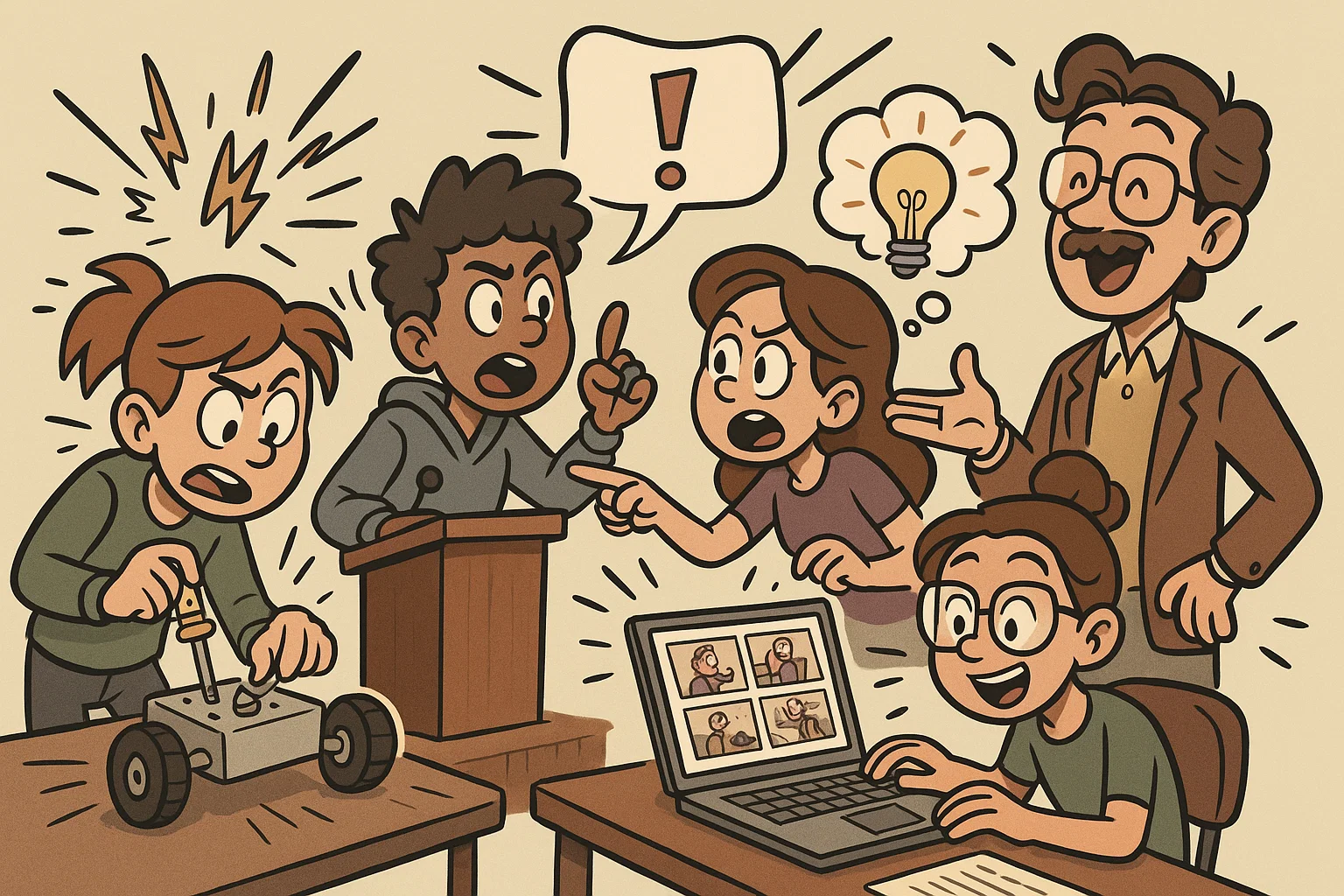
This age group thrives on complexity, abstraction, and real-world relevance. These activities suit increasing academic demands and preparation for skills for the future.
Debates
Structured arguments encourage logic, research, and perspective-taking.
- The Focus: Assign a complex, age-appropriate topic (e.g., “Should school be year-round?” or “Pros and cons of social media”).
- The Skill: Participants must anticipate counter-arguments and logically structure their points, refining their ability to think critically.
Design Sprints
These short, focused cycles are ideal for problem-framing and rapid solution testing, mimicking professional innovation.
- Outline: Present a real-world problem (e.g., traffic congestion near the school) and give them a limited time (e.g., 90 minutes) to define the problem, brainstorm solutions, and create a low-fidelity prototype or sketch of their idea.
Escape Tasks and Scavenger Hunts
These multi-stage challenges train reasoning under pressure and require students to solve puzzles in sequence and within a set time limit.
- Creating a DIY Escape Room: Use a combination of math puzzles, logical ciphers, and physical locks that must be opened in order. This is a great activity for combining different types of thinking skills.
Outdoor and Physical Problem Solving Activities
Incorporating gross motor skills and nature enhances learning and growth. These activities often require strategic planning of movement and collaborative communication.
Obstacle Courses
Physical challenges require strategic planning of movement, strengthening spatial reasoning and quick decision-making skills.
- The Setup: Use common objects (pillows, ropes, garden furniture) and challenge your older kids to navigate the course under specific rules (e.g., “only touching red objects” or “one foot must remain on the ground at all times”).
Minefield or Guided Navigation Games
These require acute spatial reasoning and communication.
- The Game: Set up a ‘minefield’ of objects on the floor. One player is blindfolded and must cross the ‘field’ relying solely on the verbal instructions of their partner. This actively encourages teamwork.
Household Problem Solving Activities Kids Can Try Anytime
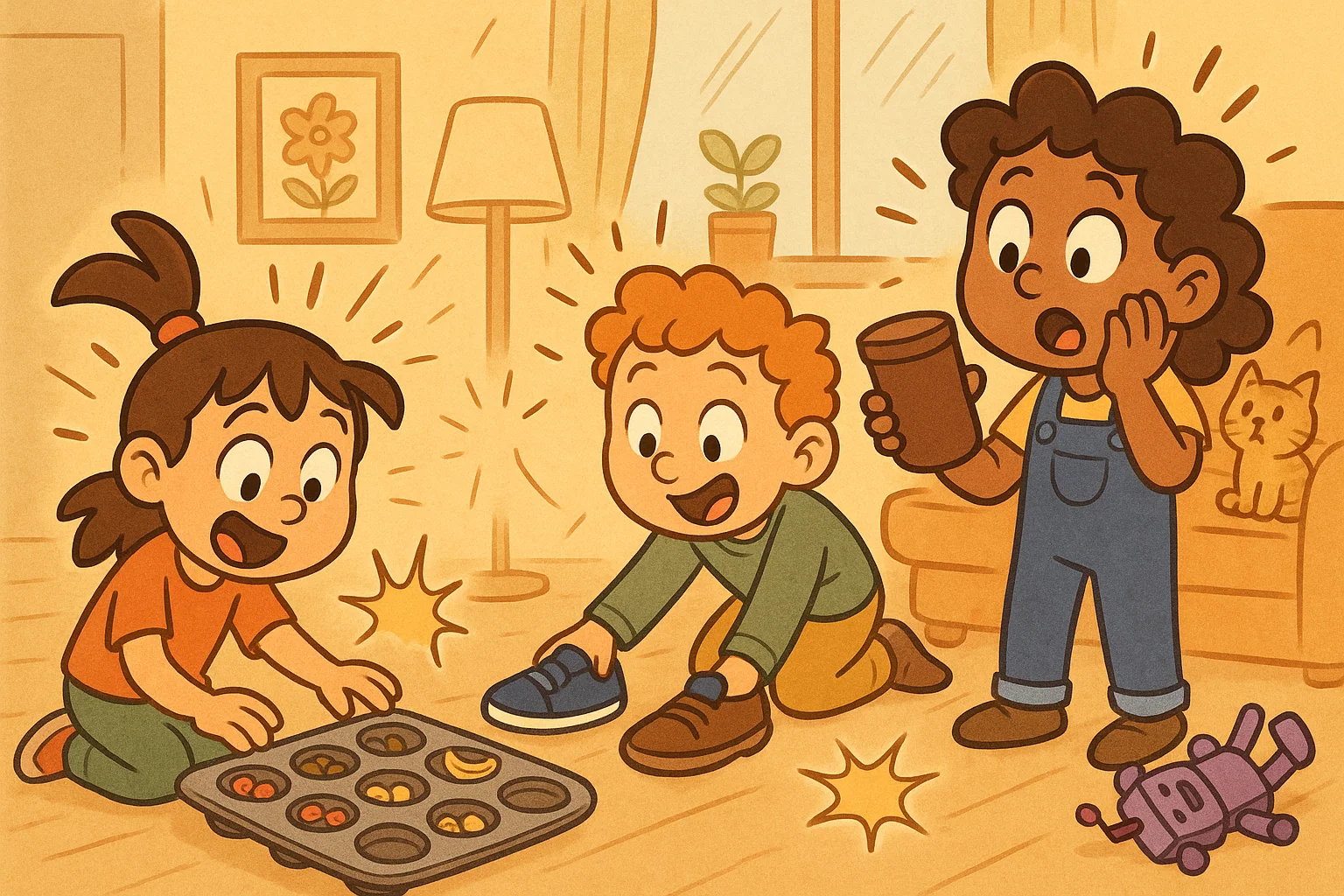
Turn everyday chores and tasks into opportunities for problem-solving strategies. These are practical, low-prep ways to build skills.
Measuring with Everyday Items
This simple activity develops estimation and comparison skills, vital for mathematical thinking.
- The Task: Challenge them to build a line the same length as the kitchen table using only shoes, spoons, or building blocks. Ask them to estimate the number of items first, then compare their estimate to the actual count.
Cooking and Baking
Following a recipe is a perfect, sequential problem-solving activity.
- The Skills: Measuring ingredients, adjusting for errors (e.g., too much flour), and timing the process all involve precision, sequencing, and mathematical skills.
Digital Activities for Developing Problem Solving Skills
In the modern age, screen time can be repurposed for productive learning and skill-building. Digital tools offer structured environments for experimentation.
Age-Appropriate Coding Puzzles
Coding introduces children to algorithmic thinking—the step-by-step logic needed to solve a problem.
- Apps: Simple programming apps (often block-based) allow children to design a sequence of commands to get a character to navigate an obstacle or complete a task. This develops strong logic-building skills.
Virtual Simulations and Interactive Games
Digital escape room games or strategic simulation games introduce structured problem-solving tasks and the consequences of making decisions.
FAQs About Problem Solving Activities for Kids
Best activities for different age groups
The best approach is to match the activity to the child’s developmental stage.
| Age Group | Focus of Activities | Recommended Examples |
| Preschool/Young Kids (3-5) | Sensory, cause-and-effect, simple logic, motor skills. | Shape sorters, building blocks, simple puzzles, cooking and baking. |
| Primary School (6-10) | Sequential reasoning, teamwork, creativity, logic games. | Detective games, obstacle course, math puzzles, build-and-test challenges. |
| Older Kids (11-18) | Abstract thinking, debate, time pressure, real-world application. | Design sprints, digital escape room challenges, community projects. |
How long activities should last
Duration should be based on engagement and attention span, not an arbitrary clock.
- Young Kids: Keep it short (5-10 minutes) and highly focused. The moment frustration sets in, step back and offer a prompt, or try again later.
- Older Kids: They can handle sustained tasks (30-60 minutes) but will benefit from clear time boundaries, especially for team challenges (“You have a set time—45 minutes—to complete this part”).
How often kids need practice
Problem solving skills should be a daily occurrence, integrated naturally rather than treated as a separate subject.
- Daily Integration: Encouraging children to help plan a trip, figure out a tricky storage solution, or manage their own schedules are all ways to provide opportunities for problem-solving moments. Consistent, low-stakes exposure is far more effective than occasional, high-pressure drills.
The goal is to provide your child with the toolkit they need to face challenges with confidence, knowing they have the ability to think creatively, explore options, and successfully solve problems.

Take a short quiz to find out what your everyday choices say about your parenting style
When your child is curious about something new, what’s your instinct?
Take a short quiz to find out what your everyday choices say about your parenting style
“Can I download this app?” What happens next?
Take a short quiz to find out what your everyday choices say about your parenting style
When it comes to rules at home, which sounds most like you?
Take a short quiz to find out what your everyday choices say about your parenting style
If you could give your child one life skill today, what would you pick?
Take a short quiz to find out what your everyday choices say about your parenting style
Your child gets to choose what to watch. What would your ideal setup look like?
Take a short quiz to find out what your everyday choices say about your parenting style
Pick your parenting superpower ✨