Remembrance Day Activities for Kids: Honoring History with Heart and Reflection

 Discover a Free Education Video App for Kids
Pastory uses AI to personalize educational video content based on your child’s interests and personality. Safe, engaging, and built for curious young minds. Sign up now to stay updated and enjoy early access with a free trial
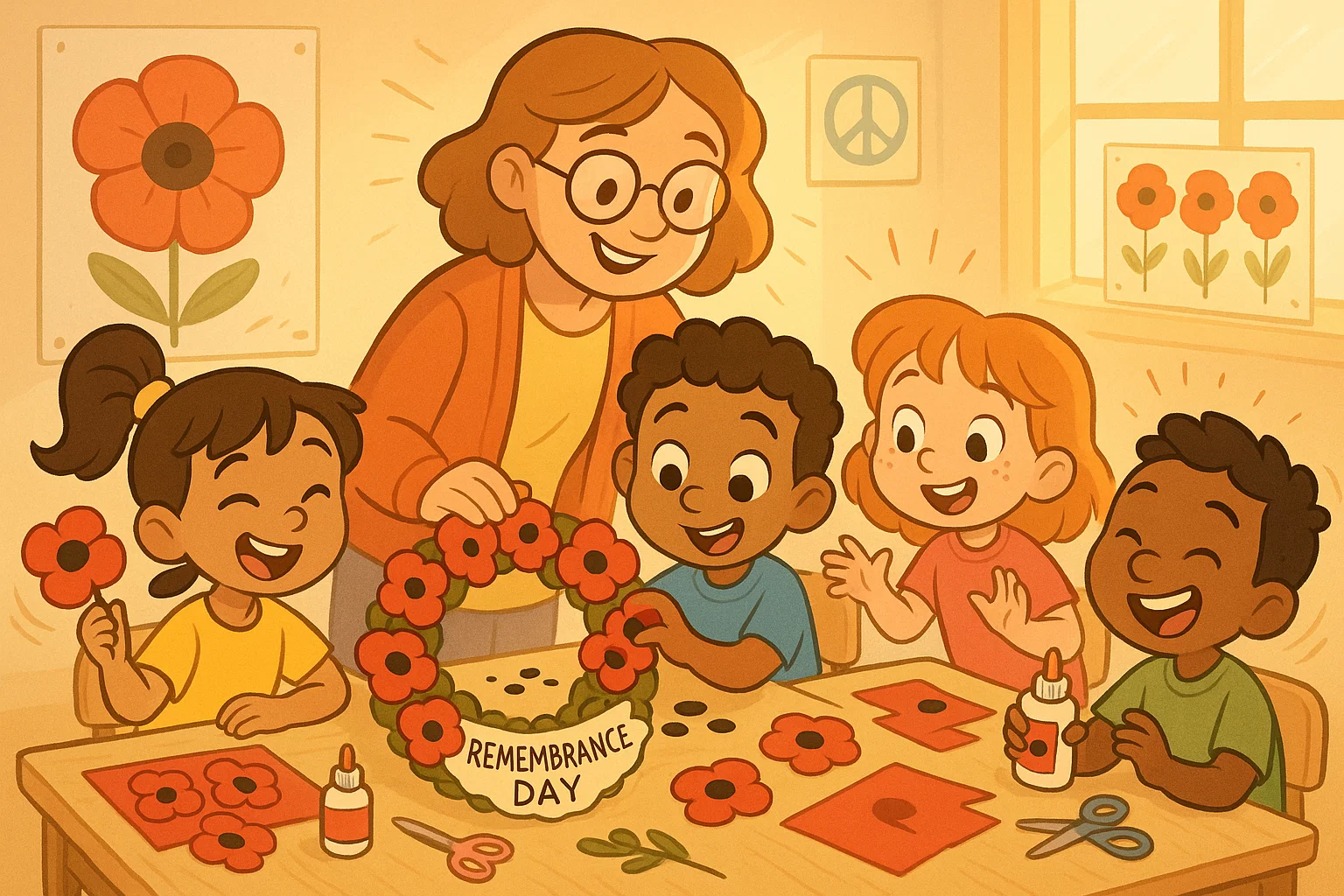
Remembrance Day, also known as Armistice Day, is a pivotal moment in the calendar year, offering a vital opportunity to teach children about history, sacrifice, and the profound value of peace. Observed annually on 11 November, it marks the date the armistice was signed in 1918, bringing an end to the First World War. This article offers a comprehensive, age-appropriate guide for parents and educators, featuring engaging Remembrance Day activities suitable for both home and school settings.
Whether you are seeking simple poppy crafts for EYFS (Early Years Foundation Stage) or deeper reflective projects for KS1 and KS2 pupils, we have curated learning resources that align with developmental milestones. Our goal is to help you introduce this significant day in an age-appropriate way, fostering empathy and understanding through hands-on projects, storytelling, and creative reflection.
Meaning of Remembrance Day for Kids
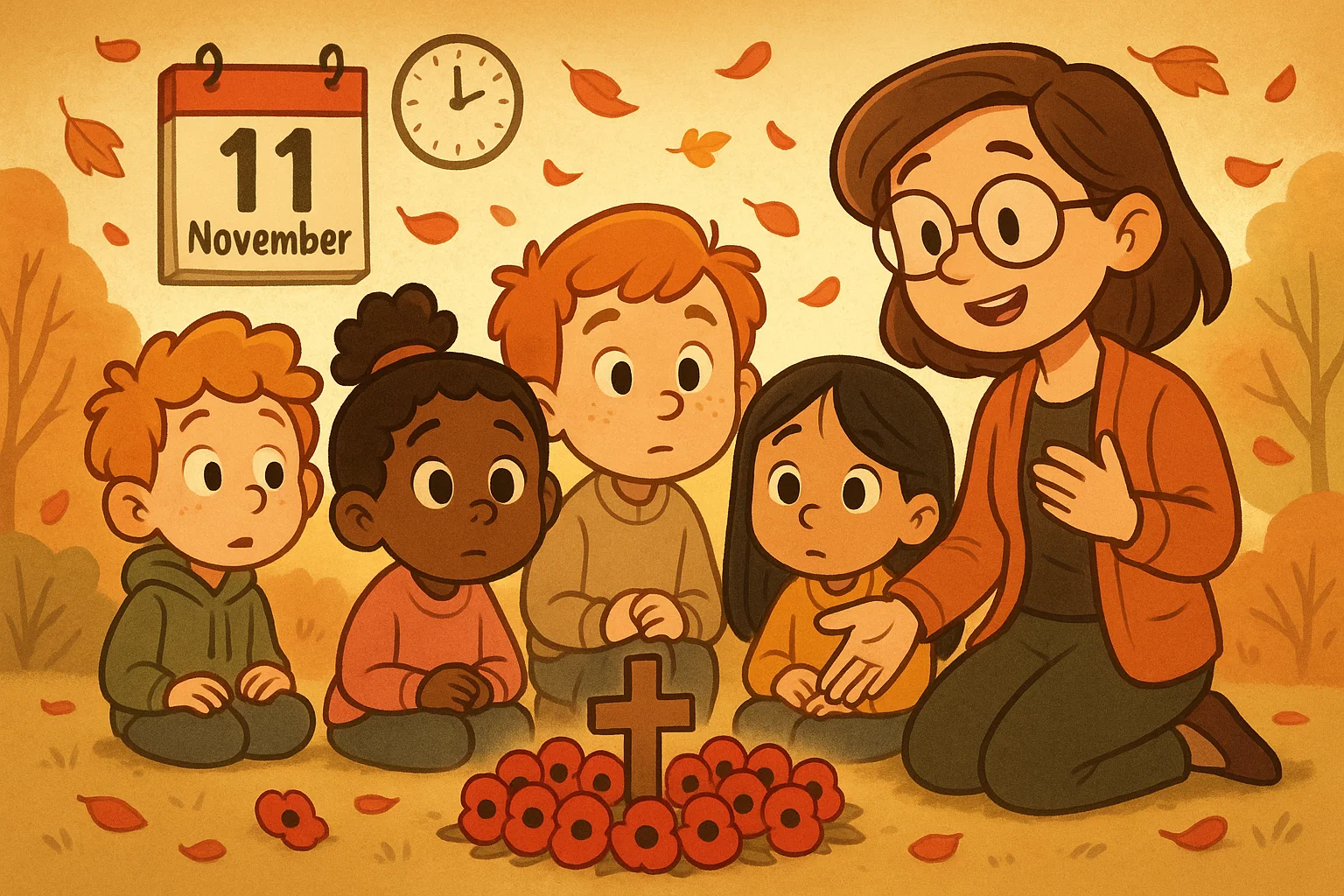
The core purpose is to commemorate the sacrifices made by the armed forces and civilians in conflicts, particularly the First World War and Second World War. While the subject matter is serious, introducing it gently and focusing on themes of courage, community, and the desire for peace allows children to take part meaningfully.
The Purpose of Commemoration
Remembrance Day, and the Sunday closest to it, Remembrance Sunday, are not about celebrating war. They are about honoring the memory of those who lost their lives and those who served their country in the line of duty. The commemoration focuses on gratitude for peace and a solemn promise to remember. The moment of silence, often observed at 11 am on the 11th day of the 11th month, represents the eleventh hour of the eleventh day of the eleventh month in 1918 when the armistice took effect.
| Key Concept | Age-Appropriate Explanation |
| Remembrance | “It means to stop and think about the brave people who helped us.” |
| Armistice | “It’s a special promise to stop fighting, like saying ‘truce’ but for countries.” |
| Sacrifice | “Giving up something important, sometimes even their lives, to help others be safe.” |
| Peace | “What we hope for – everyone getting along and being safe and happy.” |
Key Symbols of Remembrance Day
Introducing the core symbol of remembrance through visual cues makes the concept concrete for young learners.
- The Red Poppy: The most recognized symbolism of the poppy stems from the poem Flanders Fields. The bright red flower (often the red poppy) grew resiliently on the scarred battlefields of Flanders and became a poignant reminder of the blood shed. Organisations like the Royal British Legion sell them to raise money for veterans.
- Wreaths: The wreath is a circle, which symbolises eternity and endless memory. Poppy wreaths are often laid at a war memorial by members of the armed forces and veterans.
- War Memorials: These are structures built in towns and villages across the UK and Commonwealth to list the names of those who died. They are a physical place to reflect.
- Two-Minute Silence: A quiet, reflective moment when we collectively pause to think about those who lost their lives.
Age-Appropriate Ways to Talk About the Day
Teaching Remembrance Day in an age-appropriate way is crucial. Tone and emotional sensitivity are key tools.
Preschoolers (EYFS)
Focus on the colours (red, green, black) and the simple shape of the poppy. Talk about ‘helping’ and ‘thank you’. Use stories that focus on kindness, community, and peace, avoiding graphic details. Simple craft activities like tearing paper to create a poppy support fine motor skills.
Primary School Children (KS1/KS2)
- KS1 (Ages 5-7): Introduce key facts about the end of the war and the 11th month in 1918. Discuss that people wore the poppy to show they were thinking of the helpers. Focus on stories of bravery.
- KS2 (Ages 7-11): Introduce the significance of Remembrance Day with more historical context, discussing the First World War and the concept of service. Use maps to show where Flanders is. Discuss the British Legion’s work. Use creative writing or reflection journals.
When Remembrance Day Takes Place
Remembrance Day is fixed on 11 November every year. In Britain and the Commonwealth, we also observe Remembrance Sunday, which is the second Sunday in November. Schools often hold special assemblies or activities in the preceding week. The specific moment is the eleventh hour of the eleventh day of the eleventh month.
Poppy Crafts for Kids
Hands-on craft projects are excellent Remembrance Day activities for kids that allow them to process the symbolism visually and tactilely.
Simple Paper Poppies
These are perfect activities for EYFS and KS1, building their fine motor skills.
- Cut out red card or tissue paper in a rounded shape for the poppy.
- Use a small black circle for the centre (fingerprinting works well!).
- Attach a green pipe cleaner for the stem.
- Tip: Encourage younger children to tear the red paper instead of cutting it to create a more organic, textured petal effect.
Loose-Parts Poppy Projects
Using varied materials taps into sensory learning and encourages creativity.
| Materials | Age Group Focus | Sensory Benefit |
| Red buttons, beads, or small stones | EYFS, KS1 | Texture, weight, sorting, and pattern-making. |
| Red bottle caps or cardboard rolls | KS1, KS2 | Upcycling, structure, and 3D creation. |
| Red felt or fabric scraps | All Ages | Softness, tactile exploration, and sewing practice. |
Example: Children can glue the loose parts onto a plain white or green circle base to form a textured poppy.
Poppy Art for KS1 and KS2
Older kids can tackle more complex art tasks.
- Silhouette Poppies: Paint a sunset-colored background (yellow, orange, red) and once dry, paint a black silhouette of poppies and grass on the bottom half.
- Mixed Media: Create a collage using scraps of newspaper (digital learning articles about history work well), paint, and textured materials to depict a scene from Flanders or a simple poppy field.
Classroom Display Poppy Wreaths
A collaborative poppy wreath is a powerful visual representation of community and collective memory.
- Cut a large circular base (like a bicycle tyre or cardboard ring).
- Each child creates one red poppy using their chosen craft method (paper, fabric, plasticine).
- The class then works together to glue or pin their individual poppies onto the base. This becomes a beautiful shared remembrance display.
Storytime, Books and Discussions
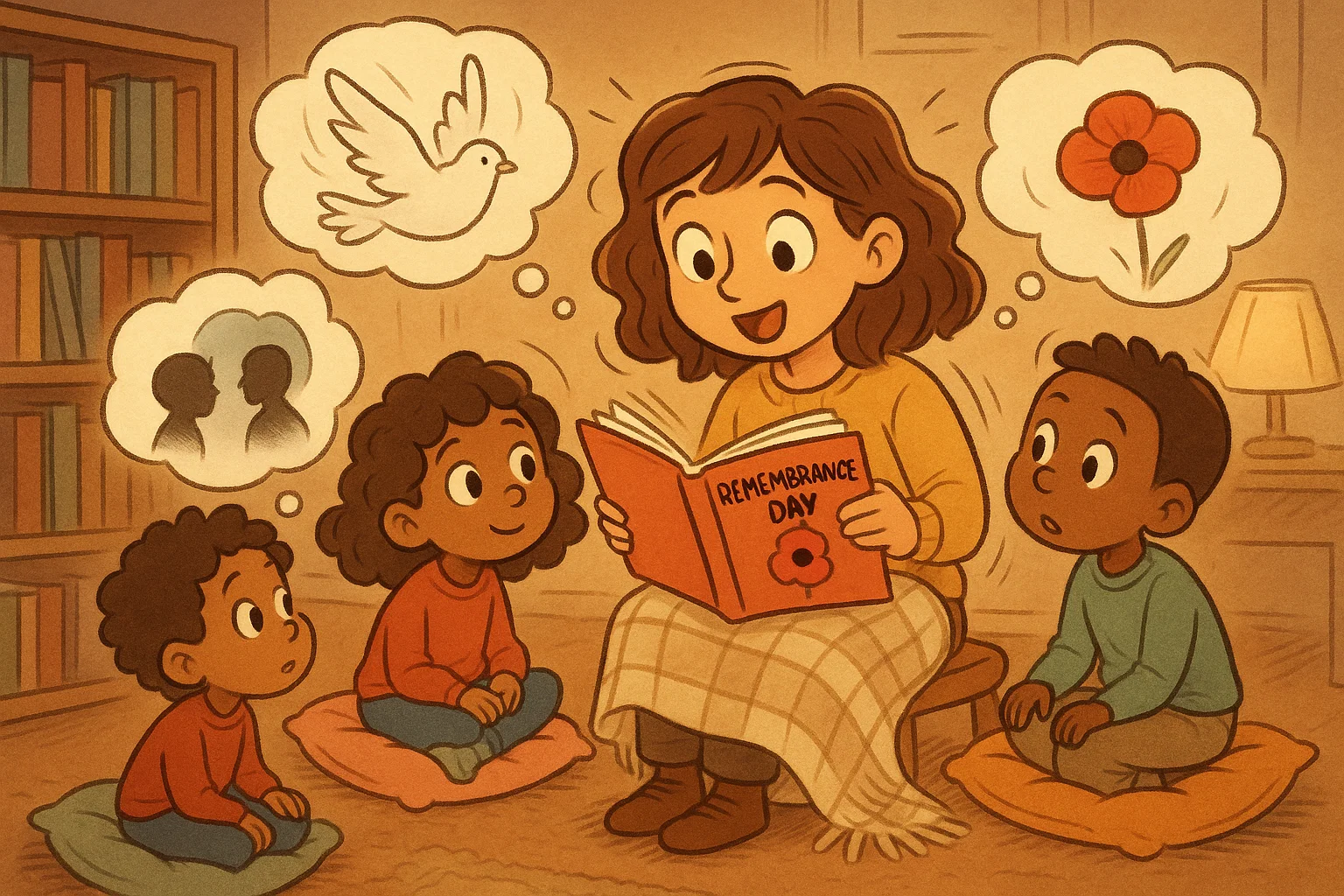
Storytelling is an invaluable way to deliver complex historical and emotional themes in an accessible, gentle format.
Picture Books for Younger Children
For KS1 and younger children, select books that:
- Focus on themes of peace, friendship, and helping.
- Feature the red poppy and its connection to nature.
- Use simple language and gentle illustrations.
- Tip: Always pre-read a book to ensure the content is appropriate and does not contain frightening or overly distressing imagery. Start the session with a calm-down activity to ensure emotional readiness.
Reflection Tasks After Reading
Following a story, a quiet task can help children absorb the lesson.
- Drawing: Ask children to draw something that makes them feel happy, or draw a picture of a place where they feel safe and peaceful.
- Simple Statements: Guide them to complete a sentence: “I remember…” or “I am thankful for…”
KS2 Story Projects
Older kids can delve into deeper literacy tasks and creative writing.
- Diary-Style Writing: Ask them to imagine they are a child living in 1918 and write a diary entry about the day the armistice was signed.
- Historical Research: Use free teaching resources or the Imperial War Museum website to research a real person, veteran, or historical event associated with the First World War or Second World War.
Creative Classroom Activities for Remembrance Day
These unique learning tasks integrate art, history, and literacy for a memorable lesson.
Mosaic Poppies and Pattern Art
- Draw a large poppy outline.
- Using tiny squares of red, black, and green paper, children fill in the sections like a mosaic, focusing on pattern and colour-blocking. This can be adapted into a day printables worksheet.
Mason Jar Lanterns
The use of light is a symbolic way to honor those who lost their lives.
- Take a clean mason jar or clear glass container.
- Glue pieces of tissue paper (red, yellow, black) onto the outside to resemble a poppy field or a simple poppy shape.
- Place a battery-operated tea light inside.
- The lanterns can be used during a quiet reading session or assembly. (Always use battery-operated lights for safety in a classroom setting!)
Symbolic Garden Activities
Creating a day to remember gardens can be an impactful collective activity.
- Outdoor Garden: Plant red flowers or bulbs to bloom near November every year.
- Indoor Garden: Use craft materials to create a poppy garden. Each child writes a message of peace or gratitude on a small wooden stick or craft-material leaf and ‘plants’ it next to their crafted poppy.
Simple Songs for Early Years
Gentle, repetitive songs can aid memory and participation for EYFS children. Many traditional nursery rhymes can be adapted to focus on kindness, like “If You’re Happy and You Know It, Shout ‘Peace!’” The key is a soft tone and a collective, respectful action.
Poetry Activities for Kids
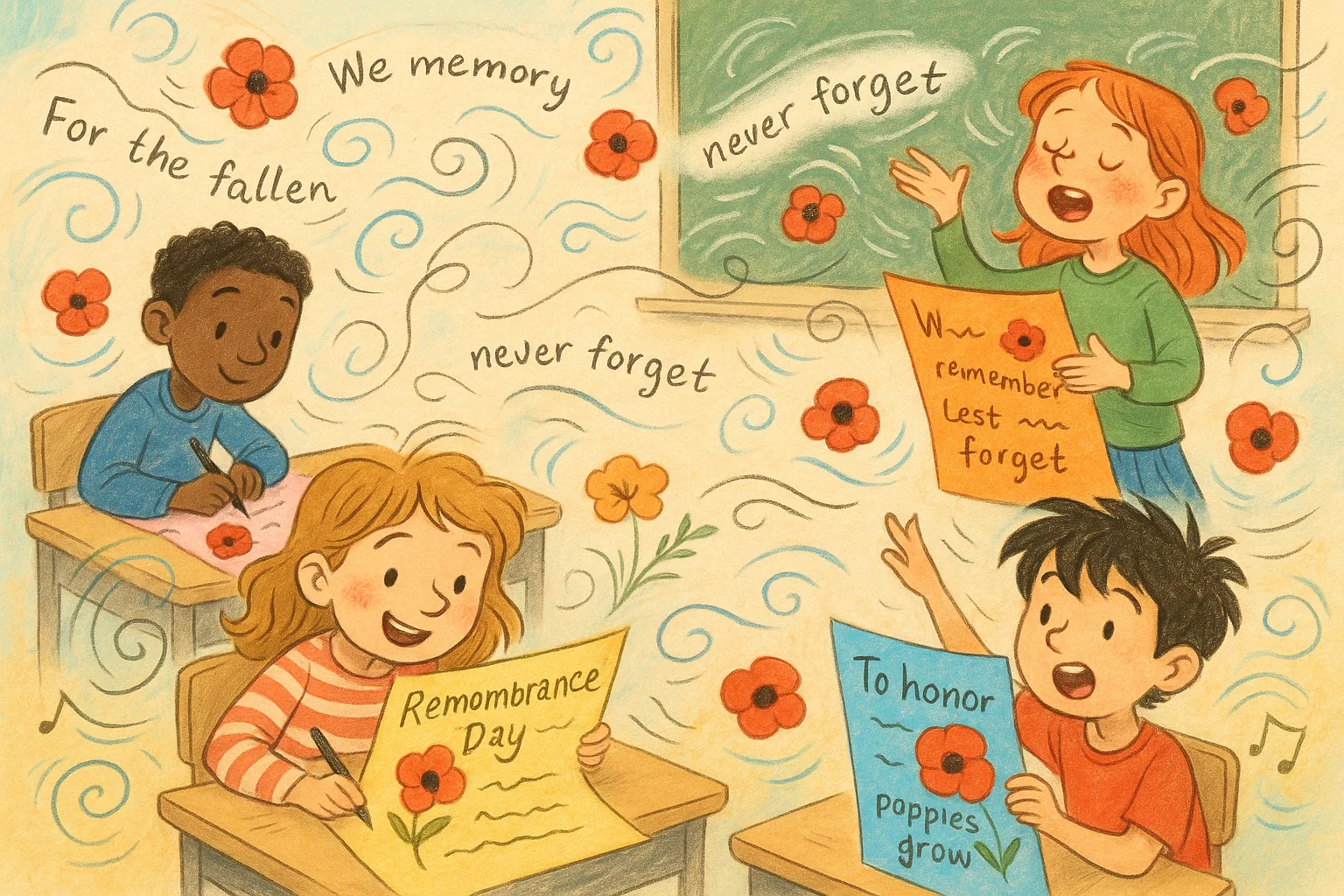
Poetry allows children to engage with the emotional weight of Remembrance Day in a controlled and beautiful way. The famous poem In Flanders Fields by John McCrae is the classic inspiration.
KS1 Poetry Prompts
- Acrostic Poems: Use the letters of P.O.P.P.Y or PEACE to start each line.
- Guided Sentences: Use fill-in-the-blank style worksheets, for example: “The poppy is the colour of ______. The poppy reminds me of ______.”
- Simple Repetition: Create a poem with a simple, repeating line like, “We wear a poppy, we remember them.”
KS2 Poetry Themes
Older kids can explore deeper, more complex themes:
- Courage and Hope: Write about what courage looks like or what hope for the future feels like.
- The Two-Minute Silence: Write a poem describing what they think about during the two-minute silence at 11 am.
- Letters Home: A creative writing exercise – writing a poem in the voice of a soldier sending a hopeful message home.
Remembrance Day Activities by Age Group
Tailoring teaching resources to specific developmental stages ensures maximum engagement and comprehension.
EYFS Activities (Early Years)
- Sensory Poppies: Play-Doh activities using red and black to create simple poppies, focusing on the texture and colors.
- Storytime: Read a picture book about a gentle theme like friendship or gratitude.
- Group Act: A simple, quiet circle time where children hold hands to signify togetherness.
KS1 Activities
- Basic History: Introduce the end of the First World War using a simple timeline showing its beginning and end (1914–1918).
- Guided Conversations: Discuss the work of the British Legion’s and why they sell poppies.
- Poppy Crafts: Focus on simple, cut-and-paste crafts and finger painting.
KS2 Activities
- Advanced Crafts: Creating 3D paper sculptures or using wire to form poppies.
- Research Projects: Using digital learning to find out about a local war memorial or a significant event.
- Memorial Writing: Writing a fictional letter or short speech honoring the fallen soldiers.
Community and School Events
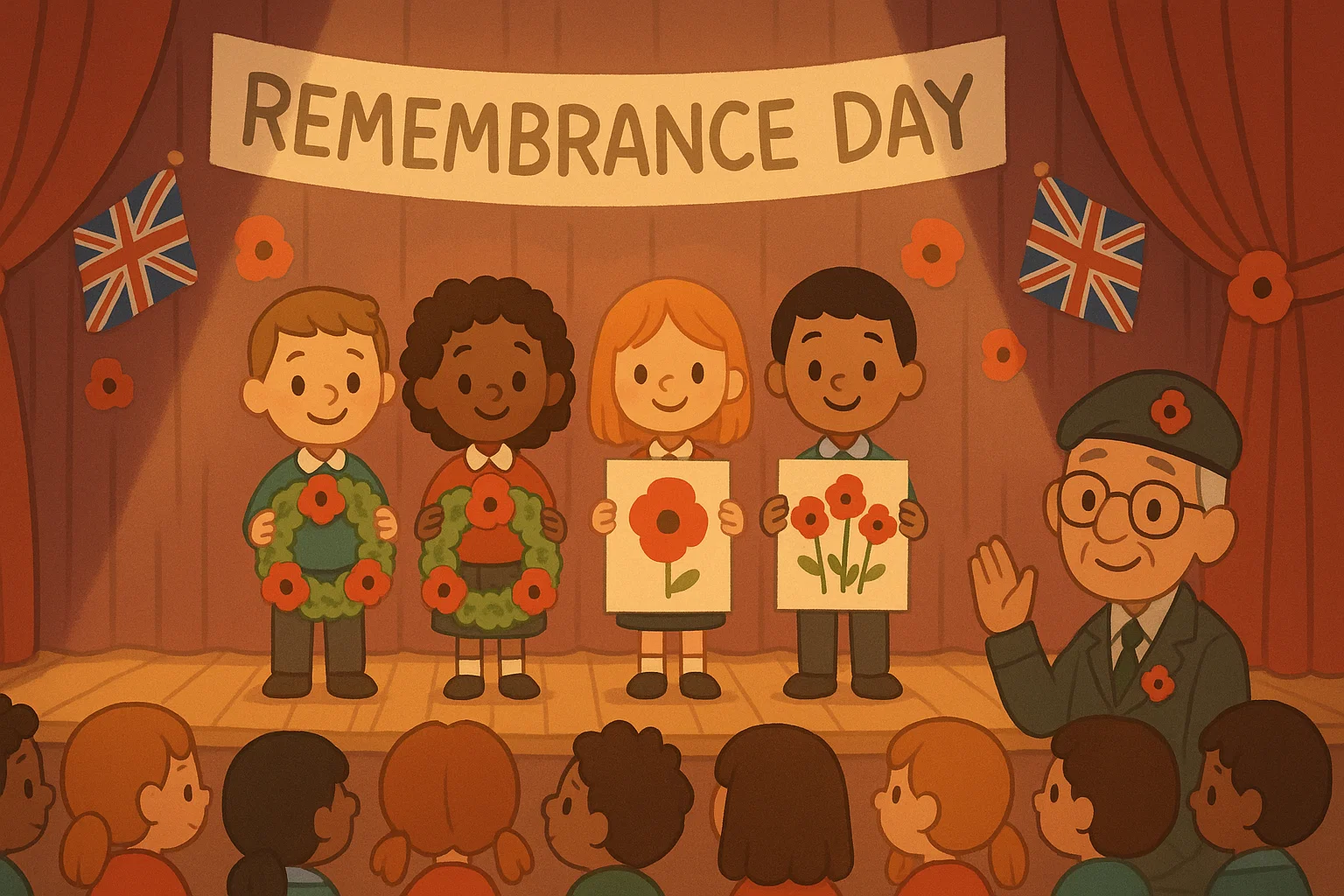
Engaging in broader community activities helps children understand the national significance of the day.
Watching School Assemblies
School assemblies, often held on the 11th November, provide a structured setting for a shared moment of respect.
- Content: An appropriate assembly will include readings of poetry, the playing of “The Last Post,” and the two-minute silence.
- Preparation: Teachers should prepare students by explaining what will happen and the importance of being quiet and respectful during the moment of silence.
Visiting War Memorials or Museums
A field trip offers concrete context for history lessons.
- Learning: Children see the names and realize the scale of the sacrifices. The Imperial War Museum offers excellent child-focused exhibits.
- Follow-up: Children can draw the memorial or write a short reflection about the experience.
School or Community Fundraising Activities
The Royal British Legion’s annual poppy appeal is a great way to involve children.
- Poppy Sales: Older kids can help organize and sell poppies.
- Charity Challenges: A sponsored walk or gentle challenge connected to the distance troops travelled. This connects the symbolism of the poppy to practical help for veterans.
Baking and Creative Home Activities
Family time can be used to incorporate the theme of remembrance day into everyday life.
Making Anzac Biscuits
These traditional biscuits are closely linked to the Australian and New Zealand Army Corps (ANZAC) and are a perfect home learning activity.
- History: The biscuits were designed to last a long time when shipped to soldiers overseas during the First World War.
- Activity: Making them at home is a fun, child-safe task. The action of making something to honor past efforts connects the theme to practical effort.
Home Craft Projects
Creating a small, personal display is a lovely way for families to commemorate.
- Wreath-Making: Creating a small poppy wreath for the front door.
- Painting Stones: Painting smooth stones with poppies and placing them in a garden or windowsill.
Tips for Teachers and Parents
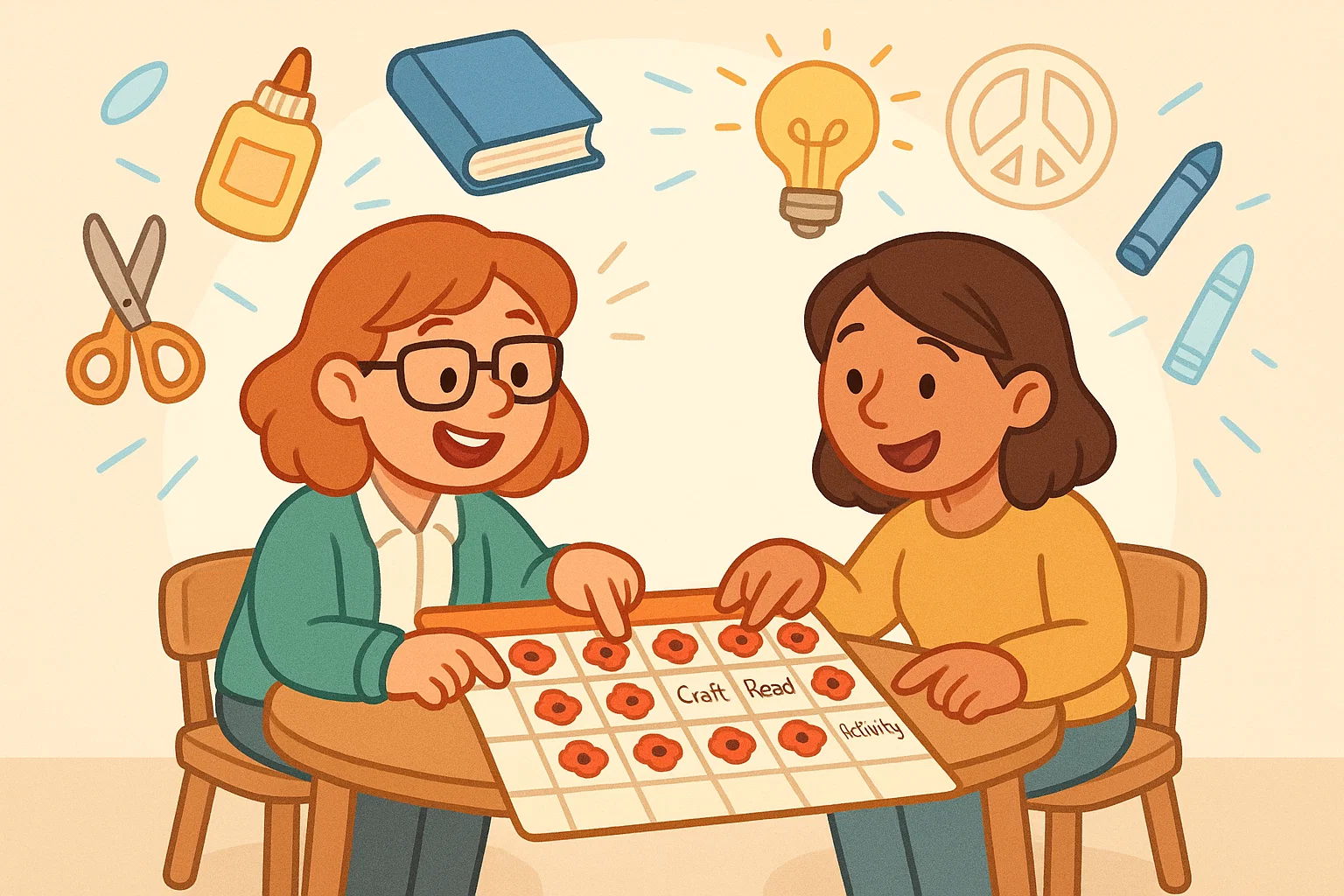
Handling a sensitive topic requires thoughtful planning and a supportive environment.
Creating Safe and Inclusive Lessons
- Gentle Approach: Always use a gentle, calm tone. Avoid graphic language or shocking statistics.
- Focus on Peace: Reframe the conversation to focus on peace, community, and gratitude, rather than the violence of war.
- Opt-Out Options: For sensitive children, always have an alternative quiet, non-confrontational activity, perhaps a simple drawing task, while the main activity takes place.
- Inclusive Language: Remember that not all children are from the UK or the Commonwealth; explain that other countries observe similar days (Veterans Day in the US) and the focus is universal: a day to remember service and peace.
Managing Time and Classroom Flow
| Activity Type | Timing Suggestion | Flow Tip |
| Storytime/Discussion | 10-15 minutes (KS1), 20-30 minutes (KS2) | Ensure all materials are ready; use a soft voice to create a calm atmosphere. |
| Craft Sessions | 30-45 minutes (depending on complexity) | Have pre-cut templates for younger children; use ‘tidy-up songs’ to transition smoothly. |
| Assembly/Silence | Be exact with the 11 am timing. | Prepare children 5 minutes before, reminding them of the need for quiet respect. |
Ways to Encourage Reflection Without Overwhelm
- Quiet Corners: Create a quiet space in the room with cushions, books, and perhaps a small poppy display where children can go if they feel overwhelmed.
- Guided Imagery: A brief, guided reflection where children imagine a calm place or picture the people who helped to keep them safe.
- Simple Journaling: For older kids, a non-compulsory journal prompt: What does ‘peace’ mean to you?
By using these learning resources and activities, you can effectively engage children in exploring the profound significance of Remembrance Day, transforming a historical event into an empathetic and memorable lesson in gratitude and hope.

Take a short quiz to find out what your everyday choices say about your parenting style
When your child is curious about something new, what’s your instinct?
Take a short quiz to find out what your everyday choices say about your parenting style
“Can I download this app?” What happens next?
Take a short quiz to find out what your everyday choices say about your parenting style
When it comes to rules at home, which sounds most like you?
Take a short quiz to find out what your everyday choices say about your parenting style
If you could give your child one life skill today, what would you pick?
Take a short quiz to find out what your everyday choices say about your parenting style
Your child gets to choose what to watch. What would your ideal setup look like?
Take a short quiz to find out what your everyday choices say about your parenting style
Pick your parenting superpower ✨