

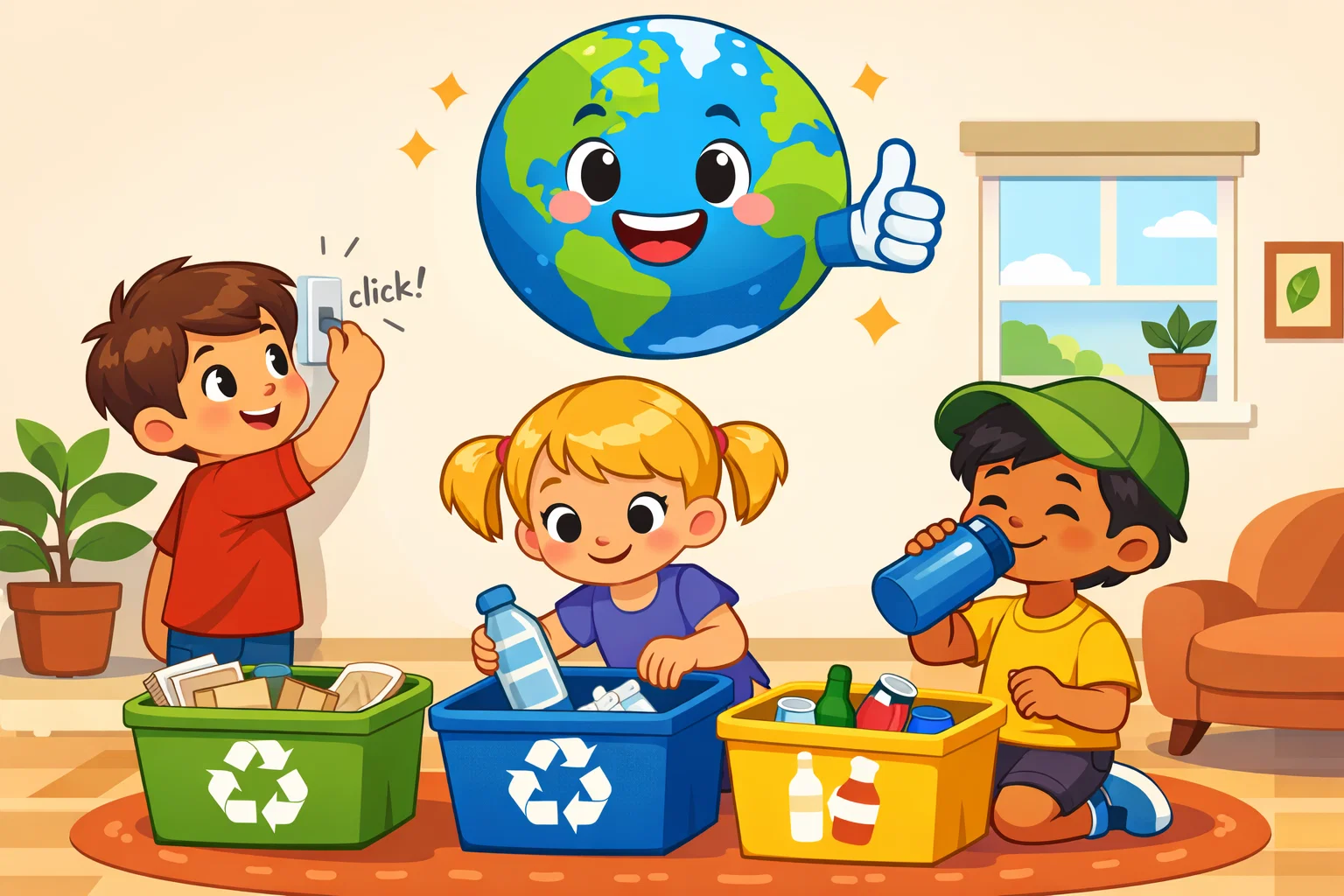
Child development experts have long observed that children possess an inherent curiosity about the natural world. From the way they marvel at a crawling ladybug to their fascination with a growing seedling, kids are natural explorers. Engaging them in sustainability activities for kids is not just about teaching them to “go green”; it is about fostering a deep-seated appreciation for the environment and a sense of environmental stewardship. In an era defined by climate change and habitat loss, helping children understand their impact on the environment is one of the most significant gifts we can provide for future generations.
Teaching sustainability for kids shouldn’t feel like a heavy burden or a lecture on global crises. Instead, it works best when integrated into fun and educational play. By incorporating eco-friendly habits into daily routines, we empower children to feel that they are part of the solution. When kids get involved in caring for our planet early on, they develop the critical thinking skills and empathy needed to build a sustainable future. Whether you are a parent, a teacher in a primary school, or a community leader, making sustainability fun is the most effective way to teach lasting values.
Everyday Sustainability Habits for Children
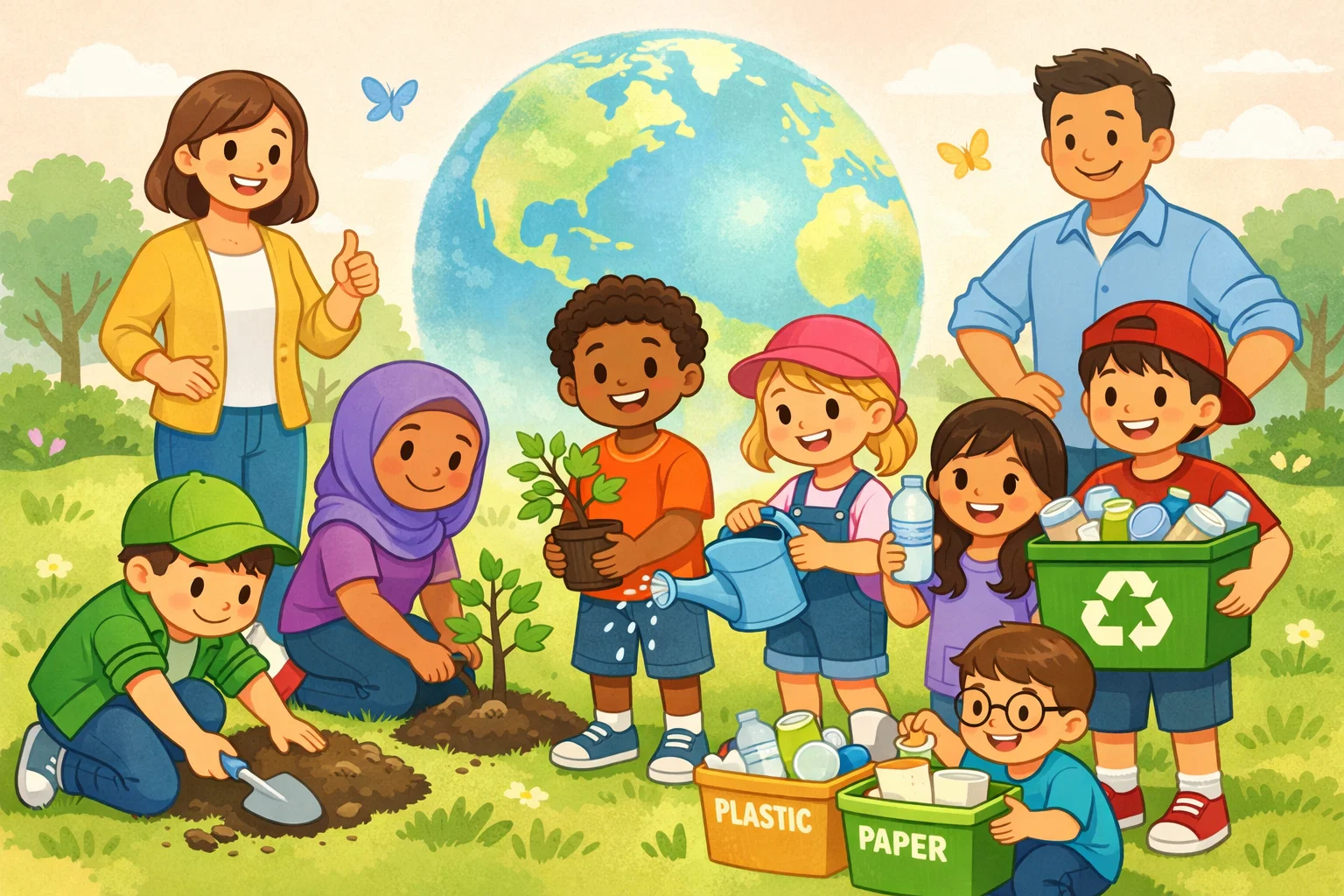
The importance of sustainability is best learned through consistency. Small, daily actions help children internalize sustainable practices until they become second nature.
Eco-friendly routines at home
You can start teaching sustainability by focusing on the “invisible” resources. Encourage your children to be “Energy Detectives.” This involves:
- Saving Water: Turning off the tap while brushing teeth can save several gallons of water each day.
- Switching off Lights: Making it a game to ensure no empty room has a light on.
- Waste Reduction: Using a small compost container for food scraps.
Sustainable choices during school days
The school day offers numerous opportunities to help kids make eco-conscious decisions.
- The Waste-Free Lunch: Use reusable containers instead of plastic wrap or single-use baggies.
- Green Transport: If safe, walking or biking to school helps reduce emissions and lowers the family’s carbon footprint.
- Eco-Supplies: Choose notebooks made from recycled paper and refillable pens where possible.
Planet-positive behavior through play
Kids love games, and play is the primary way to teach kids about responsibility. Instead of buying new plastic toys, encourage them to build “forts” out of cardboard boxes or use natural materials like sticks and stones for “small world” play. This reduces the demand for new manufactured goods and keeps items out of the landfill.
Sustainability Activities for Kids at Home
Bringing sustainability into the living room makes it a family mission. It’s about showing that sustainable living is a shared value.
Three Rs practice through family activities
The classic “Reduce, Reuse, Recycle” mantra is a great foundation.
- The Sorting Game: Set up three bins and have a race to see who can recycle items correctly.
- Upcycling Projects: Transform old glass jars into pencil holders or t-shirts into tote bags. This teaches children that items have value beyond their initial use.
Green chores for children
Assigning “Earth Tasks” helps kids feel like active contributors.
- Compost Crew: Have them help add coffee grounds or eggshells to the compost.
- Garden Guardians: Task them with pulling weeds or watering plants with “greywater” (like water used to wash vegetables).
Eco challenges for families
Create a “Green Goal” chart on the fridge.
| Challenge Level | Activity | Goal |
| Weekly | Meatless Monday | Try one plant-based meal |
| Monthly | No-Power Hour | One hour a week with no electronics |
| Quarterly | The Big Swap | Donate outgrown clothes and toys |
Outdoor Sustainability Activities for Kids
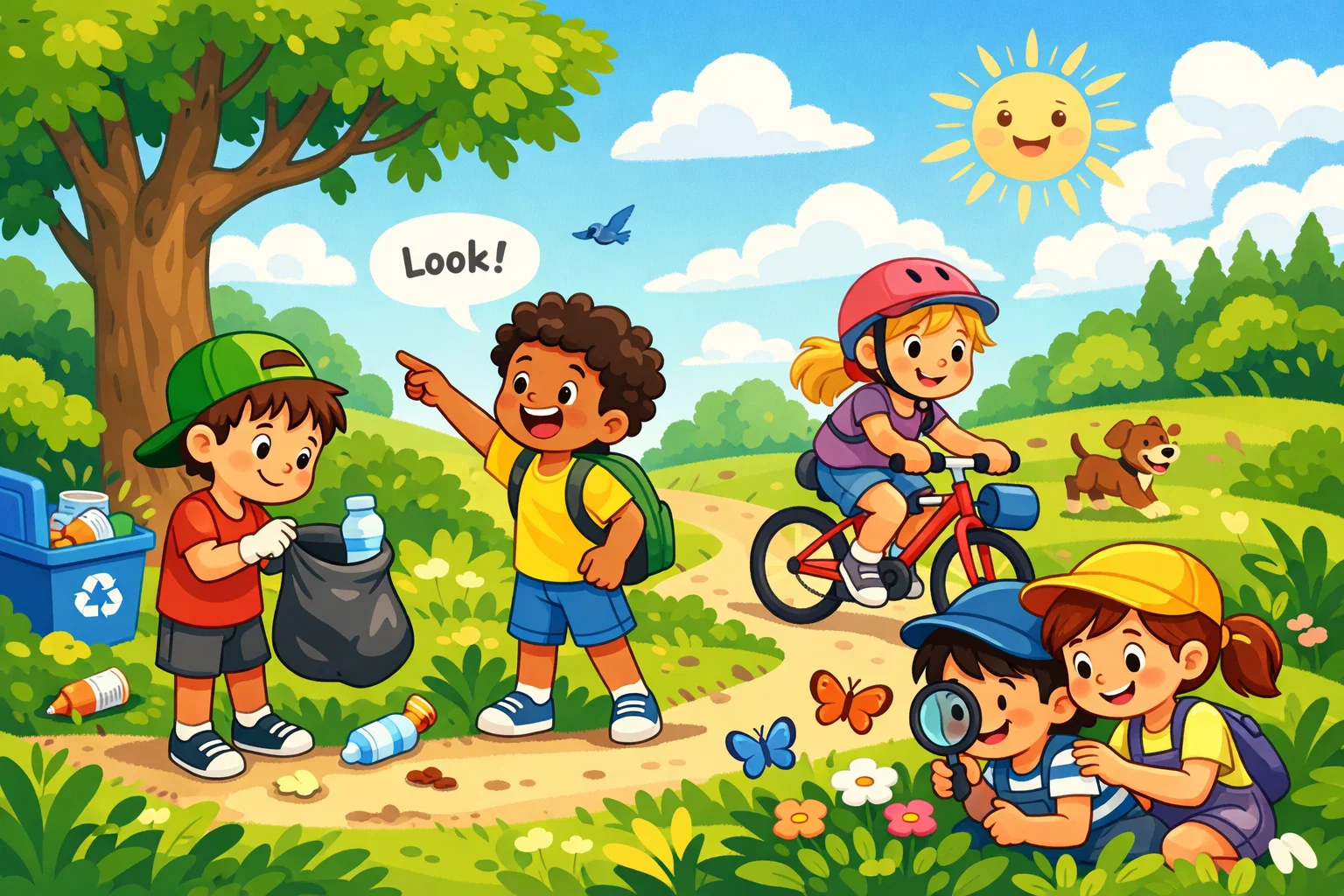
Connecting with nature is the most powerful way to get kids to care about it. You cannot protect what you do not love.
Nature walk exploration activities
A simple walk can become a fun sustainability activity. Organise a scavenger hunt where kids look for specific items like a “smooth stone,” “a yellow leaf,” or “evidence of an animal.” Use this time for talking about sustainability and how every organism plays a role in the ecosystem.
Trash cleanup games
Turn a walk into a “Litter Derby.” Give everyone a pair of gloves and a bag. The person who picks up the most pieces of plastic (safely) wins a small, eco-friendly reward, like choosing the next family movie. This directly addresses the issue of pollution in their immediate environment.
Family bike rides and low-impact travel
Show children that we don’t always need a car to get around. Explaining that “our legs are the cleanest engines” helps children understand the concept of carbon emissions in a simple, relatable way.
Gardening and Plant-Based Activities for Kids
Gardening is a literal way to teach kids about sustainable cycles. It connects them to the source of their food.
Planting trees and flowers
Give kids their own small plot or a pot. Planting a tree gives children a visual connection to the future of the planet. As the tree grows, so does their understanding of environmental stewardship.
Vegetable garden projects
When kids are involved in growing their own carrots or tomatoes, they are much less likely to contribute to food waste. They see the effort required for sustainable food production, making them more mindful at the dinner table.
Pollinator-friendly garden activities
Teach children about the “Tiny Workers” – bees and butterflies. Planting milkweed or lavender creates a “pollinator cafe,” helping to combat habitat loss in your own backyard.
Classroom Sustainability Activities
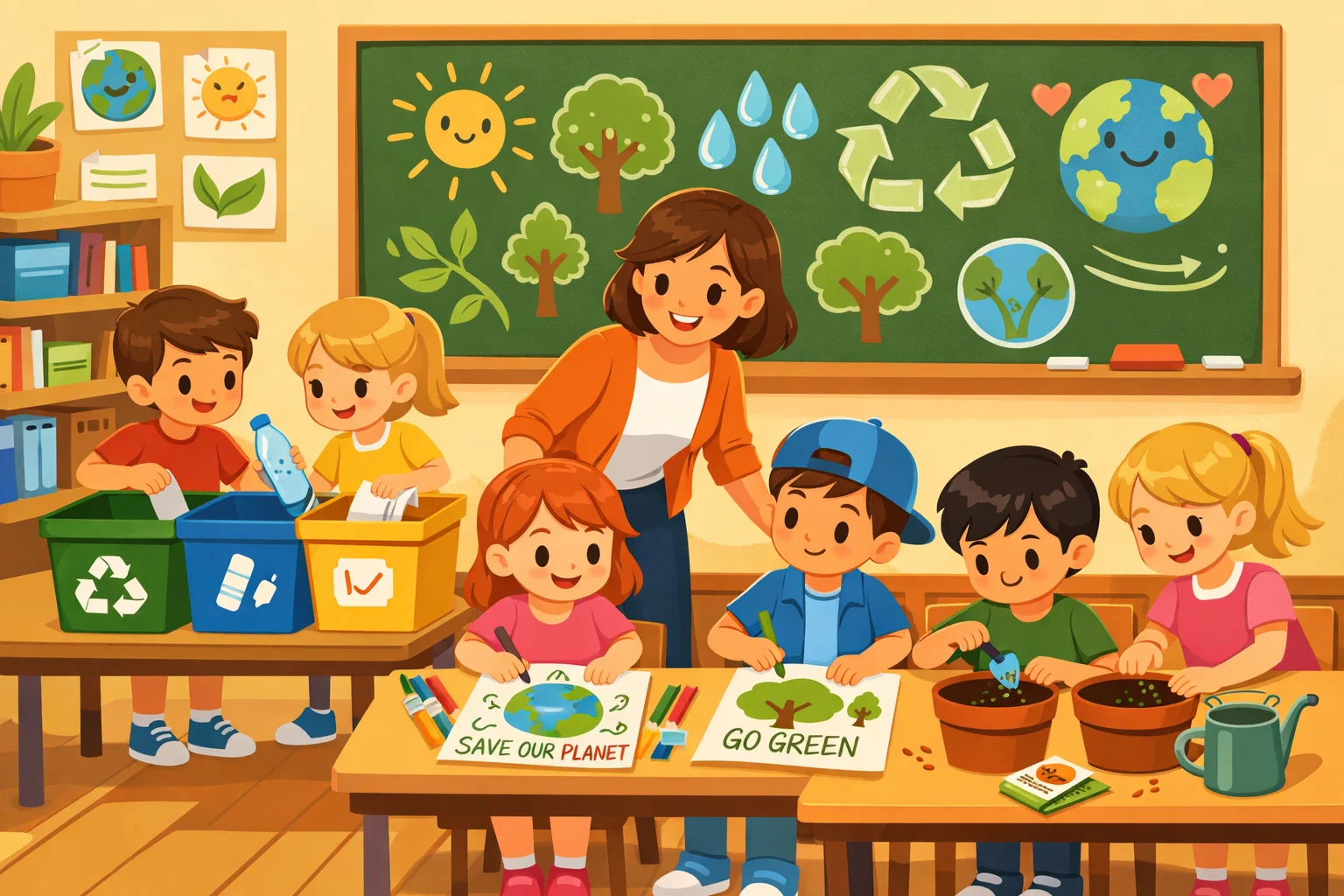
Teachers play a vital role in educating children about the broader environmental issues we face today.
Recycling and waste sorting lessons
In the classroom, use visual aids to show what happens to trash. A “Waste Audit” where students weigh the classroom trash at the end of the week can be an eye-opening sustainability activity.
Carbon footprint activities for students
For older students, use online calculators to estimate the school’s energy use. This helps students to participate in high-level problem solving, such as suggesting ways the school can save electricity.
Sustainability projects for group work
Encourage students to participate in creating “Green Posters” or starting an “Eco-Club.” Group work helps children develop social skills while working toward a common goal of caring for the environment.
Creative Sustainability Activities for Kids
Art is a bridge between the heart and the mind. It allows children to express their feelings about caring for our planet.
Recycled art and craft projects
Instead of buying new supplies, use “found objects.” Cardboard, bottle caps, and old magazines can be turned into intricate art projects. This demonstrates the concept of reuse in a tactile way.
Eco storytelling and writing tasks
Ask kids to write a story from the perspective of a sea turtle or an old oak tree. This builds empathy and a deeper understanding of sustainability.
Poems and songs about environment
Music is a great way to teach. Create a catchy song about “Turning off the Tap” or “Sorting the Trash.” This makes sustainability a lot easier to remember for younger children.
Community and Social Sustainability Activities
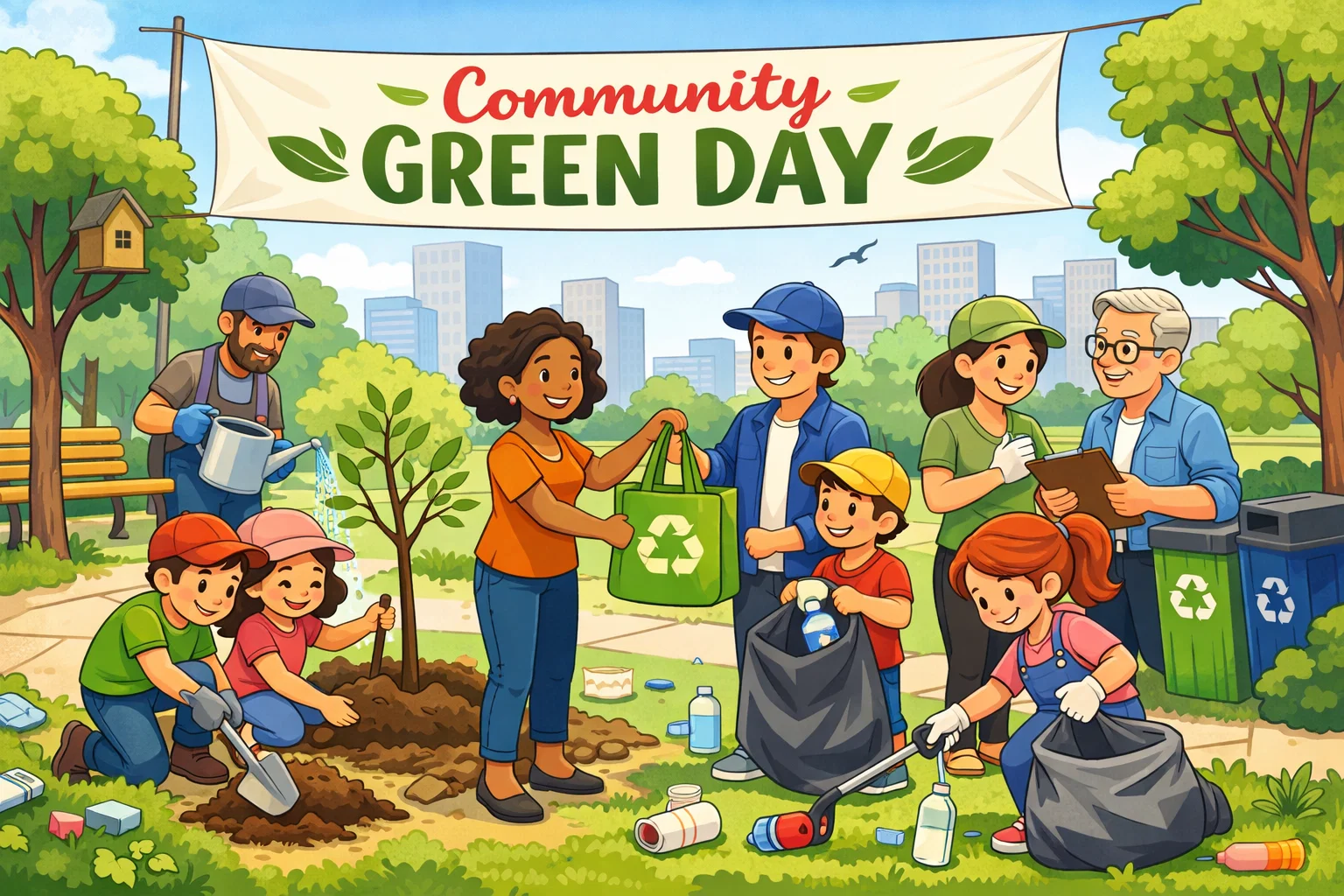
Sustainability is not just an individual effort; it is a community one.
Volunteer activities for children
Check for local tree-planting events or community garden workdays. Being engaged in the community shows kids that they are part of a larger movement.
Junior Ranger and eco club programs
Many national parks and local centers offer “Junior Ranger” programs. These fun and engaging programs provide a structured way to help them learn about local flora and fauna.
Local sustainability involvement
Visit a farmers market. Explain how buying local reduces “food miles” and supports sustainable food production in the neighborhood.
Shopping and Consumption Activities for Kids
In a consumer-driven world, teaching kids to be “Conscious Consumers” is essential for a sustainable lifestyle.
Local shopping awareness games
Play “Where did this come from?” at the grocery store. Look at labels to see if the apples are from a local farm or another country.
Waste-free shopping challenges
Can you go through the grocery store without buying anything in plastic? Give kids the challenge of finding the most “naked” (unwrapped) produce.
Reuse and donation projects
Before birthdays or holidays, have a “One In, One Out” rule. For every new toy, an old one must be donated or swapped. This reduces landfill waste and promotes the importance of sustainability and caring for others.
Books and Media About Sustainability for Kids
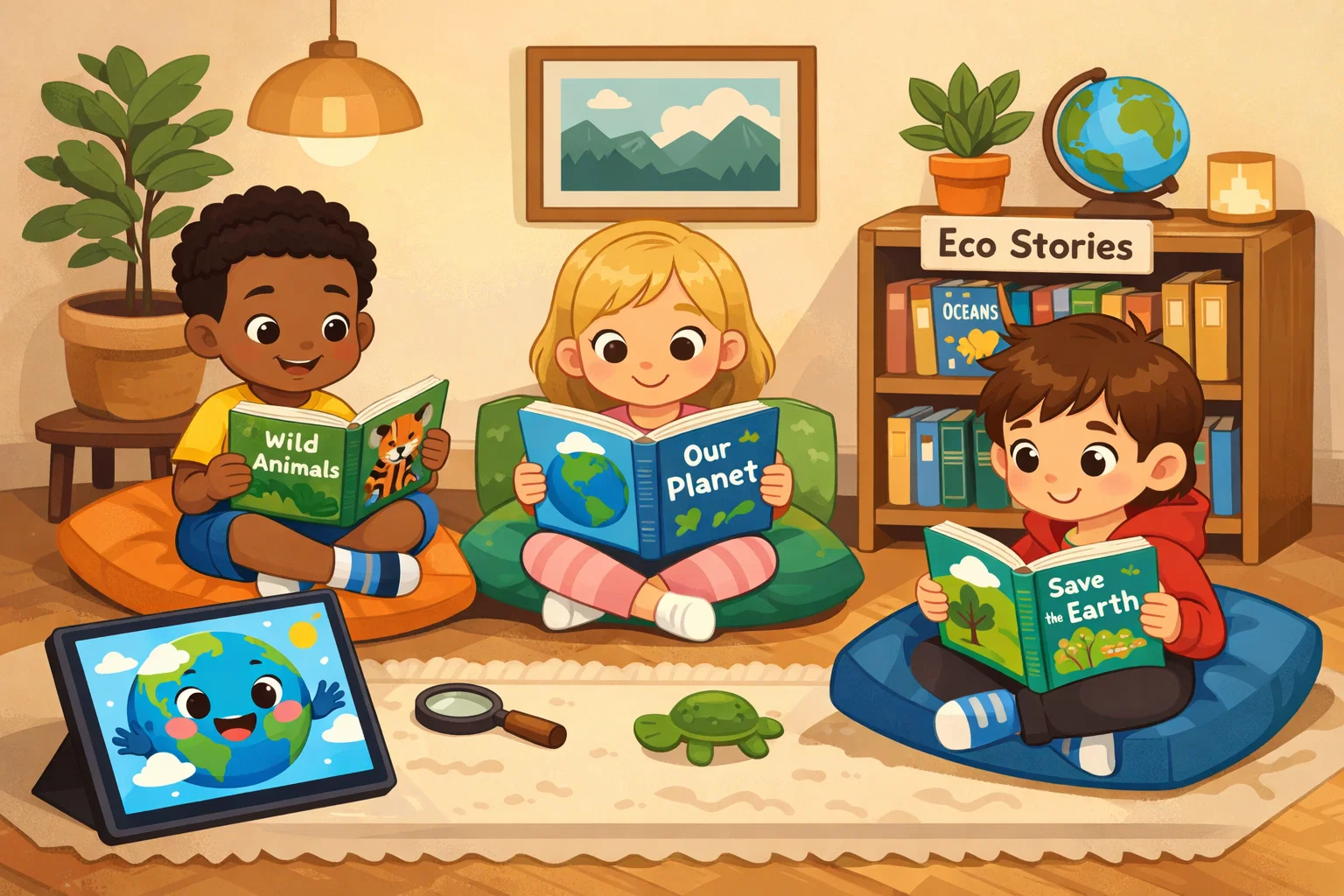
Media can be a powerful tool when used intentionally to promote sustainability.
- Environmental storybooks: Look for titles like The Lorax by Dr. Seuss or The Watcher by Jeanette Winter.
- Nature documentaries: Shows like Our Planet (with parental guidance) offer stunning visuals that inspire an appreciation for the environment.
- Discussion activities: After watching or reading, ask: “What was the biggest problem the characters faced?” and “How would you solve it?”
Sustainability Activities for Schools and Teachers
Schools are the perfect laboratories for sustainable practices.
- School-wide campaigns: “Zero-Waste Wednesdays” where no non-recyclable trash is allowed in lunchboxes.
- Eco-Pride: Create a “Green Leader” badge for students who demonstrate exceptional environmental stewardship.
- Curriculum Alignment: Use math to calculate water savings or science to study the decomposition of different materials.
Fun Sustainability Games and Challenges
Eco scavenger hunts
Create a list: “Something green,” “Something that can be recycled,” “A place where water is saved.” This is a great fun outdoor activity.
Energy-saving competitions
Compete between classrooms or family members to see who can earn the fewest “wasted energy” points (points are given for leaving things on).
Zero-waste activity days
Try to go a full 24 hours without producing any trash. It’s an eye-opening experiment that makes sustainability much easier to visualize.
Benefits of Sustainability Activities for Kids
The impact of these activities extends far beyond the environment. Many educators and parents notice that children who take part in nature-based and sustainability activities often show:
- Improved Critical Thinking: They learn to see the “big picture” and the consequences of actions.
- Enhanced Social Skills: Many sustainability activities require teamwork and community coordination.
- Reduced Anxiety: Taking action can help alleviate “eco-anxiety” by giving children a sense of agency.