

Deciding between Snapchat or Instagram for your child is no longer just a question of which app their friends are using; it is a complex evaluation of digital safety, privacy, and social pressure. As we move through 2026, both platforms have evolved significantly, introducing advanced parental controls and AI-driven features that have influenced how teens interact with social media. This guide provides a detailed comparison based on current features and publicly available safety tools.
While both platforms officially maintain a 13+ age requirement, the way a 13-year-old interacts with Snapchat vs how they engage with Instagram’s feed-based model differs wildly. We will evaluate these popular social media apps using specific criteria: the effectiveness of parental supervision tools, the risk of exposure to inappropriate content, and the impact on a child’s mental wellbeing. Whether you are looking to prevent kids from seeing nudity or simply want to manage screen time, this breakdown offers the data you need to make an informed choice.
Snapchat vs Instagram: Which Is Safer for Kids?
When comparing Snapchat vs Instagram for safety, it is helpful to view them through their core philosophies. Snapchat is primarily a communication tool designed for the fleeting nature of conversation, while Instagram is a visual discovery platform built on permanence and public reach.
- Snapchat focuses on disappearing messages and sharing photos with people they know in real life. Its “private by design” approach can feel safer because profiles are typically shared within friend networks rather than built around public discovery.
- Instagram, conversely, is a social media platform where users curate a digital identity. While it offers a private account option, its explore feature and Reels algorithm are designed to push content from beyond a user’s immediate friends list.
In 2026, neither app can be declared “perfectly safe.” The safest approach involves understanding that Snapchat’s risks are often hidden in private, direct messages, while Instagram’s risks are more visible in its public-facing metrics and algorithmic suggestions.
Key Safety Differences in 2026
The safety landscape has shifted toward real-time AI moderation. Both platforms use automated moderation systems to detect and limit the distribution of content that violates their policies, including nudity and explicit material.
| Feature | Snapchat (2026) | Instagram (2026) |
| Primary Interaction | Direct “Snaps” & Chats | Feed Posts, Reels, & DMs |
| Content Persistence | Messages are designed to disappear after viewing in most one-to-one chats, though users can change some settings. | Default: Permanent until deleted |
| Searchability | Primarily via username, contacts, or Snapcode sharing | High; via hashtags and Explore |
| AI Filtering | Strong on “My AI” and public Stories | Instagram applies multiple safety layers for teen accounts (including sensitive content limits and filtering tools), but what a teen sees still depends on settings and behavior in the app. |
| Stranger Danger | Lower when privacy settings are configured properly | Moderate (due to recommendation engine) |
Public vs Private Interaction Models
Snapchat is much more closed. To search for and find someone, you generally need their specific handle or to be in their phone contacts. This makes it much more personal and limits the “discovery” of your child by strangers. Instagram, however, thrives on its search functionality. Even with a private account, discovery features can still surface accounts to others in limited ways depending on settings, mutual connections, and platform recommendations.
Digital Footprint and Content Permanence
The “disappearing” nature of a Snap can give kids a false sense of security. Snapchat content may disappear by default, but deletion timing varies by chat settings, and recipients can still capture content using screenshots or other recording methods. Screenshot notifications can reduce casual re-sharing, but they can’t prevent all forms of capturing content (for example, recording with another device). Instagram’s permanence, meanwhile, means a child’s mistakes can live on their social media account indefinitely, contributing to a long-term digital footprint.
What Is Snapchat?
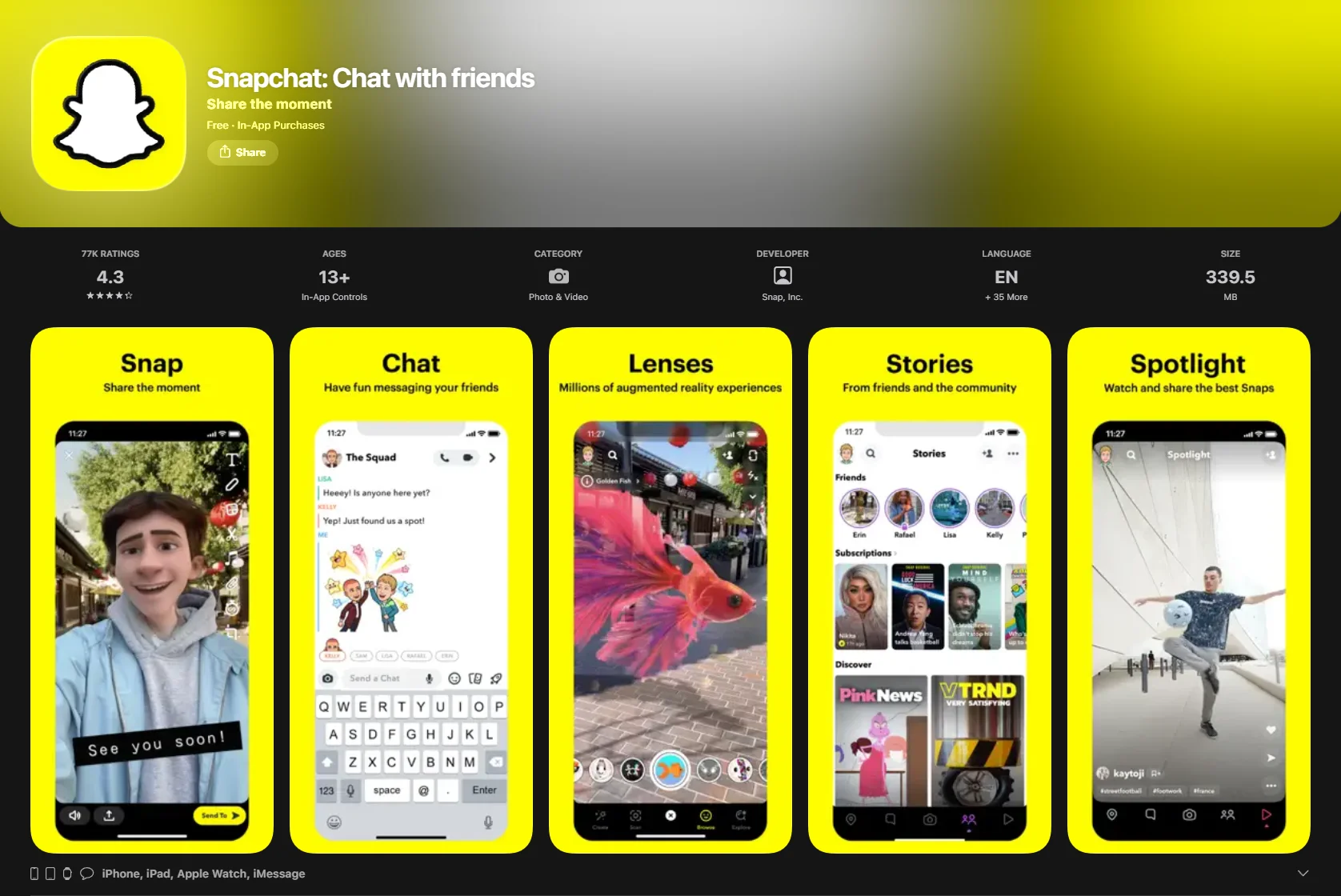
Snapchat is an app that emphasizes “living in the moment.” Unlike other popular apps, it opens directly to the camera, encouraging kids to capture real-time moments rather than polished, edited photos.
Core Features Kids Use Most
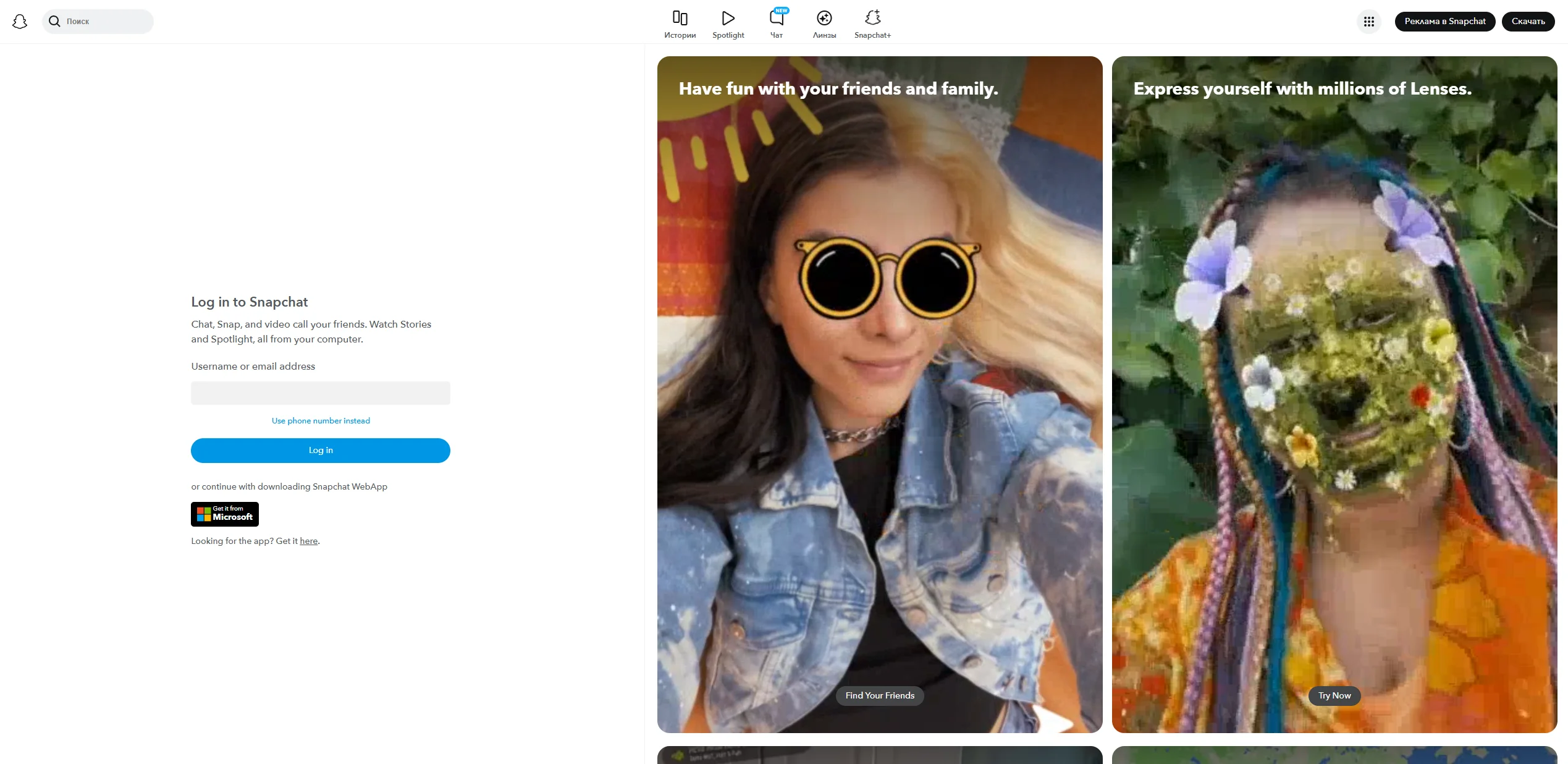
- Snaps: Photos or videos sent directly to friends.
- Streaks: A numerical count of consecutive days two friends have sent Snaps. This creates significant peer pressure to stay active.
- Snap Map can share a user’s location with selected friends, and Snapchat notes that location sharing on Snap Map is off by default; Ghost Mode can be used to stop sharing location.
- Discover: A curated feed of news, favorite topics, and influencer content.
Snapchat Family Center
Snapchat has expanded its Family Center tools in recent updates, offering more visibility into teen activity. Parents can now see summaries of their teen’s activity, including who they’ve interacted with and time-related insights, depending on the feature set available. This respects the minor’s privacy while providing parental oversight.
What Is Instagram?
Owned by Meta, Instagram is the global platform for visual storytelling. It is where kids are using filters and editing tools to curate their lives.
Core Features Kids Use Most
- Reels: Short-form, algorithmic video content similar to TikTok.
- Stories: Vertical photos and videos that disappear after 24 hours.
- Direct Messages (DMs): The primary way kids stay in touch and share content privately.
Instagram Parental Supervision Tools
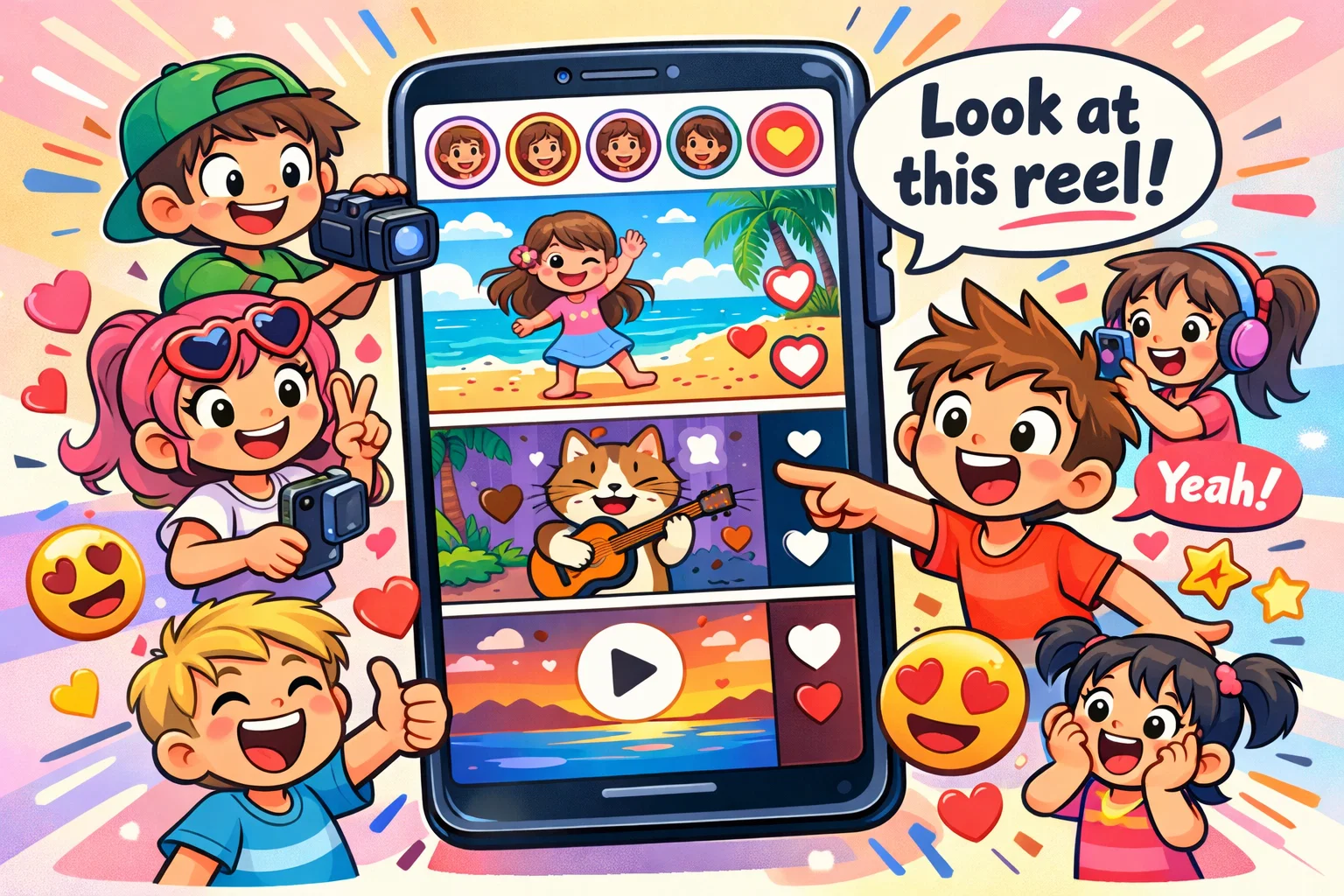
With Instagram supervision enabled in Meta’s Family Center, parents can view time spent and set time limits, see follower/following lists, and get notified if their teen reports something and chooses to share that report. Supervision requires opt-in: the teen needs to accept the invite to enable supervision.
Snapchat Safety: Parental Controls and Risks
Despite its playful filter options, Snapchat has hidden risks. Because messages vanish, cyberbullies often feel emboldened, knowing the evidence will disappear.
Age Requirements and Enforcement
Snapchat sets 13 as the minimum age, but age verification and enforcement can vary, and some users may still attempt to sign up using an inaccurate birth date. Many kids use false birthdays to bypass this.
Disappearing Messages and Hidden Risks
The fleeting nature of Snaps can lead to “disinhibited behavior,” where kids send pornographic or risky images they wouldn’t post elsewhere. Parents need to emphasize that nothing is truly temporary online.
The disappearing nature of messages may create a false sense of privacy, which can sometimes encourage riskier online behavior.
Snap Map Location Exposure
The Snap Map is perhaps the most controversial feature. In 2026, it is more precise than ever. If not set to private (Ghost Mode), a child’s real-time location may be visible to selected friends unless Ghost Mode is enabled.
Instagram Safety: Parental Controls and Risks
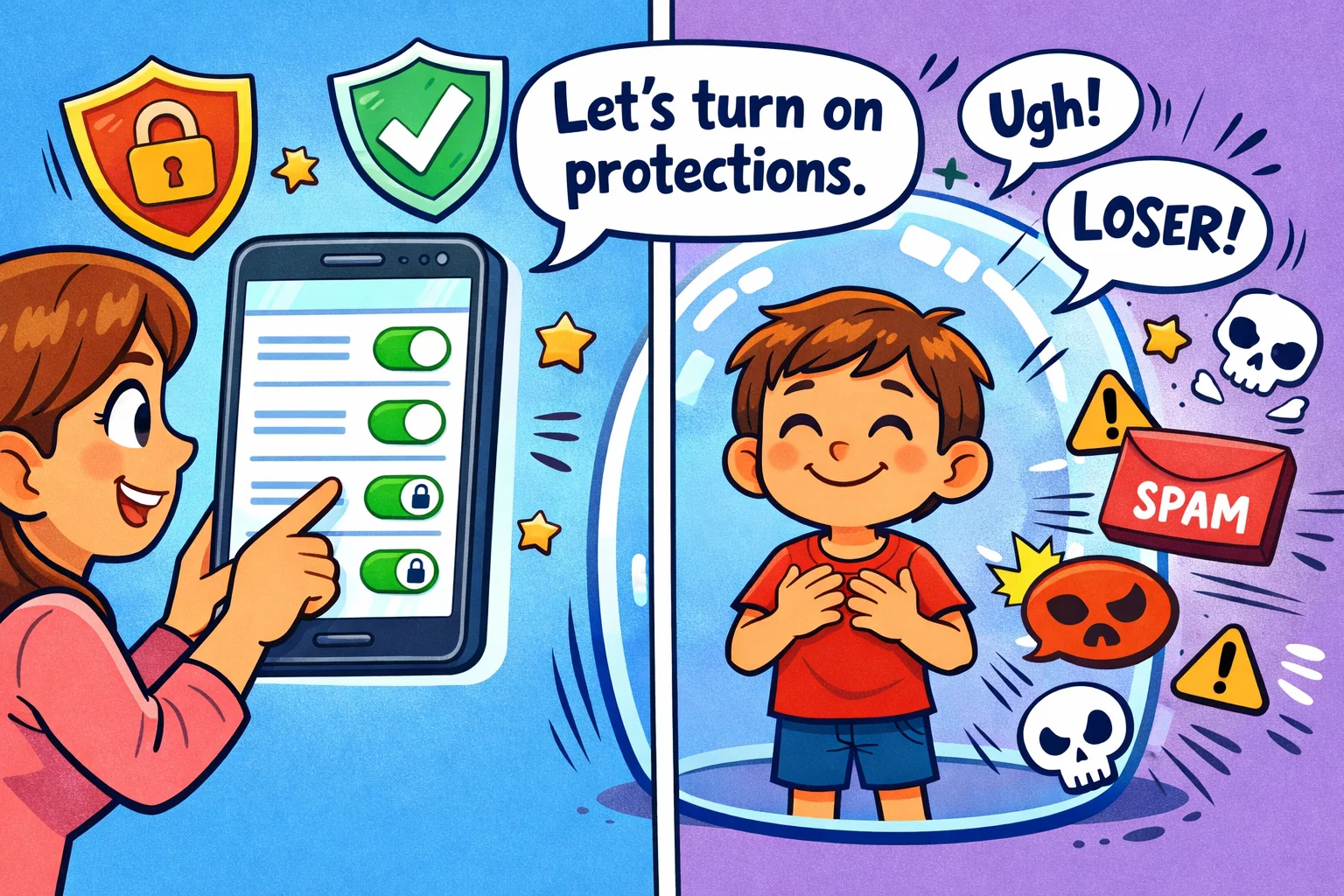
Instagram has been under fire for its impact on mental health, leading to expanded Teen Account protections that are now widely applied to younger users.
Public Profiles and Follower Exposure
In many regions, new accounts for younger teens are set to private by default. This is one of the safest changes Meta has implemented, ensuring that only people they know can see their content. However, kids often manually switch to public to gain more “likes.”
Direct Messages and Contact Risks
Direct messaging systems on social platforms can sometimes be used for unwanted contact or scams. Instagram’s Teen Account protections include Hidden Words that filter offensive terms in comments and DM requests, alongside additional messaging restrictions for teens.
Reels Algorithm and Content Exposure
The Reels algorithm is powerful. Even with parental controls enabled, kids need to be aware that the more they engage with certain content, the more the app will serve similar videos—which can sometimes include “borderline” content that skirts community guidelines.
Parental Controls Compared: Snapchat vs Instagram
| Capability | Snapchat Family Center | Instagram Supervision |
| View Friends List | Yes | Yes |
| Read Messages | No | No |
| Set Time Limits | Snapchat announced new Family Center time-insight and control expansions in January 2026; availability can vary by region and rollout. | Yes |
| Content Filtering | Sensitive Content Toggle | Instagram’s Sensitive Content Control is commonly described as “Standard,” “Less,” and (in some contexts) “More,” depending on the surface and availability. |
| Location Tracking | Built-in (Snap Map) | Instagram supervision focuses on in-app activity and settings; location sharing is not a core Instagram supervision feature in the same way Snap Map is within Snapchat. |
Screen Time Management
Both apps now offer robust screen time tools. Instagram has introduced “nighttime nudges” for teen accounts, prompting breaks when teens spend time in areas like Reels or DMs late at night. Snapchat’s Family Center provides time-spent insights and expanded supervision controls; exact “hard stop” lock behavior depends on the specific tool and rollout, and isn’t consistently described as an app-locking feature.
Pricing Comparison: Snapchat vs Instagram

While both are “free” apps, they have introduced monetization strategies that parents need to know about.
Snapchat Plus Subscription
Snapchat+ is a paid subscription (pricing varies by region). Snapchat Plus offers “experimental” features. For a teen, this includes seeing who re-watched their story or pinning a “#1 Best Friend.” This can exacerbate social anxiety and peer pressure.
Instagram Paid Features and Meta Verified
Meta Verified requires users to be at least 18 (or the age of majority in their country), and pricing commonly appears as $11.99/month on the web and $14.99/month via iOS/Android (with regional variation).
Age Suitability: Snapchat vs Instagram by Age Group
Under 13
Neither Snapchat or Instagram is appropriate for children under 13. Parents need to look into apps like Messenger Kids or YouTube Kids, which offer a much more controlled environment.
Ages 13–15
At this maturity level, parental supervision is vital. Accounts should be set to private, and the Snap Map must be in Ghost Mode. This age group is often associated with higher sensitivity to peer comparison and online social dynamics.
Ages 16–17
Teens in this bracket require more independence. Focus on “Digital Responsibility” rather than strict monitoring. Discuss the dangers of sharing photos that could impact future college or job prospects.
How to Protect Your Child: Actionable Steps
- Set Account to Private: On Instagram, go to Settings > Account Privacy. On Snapchat, ensure “My Friends” is selected for who can contact and view stories.
- Review Friends List: Sit down monthly and ask, “Who is this?” regarding any unfamiliar handles. If they don’t know them in real life, they should be removed.
- Enable Supervision: Do not make it a “gotcha” moment. Explain that online safety is a family priority and link your accounts via the respective Family Centers.
- Discuss Digital Boundaries: Talk about what is okay to share. Remind them that a picture and video sent today can be recovered or screenshotted tomorrow.
Final Verdict: Snapchat vs Instagram for Kids 2026
The choice between Snapchat vs Instagram depends on your child’s personality.
Snapchat is the better option for kids who just want to keep in touch and stay in touch with close friends without the pressure of a permanent public profile. However, the disappearing messages require a high level of trust, as you cannot easily review past interactions.
Instagram is better for creative kids who want to curate their interests and follow their favorite topics. It offers more transparent safety measures and a more structured moderation system, but it also carries a higher risk of comparison culture and public scrutiny.
Ultimately, the safest social media experience is one where the parent is active, the privacy settings are locked down, and the child feels comfortable reporting inappropriate content without fear of losing their phone.