

Choosing the right digital learning tool for your child can feel like navigating a maze of bright colors and catchy jingles. As of 2026, two names consistently dominate the conversation: Reading Eggs and Lingokids. While both are heavyweights in the early childhood education space, they serve fundamentally different purposes. One is a laser-focused, systematic literacy platform, while the other is a vibrant, multidisciplinary ecosystem designed to spark a broad love of learning across multiple subjects.
In this neutral comparison, we will dive deep into the educational philosophies, pricing models, and specific features of both apps. Whether you’re looking for a structured reading program to help your child learn to decode words or a playful platform that introduces preschoolers to math, science, and social skills, this guide will help you determine which subscription best fits your family’s needs.
Reading Eggs vs Lingokids: Core Learning Focus
The most significant difference between these two platforms lies in their educational “DNA.” Understanding their core focus is the first step in choosing the right program for your family.
Reading Eggs reading program structure
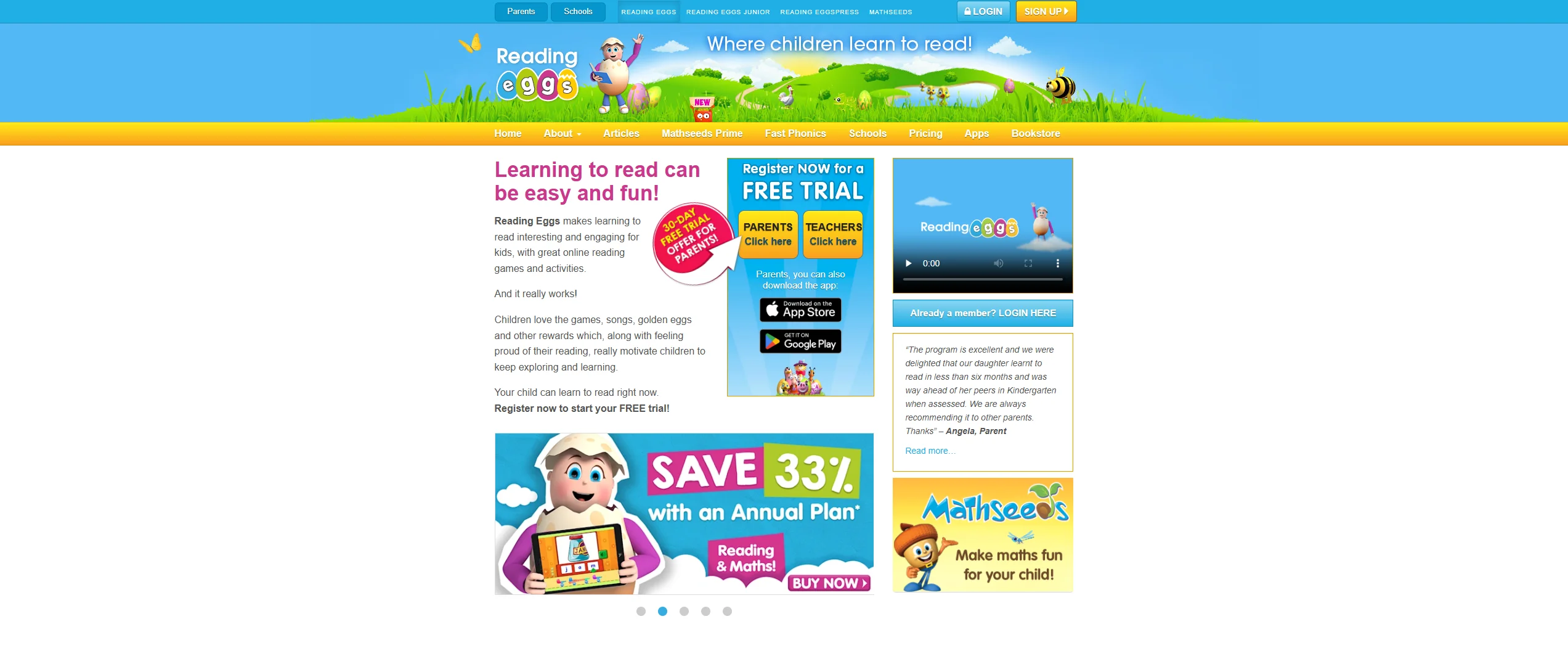
Reading Eggs is built around principles aligned with the science of reading. It follows a highly structured, systematic phonics progression designed to take a child from little or no reading experience to confident, independent reading. The curriculum is divided into clear milestones:
- Reading Eggs Junior (Ages 2–4): Pre-literacy skills like letter sounds and vocabulary.
- Reading Eggs (Ages 3–7): The core “learn to read” lessons focusing on phonics and high-frequency sight words.
- Fast Phonics (Ages 5–10): An intensive synthetic phonics program for rapid progress.
- Reading Eggspress (Ages 7–13): Advanced reading comprehension, vocabulary development, and grammar skills for older children.
Lingokids curriculum model
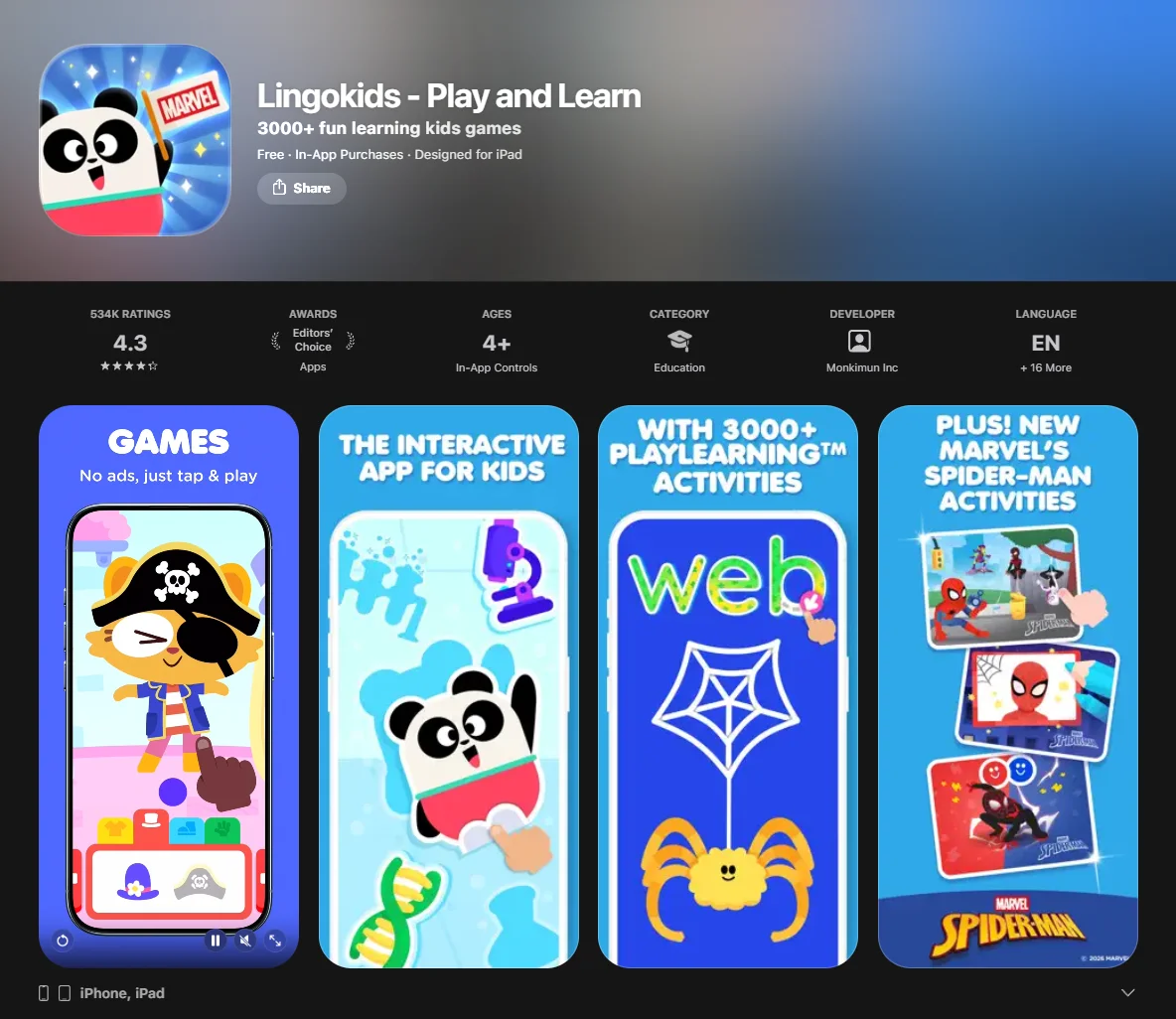
Lingokids use a “Playlearning™” philosophy. Rather than focusing solely on book-based skills, it provides a 360-degree approach to early education. The curriculum includes:
- Traditional Academics: Basic verbal skills, math, and science.
- Modern Life Skills: Emotional intelligence, environmental awareness, and introductory coding and technology concepts presented in a child-friendly format.
- Character-Driven Stories: Learning is led by a cast of original characters (and high-profile partners like Disney and Marvel) to keep kids engaged.
Key differences in educational goals
If your primary goal is to help your child master a specific academic skill—particularly phonics—Reading Eggs offers a linear pathway similar to a structured school reading curriculum. In contrast, Lingokids is better described as a broad early-learning platform focused on exploration. It’s designed to keep younger kids curious about the world in general, making it an excellent choice for general enrichment rather than intensive decoding intervention.
Teaching Methods and Learning Approach In Learning Apps
How an app teaches is just as important as what it teaches. Let’s look at the instructional techniques used in 2026.
Phonics and guided reading in Reading Eggs
Reading Eggs relies on a cycle of “Instruction, Practice, and Reward.” Each core lesson introduces a new sound or word, provides phonics lessons through interactive animations, and requires the child to complete practice activities before moving on.
Systematic phonics instruction is widely recognized as an effective approach for improving reading accuracy and supporting long-term literacy development. Reading Eggs leans heavily into this, using systematic phonics instruction to ensure no “gaps” are left in a child’s foundation.
Game-based learning in Lingokids
Lingokids are less about “lessons” and more about “experiences.” The app offers 1,200+ activities (games, songs, videos, and more), with the exact count evolving over time. The teaching is implicit; a child might learn about “gravity” or “recycling” while playing a mini-game. It emphasizes learning through play, with educational content embedded within high-quality entertainment experiences.
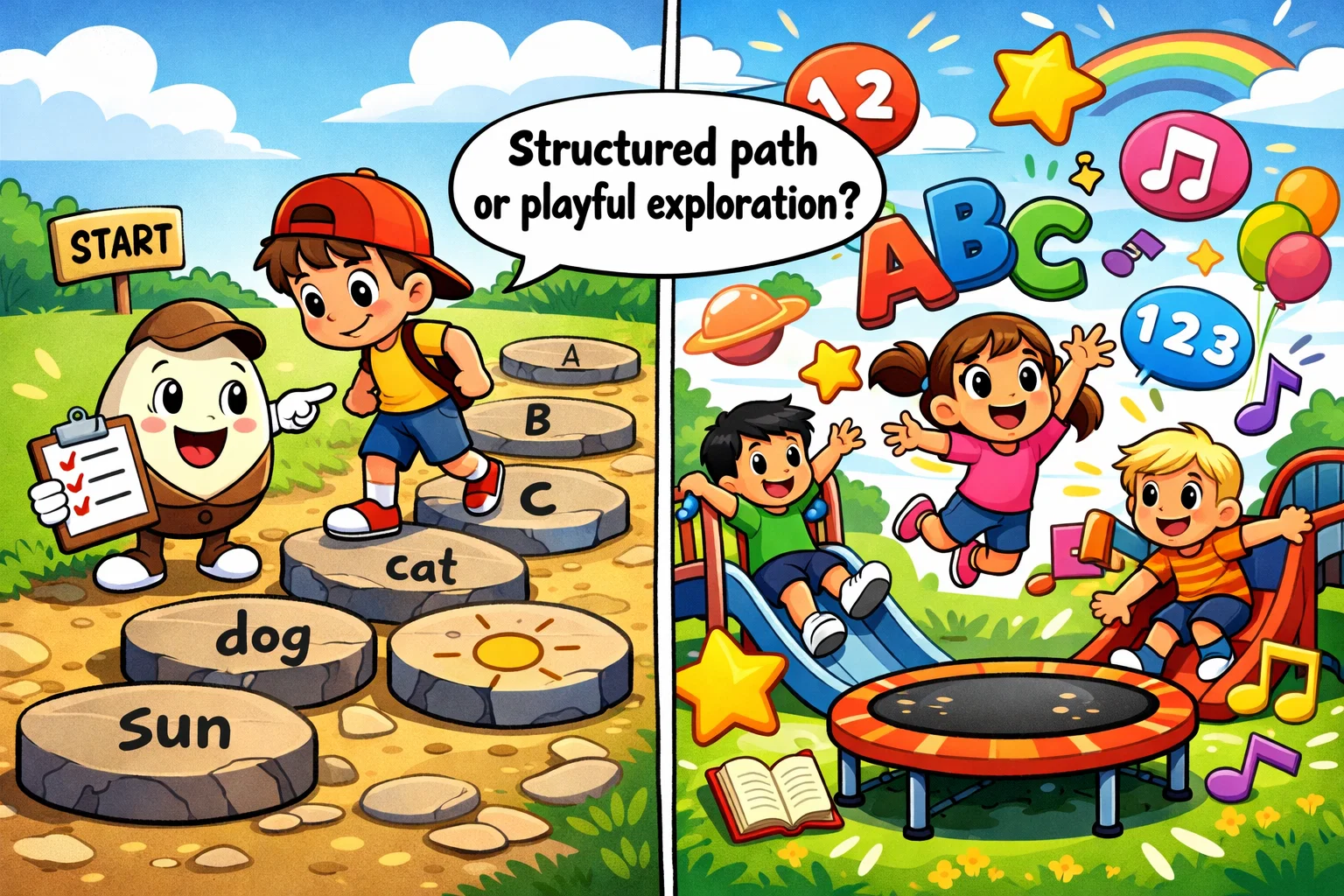
Structured lessons vs exploratory learning
- Reading Eggs: High structure. The child follows a map. Deviating is possible (to the library or arcade), but the “next lesson” is always the main goal.
- Lingokids: High exploration. Children can jump between subjects based on interest. It’s designed to allow children to explore and discover topics more organically.
Age Range and Skill Levels
| Feature | Reading Eggs | Lingokids |
| Primary Age Target | 2–13 years | 2–8 years |
| Skill Focus | Literacy & Math (Mathseeds) | Multi-subject & Life Skills |
| Best For | Structured phonics skills | General early learning & Play |
| Max Grade Level | Approximately 6th grade and above (reading comprehension focus) | 2nd Grade (General) |
Reading Eggs age suitability
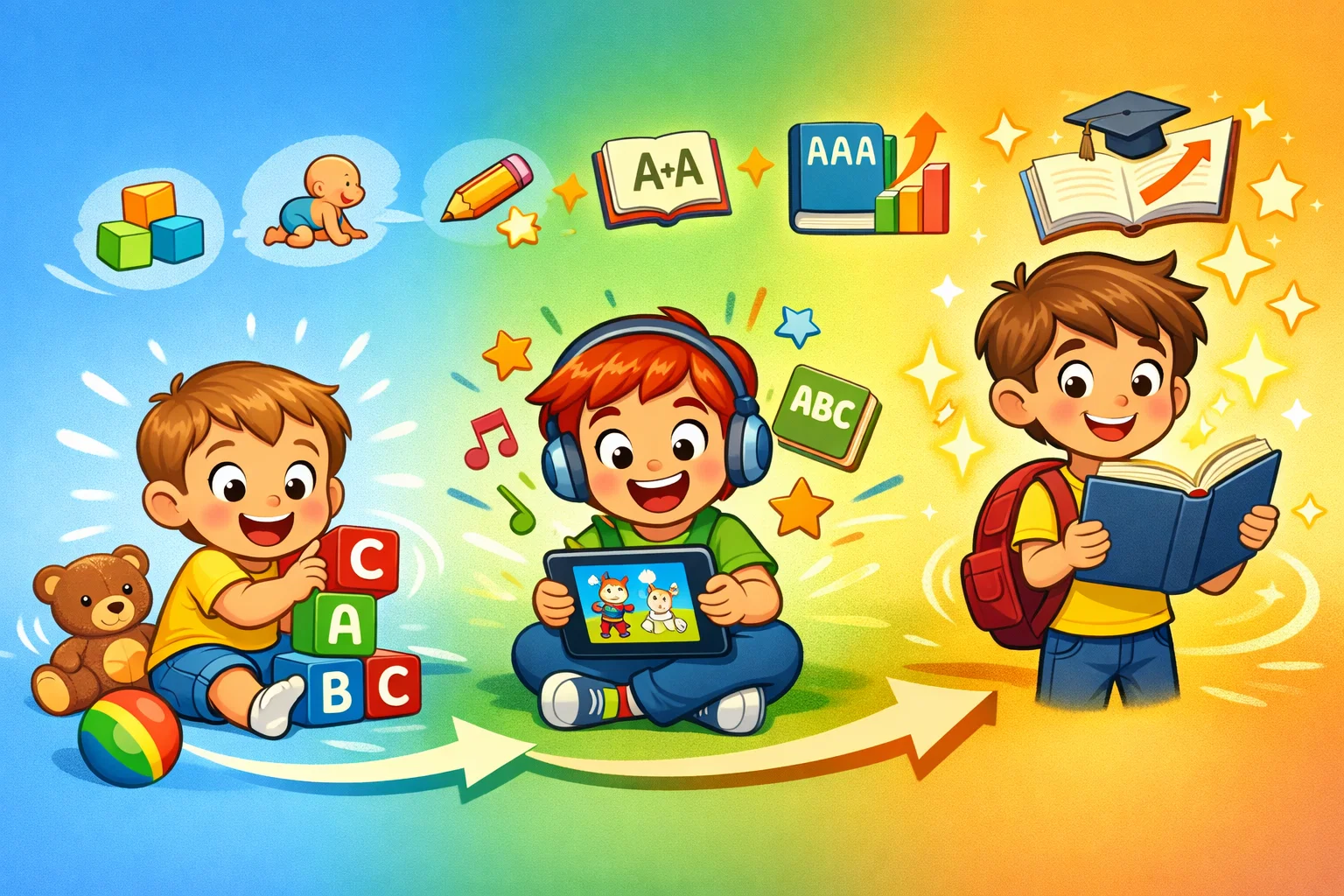
With its multi-app suite, Reading Eggs has a much longer “shelf life.” While a toddler can start with Reading Eggs Junior, an 11-year-old can still find value in Reading Eggspress by working on deep textual comprehension and complex grammar.
Lingokids age suitability
Lingokids are the “sweet spot” for preschoolers and kindergarteners. While it has recently added content for older kids (up to age 8), its visual style and game mechanics are most appealing to the 3-to-6-year-old demographic. Its expansion into more complex science and social concepts makes it a viable supplemental tool for early elementary students.
Content Variety and Subjects Covered
Literacy depth in Reading Eggs
The literacy pathway offered here is notably comprehensive. Beyond the lessons, the Reading Eggs Library includes over 4,000 leveled books. Each book is categorized by reading level (including Lexile measures), allowing children to progress at an appropriate pace. The platform also includes spelling, grammar instruction, and creative writing activities for older students.
Multi-subject content in Lingokids
Lingokids go beyond early alphabet instruction. It introduces children to:
- STEM Basics: Simple engineering and coding logic.
- Social Emotional Learning (SEL): Understanding feelings and empathy.
- Physical Activity: “Lingokids Yoga” and dance-alongs to get kids moving.
User Experience and Engagement
Visual design and navigation in Reading Eggs
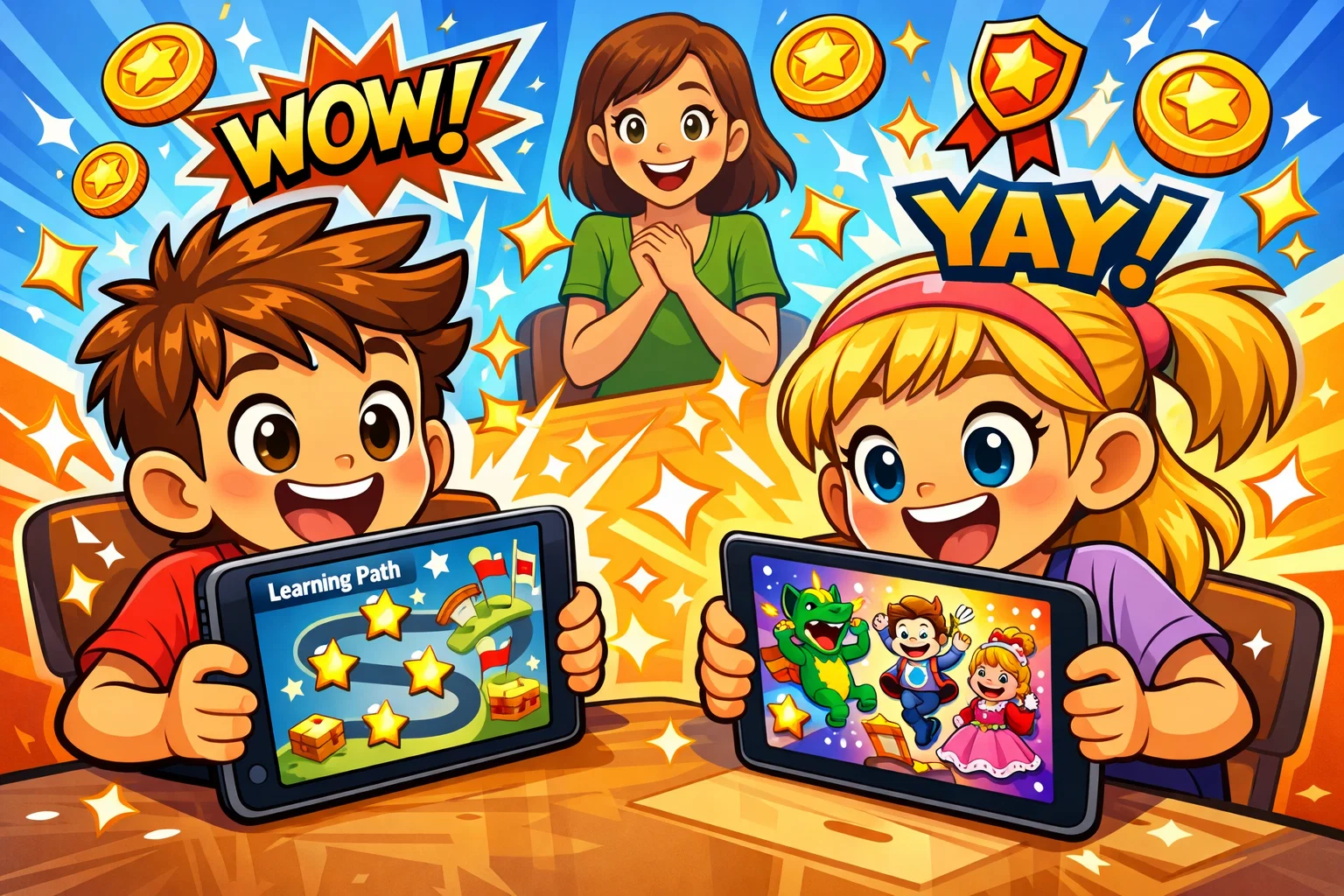
The interface uses a “Map” system. As children progress through lessons, they move their avatar along a path, unlocking new “critters” (collectible characters). It’s organized and predictable, which many children ages 4–7 find both comforting and motivating. The “House” and “Avatar” customization features provide a strong incentive for kids to earn “eggs” (currency).
Characters and gamification in Lingokids
Lingokids feels like a high-end streaming service combined with a game console. The platform offers Disney and Marvel content, including activities featuring characters such as Mickey & Friends and Marvel’s Spider-Man. This creates a high level of engagement—children are more likely to return to the app because it feels like a high-quality cartoon.
Progress Tracking and Parent Tools
Reading Eggs progress reports
Because it is a full reading program, the reporting is very detailed. Parents receive emails when their child completes a map, and the dashboard shows exactly which phonics skills or sight words the child has mastered. It also includes hundreds of printable worksheets that match the online sessions—a huge plus for homeschooling families.
Lingokids parent dashboard
The Lingokids dashboard focuses more on “time spent” and “subjects explored.” It’s less about academic mastery and more about showing a “learning summary.” You can see if your child spent more time on vocabulary or social-emotional activities this week.
Pricing Comparison 2026
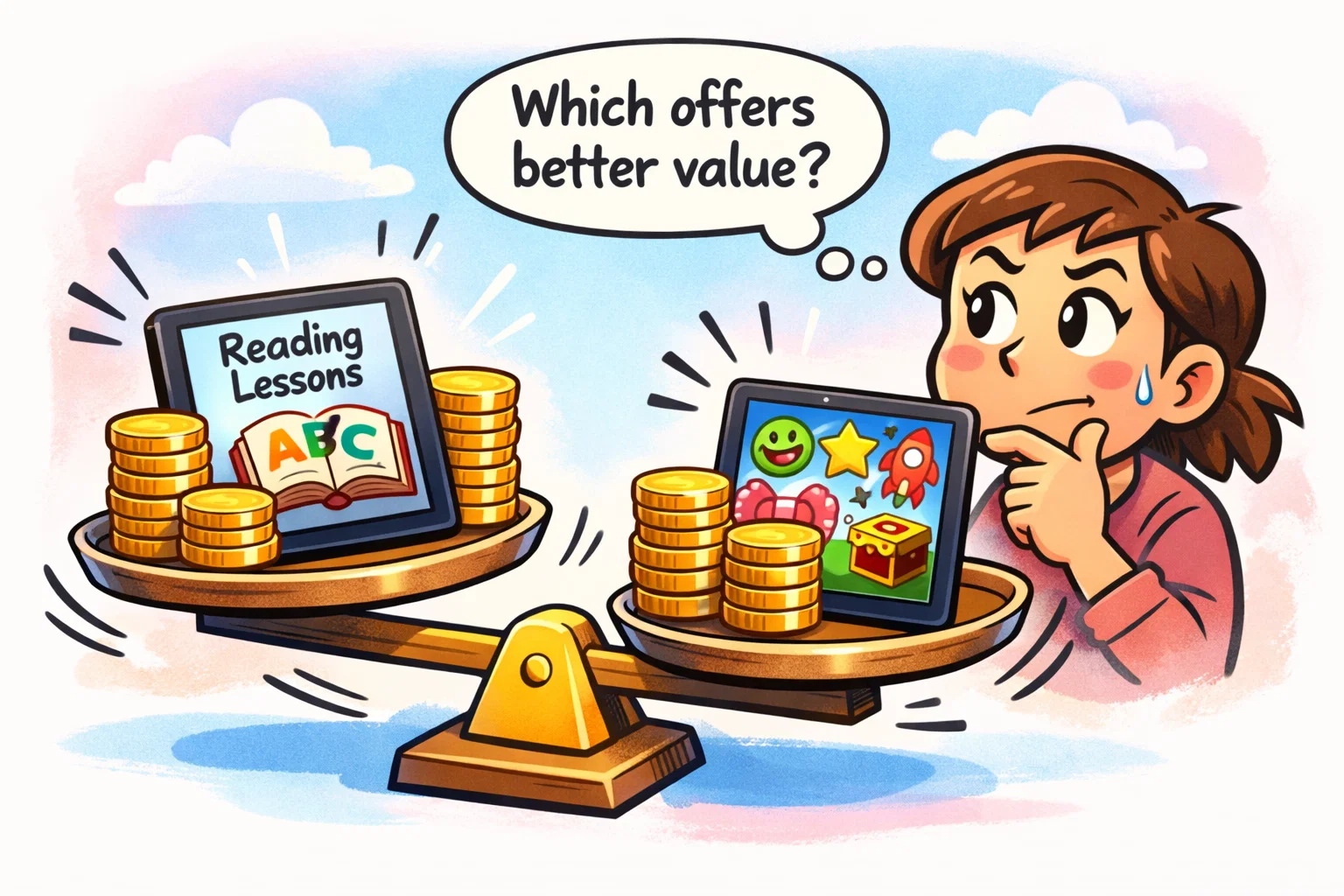
Both apps offer a free trial to allow parents to test the content before committing.
Reading Eggs subscription plans
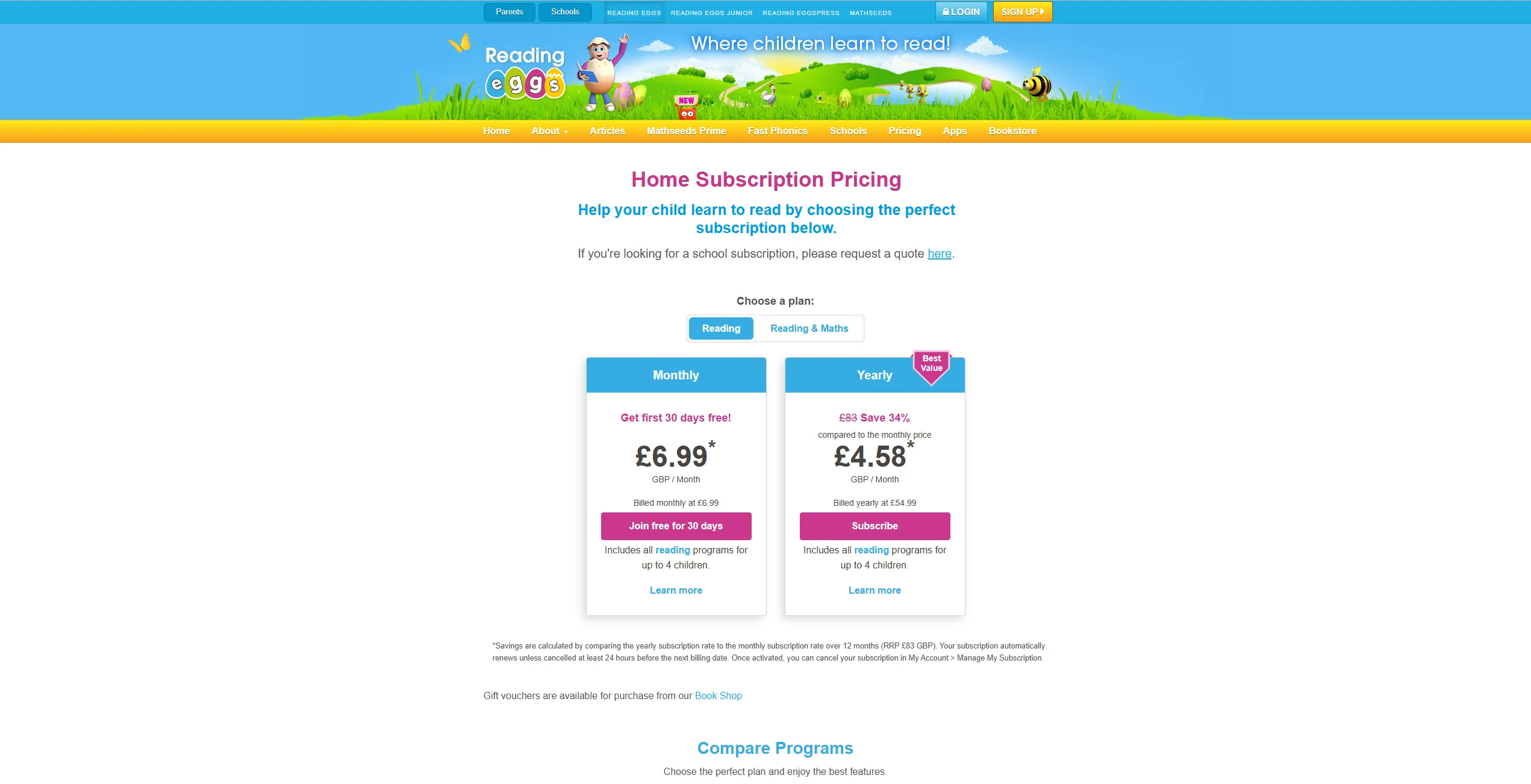
- Monthly (US pricing): $9.99 for Reading (literacy) or $13.99 for Reading & Math (includes Mathseeds), with access for up to 4 children.
- Annual (US pricing): the Reading & Math plan is billed yearly at $99.99 (effective $8.33/month), and pricing may vary by plan and region.
- All home subscriptions include access for up to 4 children (separate child profiles under one subscription).
- Free Trial: Often includes a promotional trial period (length may vary).
Lingokids subscription plans
- Basic (Free): limited access to Lingokids content; some versions may impose daily limits, and offline mode is not included in Basic.
- Plus Monthly: often listed at $14.99/month (prices can vary by country, platform, and promotions).
- Plus Yearly: commonly offered around $71.88/year in some promotions (shown as $5.99/month billed yearly), though pricing can vary by region and offer.
- Free Trial: a 7-day free trial is commonly offered for Plus plans (offer details may vary by platform).
Pros and Cons
Reading Eggs
Strengths:
- Proven systematic phonics approach.
- Huge digital library (4,000+ books).
- Excellent for struggling learners needing structure.
- Includes Mathseeds for a complete curriculum.
Limitations:
- Visuals can feel slightly dated compared to Lingokids.
- The repetition required for reading fluency may sometimes feel monotonous for highly energetic children.
Lingokids
Strengths:
- Top-tier animation and character engagement.
- Covers a vast range of subjects (Science, SEL, Arts).
- Great for building confidence through play.
- Strong partnership content with recognizable brands (e.g., Disney and other educational collaborators).
Limitations:
- Not a replacement for a formal school curriculum.
- The free version is very limited (only 3 games/day).
Who Reading Eggs Suits Best
Ideal learners for Reading Eggs
This platform is perfect for the child who needs a clear, linear path. If your child is about to start school and needs to master their letter sounds, or if they are in 2nd grade and falling behind their peers, the structured nature of this program provides the necessary guardrails.
When Reading Eggs may not be ideal
If your child already demonstrates strong decoding skills and just wants to play games or explore varied topics like space or dinosaurs, they may find the “lesson-practice-quiz” format too restrictive.