

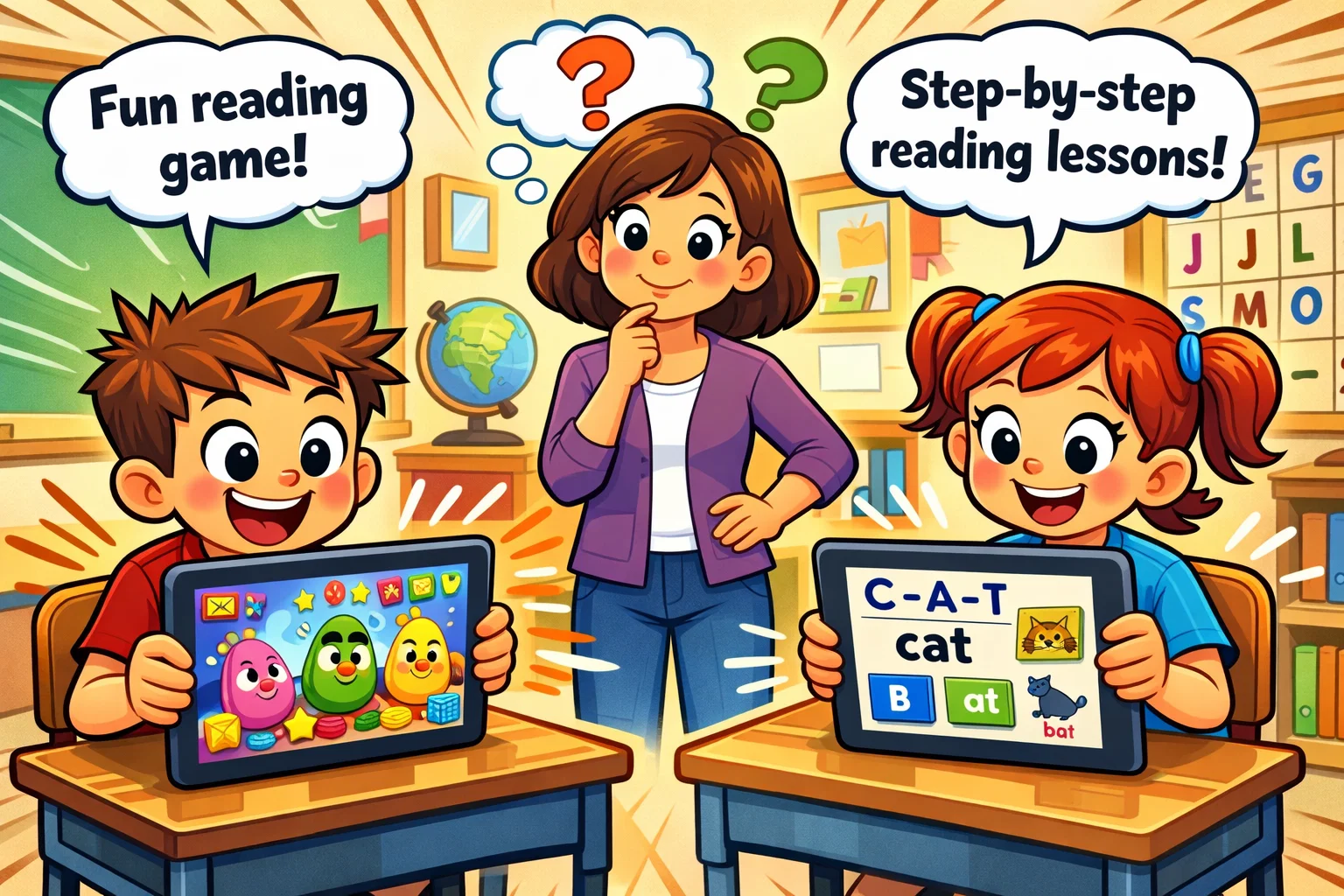
Choosing the right educational program is one of the most important decisions parents make in a child’s early academic journey. With the rise of digital learning tools, two programs are frequently mentioned by parents, tutors, and educators: Reading Eggs and Lexia Core5 Reading. Both platforms are designed to teach children to read using structured, evidence-based methods, but they approach the “how” of instruction from very different angles.
While one relies heavily on gamification to make reading lessons engaging for young learners, the other uses a sophisticated adaptive learning model often used in structured educational environments. This comparison provides a detailed overview of both platforms—including their features, pricing, and suitability—to help families decide which online reading program may best fit their educational goals.
Reading Eggs Overview
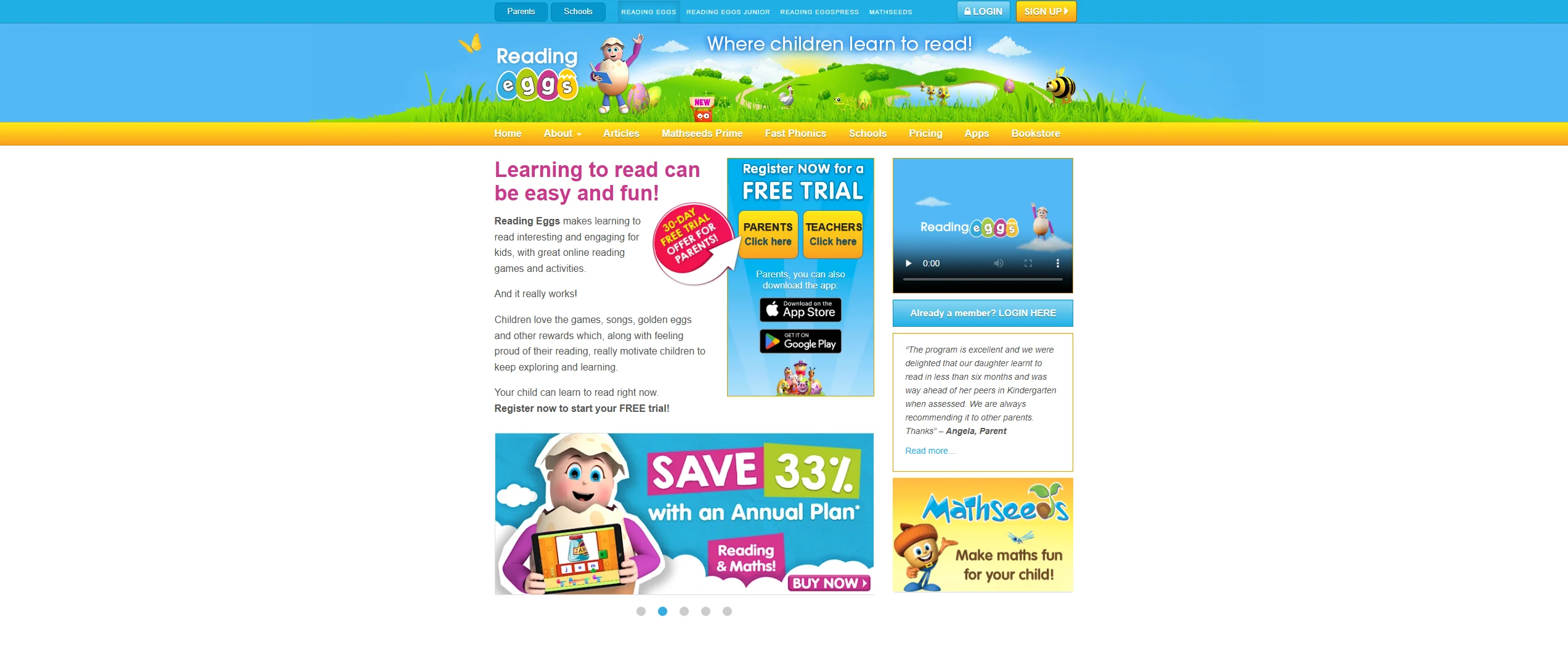
ABC Reading Eggs is a widely used digital reading program designed to help children learn through animations, songs, and interactive rewards. Originally developed by a team of educators, it is now widely used by parents and homeschooling families.
The platform is essentially a digital ecosystem that grows with your child, starting from the very basics of letter recognition for toddlers (Reading Eggs Junior) and moving up to advanced literacy for older elementary students (Reading Eggspress). The program is designed around the idea that engaging activities can encourage children to continue practicing reading skills over time.
Learning Structure and Lesson Progression
The core of the system is built around a “map” journey. Children move through a linear path of numbered tasks, each represented by a “stepping stone” in a unique environment. Before a child can progress to the next stone, they must complete a series of activities that introduce and reinforce a specific skill. This structured reading approach ensures that no gaps are left in their foundational knowledge. After every ten segments, students complete a quiz to earn a certificate, providing a natural pause for assessment and a sense of accomplishment.
Key Literacy Skills Developed
The curriculum is meticulously designed to cover the five pillars of reading as defined by the National Panel:
- Phonemic Awareness: The ability to hear and manipulate individual sounds in spoken words.
- Phonics: Mapping sounds to letters and blending them to learn to read words accurately.
- Vocabulary: Expanding the bank of known words through visual context and definitions.
- Fluency: Practicing at an appropriate pace with accuracy and expression.
- Comprehension: Deeply understanding and extracting meaning from various types of text.
Interactive Activities and Gamification
A key feature of the platform is its reward system. For every activity completed, children earn Golden Eggs, which they can spend in a virtual “Plaza” to buy clothes for their avatar or furniture for their digital house. This level of gamification can help keep children engaged in reading activities, especially those who might otherwise find reading practice challenging. By turning work into play, the app makes learning to read feel like a series of wins.
Typical Learning Experience for Children
A typical session lasts about 15 to 20 minutes, which is often considered appropriate for young attention spans. The visual design is bright, colorful, and “busy,” resembling a high-quality cartoon. A child might start by watching a short animation about a letter sound, then play a game where they “pop” bubbles containing that letter, and finally interact with a short digital book. The pacing is self-directed, allowing the child to learn to read at a speed that feels comfortable for them without external pressure.
Lexia Core5 Overview
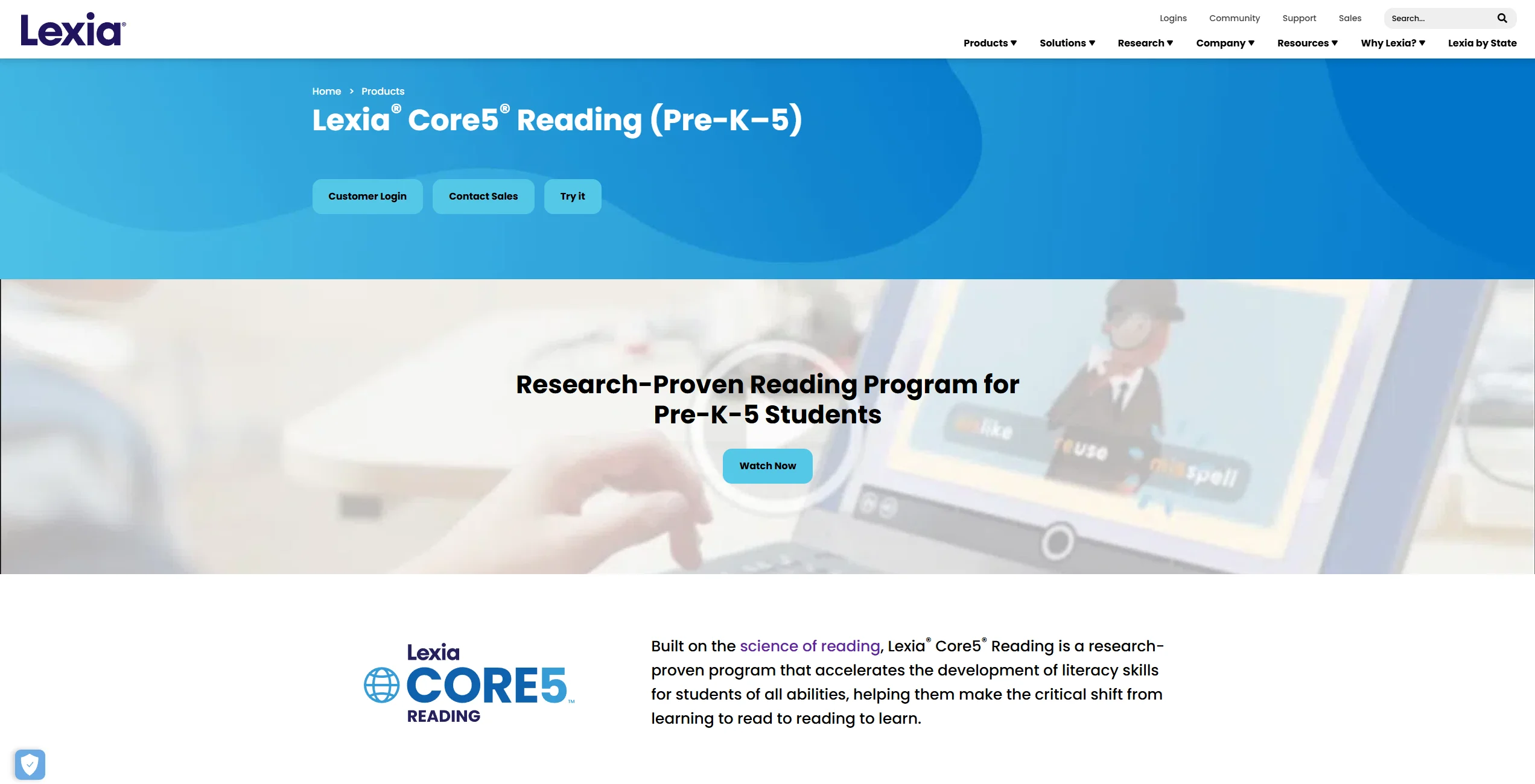
Lexia Core5 is widely used as a reading support program in many school settings. Developed by Lexia Learning, it is a research-proven, adaptive blended learning program that focuses on providing a highly individualized experience. Unlike many apps that emphasize entertainment elements, Lexia focuses on structured reading instruction designed to support literacy development.
Instructional Model and Program Structure
The software is divided into levels that correspond to different grade-level expectations (from Pre-K through 5th Grade). The system uses a “Three-Step Instructional Branching” model. If a student succeeds, they move through the learning journey quickly. If they struggle, the program automatically branches into “Guided Practice” with more support. If the struggle continues, it provides “Direct Instruction” to explicitly teach reading skills before the student moves on, ensuring mastery before progression.
Adaptive Learning Technology
The standout feature of Lexia Core5 is its “Assessment Without Testing” technology. The program is constantly gathering data on the student’s performance as they work. It doesn’t just tell you what they got wrong; it predicts their future performance and tells the teacher (or parent) exactly which reading skills need offline intervention. This proactive approach is intended to help identify potential learning gaps early.
Literacy Skills Targeted by Lexia
Lexia expands on the traditional pillars by adding Structural Analysis (the study of word parts like prefixes and suffixes). This makes it particularly strong for students as they move into more complex, multi-syllabic words in upper elementary grades.
- Phonological Awareness (Rhyming, segmenting, and blending).
- Phonics (Letter-sound correspondence).
- Structural Analysis (Greek and Latin roots, affixes).
- Automaticity/Fluency (Timed tasks to build speed).
- Vocabulary (Academic language and word relationships).
- Comprehension (Inferencing and narrative structure).
Learning Experience for Students
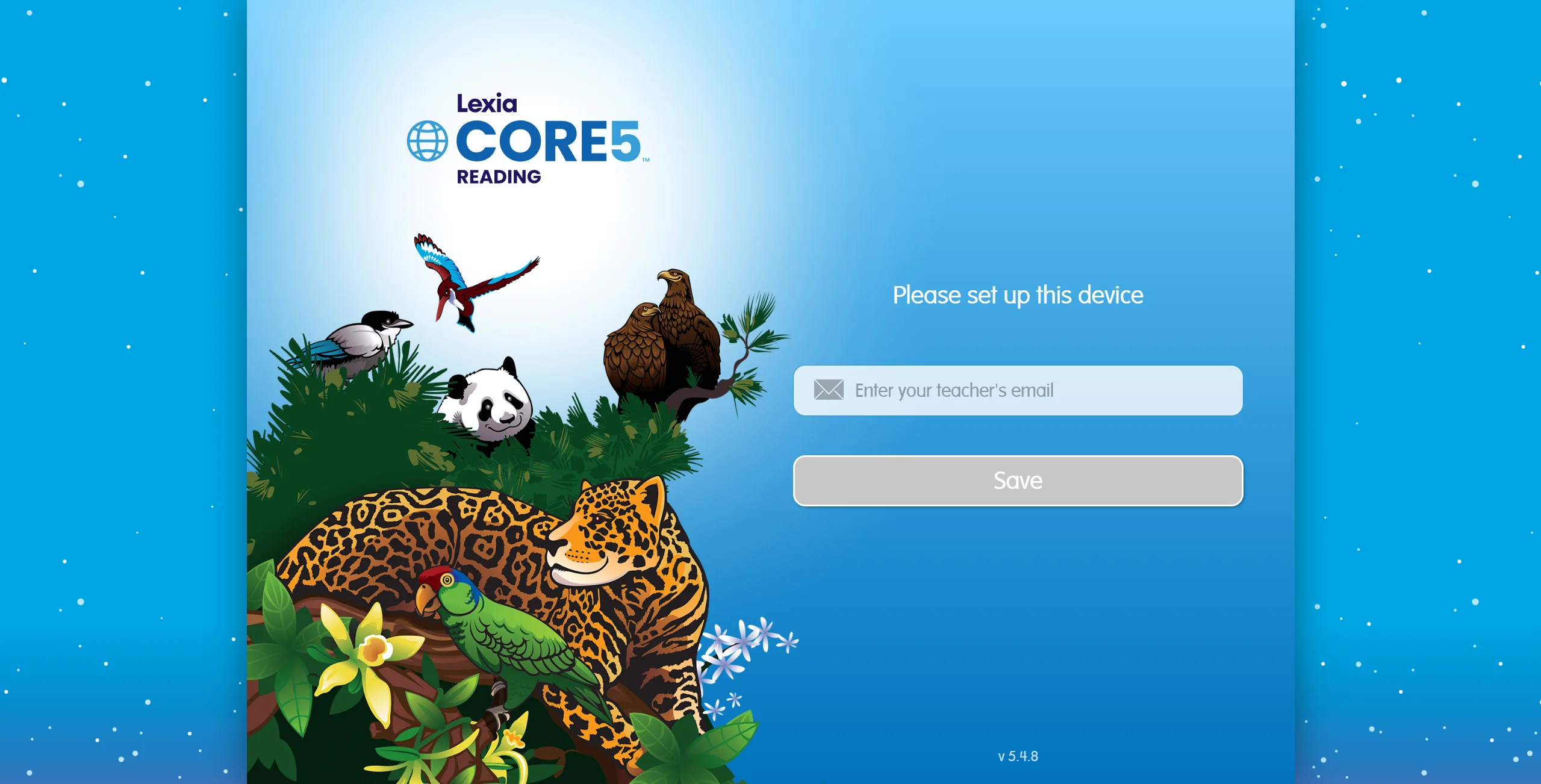
The interface is clean, modern, and less “cluttered” than its competitors. Each level is themed after a different location in the world (like the Amazon Rainforest or the Egyptian Pyramids), providing a sense of global exploration. While there are animations, they are more understated, focusing the student’s attention squarely on the online reading games and activities at hand. It creates a calm, focused environment for effective reading practice.
Reading Eggs vs Lexia: Teaching Approach Comparison
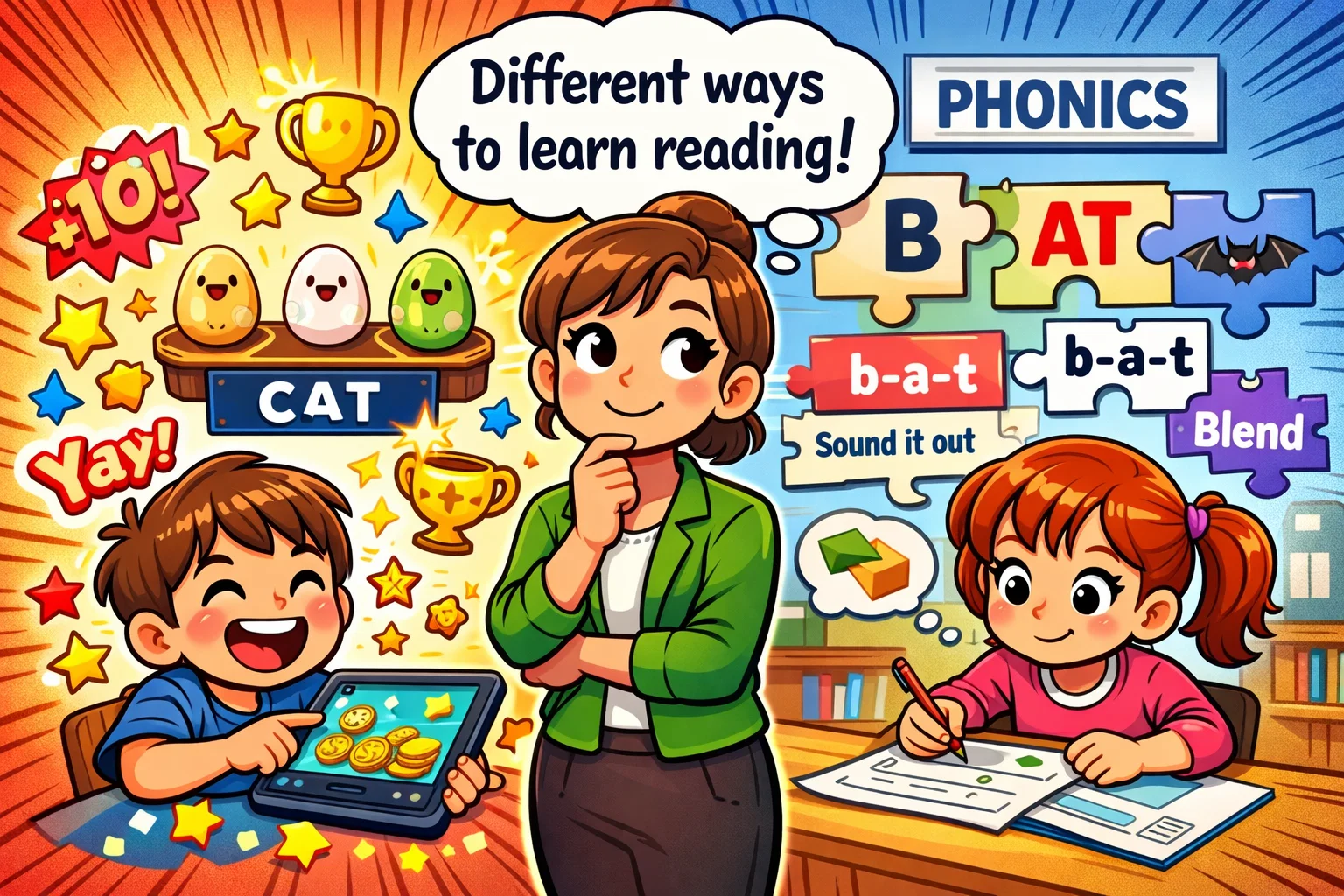
| Feature | Reading Eggs | Lexia Core5 |
| Primary Philosophy | Engagement through gamification. | Adaptive, structured literacy intervention. |
| Pacing | Linear progression with placement tests. | Adaptive branching based on real-time performance. |
| Instruction Style | Explicit and systematic via animation. | Explicit, systematic, and scaffolded. |
| Focus | Learning to read through fun and repetition. | Accelerating literacy through data-driven paths. |
| Research Base | Based on five pillars of literacy. | Deeply rooted in the Science of Reading. |
Phonics Instruction Methods
Reading Eggs uses a very “play-based” method to teach phonics. Children might play a game where a character eats a specific sound or “collects” words. It is highly visual and auditory. Lexia Core5, by contrast, is more “direct.” It may show a student a letter and ask them to match it to a sound without as many distracting elements. Both are effective, but Lexia’s approach is often preferred for students with significant reading challenges or sensory processing needs, as it minimizes “visual noise.”
Structured Literacy vs Game-Based Learning
If a family prefers a reading program that feels more like a game, the Reading Eggs platform may be more appealing. However, Lexia is rooted in “Structured Literacy,” which is a specific pedagogical approach highly recommended for students with dyslexia. Reading Eggs focuses on motivating children to practice regularly, while Lexia focuses on structured skill development through guided activities.
Lesson Adaptation and Skill Progression
The way these two reading programs offer progression differs significantly. Reading Eggs is largely linear; if a child finishes Lesson 1, they go to Lesson 2. While they can repeat segments, the “path” is set. Lexia is dynamic; it constantly reshapes itself around the student. If a child masters a concept quickly, Lexia may move them forward to more advanced activities, whereas it may slow the pace if a student struggles with a reading concept.
Support for Struggling Readers
For a child who is finding literacy difficult, both systems offer a lifeline. The “Eggs” system allows you to reset the exact reading level and redo segments as many times as needed. Lexia, however, is built for intervention. It “flags” specific areas of weakness for parents, providing printable reading worksheets and scripted “Lexia Lessons” to help you teach your child to read offline with confidence.
Reading Eggs vs Lexia: Features and Tools
Student Dashboard and Learning Interface
The reading platform design for students differs in “vibe.” Reading Eggs is an open-world island where a child can choose to go to the “Storylands,” the “Arcade,” or the “Library.” This freedom is great for autonomy but can sometimes lead to distraction. Lexia’s dashboard is more streamlined—students generally have one “Next Step” to take, which simplifies the experience for those who get overwhelmed by choices.
Progress Tracking and Reports
Both programs provide robust data, but for different audiences. Reading Eggs sends “Email Updates” to parents, celebrating when a child completes a map or earns a certificate. It’s very encouraging and focuses on milestones. Lexia provides a “Dashboard” that is more analytical, showing exactly how many minutes the child has used and their percentage of progress toward grade-level goals. It is designed to show reading tutor-level detail.
Placement Tests and Skill Assessment
Both offer an initial assessment to determine the starting point.
- Reading Eggs: The test is a series of multiple-choice questions. If a child gets three wrong, the test ends and places them on a map.
- Lexia: The “Auto Placement” is highly granular, often placing children in specific “units” rather than just broad levels, ensuring they aren’t bored by things they already know.
Rewards, Motivation Systems, and Engagement
The platform includes a feature called ‘The Stadium’ (within the Eggspress environment), where students can compete in spelling and vocabulary challenges against other players worldwide. This social element can help motivate some students. Reading eggs makes learning a social experience. Lexia relies more on “Streaks” and the completion of “Skill Builders,” which may feel less “exciting” but builds a more intrinsic sense of achievement.
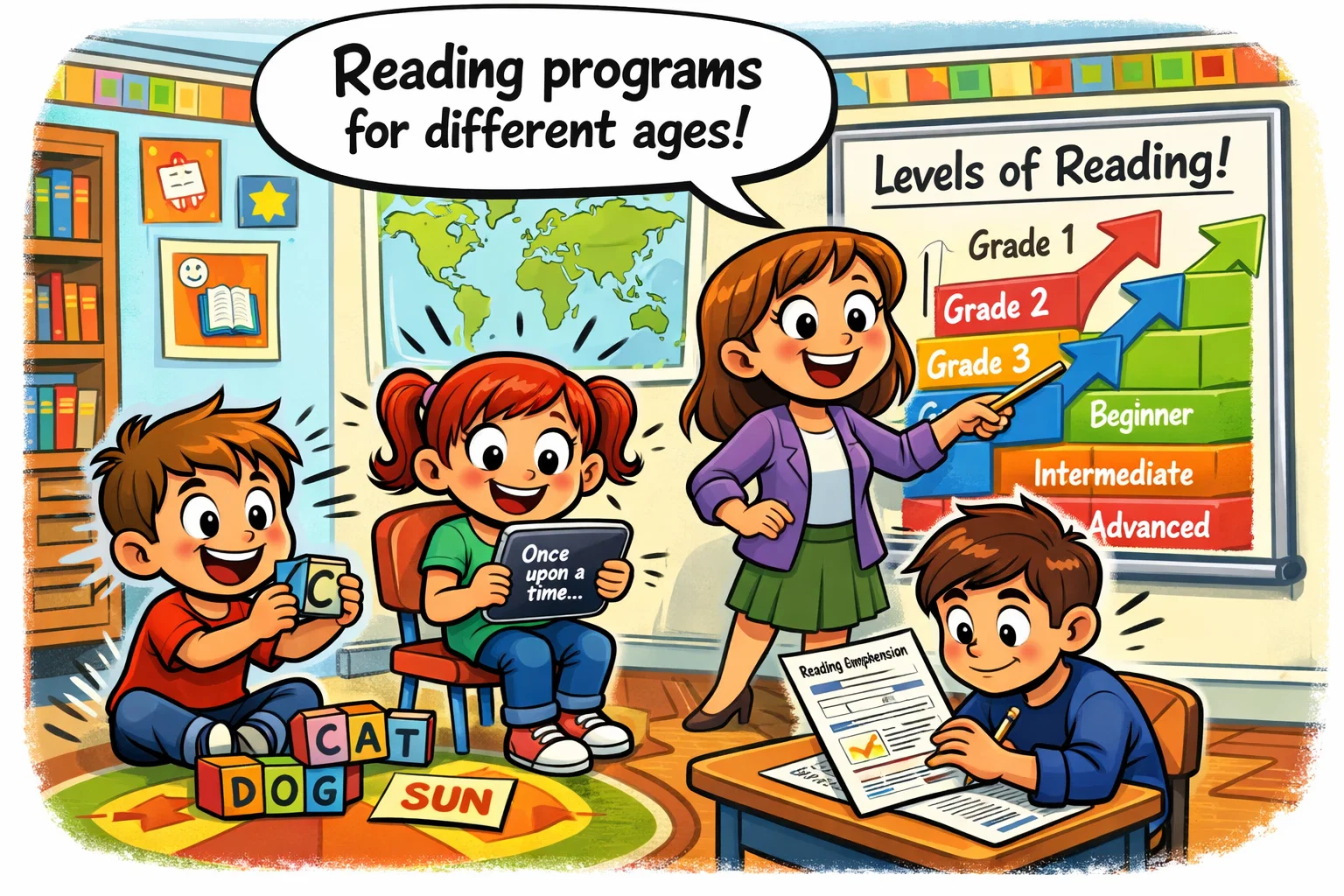
Age Range and Grade Levels
Recommended Age Range for Reading Eggs
This program officially covers ages 2–13. It is uniquely split into sections:
- RE Junior: Ages 2–4 (focuses on pre-literacy).
- Reading Eggs: Ages 4–7 (the core learn to read phase).
- Eggspress: Ages 7–13 (focuses on reading comprehension and literature).
Recommended Age Range for Lexia Core5
Lexia Core5 specifically targets Pre-K through 5th Grade (ages 4–11). It is designed to provide a solid foundation for the elementary years. For older students (grades 6–12) who are struggling, Lexia offers a separate program called PowerUp Literacy, which has more mature graphics and themes.
Suitability for Early Readers
Reading Eggs is often considered suitable for very young children (ages 2–4) because of the “Junior” section, which focuses on listening skills and visual matching. Lexia begins at the Pre-K level, which requires a slightly higher degree of focus and mouse/touch control. Early reading skills like letter-sound recognition are handled well by both, but the “Eggs” interface is more toddler-friendly.
Suitability for Older Elementary Students
As children progress, reading eggspress offers a massive library of thousands of books and competitive games that keep 10-year-olds interested. Lexia Core5 remains highly academic; while the “world tour” theme keeps it interesting, it may feel “too much like school” for an older child who isn’t self-motivated.
Reading Eggs vs Lexia: Pricing and Subscription Plans
Reading Eggs Pricing Structure

It is one of the more affordable options for families.
- Monthly: ~$9.99 for a subscription that supports up to four children under one account.
- Annual: ~$69.99 for a subscription that supports up to four children under one account, making it a cost-effective option for families.
- The standard subscription already supports up to four children per account, so families can add multiple learners without purchasing separate individual subscriptions.
- Free Options: They offer a 30-day free trial for new users, after which the subscription renews automatically unless cancelled before the next billing cycle.
Lexia Pricing Model
Lexia is primarily a B2B (Business to Business) product sold to school districts. However, Lexia does not typically sell individual home licenses directly; access for families is usually available through approved partners such as Family Literacy Centers or educational resellers.
- Annual License: Home access purchased through partners typically costs around $175 per year for the first student, with discounted pricing for additional students depending on the reseller.
- Availability: Free trials are generally not available for home users purchasing through resellers, although some providers offer a short money-back guarantee instead.
Value for Families and Schools
For a parent on a budget, reading eggs pricing is much more accessible. It offers a relatively affordable package that includes games, books, and printable materials. However, if your child has a significant gap in their literacy skills, the higher price of Lexia may be worth it for the reading intervention programs-style quality.
Pros and Cons
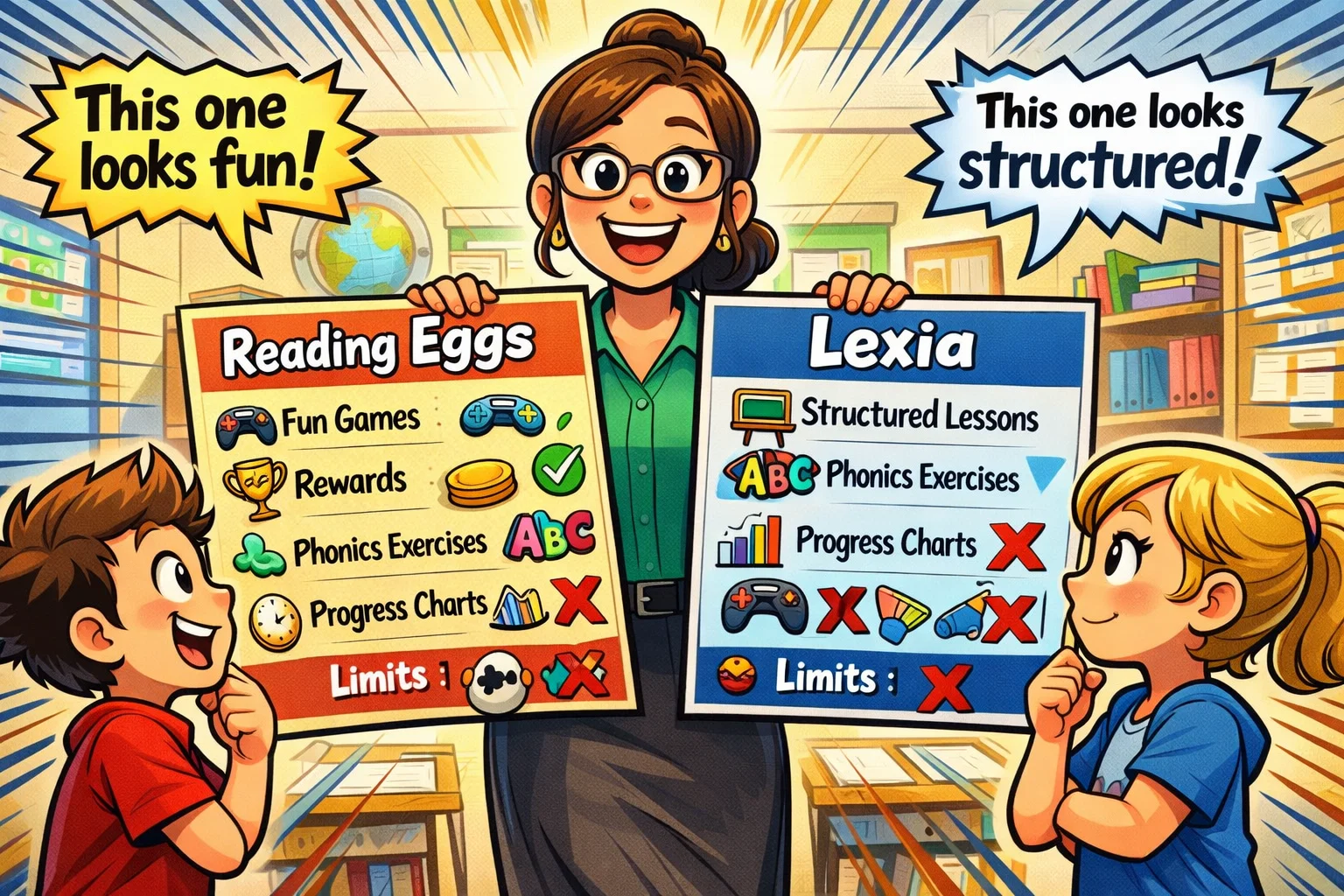
Advantages of Reading Eggs
- High Engagement: The app provides a highly engaging experience compared with many other reading apps.
- Variety: Includes reading games, a library, and spelling challenges.
- Accessibility: Very easy to sign up and start a free trial immediately.
- Independence: Most children can navigate the Reading Eggs activities independently without help.
Advantages of Lexia Core5
- Data-Driven: The Lexia Core5 system is designed to identify gaps in reading skills.
- Scientific Foundation: Built on the science of reading and structured literacy.
- Focus: No distracting games; the student stays on task.
- Teacher Support: Provides amazing resources for parents to help your child learn offline.
Potential Limitations of Reading Eggs
Some critics argue that the reading eggs app relies too much on rewards. Children may click through activities quickly just to get the golden eggs without truly absorbing the material. Furthermore, the “busy” screen can be distracting for kids who need a calm environment to focus on phonemic awareness.
Potential Limitations of Lexia Core5
The biggest drawback is the cost and availability for home users. Additionally, because it is so structured, it can feel repetitive. A child who thrives on variety might find the Lexia experience a bit “dry” compared to the colorful world of the competition.
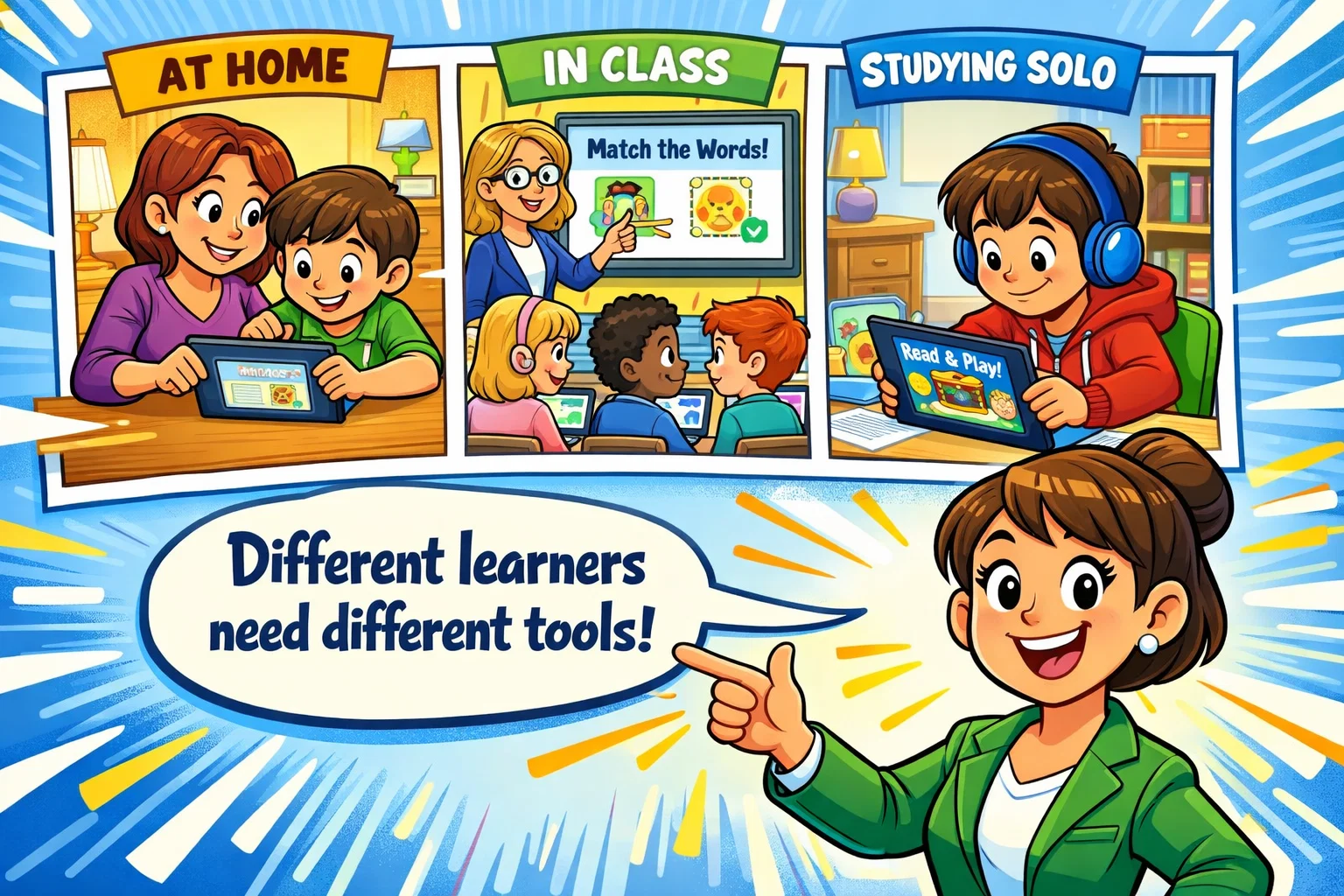
Which Program Fits Different Learning Situations
Best Choice for Homeschooling Families
For families looking for an all-in-one reading curriculum, Reading Eggs is a commonly used option. It allows parents to step back while the child follows a clear, mapped-out path. The addition of reading worksheets that match the online work makes it a complete package.
Best Option for Classroom Support
Lexia® Core5® is the clear winner for school integration. Its ability to provide “real-time actionable data” allows teachers to group students by need. If your school already uses Lexia, staying with it at home ensures consistency in your child’s learning journey.
Programs for Children Who Need Extra Practice
If you’re looking for a reading boost for a child who is slightly behind, Reading Eggs is great for building confidence. However, for a child with a specific learning disability like dyslexia, the structured reading approach of Lexia is often more effective at building the necessary neural pathways for literacy.
Programs for Independent Learning
Reading eggs allows for a lot of exploration. If your child is a “self-starter” who loves to discover new things, they will love the “Plaza” and the “Library.” Lexia is better for a child who needs a very clear, guided path without too many “forks in the road.”