

Choosing the right digital environment for your child is no longer just about picking a show; it is about selecting an entire ecosystem that aligns with your family’s values, budget, and educational goals. As the streaming landscape continues to shift, two major platforms stand out for their different approaches to children’s media: Netflix, a global subscription service, and PBS Kids, a leading American public media provider. While both platforms offer high-quality programming, they tend to serve different purposes depending on a child’s developmental stage.
This evaluation provides a neutral, in-depth comparison of how these platforms accommodate children of different ages. We will explore the nuances of their content libraries—including the distribution of educational staples like Sesame Street—and break down the logistics of cost, safety, and usability. Whether you are looking for a robust library of family movies or a safe, curriculum-based haven for a preschooler, understanding the structural differences between these services is essential for informed parenting in the digital age.
Platform Overview
To understand which service fits your home, it is helpful to first look at their foundational missions. Netflix operates as a commercial, data-driven entertainment provider, whereas PBS Kids functions as a non-profit educational resource.
Netflix Global Streaming Model
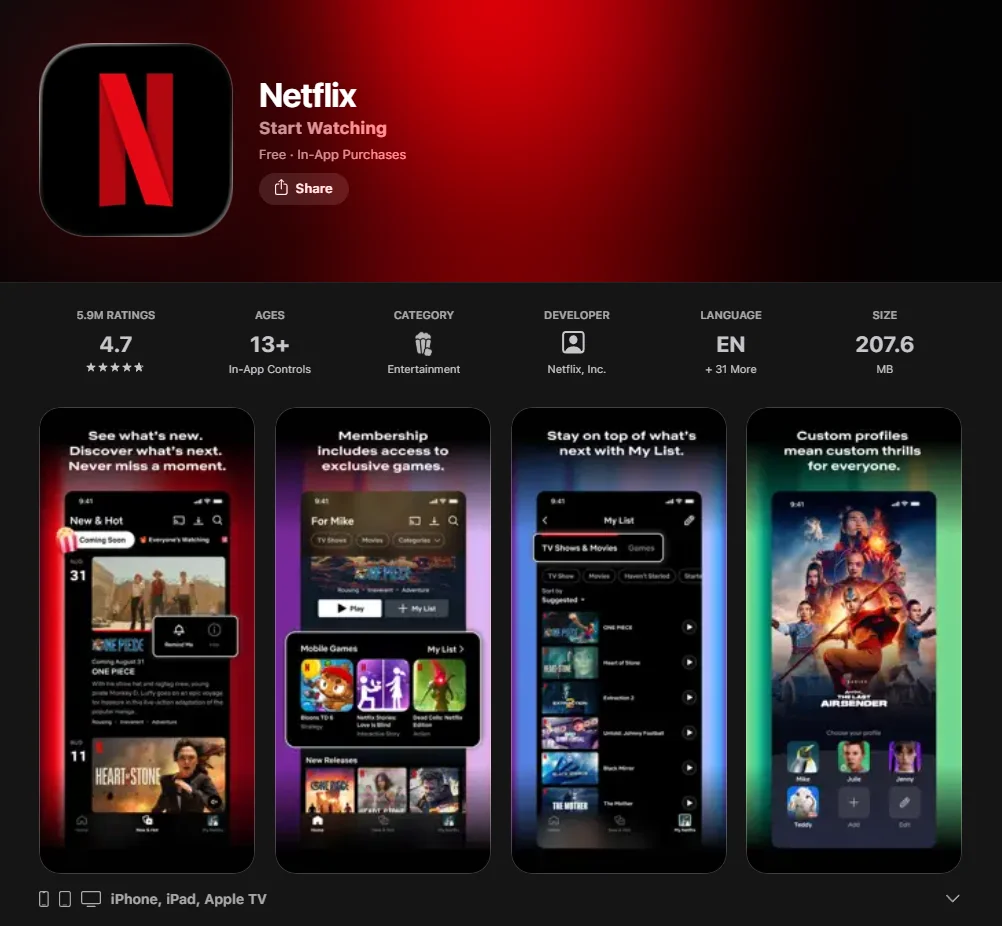
Netflix utilizes a subscription-based structure available in over 190 countries, although availability is subject to regional restrictions and licensing limitations. Its model relies on a sophisticated algorithm designed to keep users engaged by suggesting content based on viewing history. For families, this means a “Kids” profile acts as a sub-section of a larger household account. Netflix invests heavily in original productions, creating a massive “walled garden” of exclusive content that ranges from simple nursery rhyme animations to complex teen dramas.
PBS Kids Public Media Ecosystem
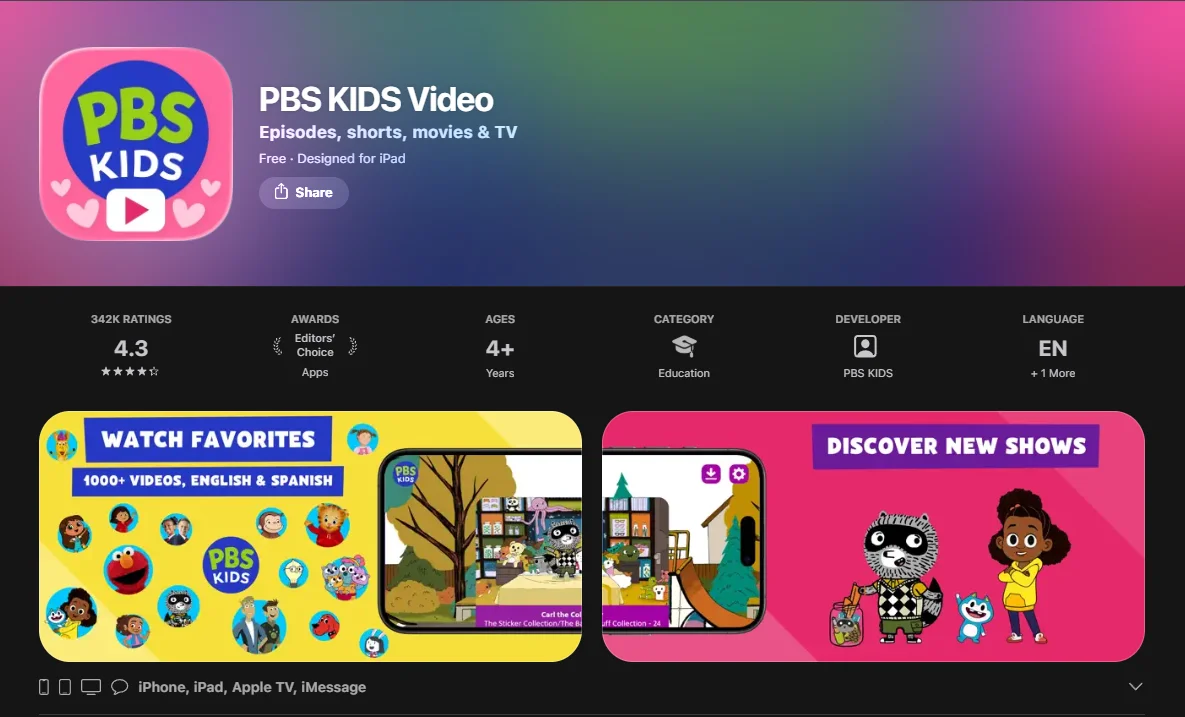
In contrast, PBS Kids is built on a non-profit, public media framework. It is deeply integrated with local PBS stations across the United States, funded through a combination of federal funding, member donations, and corporate underwriting. Its primary mission is not subscriber growth, but universal access to educational programming. This “free access” model ensures that children from all socioeconomic backgrounds can access high-quality learning tools via broadcast television and digital platforms.
Device Compatibility and App Availability
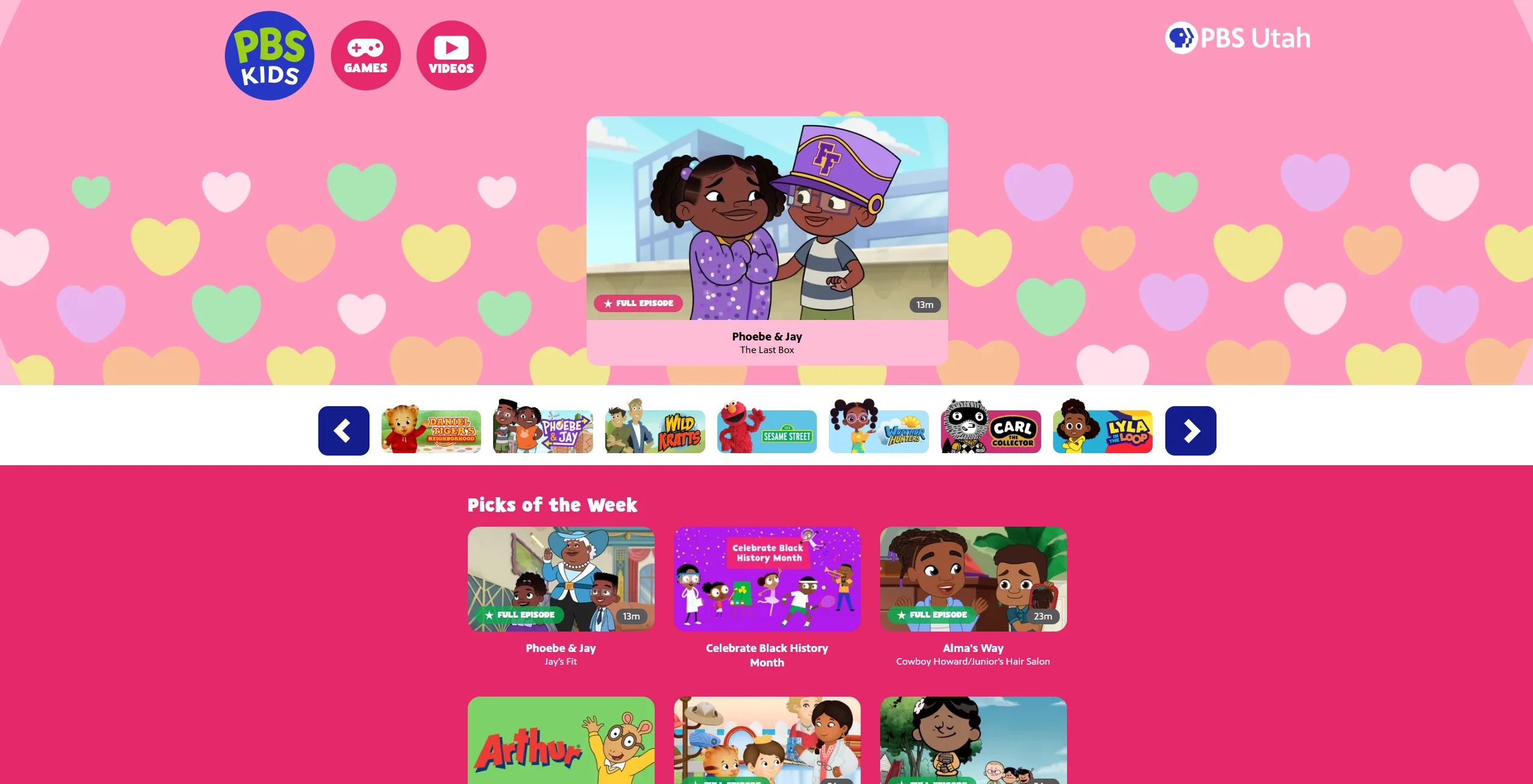
Both services offer excellent technical accessibility, though their regional availability differs significantly.
| Feature | Netflix | PBS Kids |
| Availability | Global (190+ countries) | Primarily U.S. & Territories |
| Cost | Monthly Subscription Fee | Free |
| Smart TV/Mobile Support | Extensive (All major brands) | Extensive (All major brands) |
| Gaming Consoles | Yes (PlayStation, Xbox) | Limited support |
| Web Browser Access | Yes | Yes |
While Netflix is a global powerhouse, PBS Kids is more geographically restricted due to its domestic funding model, though some of its content is distributed internationally through various licensing deals.
Content Library Comparison
Ultimately, the comparison often comes down to which shows are available. The catalogs of these two platforms represent two different philosophies: “the library of everything” versus “the curated classroom.”
Original Series and Exclusive Titles
Netflix has established itself as a premier destination for original kids and family movies. Titles like The Sea Beast or Klaus offer cinematic quality that rivals major film studios. Conversely, PBS Kids is the home of legacy brands. Historically, Sesame Street episodes debuted on HBO and later Max under a 2015 distribution agreement. However, following changes in that partnership, Sesame Workshop entered a new distribution deal with Netflix. Under the updated model, new episodes premiere on Netflix while also being made available on PBS and PBS KIDS platforms in the United States, subject to current distribution agreements. The partnership between Sesame Workshop and public media remains a cornerstone of the American children’s television landscape.
Educational Programming Focus
The curriculum-based structure is where PBS Kids stands out in this area. Every show on the platform—from Daniel Tiger’s Neighborhood to Wild Kratts—is developed with specific developmental goals in mind, such as social-emotional well-being or STEM literacy. Netflix offers educational content, such as StoryBots or Ada Twist, Scientist, but these sit alongside a much larger volume of “pure entertainment” shows that may not have a formal curriculum attached.
Genre Diversity and Catalog Size
- Netflix: Boasts a massive catalog including animation, live-action, interactive “branching narrative” specials, and documentaries.
- PBS Kids: Focuses almost exclusively on preschool and early elementary age groups, with a heavy emphasis on animated and live-action educational segments.
Content Updates and Release Strategy
Netflix typically “drops” entire seasons at once, encouraging a binge-watching model. PBS Kids follows a more traditional broadcast rotation. On PBS Kids digital platforms, you might find a rotating selection of “Weekly Picks” or full 11-minute segments, whereas Netflix typically keeps past seasons accessible as long as licensing agreements remain in place.
Age Suitability
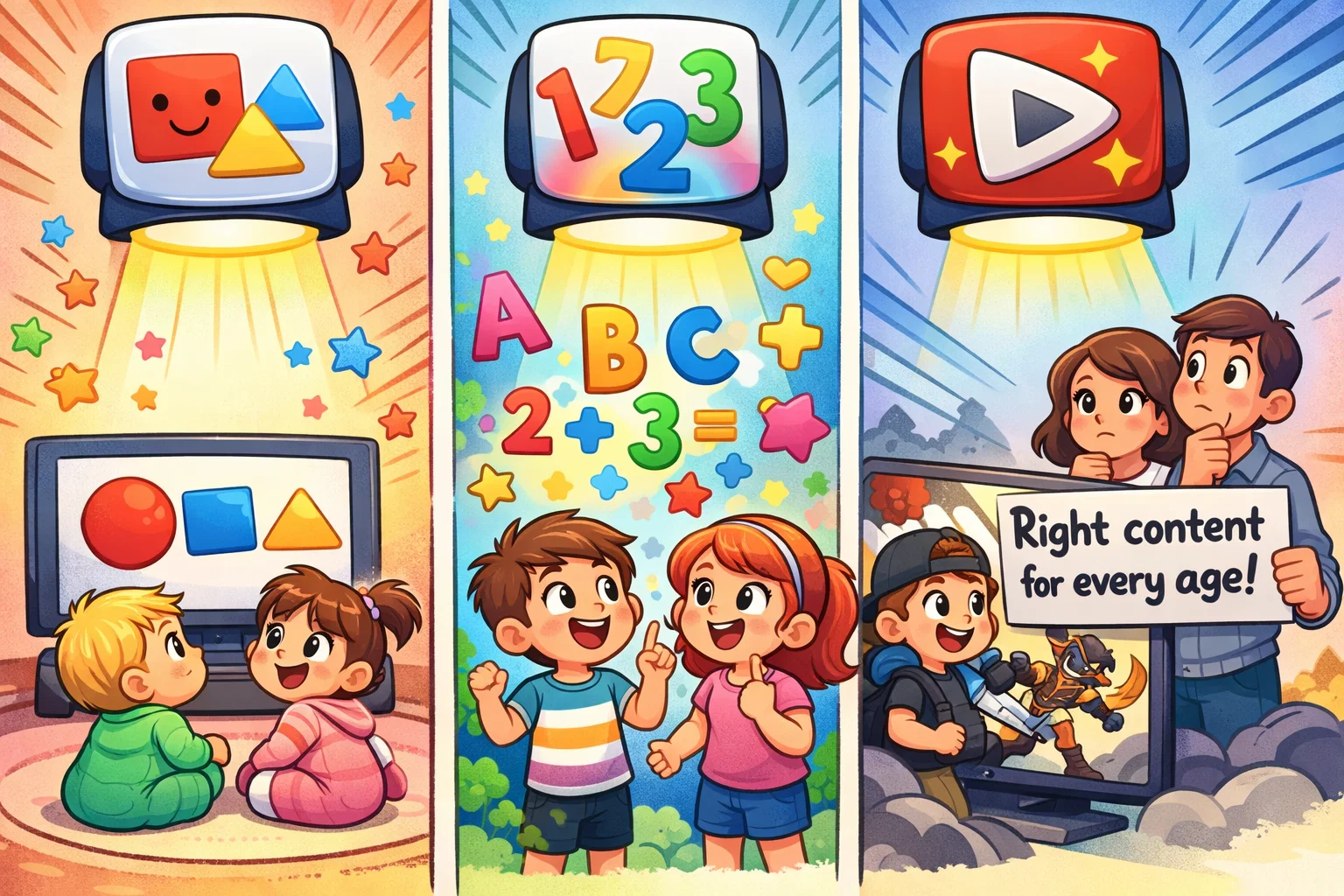
Developmental stages dictate how a child interacts with a screen. A three-year-old needs simplicity; a ten-year-old needs complexity.
Toddlers and Preschoolers
For the youngest viewers, PBS Kids may offer a more controlled viewing environment. The interface is designed for non-readers, using character icons (like Elmo or Curious George) to navigate. The pacing of shows like Donkey Hodie is intentionally designed to be manageable for developing brains. Netflix’s “Kids” mode is also excellent, but the sheer volume of choices can sometimes be overwhelming for a toddler without parental guidance.
Early Elementary Children
As children enter school, their needs shift toward social lessons and science. Both platforms excel here. Netflix offers diverse representation and global perspectives through international acquisitions. PBS Kids continues to build on academic foundations, moving into more complex literacy and problem-solving themes.
Older Kids and Preteens
This is where the platforms diverge sharply. PBS Kids’ appeal often decreases after around age 8, depending on the child’s interests. Netflix, however, has a vast library of PG and PG-13 content, including the Jurassic World: Camp Cretaceous series and various family sitcoms. For households with older children, Netflix provides a “bridge” into more mature storytelling that PBS Kids simply does not offer.
Profile Controls and Maturity Filters
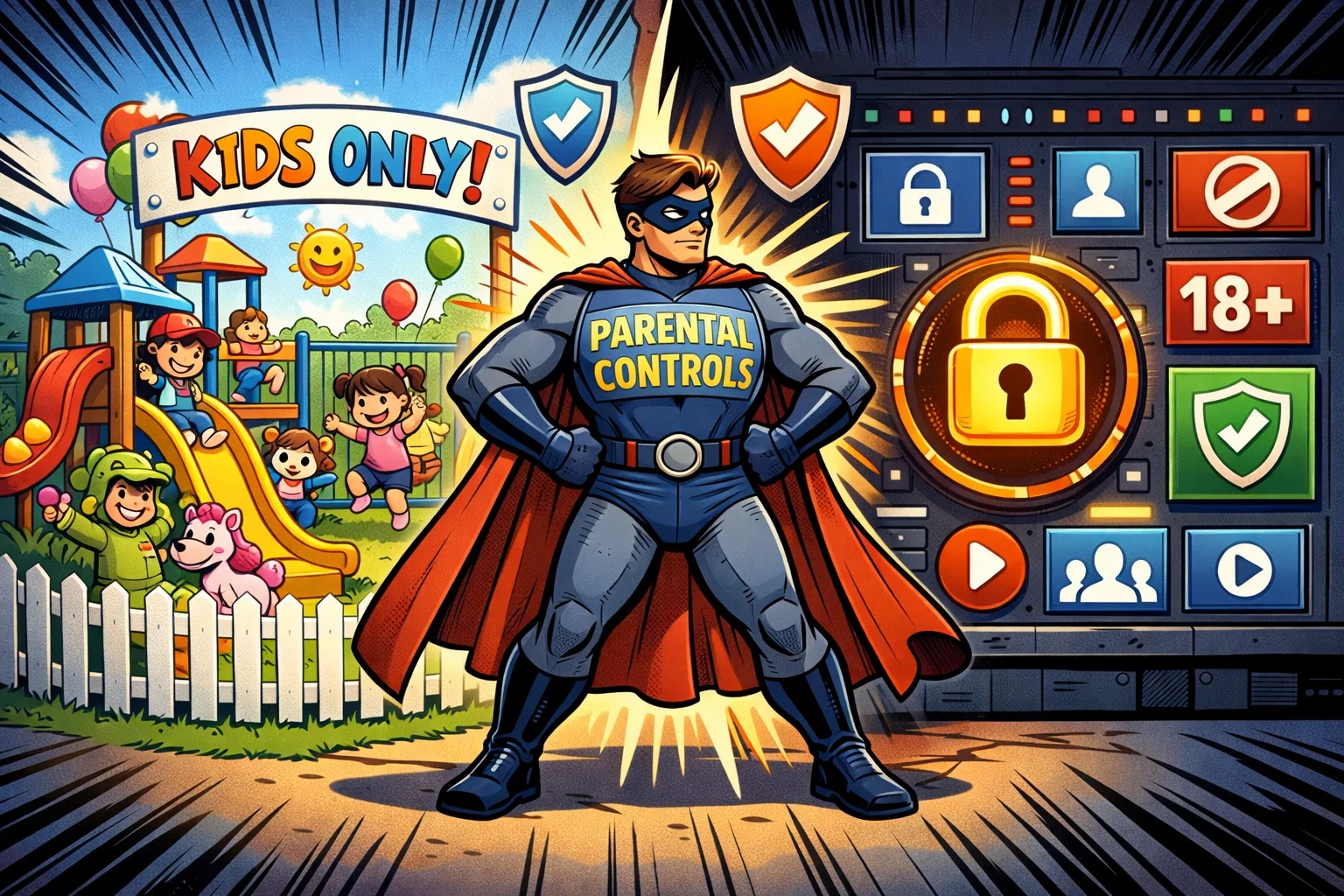
Netflix provides robust parental controls, including:
- PIN Protection: Lock adult profiles so children cannot exit the Kids section.
- Rating Filters: Set specific age limits (e.g., only allow TV-Y and TV-G).
- Title Blocking: Manually remove specific shows you don’t want your child to see.
PBS Kids is “safe by design.” Because the entire app is curated for children, there is no risk of a child accidentally clicking into an R-rated horror movie.
Pricing and Value
The “cost of content” is a major factor for modern families, especially as streaming fatigue sets in.
Subscription Plans and Monthly Pricing
Netflix operates on a tiered pricing model that varies by country and plan type that varies by country and plan type (such as ad-supported, standard, and premium tiers). Annual costs depend on regional pricing and the selected subscription level. PBS Kids is free. There are no subscription fees, making it the most budget-friendly option for families.
Advertising and Sponsorship Differences
Netflix offers lower-priced ad-supported tiers in many markets. However, ads are not shown within dedicated Kids profiles. This reflects a broader industry shift toward ad-supported streaming models, even though the child-specific viewing environment remains ad-free. PBS Kids does not have “commercials” in the traditional sense. Instead, it features short sponsor messages (underwriting) at the beginning and end of programs, which are usually quiet and non-promotional in nature.
Value for Multi-Child Households
Netflix allows for multiple “streams” (viewing on different devices at once), depending on your plan. PBS KIDS does not require a subscription login for access to its core video content, allowing simultaneous viewing on multiple devices, subject to normal internet and platform limitations.
User Experience and Interface
Kids Interface Design
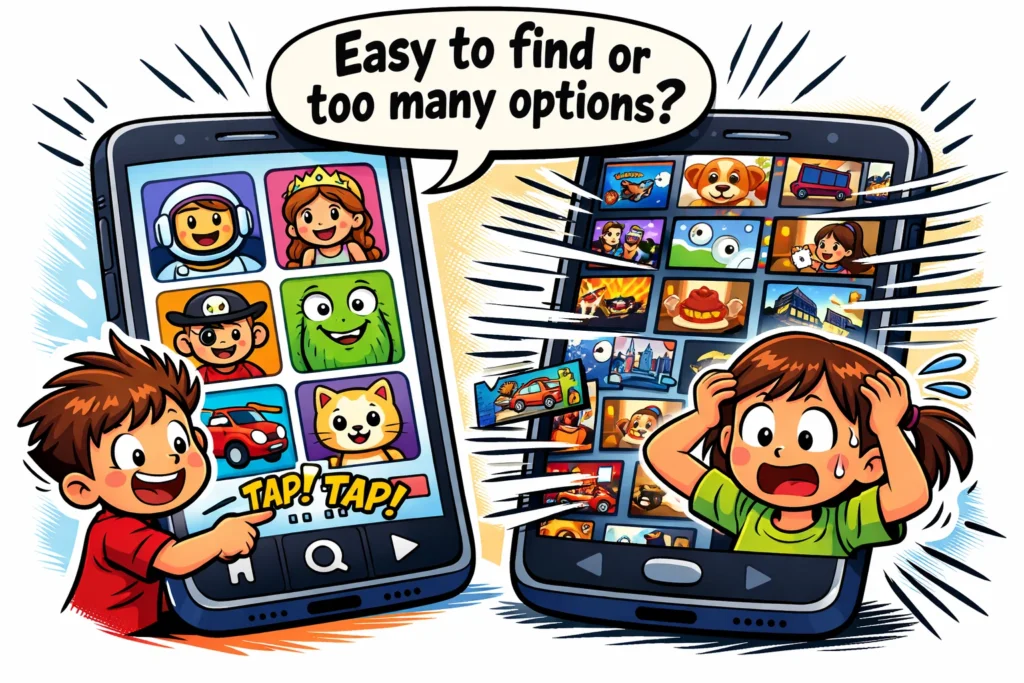
Netflix uses a “rows of content” layout familiar to adults but tailored with character-based icons. It uses an AI recommendation engine to show “More Like This.” PBS Kids uses a more colorful, playful interface where the characters are the primary navigation tool, which research suggests is more intuitive for younger children.
Offline Viewing Options
Netflix is the leader in offline viewing. Their “Downloads” feature is a lifesaver for long car rides or flights. PBS KIDS offers downloadable content within the PBS KIDS Video app for offline viewing on supported devices. While Netflix generally provides broader device coverage and more extensive download controls, PBS KIDS does support offline viewing functionality for many users.
Accessibility Features
Both platforms are committed to accessibility.
- Subtitles and Closed Captioning: Standard on both.
- Audio Description: Netflix has a massive library of content with audio descriptions for the visually impaired.
- Multilingual Options: Netflix offers audio and subtitles in dozens of languages, making it a great tool for bilingual households. PBS Kids offers a significant amount of content in Spanish.
Educational Impact
From a developmental perspective, “educational” can mean many things.
Curriculum Alignment and Academic Themes
PBS KIDS participates in federally supported educational initiatives, including programs funded through grants such as Ready To Learn, and aligns its content with established early learning research and literacy frameworks. Shows are often accompanied by offline resources for parents and teachers. Netflix’s educational content is often “stealth learning”—entertainment-first shows that happen to teach a lesson. While effective, they are generally not developed under the same curriculum-driven framework as PBS series.
Social and Emotional Development
Both platforms place a high priority on emotional well-being. PBS Kids’ Daniel Tiger is perhaps the most famous example of a series built entirely on social-emotional research. Netflix has countered with series like Spirit Rangers, which emphasizes community and cultural heritage.
Screen Time Structure and Pacing
Research by organizations like Common Sense Media suggests that the “binge” model of Netflix can lead to higher total viewing times. PBS Kids’ structure, rooted in the 11-minute segment or half-hour broadcast, provides natural “stop points” that can help parents manage screen time limits more effectively.
Safety and Privacy
Data Collection and Privacy Policies
As a commercial streaming service, Netflix collects viewing and usage data to personalize recommendations and improve platform functionality, in accordance with its privacy policies and applicable regulations. While they adhere to COPPA (Children’s Online Privacy Protection Act) regulations, they are still a data-driven company. PBS KIDS emphasizes child privacy as part of its public service mandate and limits data practices compared to many commercial platforms. However, like most digital services, it does use cookies, device identifiers, and third-party measurement tools in accordance with child privacy regulations.
Content Moderation and Ecosystem Control
Netflix requires parents to be the “gatekeepers” using filters. PBS Kids is a “closed loop,” meaning everything inside the app has already been vetted for children. For parents seeking a more automatically restricted environment, PBS Kids may provide additional reassurance.
Pros and Cons Overview
Advantages of Netflix for Families
- Variety: Massive selection of movies and series for all ages.
- Global Access: Great for families who travel or live abroad.
- Advanced Features: Better offline downloads and 4K streaming.
Advantages of PBS Kids for Families
- Cost: Completely free.
- Education: Research-backed, curriculum-based programming.
- Safety: Significantly reduced risk of exposure to inappropriate content.
Limitations of Both Platforms
- Netflix: Can be expensive; requires active parental monitoring to ensure kids stay on appropriate titles.
- PBS Kids: Limited library for children over age 9; lacks the “blockbuster” movie feel of Netflix.
Industry Context and Streaming Trends
This can be seen in the case of Sesame Workshop. Following the conclusion of its previous arrangement with Max, the organization entered a new distribution agreement with Netflix. Under this model, new episodes premiere on Netflix while continuing to be available on PBS and PBS KIDS in the United States, reflecting a hybrid strategy that combines global subscription revenue with public access.
Which Platform Fits Different Families?
- Families with mixed age groups: Netflix is likely the better value, as one subscription can serve a toddler, a ten-year-old, and the parents.
- Families prioritizing early education: PBS Kids is the gold standard for school readiness and literacy.
- Budget-conscious households: PBS Kids provides high-quality educational content at no cost, making it an essential resource for any family looking to reduce monthly overhead.
Final Comparison Summary
In the end, neither platform is “better” in a vacuum. Netflix is an entertainment powerhouse that offers variety and convenience for a fee. PBS Kids is a long-standing public media resource that offers focused, safe, and free educational tools. Many families find that the most effective strategy is a “hybrid” approach: using PBS Kids for the foundational years and supplementing with Netflix as the child’s interests expand into broader storytelling.