

Choosing the right educational app for kids has become a complex task for modern parents. With screen time being a major consideration in 2026, many families compare two widely recognized platforms: Lingokids and PBS Kids. While both offer high-quality educational content, they represent two fundamentally different philosophies in early childhood education. This comparison provides a neutral, in-depth look at how each platform serves your child’s development, helping families decide based on their goals and budget.
In 2026, the focus has shifted from simple entertainment to “playlearning” and measurable outcomes. Whether you are looking for a highly structured learning path to prepare for kindergarten or a safe, character-driven environment for open exploration, understanding the nuances of these apps is essential. In this review, we examine the learning journey, pricing models, and safety features of both platforms to provide a balanced perspective for parents of young kids.
Lingokids vs PBS Kids Overview
At their core, Lingokids and PBS Kids both aim to make learning enjoyable, but they approach the “how” from opposite directions.
- Lingokids is a premium, curriculum-based learning app developed with input from educators and early childhood learning specialists. It focuses on a structured “Playlearning” methodology, covering everything from early literacy to social-emotional skills through a personalized interface designed for the modern learning app market.
- PBS Kids is a public broadcasting initiative focused on educational content for children. It leverages beloved television characters—like Daniel Tiger and the Wild Kratts—to deliver educational games and videos. It is primarily a free app resource funded by grants and donations, making it one of the most accessible early learning platforms.
| Feature | Lingokids | PBS Kids |
| Primary Goal | Structured academic & life skill readiness | Character-led educational exploration |
| Cost (2026) | Subscription-based (Free limited version) | Completely Free |
| Content Type | Original games, songs, and “Lessons” | Games & Videos based on TV shows |
| Ages | Primarily 2 to 8 years old | 2 to 8 years old |
| Offline Mode | Yes (Premium) | Yes (Selected content) |
What Lingokids Offers
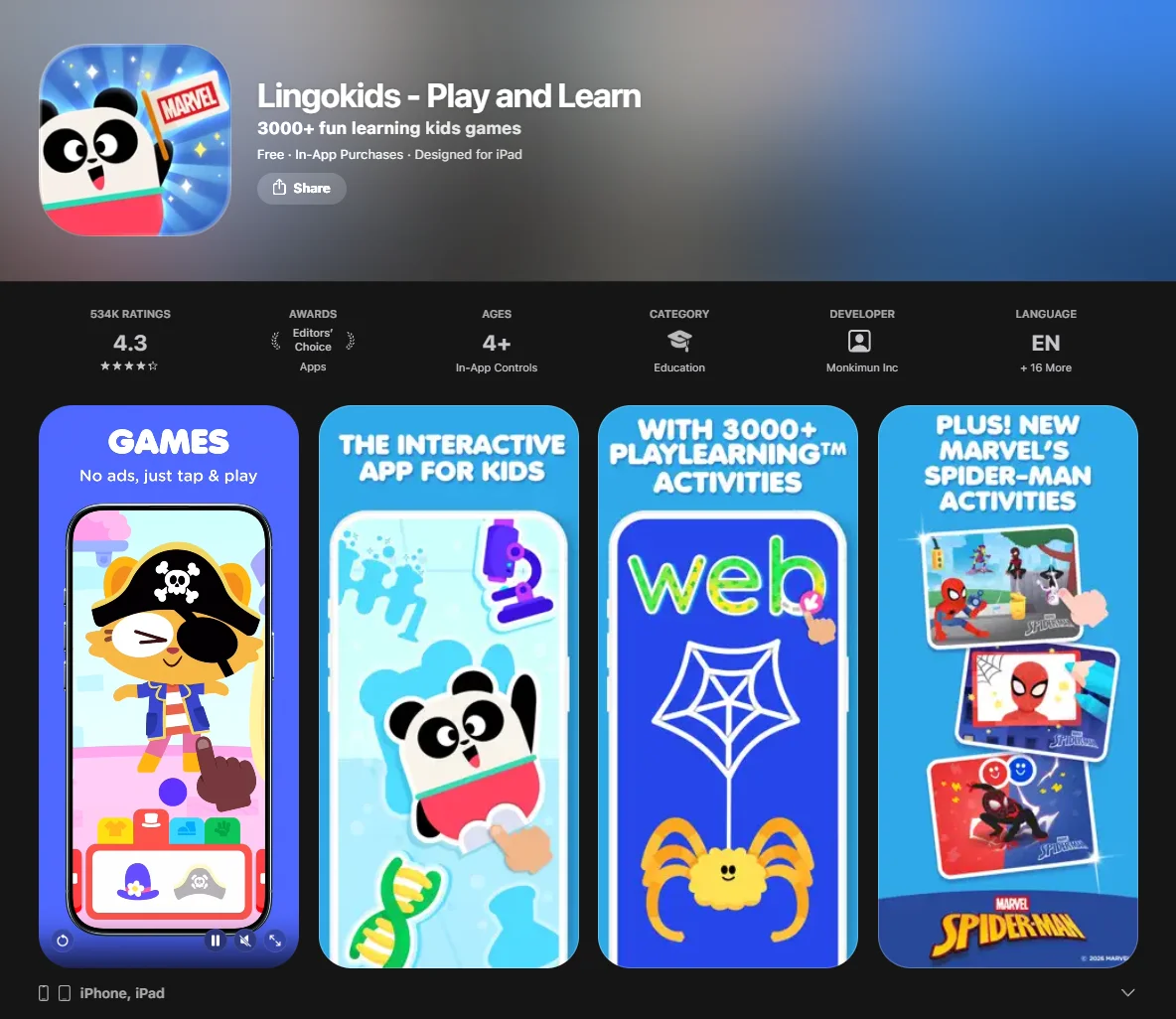
Lingokids position themselves as a comprehensive “learning playground.” In 2026, its standout feature is the interactive learning “Lessons” system. These are not random games; they are themed learning units that guide a child through a full learning cycle with built-in progress checks.
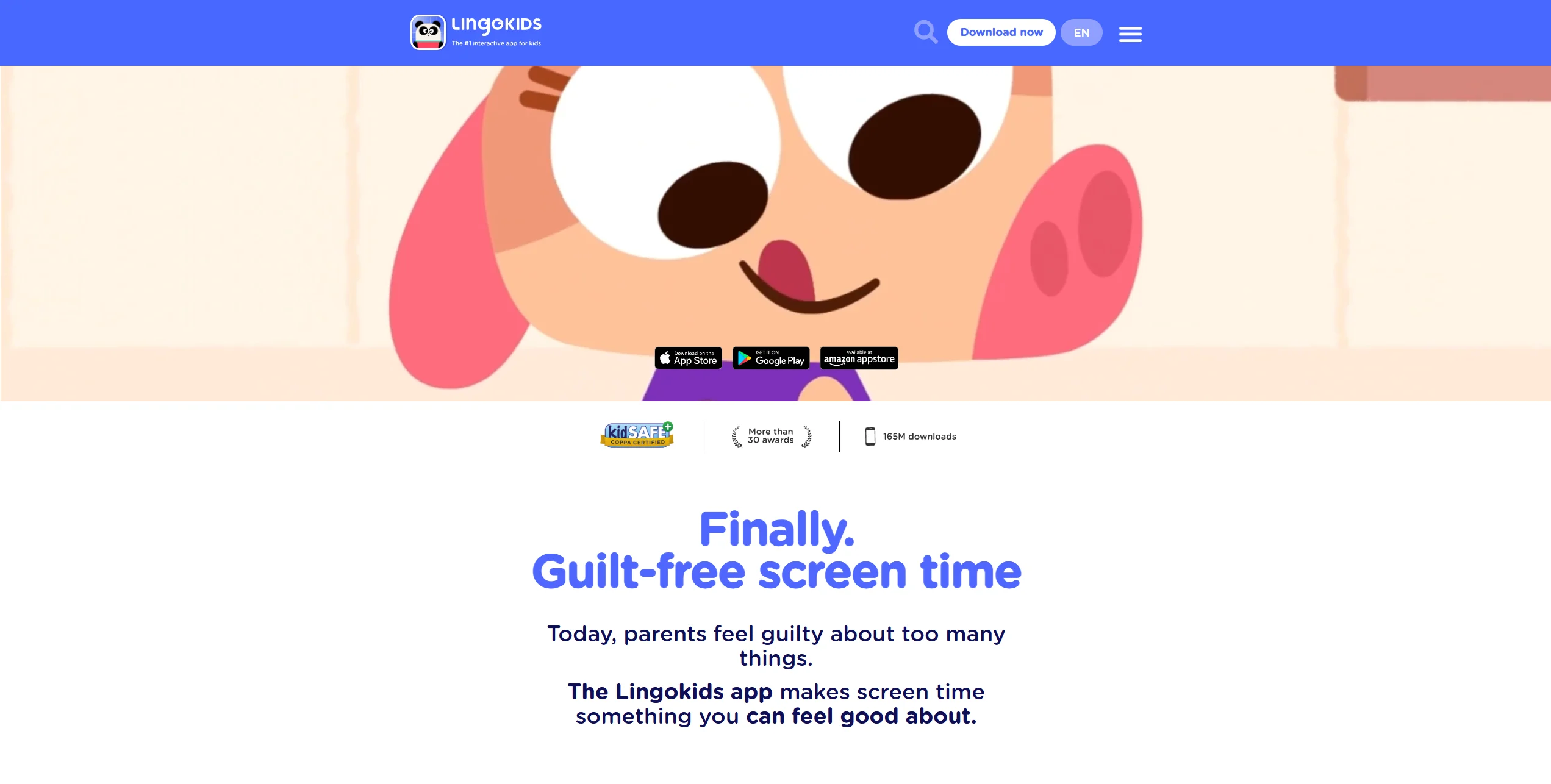
The app covers a broad early-learning curriculum including:
- Reading and Phonics: Structured paths for learning letters and blending sounds.
- Early Math: From counting to basic geometry and logic.
- Life Skills: Lessons on empathy, hygiene, and environmental awareness—often overlooked in traditional software.
- English Language Learning: While great for native speakers, its roots as an ESL tool make it exceptionally strong for vocabulary building for younger kids globally.
What PBS Kids Offers
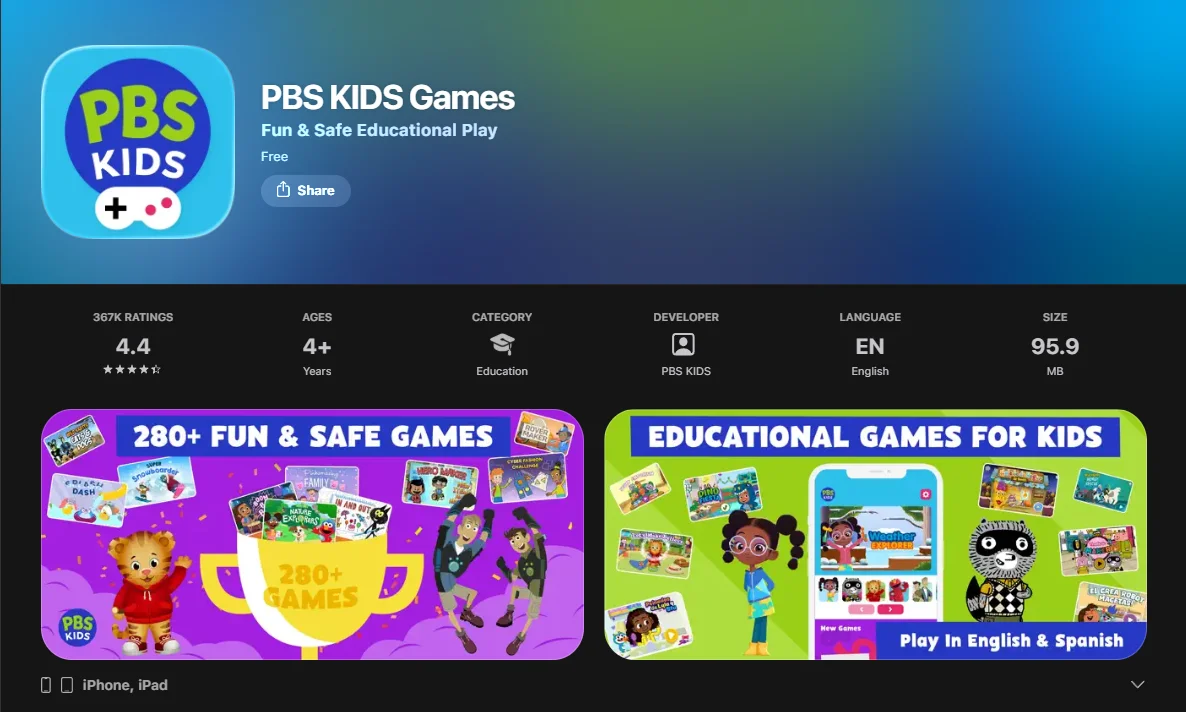
PBS Kids excels in engaging learning through familiarity. If your child loves Daniel Tiger, they aren’t just playing; they are learning about emotional regulation from a trusted friend. The platform is split into two main digital hubs: PBS Kids Games and PBS Kids Video.
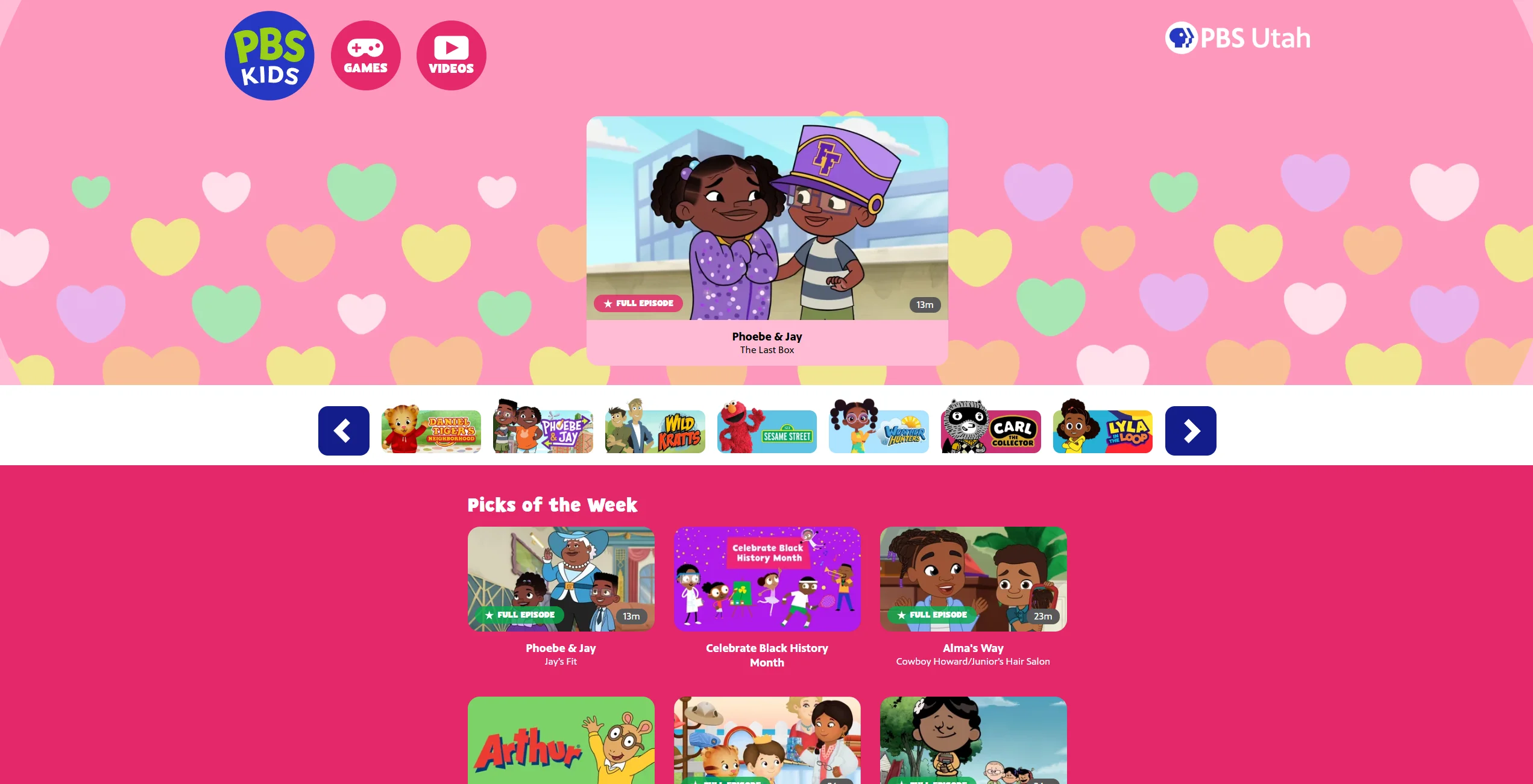
The library is broad across subjects (literacy, STEM, social-emotional learning), and kids can jump between topics without a fixed sequence. It is a “buffet” style of education where the quality of each individual game is high, backed by the educational standards of public broadcasting. Because it is a free app, it removes the barrier to entry for many families.
Core Differences in Educational Philosophy
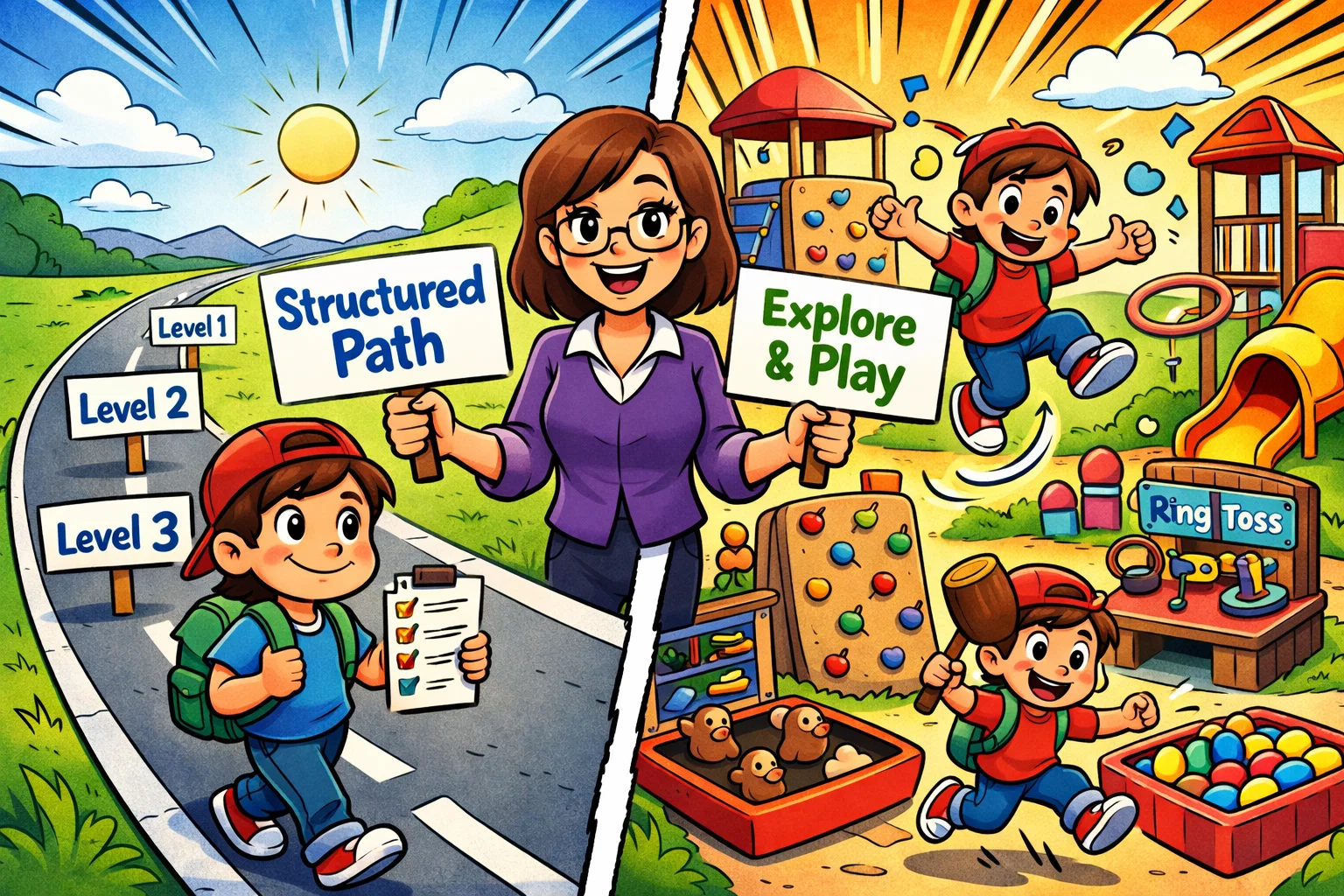
The primary difference lies in structure versus exploration.
While Lingokids builds a staircase for the learner to climb, PBS Kids builds a park for the child to explore.
If a learner masters phonics quickly, the system adjusts and moves them forward. If they struggle, it provides more repetition. PBS Kids, conversely, relies on the child’s natural curiosity. There is no “required” next step. This makes PBS Kids feel less like “school,” while Lingokids feels more like a digital private tutor designed for an engaging learning experience.
Learning Content and Curriculum Depth
Reading and Literacy Skills
Lingokids describes voice-recognition speaking skills as ‘coming soon’ in its curriculum materials (availability may vary). Its phonics program is highly linear, ensuring no gaps in a learner’s foundational knowledge. PBS Kids offers fantastic literacy content through shows like Molly of Denali, focusing more on “informational text” and storytelling comprehension rather than just rote decoding of letters.
Math and Logic Development
Early math in Lingokids is integrated into the learning path, moving from number recognition to basic addition. The app uses gamification techniques to encourage continued engagement. PBS Kids math games (like those from Peg + Cat) are often more narrative-driven, teaching children how to use math to solve “real-world” problems within a story, making early childhood education feel like an adventure.
Science, Creativity, and Social Skills
This is where PBS Kids arguably leads. Their STEM content (Science, Technology, Engineering, Math) is vast, thanks to brands like Wild Kratts. For social skills, the “Daniel Tiger” series is widely recognized for helping younger children understand and manage emotions. Lingokids has countered this by introducing “Modern Life Skills,” including modules on digital citizenship and mindfulness, which are increasingly relevant in 2026.
Content Updates and New Activities in 2026
Both platforms stay fresh, but their methods differ:
- Lingokids: Frequently introduces seasonal “Boosts” and themed content events to keep children engaged.
- PBS Kids: Updates coincide with new TV show seasons, ensuring that the educational games reflect what children are currently watching on screen.
Age Suitability and Development Stages
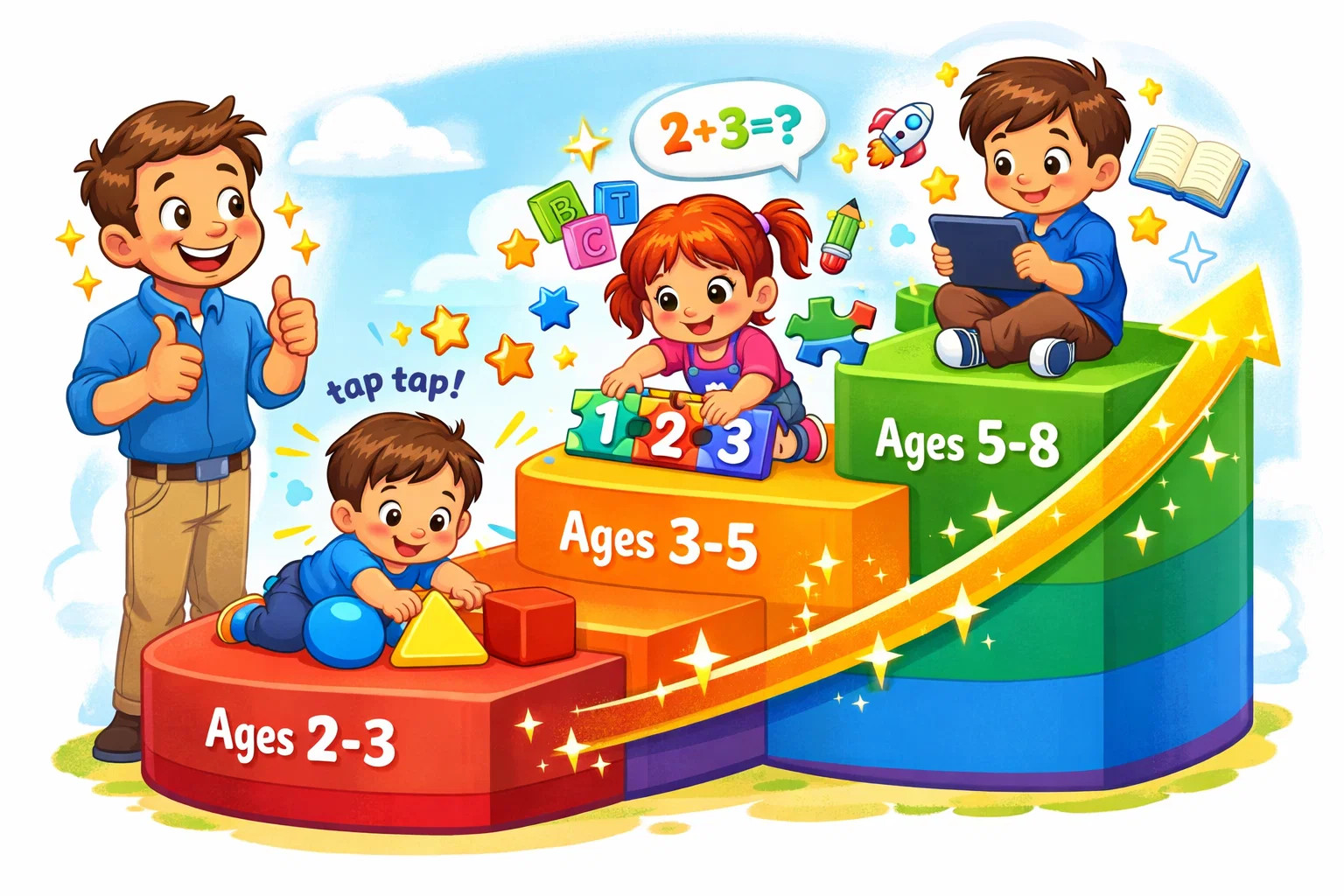
Best for Toddlers Ages 2–3
For the youngest users, PBS Kids is often the winner due to its simplicity. PBS offers apps such as Play and Learn Science, which are designed with younger learners in mind. Lingokids also offers a “Toddler Mode” that simplifies the interface, but the overall volume of content can sometimes be overwhelming for a two-year-old.
Best for Preschoolers Ages 3–5
This is the “sweet spot” for both. Lingokids may be better suited for preschool readiness due to its structured learning journey. If your goal is for your child to know their letter sounds and numbers before the first day of school, Lingokids provides a clearer roadmap through its learning path.
Best for Early Elementary Ages 5–8
As students get older, they often crave more “game-like” experiences. Lingokids keep older kids engaged with more complex challenges and a reward system. PBS Kids remains relevant through its more sophisticated science and social studies content (like Xavier Riddle and the Secret Museum), which appeals to curious elementary-aged minds.
Skill Progression and Personalization
Lingokids excels in personalized learning. The system tracks learning progress within the app. This ensures the learning experience is neither too easy (leading to boredom) nor too hard (leading to frustration). PBS Kids does not offer this level of data-driven personalization, preferring a flat library where the child chooses their own difficulty by selecting different games.
User Experience and Design
Ease of Navigation for Young Children
PBS Kids uses a very iconic, large-button interface. Since many young learners can’t read yet, the use of character voices to narrate instructions is a major plus. Lingokids is also highly intuitive, using a “no-fail” design where children are encouraged to try again rather than being told they are “wrong.” Both are among the best apps for encouraging independence.
Visual Design and Character Appeal
The visual styles are distinct. Lingokids features original, high-quality animations and a cast of characters specifically created for the learning app. PBS Kids, however, has the advantage of the “halo effect.” When children see characters they already love from television, their engagement levels spike immediately.
Ads, Distractions, and Interface Cleanliness
- Lingokids: The free version has frequent prompts to upgrade to “Unlimited,” which can be a distraction for little ones. The Premium version is 100% ad-free and very clean.
- PBS Kids: Free to use, without commercial advertising in the apps (may include brief sponsorship messages). There are no “hooks” to buy anything, which provides a significant sense of relief for parents worried about accidental in-app purchases or much screen time spent navigating menus.
Pricing Comparison and Subscription Models
| App | Monthly Cost | Annual Cost | Free Version? |
| Lingokids | Pricing varies by region; in many markets Lingokids Unlimited is approximately $14–15/month | around $80–90/year | Free version (Lingokids Basic) offers limited access; the exact daily limit can differ by version/region and has changed over time |
| PBS Kids | $0 | $0 | Yes (Unlimited) |
Note: Always check the App Store or official websites for the most current pricing as of 2026. Prices may vary by region.
Value for Money Analysis: While Lingokids is one of the more expensive learning tools, it functions as a full curriculum. For families seeking a comprehensive early childhood learning platform, the cost may be justified. For those on a budget or who already use other curriculum tools, PBS Kids provides substantial educational value at no cost, demonstrating that high-quality learning resources do not always require a subscription.
Safety, Privacy, and Parent Controls
Both platforms state that they follow child privacy regulations such as COPPA in the United States.
Lingokids offers a robust parental control dashboard. You can see exactly which words your learner has mastered, how much screen time they’ve used, and even print out offline worksheets that match their digital progress. This level of transparency helps parents stay involved in the child’s learning pace.
PBS Kids is a “closed ecosystem.” There are no social features or ways for a young user to wander onto the open internet. While its reporting isn’t as detailed as Lingokids, it offers a “Parent” section with tips on how to extend the learning offline, ensuring the play and learn philosophy continues in the real world.
Offline Access and Device Compatibility
iOS and Android Support
Both platforms have excellent support across the App Store and Google Play. Performance in 2026 is smooth on most modern devices, though Lingokids requires more storage space due to its high-resolution video content.
Tablet vs Smartphone Experience
While both work on phones, a tablet is highly recommended for these interactive apps. The larger screen real estate helps with fine motor skill development during early math games and prevents accidental clicks.
Offline Learning Options
Lingokids Premium allows parents to download content for travel, making it a great app for flights or long car rides. PBS Kids Video app allows downloading selected videos for offline viewing; most games require an internet connection.
Pros and Limitations
Lingokids Strengths and Limitations
- Strengths: Highly structured, personalized learning; covers hundreds of structured learning objectives; great progress tracking for parents.
- Limitations: High subscription cost; free version with limited access; some content can feel repetitive for native English speakers who advance quickly.
PBS Kids Strengths and Limitations
- Strengths: 100% free; features familiar characters; excellent STEM and social-emotional content; zero distractions.
- Limitations: No structured learning path; less “academic” reporting for parents; requires switching between separate apps for games and videos.
Lingokids vs PBS Kids: Which App Fits Different Parenting Goals
Best for Structured Academic Preparation
If you want an app that teaches in a way that mirrors a classroom—with a beginning, middle, and end—Lingokids is the superior choice. It is designed to ensure a child hits specific milestones in early literacy and numeracy.
Best for Play-Based Exploration
If you believe that young kids learn best when they are following their own interests, PBS Kids is the way to go. It allows for a more relaxed learning experience where the “lesson” is hidden inside a story, keeping kids engaged without the pressure of a score.
Best for Budget-Conscious Families
There is no contest here: PBS Kids is the best free app on the market. It provides a wealth of educational content that rivals paid competitors without a single paywall or hidden fee.