

The digital landscape in 2026 has transformed the way children consume media, with short-form video now dominating daily screen time. For parents, the choice between Instagram Reels and YouTube Shorts is no longer just about entertainment; it is about understanding how these social media giants influence a child’s attention span, safety, and online habits. As children move away from traditional television toward high-velocity, vertical feeds, the distinction between casual entertainment and highly engaging short-form content has become increasingly blurred.
This review provides a detailed comparison of these two major platforms, strictly from the perspective of child suitability. We will examine the latest parental control updates, the impact of recommendation algorithms, and the practical safety tools available to families. Whether you are managing a curious pre-teen or a creative adolescent, this guide evaluates the content ecosystem, hidden costs, and long-term digital habits and behavioral considerations to help you determine which social media platform aligns best with your family’s values.
What Instagram Reels and YouTube Shorts Are
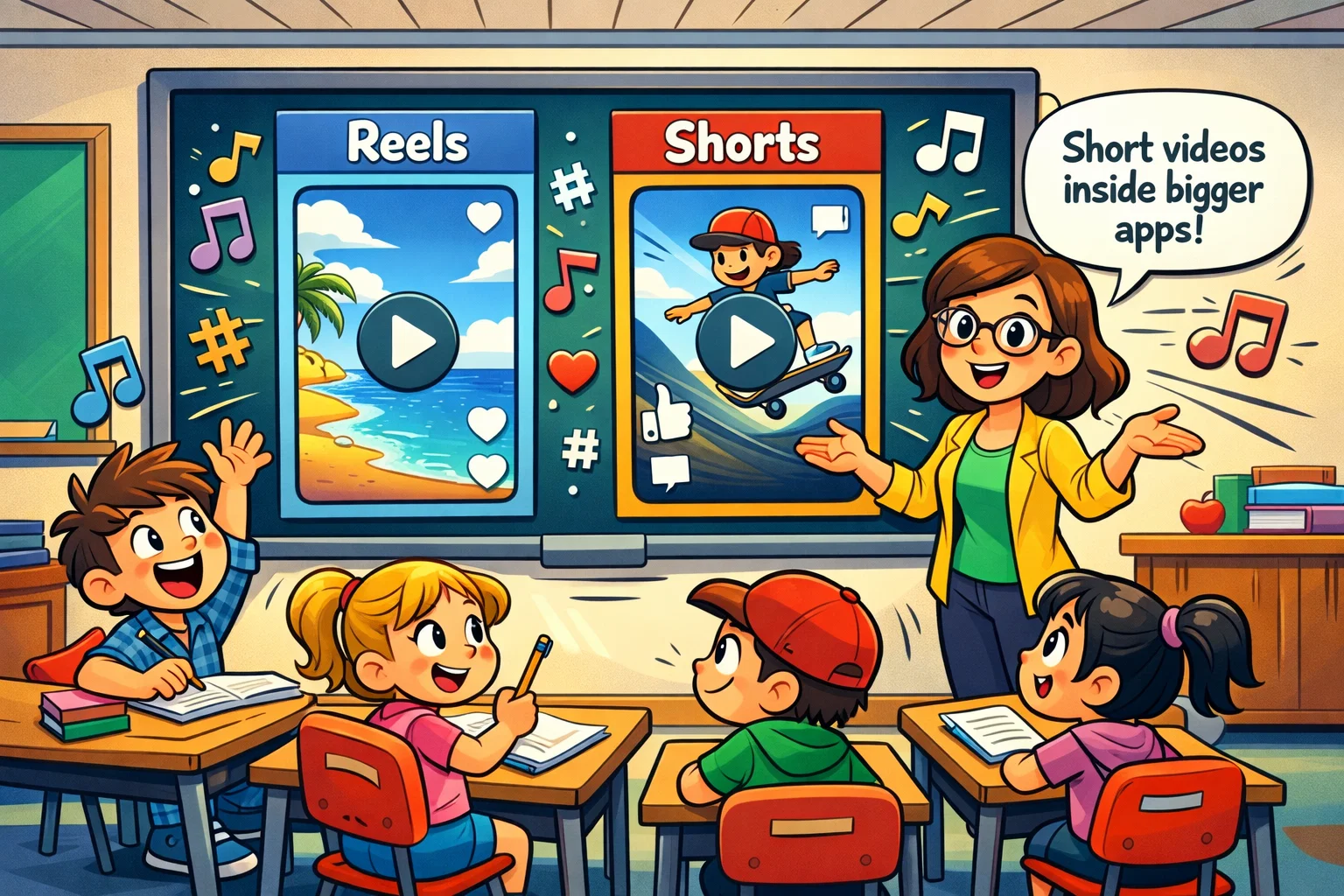
Both platforms have evolved into the primary way millennials and Gen Z—and now younger generations—engage with the internet. While they share a similar look and feel, their placement within the digital world is quite different.
- Instagram Reels: This is a feature integrated directly into the Instagram app. It allows users to create and browse short vertical videos, with length limits that have expanded over time. Because it lives within a social-first environment, Reels are deeply tied to a user’s social graph—what their friends are watching and sharing.
- YouTube Shorts: YouTube Shorts is a feature in the main YouTube app and on YouTube’s website; YouTube Kids is a separate, curated app experience for children 12 and under. Shorts were originally limited to 60 seconds, but YouTube has since expanded maximum duration for some uploads.
While TikTok popularized the modern short-form vertical format, Instagram and YT have successfully integrated “the scroll” into their existing ecosystems, making it harder for parents to separate “regular” app use from the addictive nature of short-form content.
Instagram Reels Format and Core Mechanics
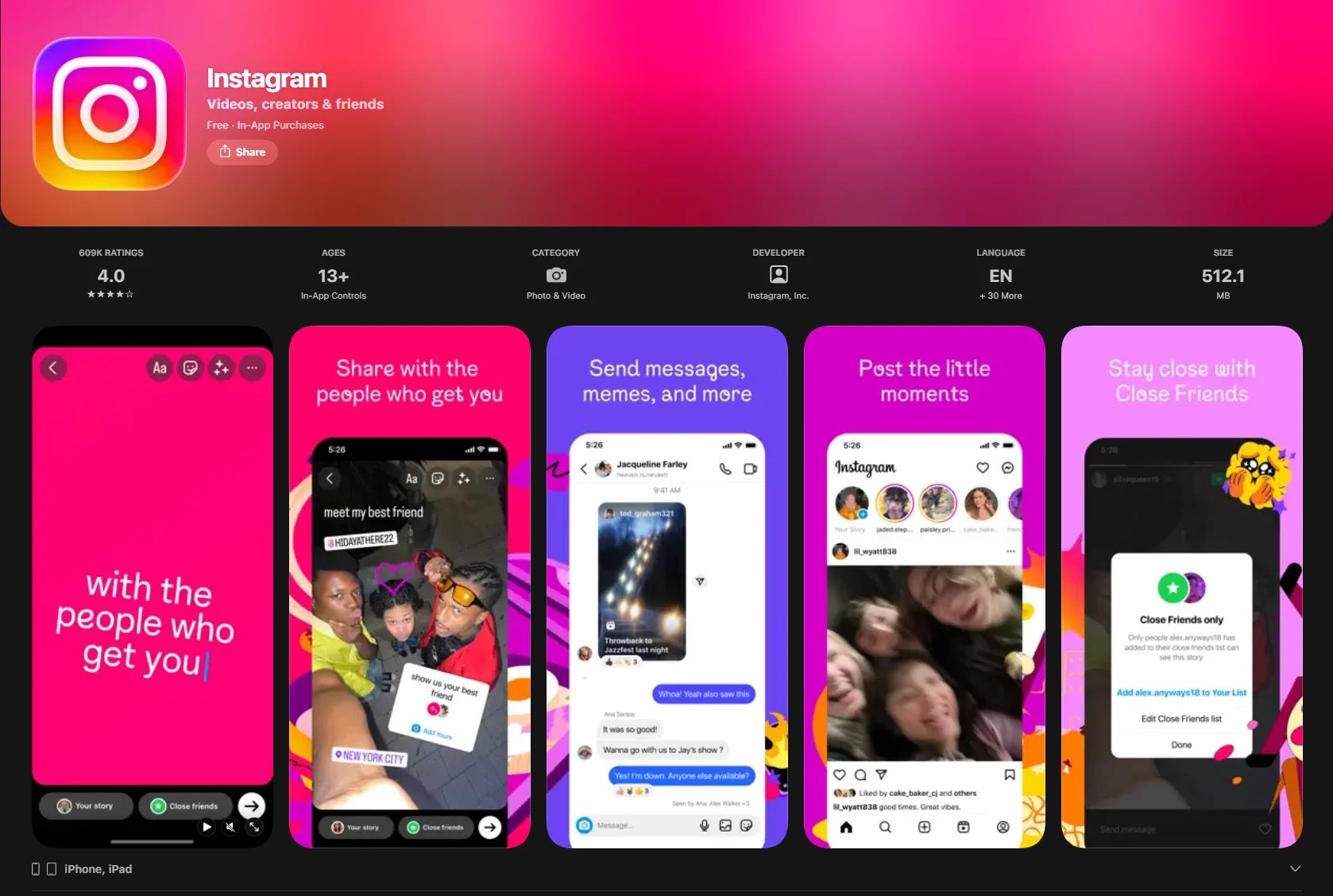
Instagram Reels is built for viral discovery and creative expression. The platform emphasizes aesthetics, trends, and social interaction.
Creative Tools and Discovery
The Instagram app provides a robust suite of editing tools, including augmented reality (AR) filters, green screens, and a massive licensed music library. A key feature is the Remix tool, which allows users to film their video alongside another person’s—a mechanic that often leads to “challenge” trends.
The Explore Page
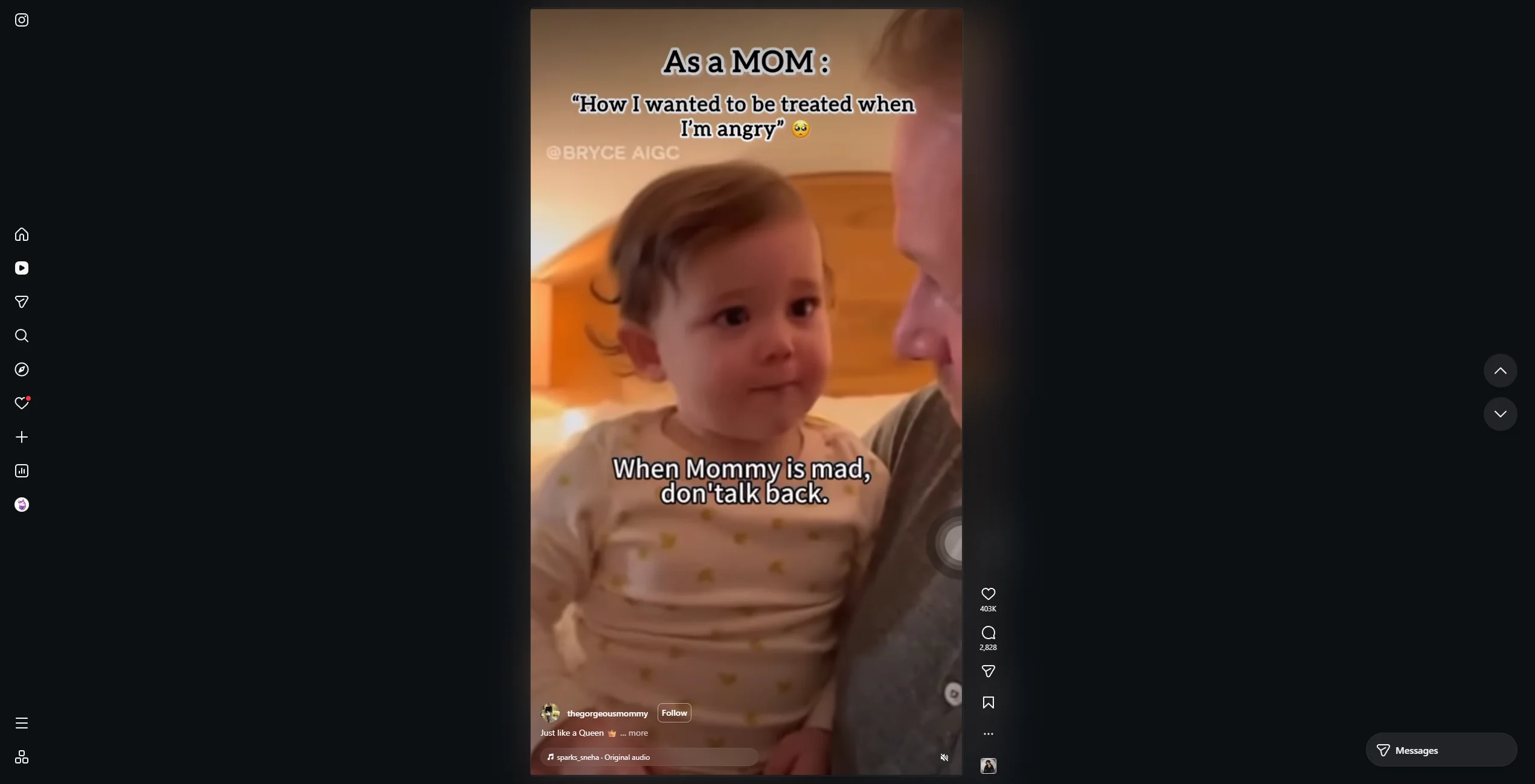
Unlike a standard feed of people you follow, Reels are primarily discovered through the Explore page and a dedicated Reels tab. This algorithm is designed to show similar content based on what a user has liked, meaning a child can quickly be funneled into a specific “niche” of content, for better or worse.
YouTube Shorts Format and Core Mechanics
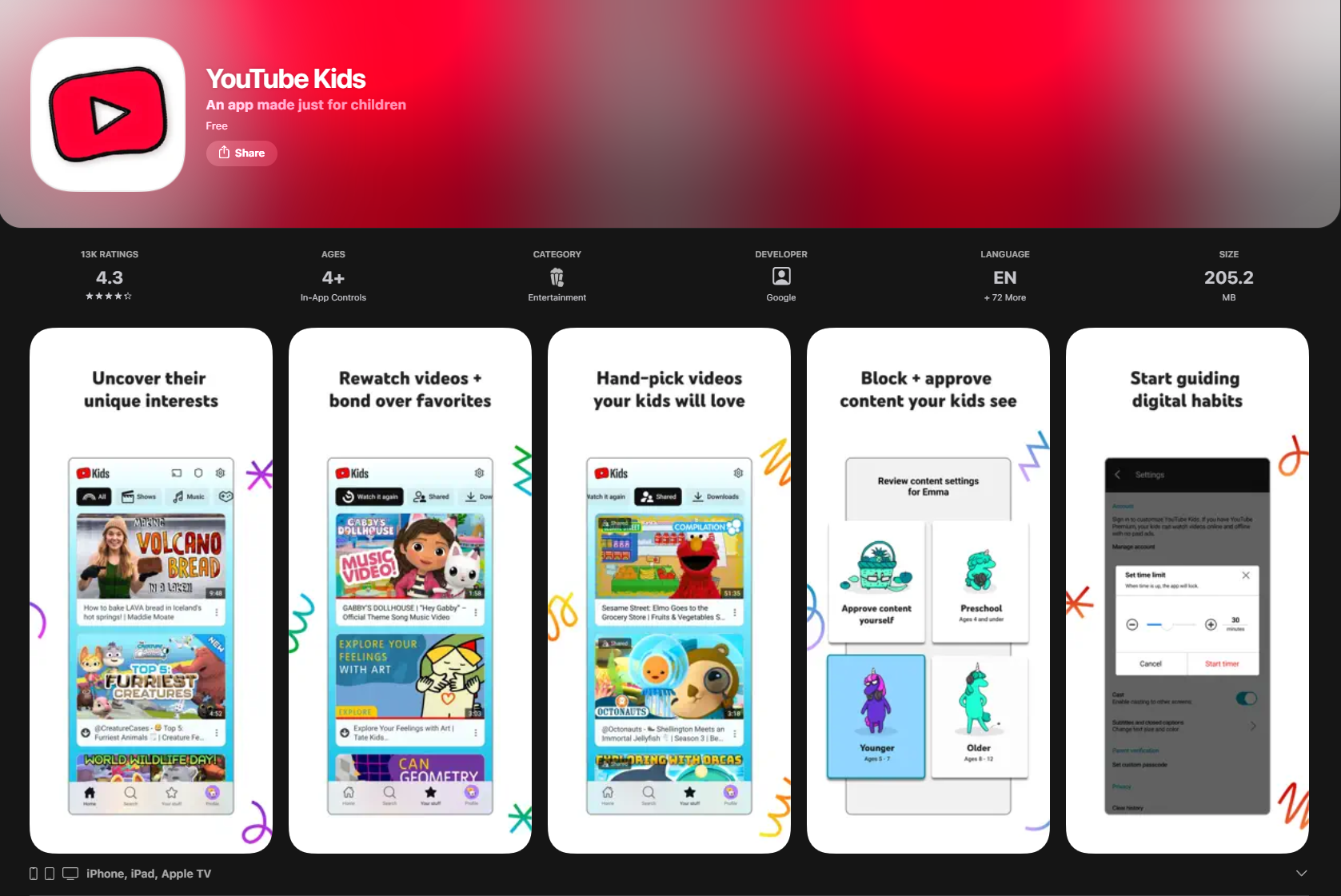
YouTube Shorts leverages the power of YouTube’s search engine to deliver content. It isn’t just a social feed; it’s an extension of the world’s largest video library.
The Shorts Shelf
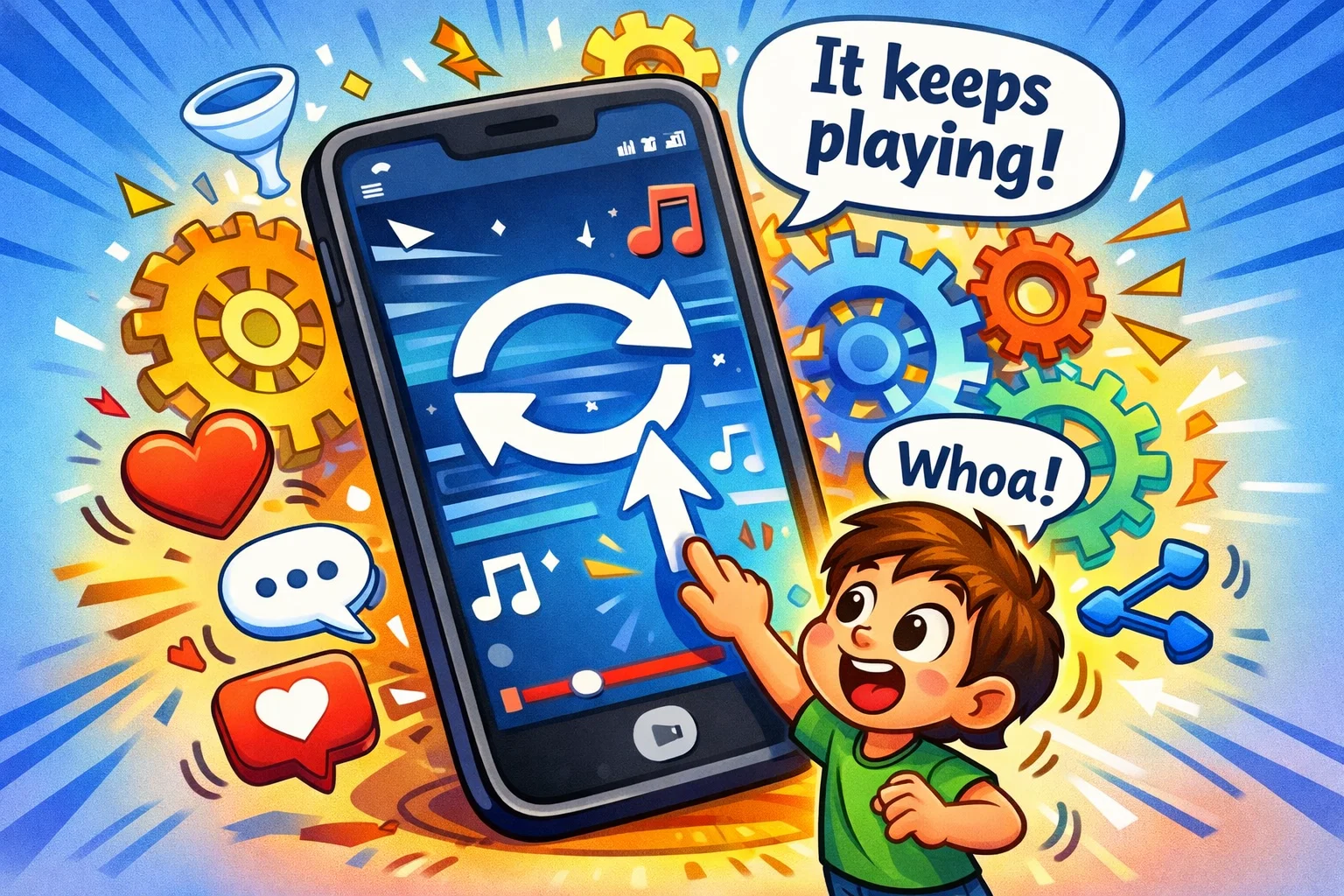
In the main YouTube app, Shorts appear in a dedicated “shelf” or a bottom-tab feed. The mechanics are simple: swipe up to see the next video. Because the platform is owned by Google, the search and recommendations system is highly personalized, often predicting what a user wants to see before they even know it.
Integration with Long-Form
One of the most significant differences for YouTube Shorts creators is the ability to link a Short to a longer video. For children, this could mean moving from a 30-second science experiment to a 10-minute educational tutorial. This integration allows YouTube to connect short videos with longer educational content.
Key Structural Differences Between Platforms
To understand which platform is best for your child, it is helpful to look at how they are structurally built.
| Feature | Instagram Reels | YT Shorts |
| Primary Focus | Social connection and aesthetic trends. | Interest-based discovery and education. |
| Account Type | Often linked to a personal social profile. | Linked to a Google account/YouTube channel. |
| Feed Logic | Heavily influenced by social circles and “viral” status. | Heavily influenced by search history and global trends. |
| Length | Up to 90 seconds. | Up to 60 seconds (standard). |
| Parental Integration | Managed via Instagram Family Center. | Managed via Google Family Link. |
Age Requirements and Account Setup
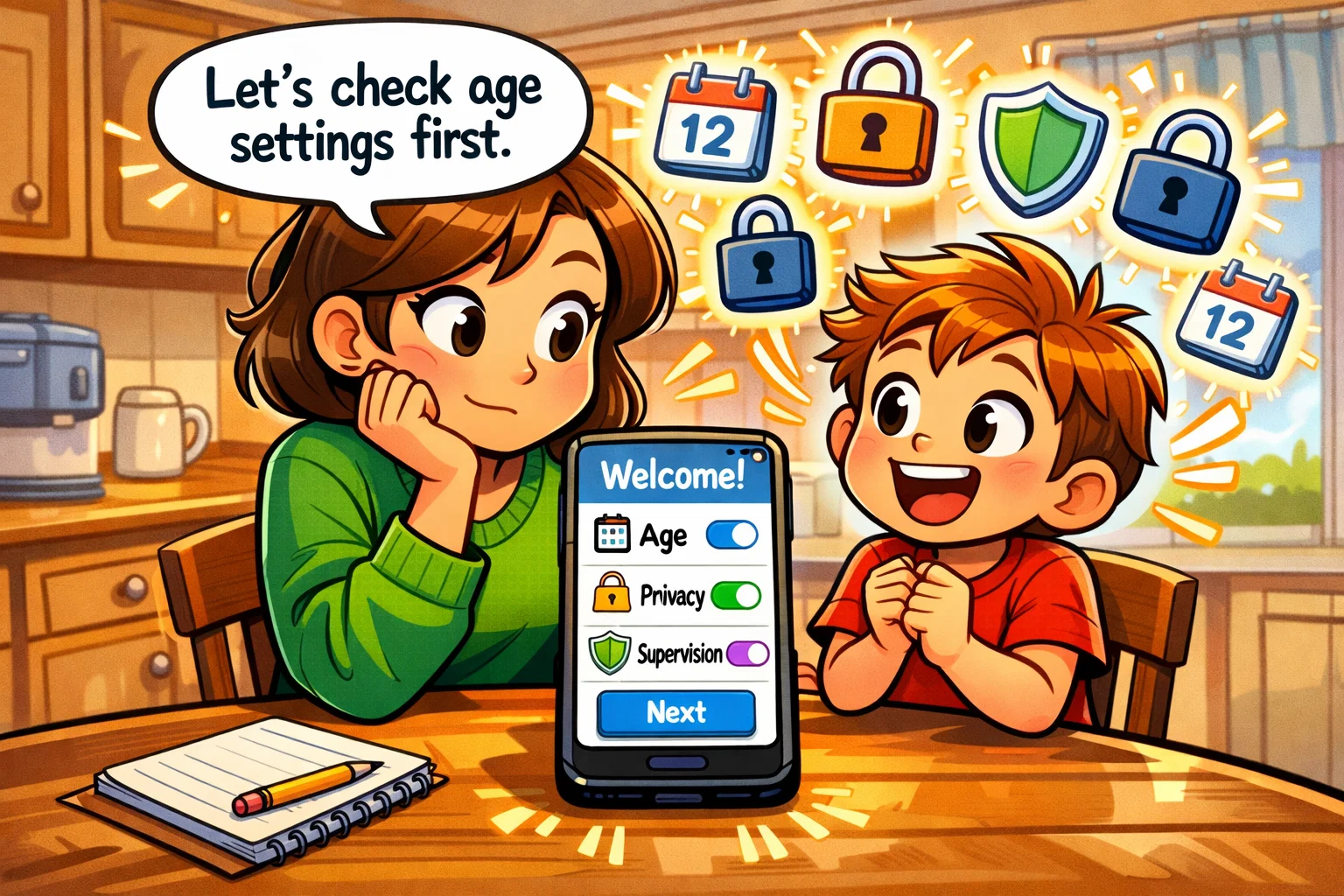
Official age limits are the first line of defense, but they often require parental verification to be effective.
Minimum Age to Use Instagram Reels
The official minimum age for Instagram is 13. In 2026, Instagram applied Teen Account protections by default to younger users, with additional safeguards for those under 16 in many regions. These accounts have stricter privacy settings, but the platform itself is still not intended for young children. There are no “Instagram Kids,” meaning anyone on the app is exposed to the broader social world.
Minimum Age to Watch YouTube Shorts
Standard YouTube also requires users to be 13. However, YT Kids offers a filtered experience for children as young as preschool age. Standard YouTube accounts generally require users to be 13 or older, while younger users may access YouTube through supervised or Kids versions.
Supervised Accounts and Parental Control Options
In 2026, both platforms have bolstered their supervision tools:
- Instagram Family Center: Allows parents to see who their teen follows and set daily time limits.
- Google Family Link: Parents can manage a supervised YouTube experience through Family Link/Family Center, including options around watch and search history (for example, clearing or pausing history signals) and other safety settings.
Availability Inside Kids Versions
A major pain point for parents is whether these “addictive” short videos can be avoided entirely while still allowing access to video content.
YouTube Shorts in YouTube Kids App
The YouTube Kids app includes short-form videos, though the experience differs from the standard Shorts feed. YouTube Kids relies on curated collections, filters, and parental settings, and parents can further reduce risk by using “Approved content only” mode. Parents can limit content categories and, in some cases, disable search or use “Approved Content Only” mode to restrict browsing.
Instagram Reels and Lack of Dedicated Kids App
Instagram does not have a dedicated kids’ version. While Meta has discussed “Instagram for Kids” in the past, it was met with significant regulatory pushback. Consequently, if a child is on Instagram to see Reels, they are on the full version of the app, which carries higher exposure risks to inappropriate content.
Safety Risks Parents Should Consider
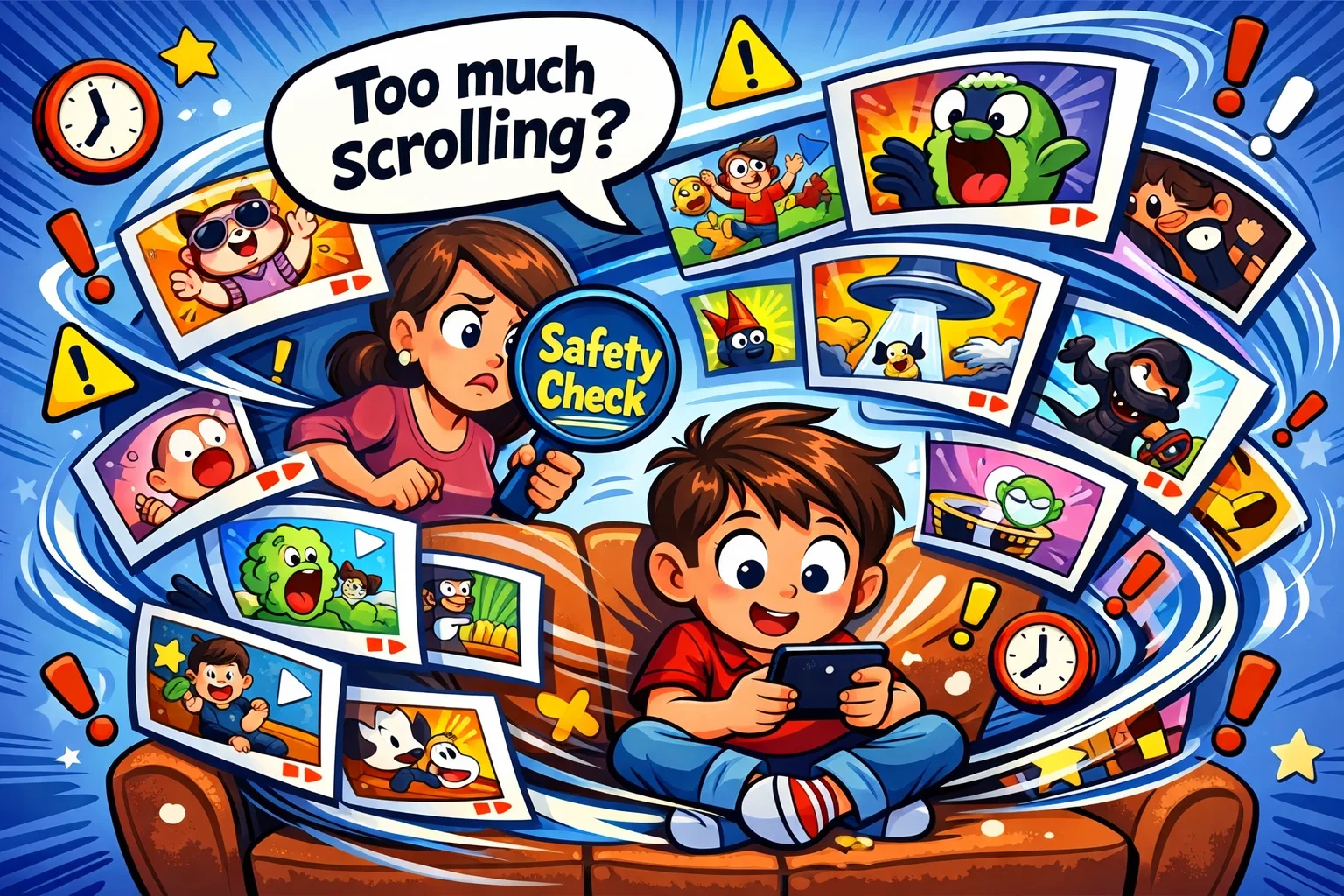
While short videos are entertaining, their design often works against a child’s developing brain.
Excessive Screen Time and Infinite Scroll Design
Both Instagram Reels and TikTok-style feeds utilize an “infinite scroll.” This design removes natural stopping points, which can encourage prolonged viewing. Some experts have expressed concern that excessive short-form media consumption may affect attention patterns over time.
Inappropriate or Mature Content Exposure
Algorithms move faster than human moderators. Even with filters, shorts may occasionally surface “brainrot” content, risky stunts, or suggestive themes. While YouTube and Instagram use AI for online safety, no system is 100% effective at catching everything in the millions of vertical videos uploaded daily.
Cyberbullying, Comments, and DMs
- Instagram Reels: Highly social. Teen Account protections limit who can contact teens and include stronger messaging restrictions by default, with some settings requiring parental permission to loosen for teens under 16.
- YouTube Shorts: Less focused on direct messaging, but the comment section on the main YouTube site can still be a toxic environment if not restricted by the parent.
Content Discovery and Algorithm Behavior for Young Users
The algorithm is the “brain” of the platform, and it adapts quickly to viewing behavior.
How Instagram Reels Algorithm Learns
Instagram looks at “Signals.” If a teen stops to watch a 5-second clip of a specific fitness trend, the social media platform will begin to flood their feed with similar content. For teens, this can lead to “echo chambers” where they only see one perspective or body type, which may narrow the range of perspectives a teen sees online.
How YouTube Shorts Recommendation System Works
YouTube relies on “Watch Time” and search intent. If a child searches for “Minecraft,” YouTube’s search engine will populate the shorts feed with Minecraft clips. This makes the platform slightly more predictable, as it is based more on active interests than passive social browsing.
Educational Value and Content Longevity
Not all short-form content is “mindless scrolling.” There is a growing niche for learning. Many child development specialists emphasize that content quality matters more than quantity.
Educational Shorts vs Entertainment Bias
YouTube offers stronger integration with long-form educational content. With creators like Khan Academy and TED-Ed producing short-form video content, the probability of a child stumbling upon something educational is higher on YouTube. Instagram Reels also features educational content, but it tends to be more lifestyle-oriented (e.g., cooking tips or language hacks) rather than academic.
Creative Expression for Teens
For older children, these platforms are tools for content creation. Learning how to edit quick videos, use tags and CTAs, and tell a story in 60 seconds is a modern digital literacy skill. Instagram’s tools are generally considered more “user-friendly” for artistic expression.
Privacy Controls and Data Collection
In the age of AI, data is the most valuable currency.
- Instagram: Teen Accounts for younger users are set to private by default in many regions, with additional restrictions for those under 16. This means only approved followers can see their Reels.
- YouTube: If a child uploads a Short, it can be set to “Unlisted” or “Private.” Google uses account data to personalize recommendations and manage services, in line with its privacy policies..
Parents to set boundaries: It is vital to review the “Sensitive Content Control” on Instagram and the “Data in YouTube” settings to minimize the tracking of your child’s digital footprint.
Pricing and Monetization Differences
While both apps are free to download, they are supported by ads and monetization structures.
Is Instagram Reels Free?
Yes, it is entirely free. However, it is saturated with sponsored content and ads. For teens, this means constant exposure to “influencer marketing” and products they may not need.
YouTube Shorts and YouTube Premium
In the U.S., YouTube Premium is listed at $13.99/month for an individual plan, while pricing varies by country and plan type. This removes ads from regular youtube and the shorts feed. For parents, this is a significant advantage as it removes the commercial pressure often found on other video platforms.
Pros and Cons for Children
Instagram Reels
- Pros: Encourages high-level creativity; excellent privacy defaults for teens; strong social connection with known friends.
- Cons: Higher risk of “comparison culture”; no dedicated kids’ app; higher prevalence of influencer-driven sponsored content.
YouTube Shorts
- Pros: Integrated with YouTube Kids; high educational value; ad-free options via Premium; better connection to long-form learning.
- Cons: The algorithm can be intensely “sticky”; search results can sometimes bypass filters if not properly supervised.
Which Platform Fits Different Age Groups?
| Age Group | Recommended Platform | Reason |
| Under 10 | YouTube Kids (Shorts enabled) | Most restricted and curated environment. |
| 10–12 | YouTube (Supervised Account) | Balances autonomy with Google’s robust filtering. |
| 13–17 | Instagram (Teen Account) | Focuses on social safety and private sharing. |
Instagram Reels vs YouTube Shorts: Direct Comparison
When we look at instagram reels vs youtube shorts side-by-side for 2026, the winner depends on your goal.
Safety Tools: YouTube’s integration with Family Link offers more “hard” controls (like shutting the app down). Instagram’s Family Center is more of a “soft” supervision tool, allowing you to see activity without total control.
Screen Time Control: Both platforms now offer “Take a Break” reminders. However, YouTube offers a unique feature where parents can restrict access to YouTube features through Family Link and supervised settings, though options vary by device and account type.
Final Evaluation for Parents in 2026
The “best” platform is the one you are actively supervising. YouTube Shorts may feel safer for younger children when accessed through YouTube Kids or supervised settings. Instagram Reels serves as a better creative outlet for older teens who are ready for social interaction, provided they are using the new Teen Account privacy settings.
Regardless of the choice, remember that heavy short-form use may influence attention patterns if not balanced with other activities. Balancing short-form entertainment with “slow media” like books or long-form documentaries is the most effective content strategy for a healthy digital childhood.