

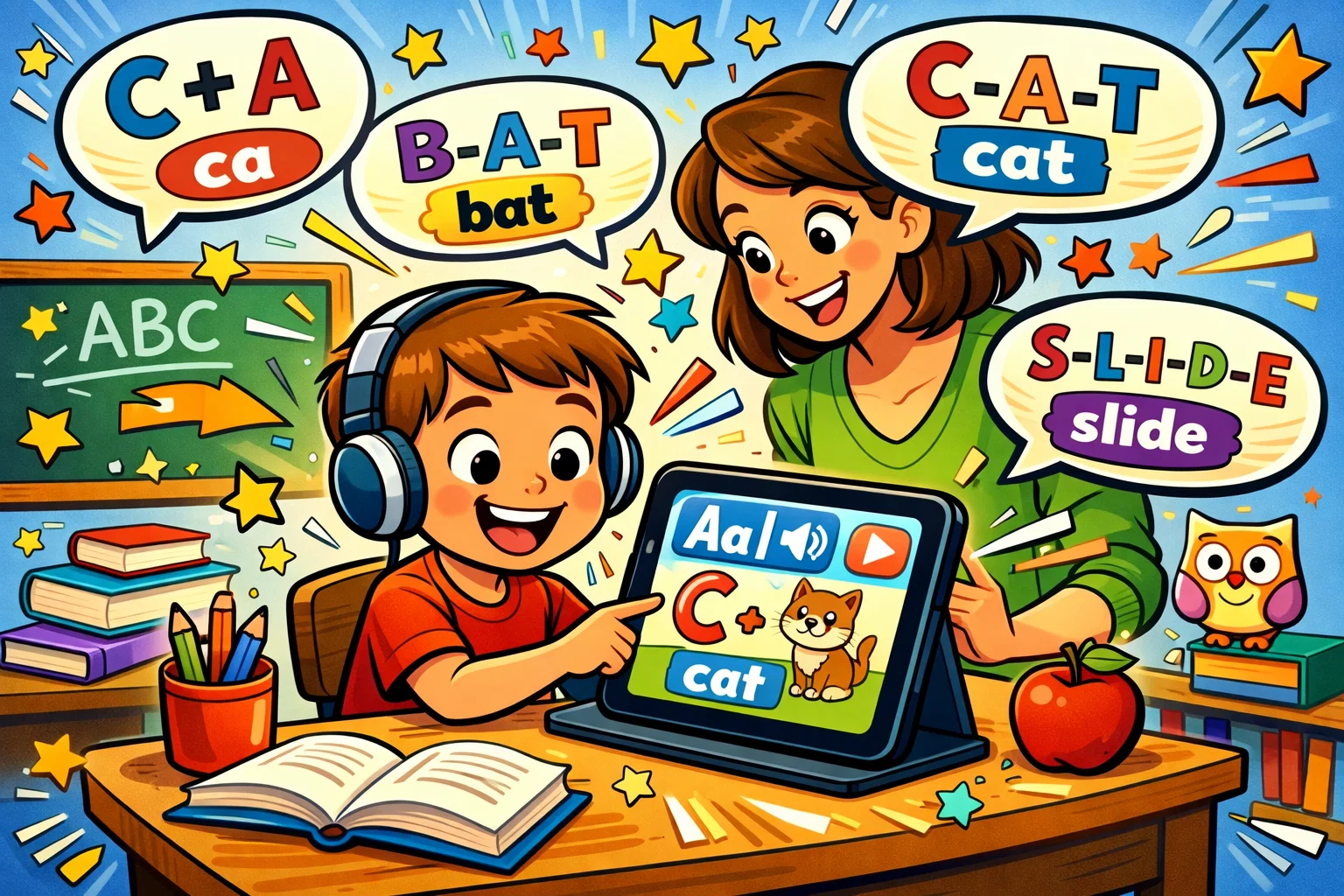
If you are exploring early literacy tools, you may have come across Fast Phonics, a phonics program within the Reading Eggs platform. As a parent or educator, your primary concern is whether a digital tool is truly effective, age-appropriate, and safe for a young learner to use independently. This review looks at how well the program supports early decoding, how suitable it is for independent use, and where it fits within a child’s broader reading development.
Fast Phonics is a structured synthetic phonics program designed to teach the foundational mechanics of reading. By using structured lessons, interactive games, and decodable books, it aims to move children from basic letter recognition to fluent, independent reading. In this review, we’ll look at how the program is structured, what the 20 Peaks cover, and where its strengths and limitations lie.
What Is Fast Phonics?
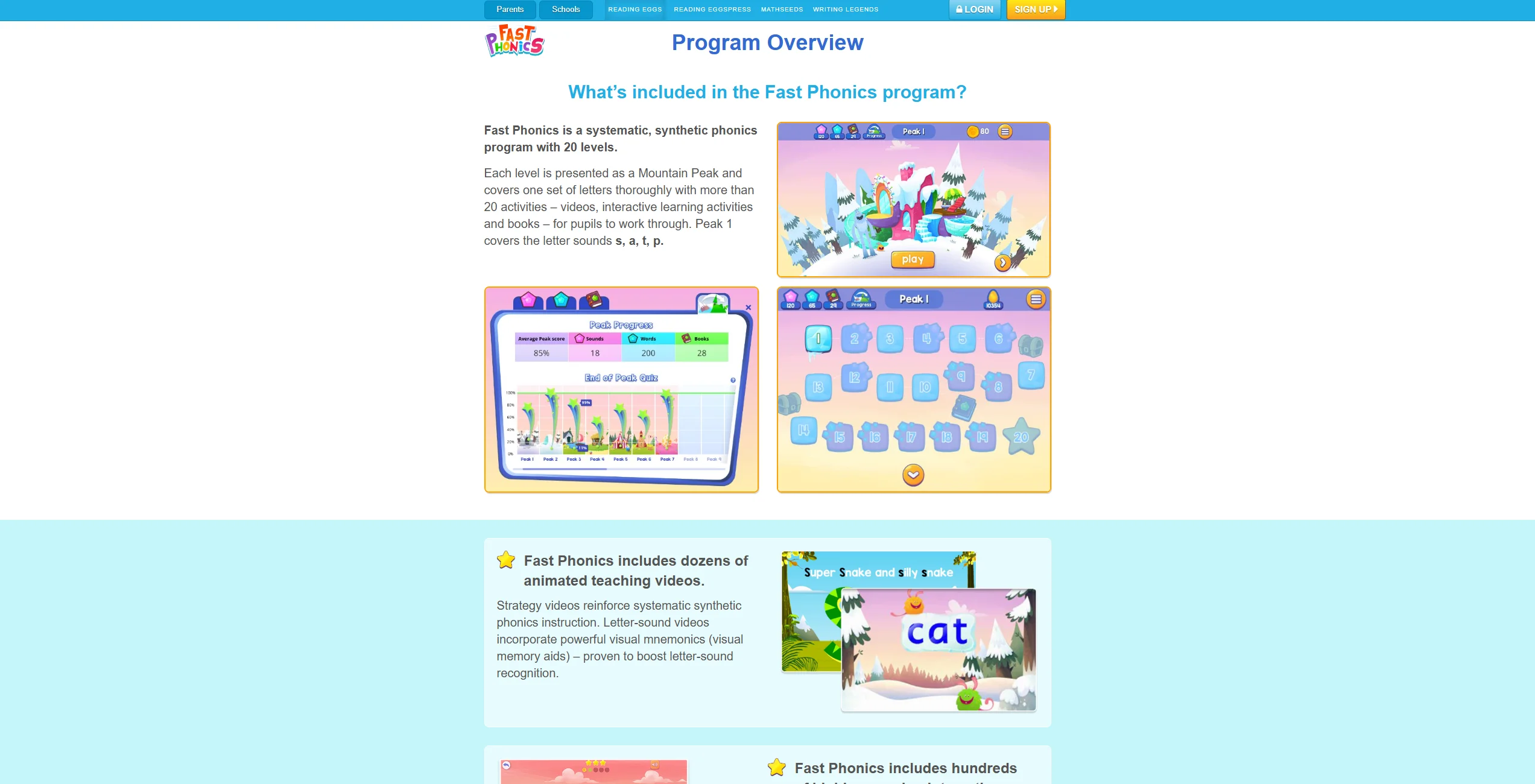
Fast Phonics is an online phonics program created by the team behind Reading Eggs. It is designed to help children build foundational phonics knowledge through explicit, structured instruction. Unlike general educational apps that may focus heavily on memorizing whole words by sight, this module focuses primarily on systematic synthetic phonics, with structured practice in letter-sound knowledge, blending, segmenting, and decodable reading.
As a systematic synthetic phonics program, it teaches children to identify sounds, connect them to letters, and blend them to read words. Children move through a yeti-themed environment, completing 20 Peaks that introduce phonics concepts in a planned sequence.
Fast Phonics by Reading Eggs
Fast Phonics is a dedicated phonics program within the Reading Eggs ecosystem and is generally included with a Reading Eggs subscription. Depending on the plan and market, a subscription may also include access to other Reading Eggs programs, and some plans include Mathseeds as well.
Parents often discover this tool when their child needs a more explicit phonics boost. While the original lessons include some decoding work, this specific path provides a more systematic synthetic phonics instruction route, which is often faster-paced and more concentrated on the mechanics of segmenting and blending.
Online Synthetic Phonics Program for Kids
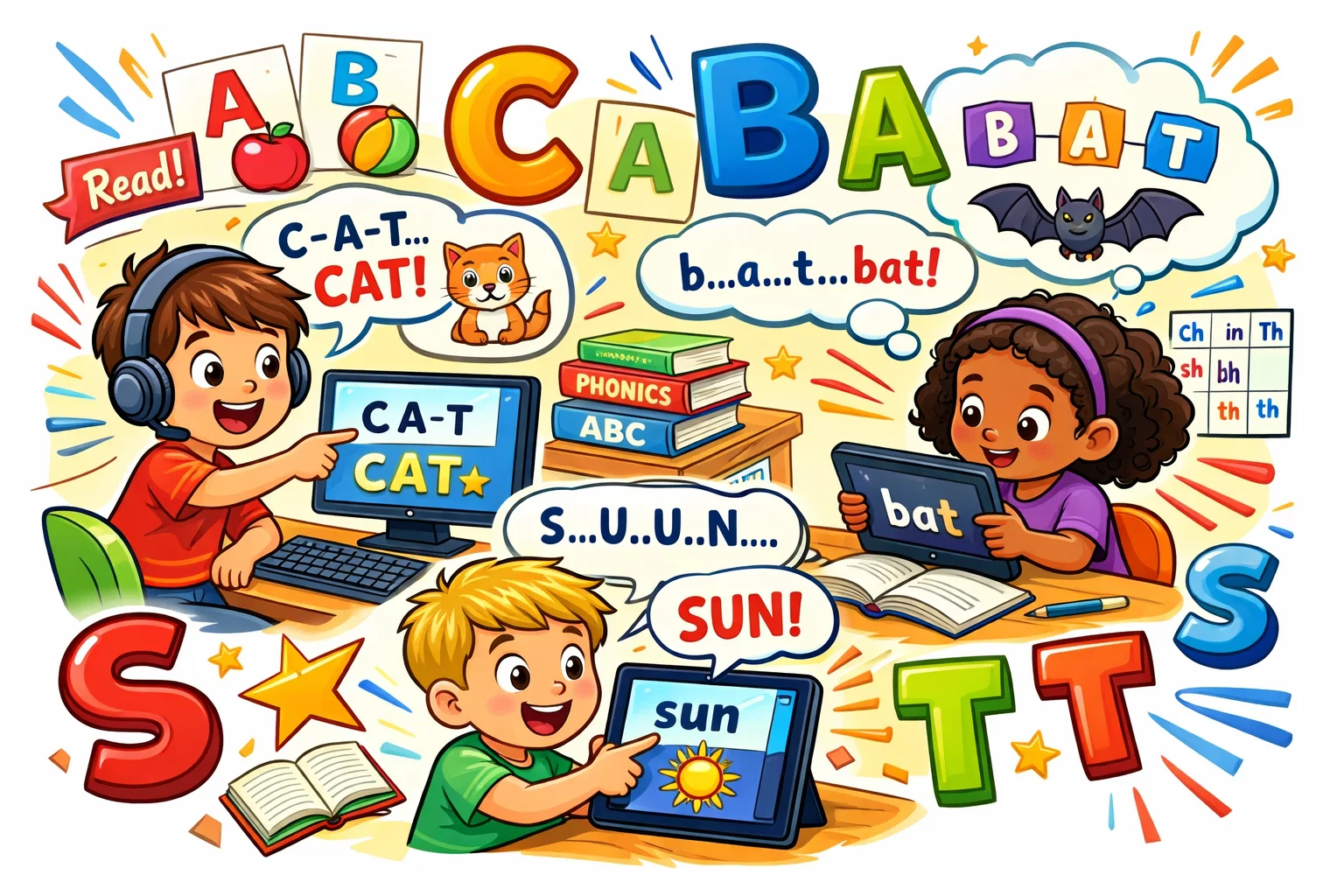
The term synthetic phonics refers to the method of teaching literacy by first introducing individual sounds and then “synthesizing” (merging) those sounds together to achieve reading success. This approach is widely used in structured literacy and phonics-based reading instruction.
- Systematic: It follows a planned, logical order rather than teaching letters randomly.
- Synthetic: It emphasizes the “synthesis” of sounds into words.
- Explicit: The rules are taught directly, leaving no room for “guessing” from pictures or context clues.
Age Range and Skill Level Fit
Fast Phonics is generally marketed for children who are learning to read, often around ages 5 to 10, although the best fit depends more on current phonics knowledge than on age alone:
- Preschool/Kindergarten: Great for those just starting with letter-sound correspondence.
- Early Elementary: Ideal for students who need to boost reading skills or fill gaps in their core reading.
- Struggling Beginners: The explicit phonics instruction helps older children who may have missed foundational concepts in earlier grades.
- Homeschoolers: Provides a ready-made curriculum that requires minimal parental prep time.
How Fast Phonics Is Organized
The program is organized into 20 Peaks, each covering a set of letter-sound correspondences through a sequence of activities, quizzes, and decodable reading practice. Each Peak introduces a new set of phonics concepts and practice tasks. As children progress through the Peaks, the phonics content becomes gradually more complex, helping them build skills step by step without too much cognitive overload.
Sequence and Lesson Progression
The program follows a highly logical path. Instead of teaching the alphabet from A to Z, it introduces a specific set of letters that allow children to start forming words almost immediately. This structured sequence helps children practise simpler sound-letter relationships before moving on to more complex ones.
SATPIN Sequence and Early Sound Order
The early sequence includes sounds such as s, a, t, and p in Peak 1, allowing children to begin blending simple words early in the program. By learning an early set of high-utility sounds, children can start blending simple words such as “sat,” “tap,” and “pin” very quickly. This provides “quick wins” that significantly boost a child’s reading confidence from day one.
Placement Test and Starting Level
The program includes a placement test designed to help place children at an appropriate starting Peak. This initial assessment helps identify a child’s current ability to recognize letters and decode words. Accurate placement matters because it helps keep the work appropriately challenging without making it frustrating or repetitive.
Progress Tracking and Personalised Learning
The program provides individual progress monitoring through a dedicated parent dashboard. You can see which lessons your child has completed and where they might be struggling. This supports more individualized use by helping children start at an appropriate level and by giving parents and teachers visibility into progress.
| Feature | Description |
| Interactive Lessons | Across 20 Peaks, the program includes more than 20 activities per level, including videos, interactive tasks, and books. |
| Library | The program includes decodable books matched to the phonics sequence, and official materials describe these as a substantial library rather than a single fixed number across all versions. |
| Assessments | End-of-peak quizzes to ensure mastery before moving on. |
| Reporting | Maps out the core reading knowledge gained over time. |
Inside the App Experience
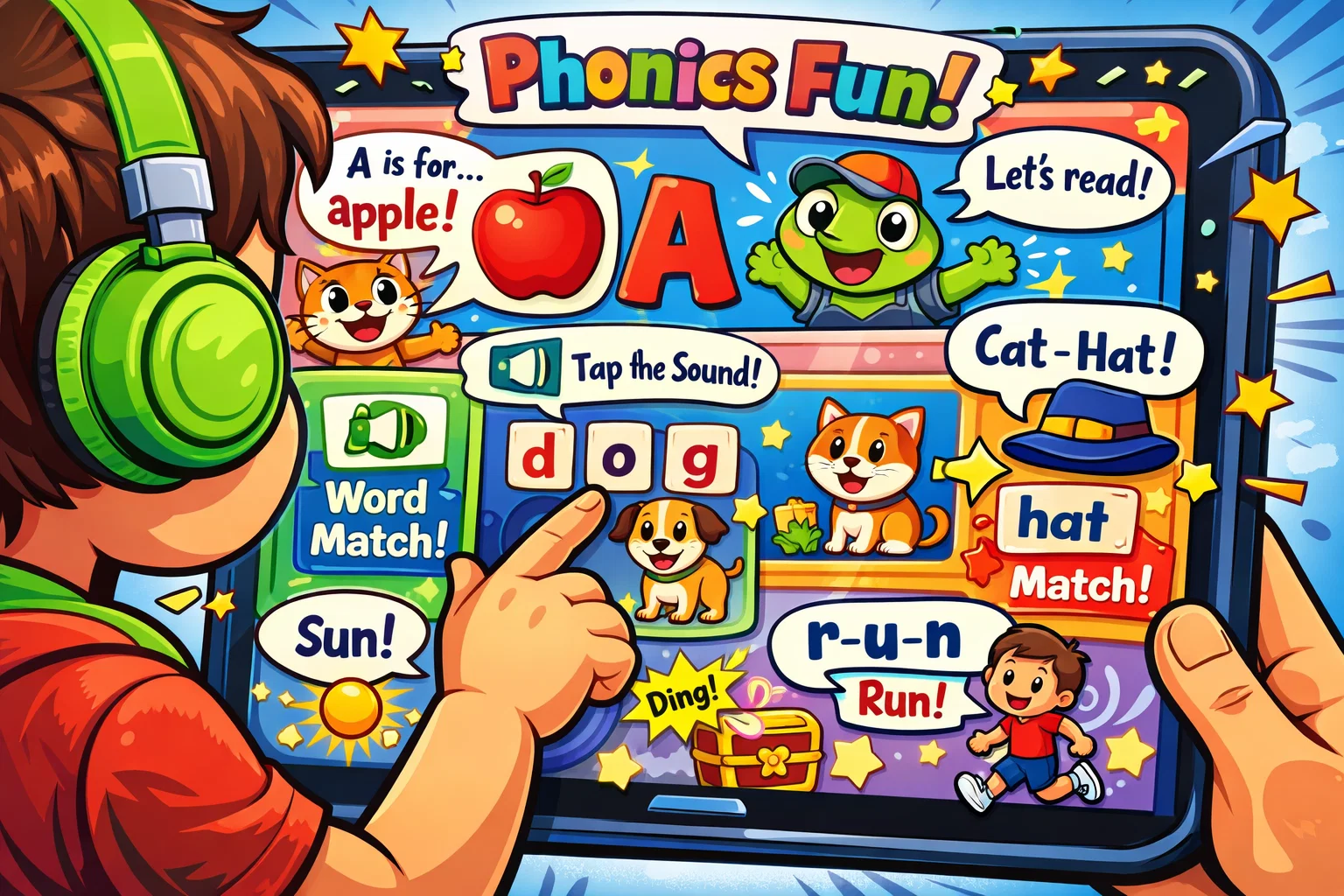
The interface is bright, animated, and clearly designed to appeal to young children. The central characters—the yetis—act as helpful guides, making the educational journey feel more like a mountain-climbing adventure.
Interactive Learning Modules
Each lesson is designed to be engaging phonics practice. Children aren’t just passively watching videos; they are actively segmenting and blending sounds on the screen. Fast Phonics uses interactive tap-and-hear activities in which children tap a letter to hear its sound and then slide across the letters to blend a word.
Embedded Picture Mnemonics
The program uses visual and audio support to reinforce letter-sound learning. For example, a letter might be integrated into a drawing of an object that starts with that sound. These visual cues can be helpful in early reading because they give children a memorable association for each sound.
Decodable Books Matched to the Sequence
One of the most valuable resources in the app is the library of decodable books in each peak. These are phonics decodable texts that only use the sounds the child has actually learned up to that point. Because the books are matched to the taught sequence, they reduce the need to guess unfamiliar words and make independent reading practice more achievable.
Rewards and Motivation
To keep children motivated, the program uses a reward system based on Yeti Coins. These coins can be spent on upgrading a child’s yeti avatar or their virtual home. This gamified approach turns phonics learning into a rewarding experience rather than a repetitive chore.
Balanced Design
Compared with some more game-heavy learning apps, Fast Phonics keeps the instructional content at the centre of the experience. The animations are fun, but the screen isn’t cluttered with distracting pop-ups or unnecessary noise. This balance helps children maintain focus on the crucial phonics skills being taught.
How the Program Supports Literacy Development
Reading Eggs presents Fast Phonics as a program aligned with systematic, explicit phonics instruction and with principles commonly associated with the Science of Reading.
Letter-Sound Correspondence
The foundation of all reading and spelling is knowing that a specific letter (grapheme) represents a specific sound (phoneme). This tool reinforces this through constant repetition, audio support, and visual matching.
Blending and Segmenting Skills
- Blending: Pulling sounds together to read a word (e.g., /c/ /a/ /t/ = cat).
- Segmenting: Breaking a word down into individual sounds to spell it.
These are core phonics skills that are widely taught in systematic synthetic phonics instruction.
Reading Fluency Growth
With repeated practice in decodable books, children can move from slow, effortful decoding toward greater fluency. The more they see the same set of letters in different contexts, the faster their brain recognizes them, which is the key to overall reading speed and confidence.
Vocabulary and Comprehension Support
While the primary goal is decoding, Fast Phonics also helps with reading comprehension. Each book is followed by a quiz that checks basic comprehension, not just word reading in isolation.
Spelling and Writing Foundations
By teaching children how to segment words into sounds, the program naturally supports early writing attempts. When a child knows that “dog” is made of three distinct sounds, they are much better equipped to attempt spelling it on paper.
Is This Program Good for Kids?
Parent testimonials and educator-facing materials suggest that many families and teachers find Fast Phonics useful for structured phonics practice, though this is not the same as an independent effectiveness study. It offers a more structured form of phonics practice than many general-purpose literacy apps.
Clear Instructional Focus
The lessons focus on core reading mechanics first. This can benefit beginners who need explicit teaching on how sounds map to letters, rather than relying mainly on memorising whole words.
Good Fit for Home Practice
Many parents find this practical for daily use because it is self-paced. If a child has gaps in their core reading, they can repeat specific peaks until they feel confident, without the pressure of a classroom environment.
Support for Diverse Learners
The app may be helpful for children who benefit from repeated, structured phonics practice. The multisensory format—hearing sounds, seeing letters, and interacting with the screen—may help some learners stay engaged and reinforce phonics knowledge.
Safety and Digital Wellbeing
Addressing the “is it safe?” question is vital for modern parents. The platform is a more controlled digital environment than open-ended video or gaming platforms.
Age-Appropriate Educational Content
The content is strictly built around literacy practice and child-friendly visuals. The platform is designed as a child-focused learning environment with structured activities, but absolute claims about the absence of user-generated content or all social features should be avoided unless verified for the exact product version and region.
Safe Learning Environment
A structured subscription learning platform is generally more controlled than an open video platform, but parents should still review privacy settings, account features, and screen-time routines. Because the activities are built around preset lessons, the experience is generally more focused than in open-ended apps.
Screen Time Balance
While the app is engaging, it works best when integrated into a healthy routine.
- Set limits by using the Peak structure to define a manageable daily goal, such as completing part of a Peak or one short session.
- Parental Check-ins: Spend five minutes at the end of a session asking your child to read one of the decodable books to you.
- Offline Transition: Use the available worksheet options to practice phonics skills offline.
Is it a Full Literacy Curriculum?
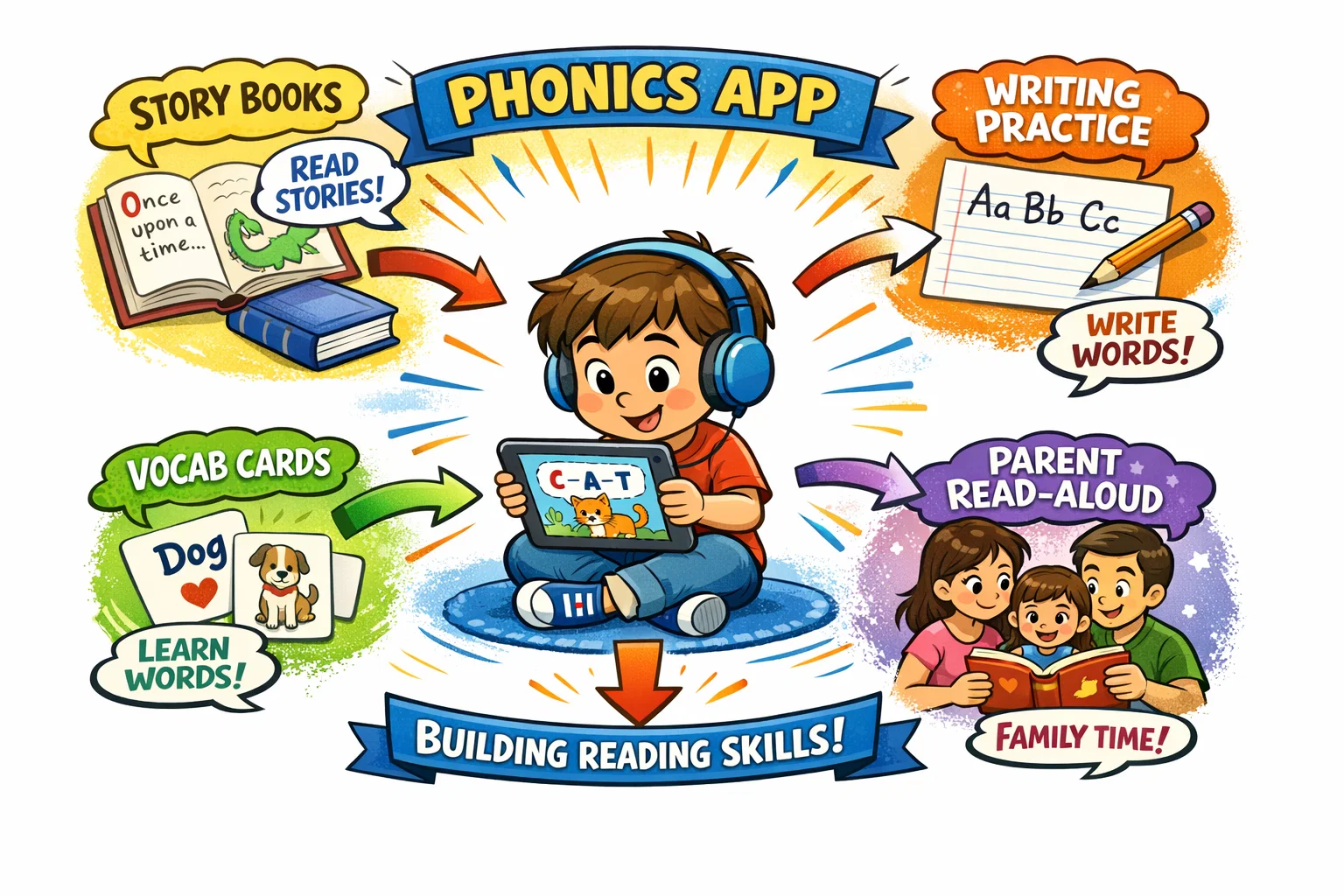
While the tool is exceptionally strong in systematic phonics instruction, it is often best used alongside read-alouds, conversation, and offline reading practice to support broader literacy development.
What the Program Covers Well
It is particularly strong in core phonics skills, letter-sound knowledge, and early decoding practice. If your child struggles to sound out words or needs more explicit practice with increasingly complex phonics patterns, this is a well-structured option to consider.
The Importance of a Balanced Approach
To become a truly skilled reader, a child also needs to hear stories read aloud to develop an ear for language and engage in deep discussions about story themes. Fast Phonics focuses on the mechanics of decoding, while parents and teachers can add richer language, discussion, and enjoyment through shared reading.
Best Way to Use it at Home
Combine the digital sessions with physical books. Encourage your child to find the “sound of the day” in a cereal box or a street sign. This helps them realize that the key phonics skills they are learning in the app apply to the real world.
Notable Features for Parents
- Systematic Instruction: The lessons follow a clear, cumulative sequence.
- Multisensory Approach: Combines audio, visual, and tactile inputs.
- Printable Resources: Some versions of Reading Eggs include printable support materials, although availability may vary by plan or region.
- Reporting: Clear data on which sounds have been mastered.
- Motivation: The yeti-themed rewards keep kids coming back.
Pricing and Subscription Options
Access is usually granted through a Reading Eggs subscription.
- Subscription Options: Reading Eggs offers monthly and annual plans, and the exact mix of included programs depends on the plan and market.
- Free Trial: New customers are often offered a free trial, although the exact offer can vary by market and promotion.
- Value for Families: Because many home plans allow multiple child profiles, the subscription can be cost-effective for families with more than one learner.