

Choosing the right literacy tool in 2026 can feel like navigating a vast digital landscape without a clear guide. With screen time becoming a central part of modern education, parents and educators seek programs that do more than just entertain; they need a system that builds genuine reading comprehension and a lifelong love of literature. Two of the most prominent names in this space are Epic and Raz-Kids. While they might seem similar at first glance, they serve very different roles in a child’s developmental journey.
The first is often described as the “Netflix of children’s books,” focusing on a massive, high-interest library of books that encourages independent reading. On the other hand, Raz-Kids (part of the Learning A-Z family) is a structured, leveled reading system designed to improve reading skills through rigorous practice and assessment. In this guide, we will break down the features, pricing, and educational value of both platforms to help you decide which is the best reading companion.
Overview of Best Reading Apps
What is Epic?
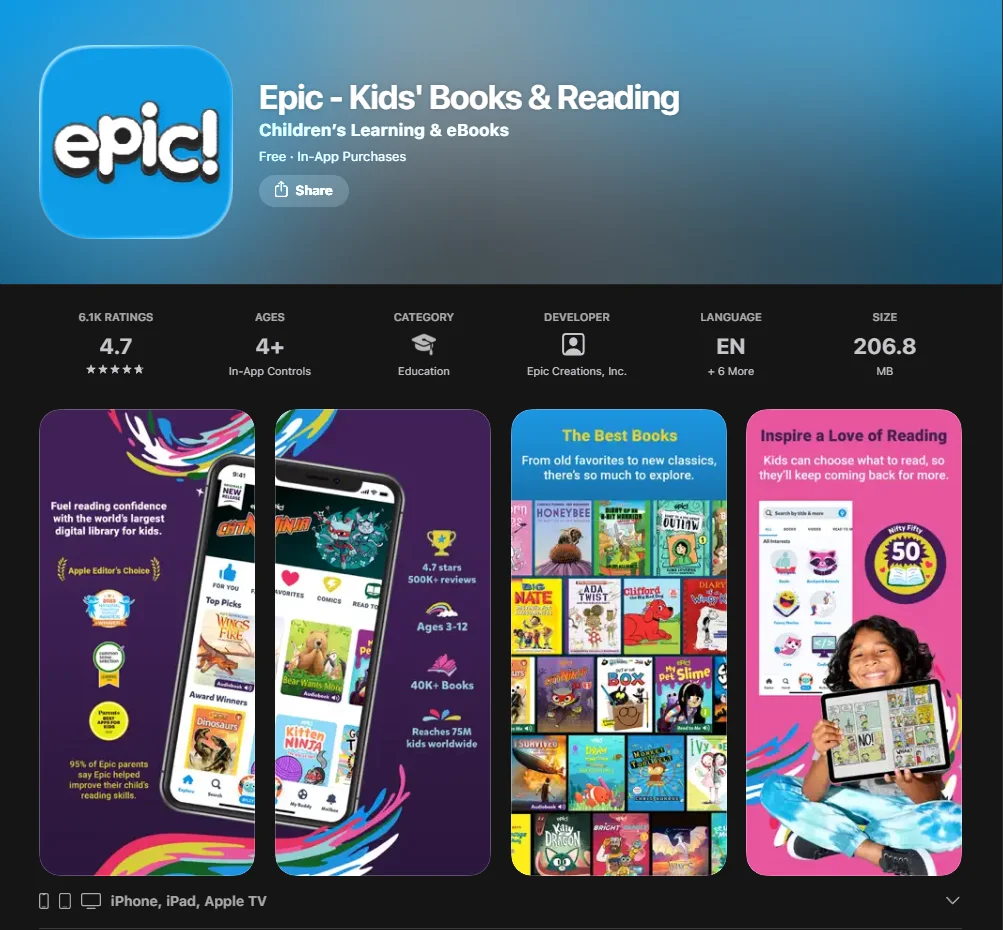
Epic offers access to more than 40,000 books, audiobooks, educational videos, and other resources. It is primarily designed to spark curiosity by offering books that interest children, ranging from popular picture books to complex chapter books. The platform is widely used by parents and teachers to provide an engaging environment where children feel empowered to choose their own adventures.
What is Raz-Kids?
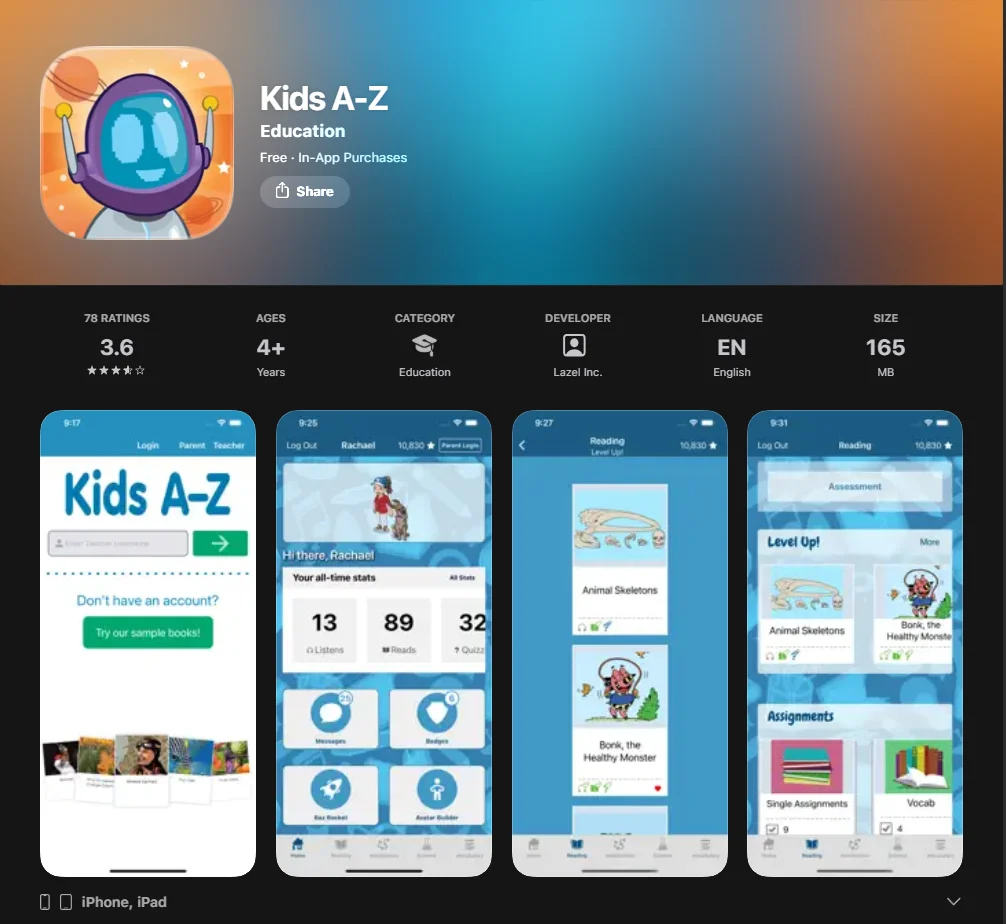
Raz-Kids is a structured reading program designed to develop literacy skills through leveled activities. Unlike the broad library approach of its competitor, Raz-Kids uses a highly structured grade level system with 29 distinct levels. It is designed to help students master phonemic awareness and reading fluency by requiring them to listen to, read, and then record themselves before taking a comprehension quiz.
Similarities Between Apps
Both apps are interactive and engaging, utilizing badges and rewards to keep young learners motivated. They are both available as a mobile reading app on iOS, Android, and web browsers, ensuring children can access content whether at school or on the go. Additionally, both platforms offer:
- Progress tracking features.
- A mix of fiction and non-fiction titles.
- Multilingual options to support diverse learners.
- A free trial or limited free version for initial testing.
Target Audience and Age Range Suitability
Epic for Different Age Groups
Epic is designed for children aged 2 to 12, though it’s most suitable for ages 4 to 9, focusing on picture books, early chapter books, and educational content. Its strength lies in its versatility. For toddlers, the read aloud features and picture books make it a great tool for early exposure. For older children (ages 9-12), the service offers a “grown-up” reading experience with graphic novels and nonfiction books on STEM and history that keep them engaged as their interests become more specialized.
Raz-Kids Age Range
Raz-Kids focuses primarily on ages 5-10, with content designed for early readers (K-3) and those needing intervention in reading comprehension, it is most effective during the “learning to read” stages. The structured nature of Reading A-Z levels is perfect for classroom learning where a teacher needs to ensure a student is hitting specific Common Core milestones. Older kids (10+) might find the interface a bit “young,” though the content remains academically rigorous.
Age-Appropriateness
| Feature | Epic | Raz-Kids |
| Primary Age Focus | 2–12 years | 5–11 years (K-5) |
| Best For | Interest-led discovery | Skill-based progression |
| Content Variety | High (Popular brands) | Academic (Specifically leveled) |
| Engagement Style | Exploration & Autonomy | Task-completion & Mastery |
Key Features
Epic’s Features
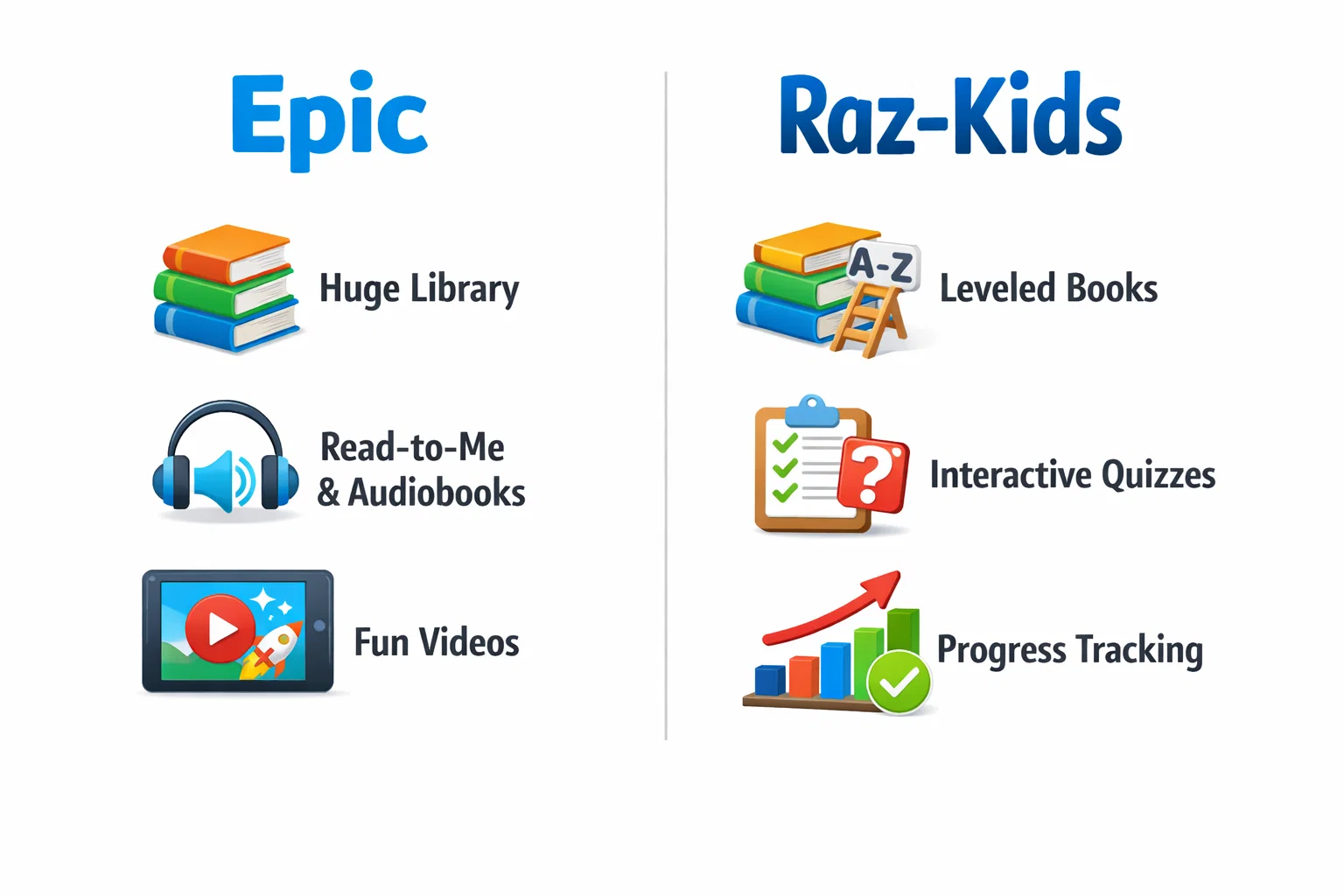
The service excels at creating a personalized reading journey. Upon sign-up, children select their interests, and the app generates a profile page with tailored recommendations.
- Read-To-Me Books: Titles with highlighted text and professional narration to help with fluency.
- Exclusive Originals: Unique content you won’t find elsewhere.
- Offline access for Epic is available only with the Epic Family plan. It allows reading offline on a downloaded book selection.
Raz-Kids Features
Raz-Kids’ defining feature is its Listen-Read-Quiz learning cycle.
- Listen: The student hears the text read aloud to model reading fluency.
- Read: The student performs the text independently and can record their voice for review.
- Raz-Kids quizzes are integral to the learning process, helping children assess understanding at every level.
Which App Offers More Interactive Elements?
While the library-style app has interactive storytelling features and “Reading Buddies” that grow as you read, Raz-Kids feels more like an interactive learning tool. If you want “gamified” exploration, the colorful interface of the former wins. If you want “interactive” to mean “directly testing the child’s brain,” the books and quizzes in Raz-Kids are superior.
Educational Value
Educational Focus of Epic
The platform encourages ‘reading for pleasure’ and vocabulary expansion through a diverse mix of fiction and nonfiction books. Reading for pleasure helps improve children’s literacy skills. By providing a library of books that includes nonfiction and STEM topics, it makes learning fun and helps build a broad vocabulary.
Educational Focus of Raz-Kids
Raz-Kids is grounded in phonics-based instruction, emphasizing early literacy skills and structured reading. It provides tools for educators to track reading progress with surgical precision. It’s less about “liking the book” and more about “mastering the level.” This makes it an essential reading program for children who need to improve reading skills in a systematic way.
Which App is More Effective for Skill Building?
“Data from various school districts indicates that structured leveled systems, like that found in Raz-Kids, can significantly improve test scores for students struggling with comprehension.” — Educational Tech Review, 2025
If your child is still struggling with sight words or basic skills, Raz-Kids is the more effective tool for intervention. If your child already reads well but lacks motivation, the other service is the better choice to foster a habit.
Price Comparison
Epic’s Pricing Plans
- Epic School: Free for educators during school hours.
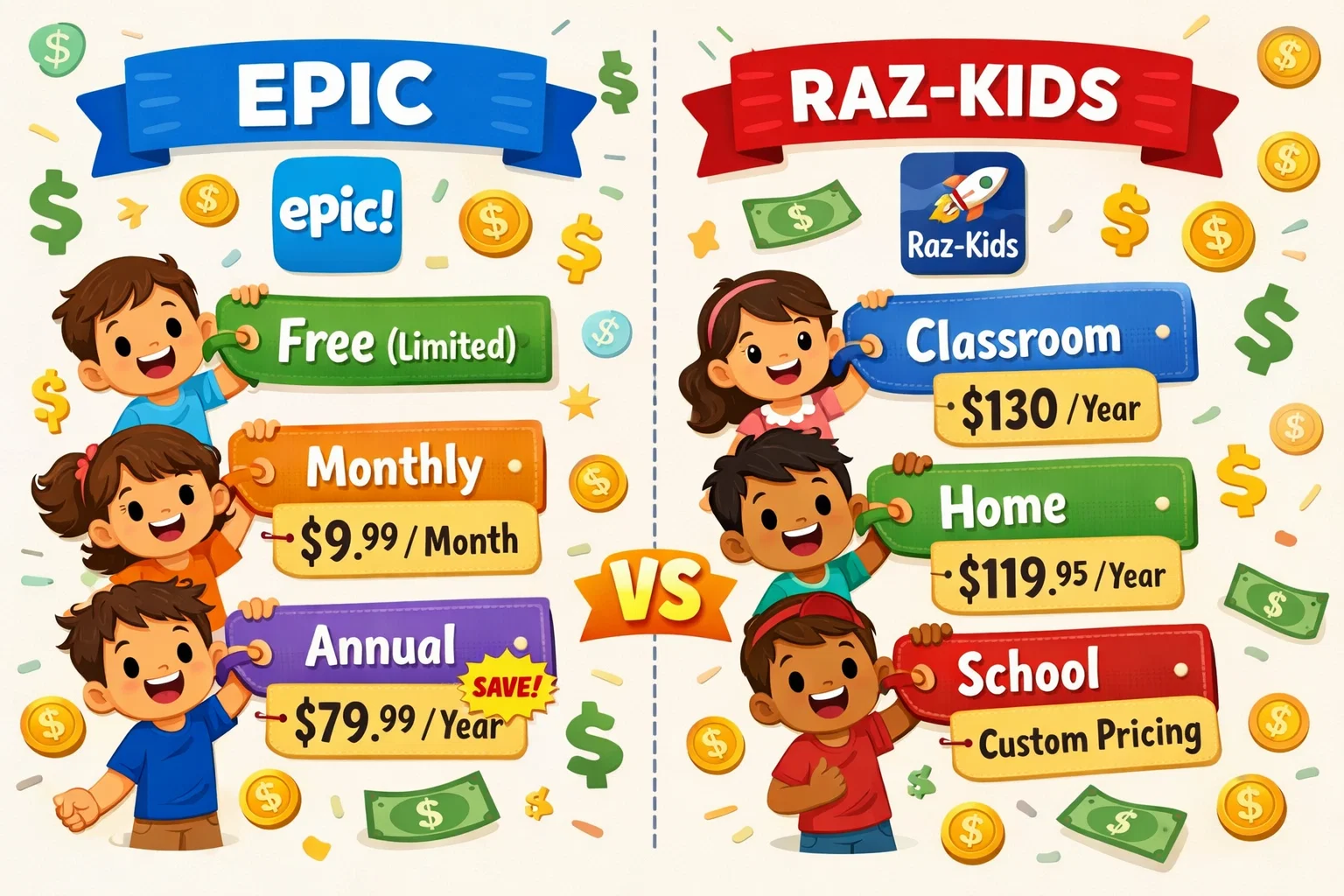
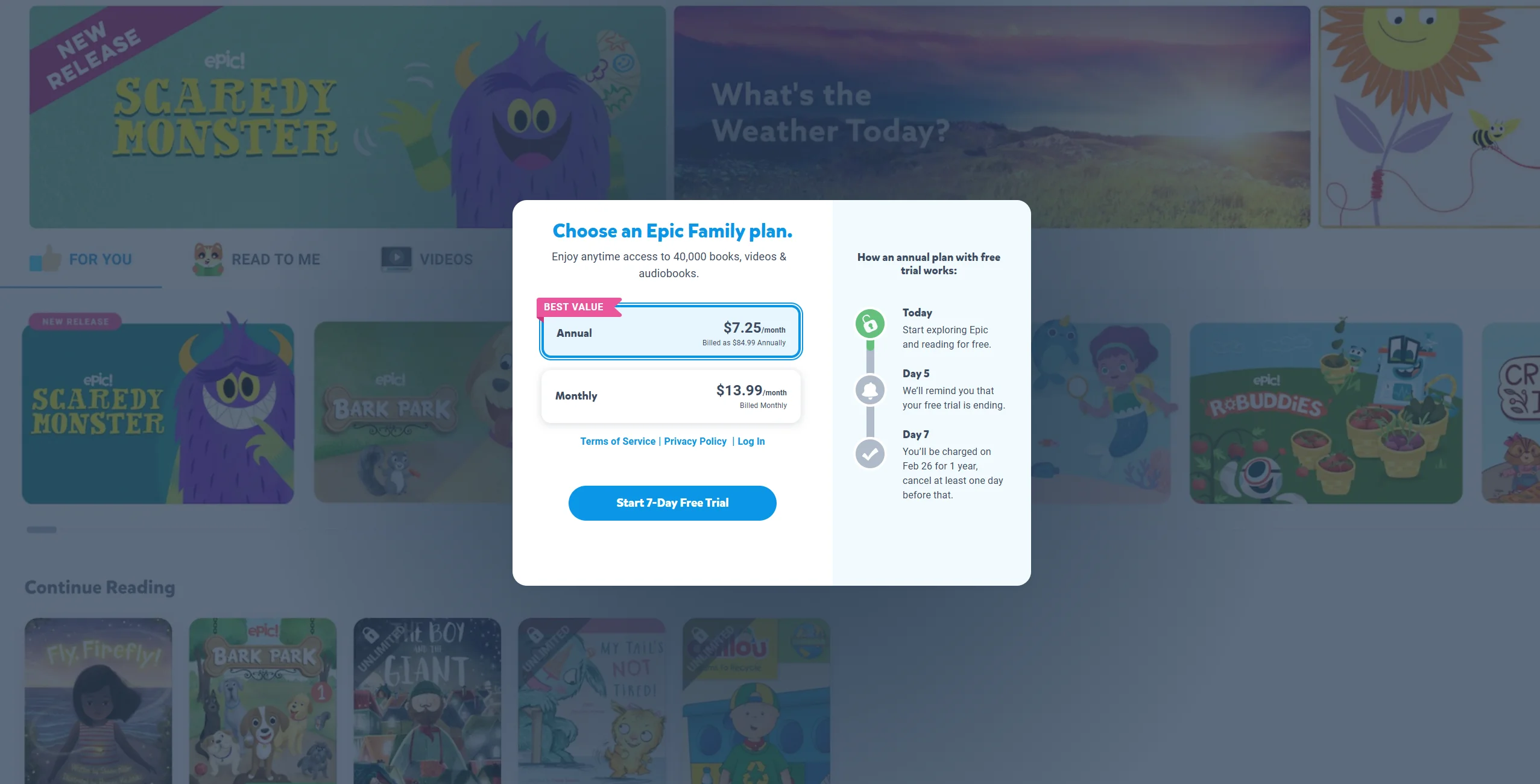
- Epic Family Plan costs $9.99/month or $79.99/year, supporting up to 4 child profiles. Epic also offers an educator plan for classroom use.
- Free Trial: Usually offers a 7-day period to explore the full library.
Raz-Kids Pricing Structure
- Classroom License: Approximately $132/year per classroom (up to 36 students).
- Raz-Kids home use typically costs around $119.95/year for one child.
- Note: Raz-Kids is often bundled with Raz-Plus, which includes more resources for teachers.
Value for Money
The platform generally provides more “content per dollar” for a family with multiple children of different ages. However, for a single student who needs to hit specific reading level goals, the investment in Raz-Kids’ comprehension tools is often worth the higher cost.
User Experience and Interface
Epic’s User Interface
The interface is sleek and easy to navigate, with a modern, user-friendly design that mirrors popular streaming platforms like Netflix. The “Discovery” tab makes it easy for children to find books based on their interests without adult help. It is highly optimized for tablets, providing a tactile and seamless experience.
Raz-Kids’ User Interface
Raz-Kids features a functional interface focused on learning progression, with avatars and rewards designed to motivate kids and track their progress. Students log into their “Planet” or “Rocket” and see assignments. While it is fun and engaging for young kids (earning stars to build a space station), it feels more like “schoolwork” than the competitor does.
Which App Provides a Better User Experience?
For independent reading, the library-focused app is the clear winner. Its interface is designed to keep kids in the app longer. Raz-Kids is better for a directed learning experience where the parent or teacher is setting the goals.
Parental Controls and Progress Tracking
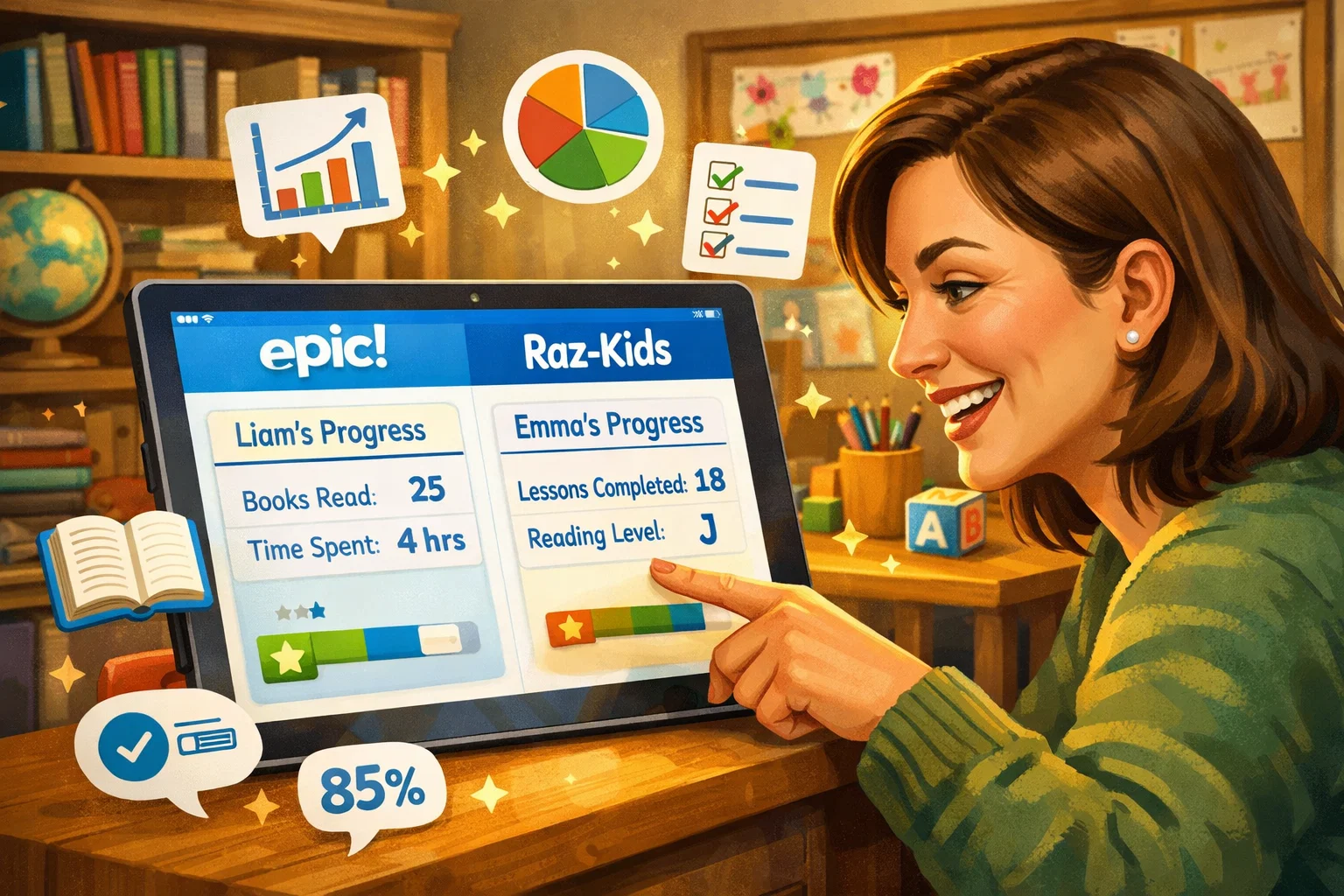
Both platforms offer robust tools for educators and parents to monitor growth.
- Dashboard Tracking: The service sends weekly email reports showing minutes spent and books finished. Parents can also see the grade level of the selected titles.
- Raz-Kids Insights: Offers a much deeper dive. You can see specific quiz scores, listen to voice recordings, and see which comprehension skills (like “Main Idea”) they are struggling with.