

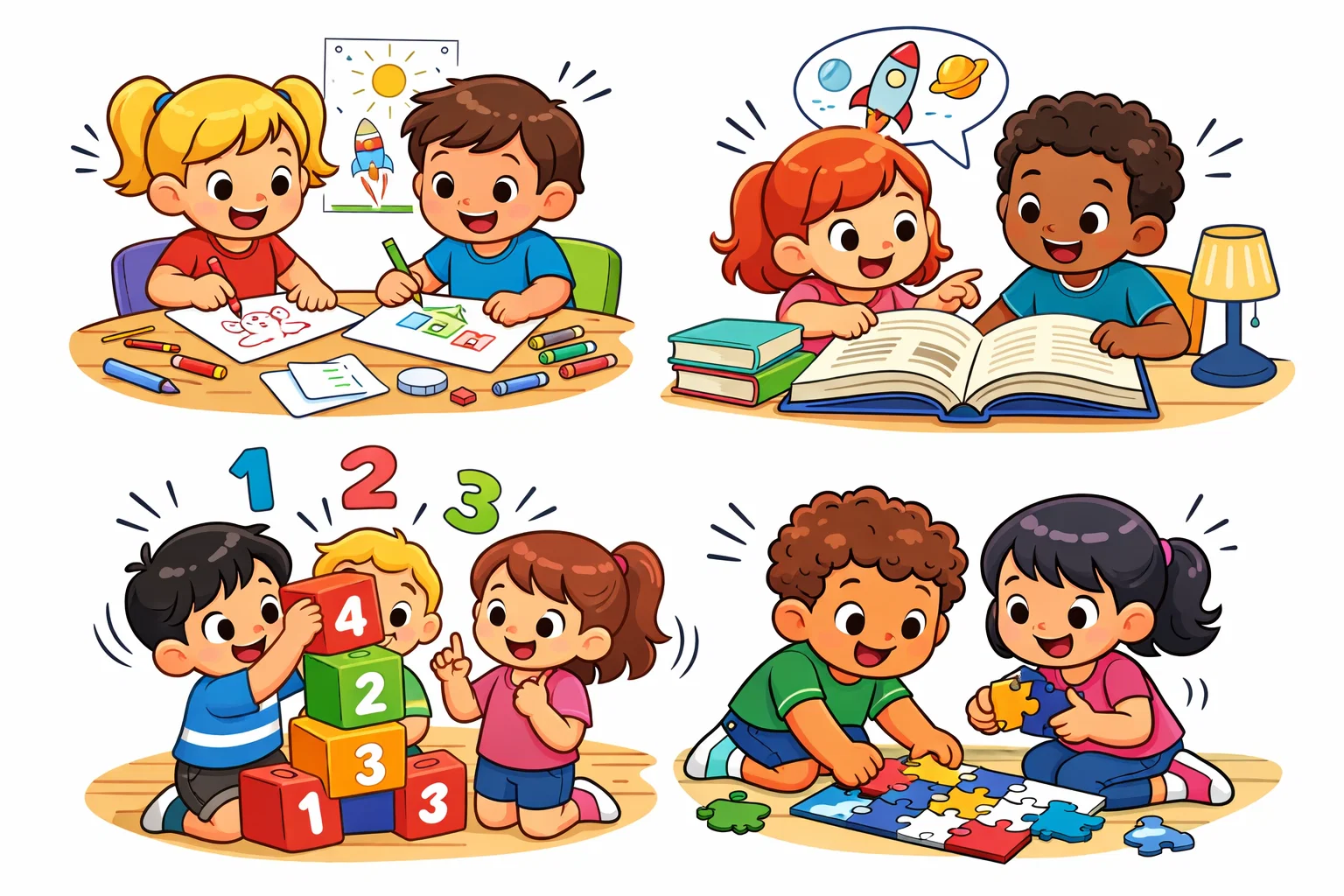
Finding the right balance between play and instruction is the cornerstone of effective child development. This guide offers a curated collection of engaging learning activities designed for home learning, skill development, and growing independence. Whether you want to help your child develop essential math skills or explore arts and crafts that spark imagination, these curated ideas offer a roadmap for meaningful growth.
The goal of this resource is to empower parents and caregivers with hands-on strategies that make learning an adventure. By integrating interactive sessions into your daily routine, you can motivate your child to become a lifelong learner. From science experiments using baking soda to simple alphabet games for little ones, every task here is designed to be fun and educational.
Educational Activities by Age
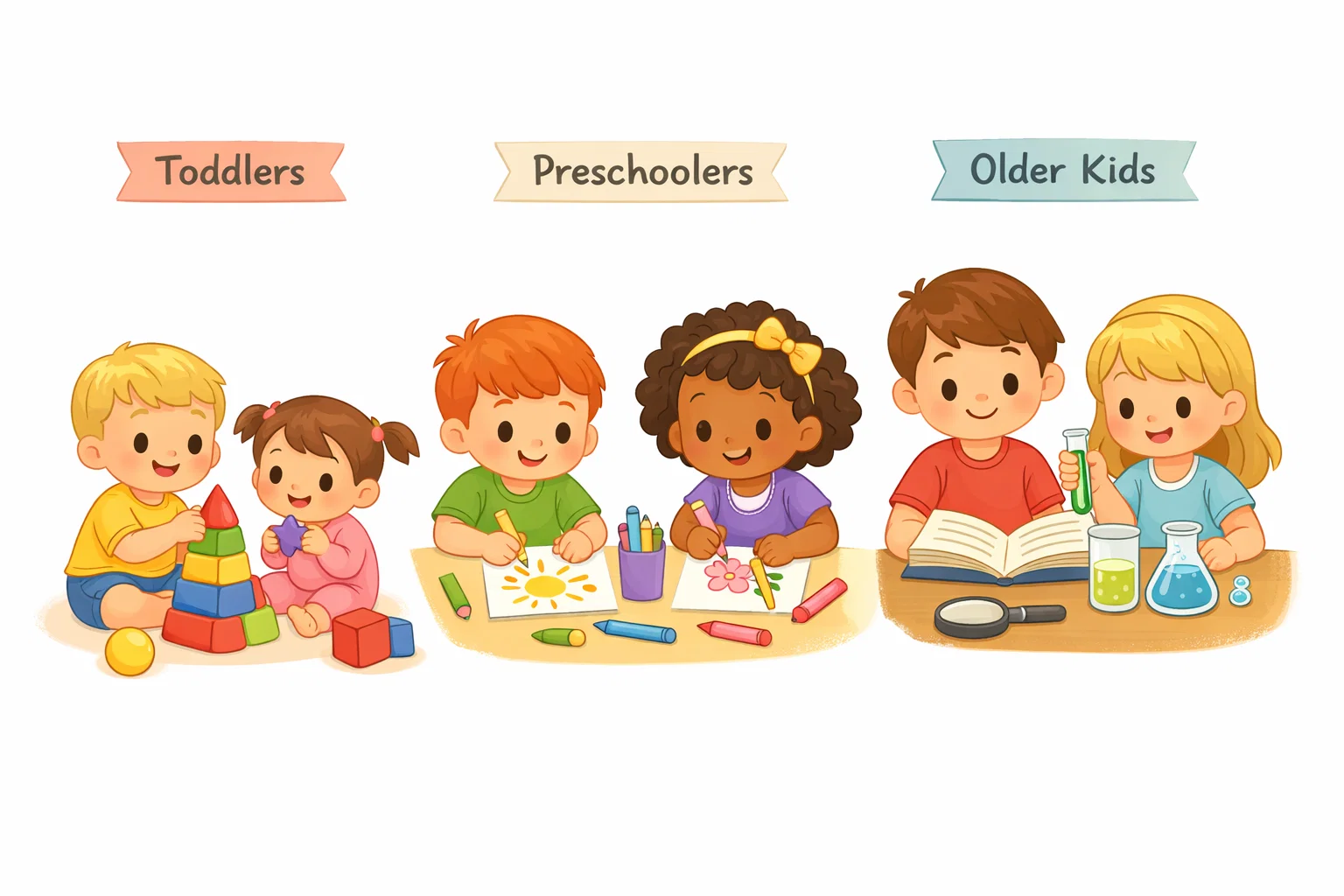
Children’s developmental milestones influence how they process information. Providing age-appropriate challenges ensures that a child remains engaged without feeling overwhelmed. As children grow, their learning goals shift from basic sensory exploration to complex critical thinking and independent research.
Educational Activities for Ages 3–4
At this stage, little ones learn best through play-based discovery. Focus on fine motor skills and early speech development.
- Sensory Bins: Fill a container with rice or beans and hide alphabet magnets for your child to find.
- Colourful Sorting: Use paper scraps in different colours and ask your child to sort their toys by color.
- Playdough Shapes: This helps children grasp basic geometric concepts while strengthening hand muscles.
Educational Activities for Ages 5–6
As children enter the early school years, focus on phonics games, basic maths and reading skills, and creative crafts.
- Phonics Scavenger Hunt: Ask your child to find objects around the house that start with a specific letter.
- Counting with Snacks: Use grapes or crackers to practise addition and subtraction.
- Paper Plate Clocks: A simple hands-on way to introduce telling time.
Educational Activities for Ages 7–8
Children in this age group enjoy logic puzzles and more structured learning programs.
- Creative Writing Starters: Provide a “mystery object” and ask them to write a story about it.
- Jigsaw Puzzles: A jigsaw is excellent for spatial awareness and patience.
- Card Games: Games like “War” or “Go Fish” help challenge your child with number recognition and strategy.
Educational Activities for Ages 9–10
For older children, independent projects and STEM challenges are vital.
- Research Projects: Ask them to choose a planet in the solar system and create a presentation.
- DIY Stop-Motion: Use a tablet to let your child create their own mini-movie.
- Budgeting Games: Give them a “virtual budget” for a grocery trip to practice real-world math.
Hands-on Learning Activities for Kids
Hands-on learning (often referred to as kinaesthetic or kinesthetic learning) is an educational approach where students carry out physical tasks rather than just listening to a lecture. Interactive learning is widely recognised as an effective way to support memory and understanding.
Craft-Based Educational Activities
Using crafts is a brilliant way to foster creativity.
- Plastic Bottles Planters: Cut plastic bottles in half to create small pots, teaching recycling and biology simultaneously.
- Cotton Balls Art: Create clouds or sheep to practice textures while discussing weather or animals.
Science-Based Educational Activities
Simple science experiments demonstrate cause and effect.
- The Volcano: Mix baking soda and vinegar in a paper plate base to witness a chemical reaction.
- Balloon Static: Rub a balloon on hair to pick up small pieces of paper, explaining static electricity.
Math-Based Hands-on Activities
Move away from the worksheet and toward interactive tools.
| Activity | Skill Developed | Materials Needed |
| Hopscotch Math | Addition & Subtraction | Chalk |
| LEGO Fractions | Parts of a Whole | Building blocks |
| Measurement Hunt | Units of Measurement | Ruler or tape measure |
Literacy-Based Hands-on Activities
- Shaving Cream Writing: Spread cream on a tray for your child to practise writing alphabet letters.
- Story Stones: Paint characters on stones and have your child arrange them to tell a tale.
Independent Educational Activities at Home
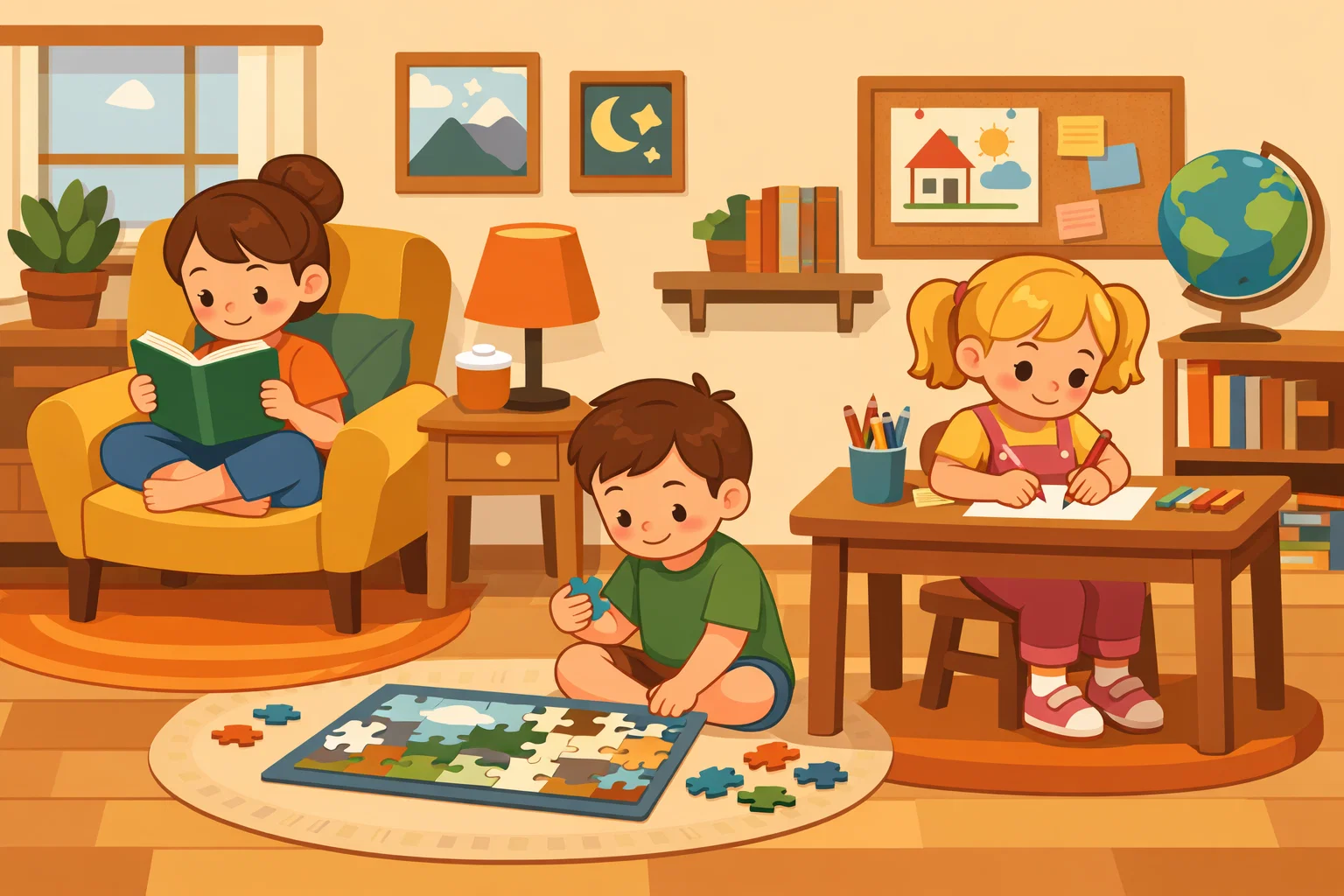
Teaching a child to work alone builds confidence and comprehension. Many child psychologists describe independent play as “the work of the child” allowing them to master their environment.
Screen-Free Independent Activities
- Jigsaw Puzzle: A classic way to entertain and challenge.
- Audiobooks: Listening to stories helps build vocabulary and listening comprehension even without a screen.
Quiet Educational Activities
- Journaling: Give them a prompt about their favorite dinosaur or dream vacation.
- Matching Cards: A memory-based fun activity that can be done solo.
Independent Creative Projects
Encourage your child to create a “Box City” out of recycling or a periodic table poster for their room. These long-term personal goals build grit and focus.
Free Educational Activity Resources
You don’t need expensive kits to help your child learn. Many high-quality at-home resources are available for free.
Printable Educational Worksheets
Standard worksheets are great for repetitive practice. Sites like Khan Academy Kids offer a range of activities that can be printed to help with writing skills.
Educational Activity Sheets for Home Learning
Look for structured packs that include a mix of riddles, jigsaws, and math drills. These provide a classroom-like routine in a domestic setting.
Creative Printables for Kids
From colourful coloring pages to DIY jigsaw templates, printables can provide hours of fun learning.
Educational Activities for School Readiness
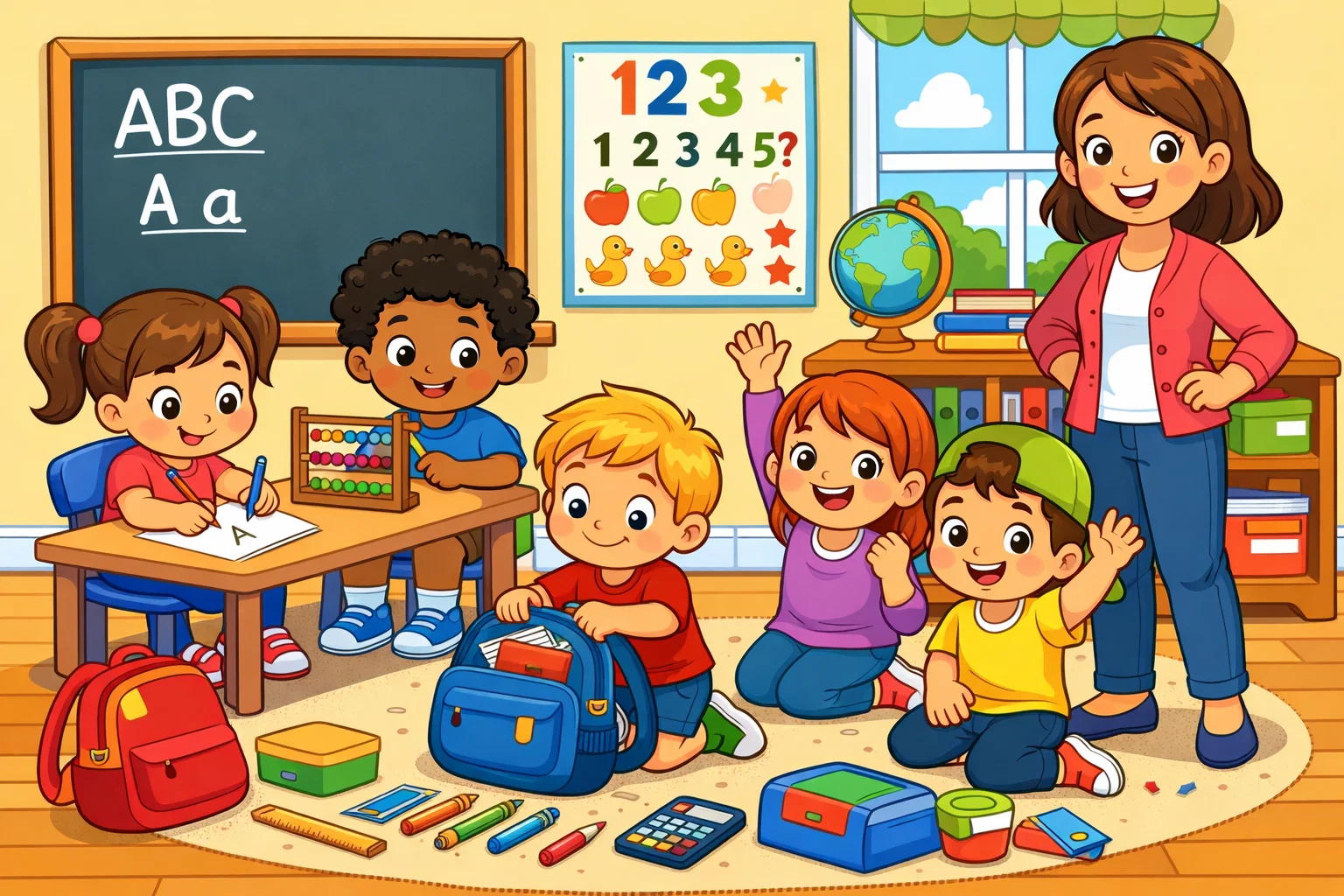
Preparing for a classroom environment involves more than just academics; it’s about fostering social and emotional intelligence.
- Pre-school Readiness: Focus on listening to instructions and basic alphabet recognition.
- Early Primary Skills: Practice maths and reading skills through short, timed games and activities.
- Learning Routines: Use a visual playlist or chart to show your child their daily tasks, which builds time management.
Fun and Creative Educational Activities
The best learning methods are those where the child doesn’t realize they are “working.”
Art-Based Learning Activities
Integrate history or science into art. For example, painting the solar system or creating a collage of different habitats using old magazines and newspapers.
Music and Rhythm Learning Activities
Use rhythm to practise times tables. Clapping out the “2 times table” makes the maths skills stick through muscle memory and beat.
Storytelling and Imagination Activities
Use a prop—like an old hat or a wand—to start a role-play session. This develops imaginative thinking and social comprehension.
Educational Activities for Outdoor Learning
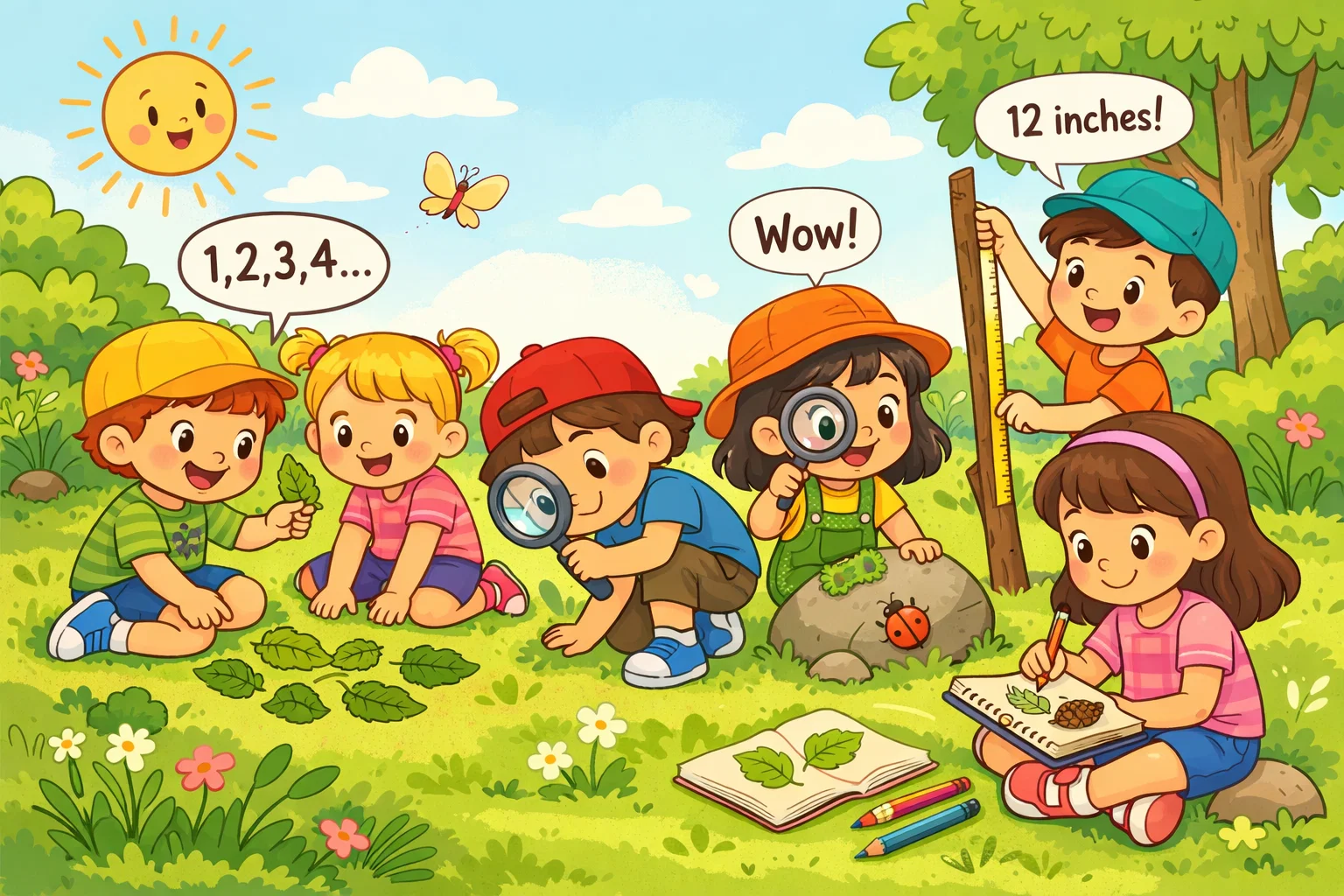
Nature is the ultimate classroom. Outdoor learning can reduce stress and supports healthy vitamin D levels, which is linked to better cognitive function.
Nature-Based Educational Activities
A scavenger hunt is a classic. Ask your child to find:
- A leaf larger than their hand.
- A smooth stone.
- Something that makes a sound.
Outdoor Math and Logic Activities
Use chalk to draw a giant number line on the driveway. Have them jump to the answer of a math problem.
Physical Learning Activities
Combine movement with facts. Play “True or False” Tag—if a statement is true, they run to one side; if false, the other.
Popular Educational Activities for Kids
These tried-and-true methods are favorites among educators for their high engagement levels.
- Phonics Fun: Hide letters in a sandbox and have the child name the sound as they find them.
- Cooking-Based Learning: Baking is a secret math lesson. Measuring flour and sugar helps children grasp volume and weight. Plus, reading the recipe improves reading skills.
Seasonal Educational Activities
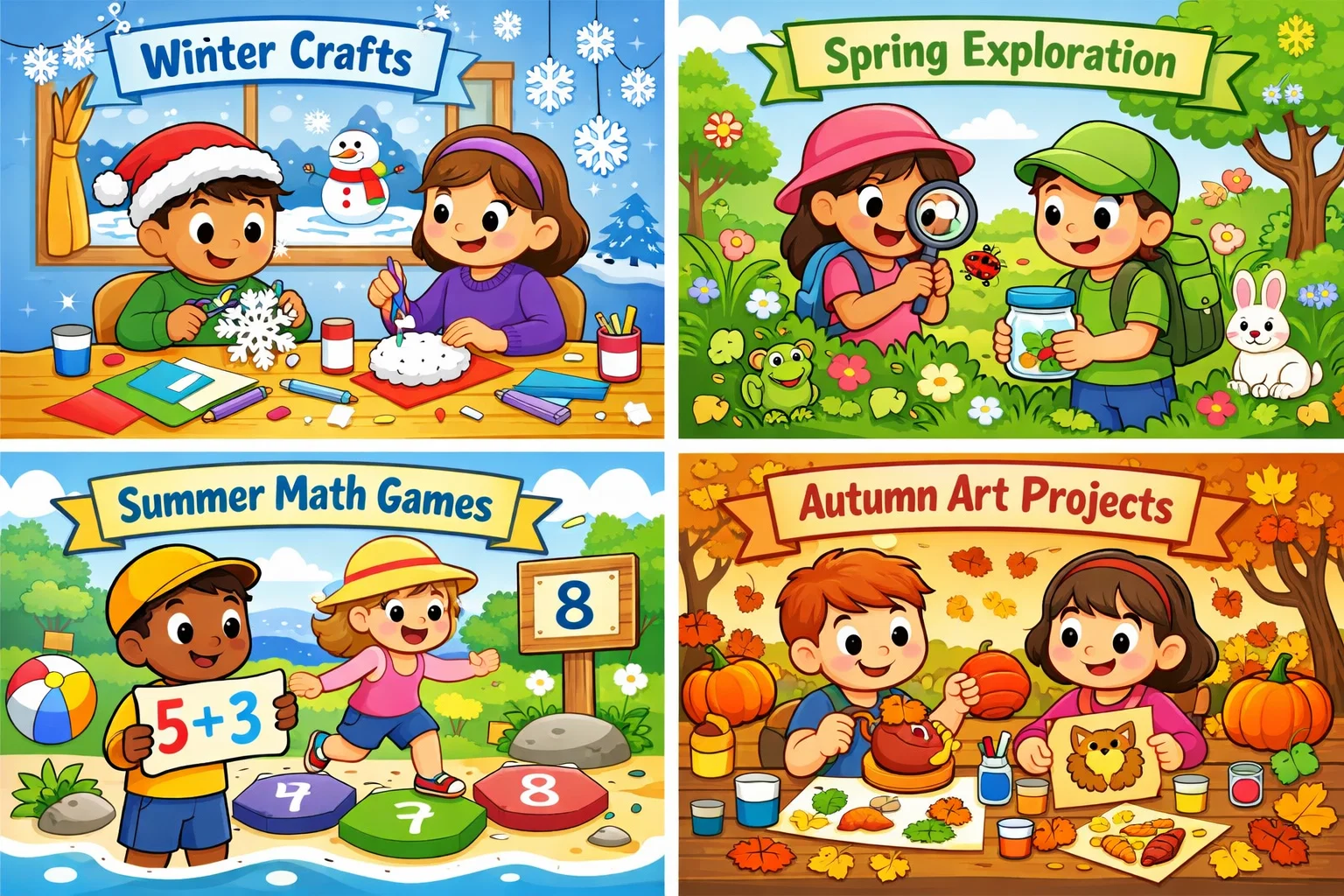
Tying educational activities to the time of year keeps things fresh and relevant.
Holiday-themed Learning Activities
During the winter, use “Snowman Math” or write letters to a friend or family member. In the autumn, use fallen leaves for counting and sorting.
Seasonal Science and Nature Activities
Track the time the sun sets every day for a week to discuss the Earth’s tilt. This is a great at-home science project.
Educational Activity Ideas for Daily Routines
Learning shouldn’t be a separate event; it should be woven into the fabric of the day.
- Short Activities: Use the car ride for “Mental Math” or “I Spy” with letters.
- Family-Based Learning: Board games are excellent for teaching turn-taking and logic.
- Travel Learning: Use a map to track your progress, helping with geography.
Related Educational Content
To further help your child, consider exploring digital tools and expert guides.
Learning Apps and Digital Activities
While screen time should be balanced, apps like Khan Academy Kids provide excellent interactive lessons in a controlled environment.
Educational Games and Puzzles
Strategy-based games like Chess or Checkers are excellent for developing long-term planning skills.
Parent Guides for Educational Activities
Caregivers should remember that every child is a unique learner. What works for one may not work for another. The key is to stay patient and keep activities varied and engaging.
“The goal of early childhood education should be to activate the child’s own natural desire to learn.” — Maria Montessori, educator and physician
By offering a wide range of activities, from a backyard scavenger hunt to arts and crafts at the kitchen table, you provide your child with the tools they need to succeed. Keep it interactive, keep it colourful, and most importantly, keep it fun!