

Choosing the right streaming service for your family has become a meaningful parenting decision in 2026. With the digital landscape more crowded than ever, Netflix and Disney+ remain the two dominant platforms competing for children’s screen time. While both offer a dedicated kids profile, the philosophy behind their content strategies differs significantly. Disney+ leans heavily on the nostalgia and brand power of the entire Disney ecosystem, while Netflix prioritizes a vast, global catalog of diverse original content to suit every possible niche.
In this neutral, side-by-side comparison, we evaluate how each kids app stacks up in terms of safety, educational value, and cost-effectiveness. Whether you have young kids obsessed with animated shorts or tweens and teens looking for the next viral hit, understanding the nuances of these major streaming platforms is key. This comparison analyzes the latest 2026 updates to parental controls, subscription tiers, and age-appropriate filtering to help you find the best fit for your family’s unique viewing habits.
Disney+ Kids vs Netflix Kids Quick Verdict
If you are looking for a quick answer, the “best” service depends largely on your child’s interests and your household budget.
- Disney+ Kids is widely regarded as a strong choice for Disney classics, Pixar, Marvel, and Star Wars content. It is the best streaming service for kids who love iconic characters and big-budget cinematic experiences.
- Netflix Kids stands out for its sheer variety and strong lineup of original content. It is the better choice for families who want a rotating selection of international shows, educational shows, and content that grows with older kids.
Best for iconic franchises and classic animation
Disney+ remains one of the most recognizable entertainment brands globally. For many families, the value lies in having access to a large portion of Disney’s historical catalog and major franchises. If your household revolves around Marvel and Star Wars, or if you want your children to grow up with the same Disney classics you loved, Disney+ is the superior choice. The inclusion of National Geographic content adds high-quality documentary programming suitable for older children.
Best for variety and original kids series
Netflix focuses on volume and “something for everyone.” While it lacks the massive legacy brands of its rival, its Netflix originals for kids—like StoryBots or The Dragon Prince—often push creative boundaries. The platform is excellent for on-demand variety, offering a constant stream of new episodes and diverse storytelling from across the globe, making it a “discovery” engine for younger kids and older kids alike.
Best choice depending on child age
- Preschoolers (2–5): Disney+ leads with Disney Junior, though Netflix often performs well for preschoolers thanks to a rotating mix of popular preschool series (availability can vary by region and licensing).
- School-Age (6–11): A tie. Disney has the blockbusters; Netflix has the quirky, bingeable series.
- Tweens (10–12) and Teens (13+): Netflix often appeals more to older tweens and teens thanks to its broader range of PG-13 and teen-focused series, including titles such as Stranger Things and Wednesday.
Disney+ Kids Content Library
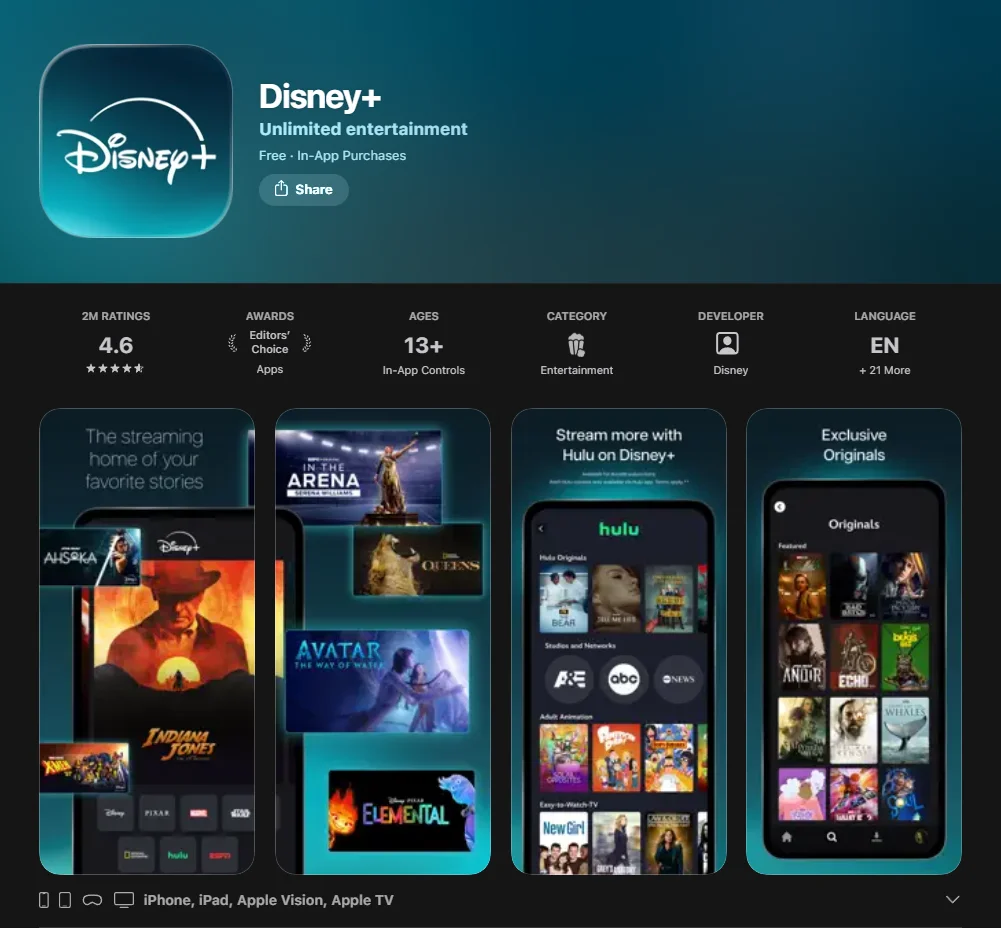
The Disney+ library is built on “pillars” that make navigation incredibly intuitive for children. In 2026, the service further strengthened its core franchises while expanding its on-demand content through strategic acquisitions.
Disney, Pixar, Marvel, Star Wars titles
This is the heart of the service. Disney+ offers the vast majority of Pixar films, most entries in the Marvel Cinematic Universe, and nearly all Star Wars titles, though availability may vary by region and licensing agreements. For a child, this means a consistent world of familiar faces. These franchises are not just movies; they are cultural touchpoints that provide a “safe” and predictable viewing experience.
Preschool shows and early learning series
Through the Disney Junior brand, the platform offers a massive selection for young kids. Shows like Bluey (which Disney distributes in many regions) and Mickey Mouse Funhouse focus on social-emotional development. The on-demand nature of these shows allows parents to find age-appropriate content easily.
Movies vs episodic series balance
Disney+ leans toward the “event” feel. While they have many kids shows, the platform’s strength is undoubtedly its family movie collection. It’s the platform you turn to for a Friday night movie marathon rather than a quick 10-minute distraction.
Exclusive titles and originals
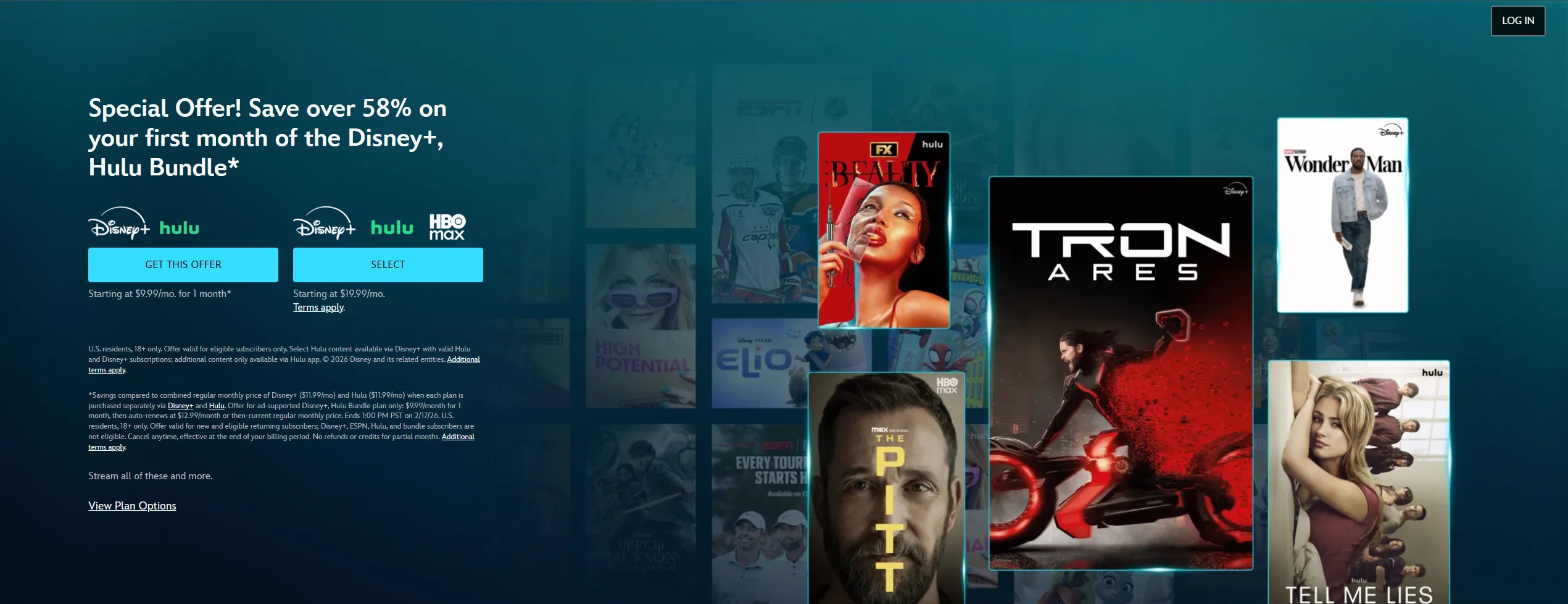
Disney+ uses an exclusivity strategy. Exclusive titles such as The Mandalorian are available only on Disney+. In recent years, Disney+ has continued expanding its original content library, including spin-offs and series based on established Disney Channel properties.
Strengths and limitations of Disney+ Kids catalog
| Feature | Analysis |
| Strengths | Unmatched brand loyalty; high production values; ad-free options; National Geographic documentaries. |
| Limitations | Catalog can feel static; less variety in “non-franchise” animation; ad-free tiers are priced higher than entry-level plans. |
Netflix Kids Content Library
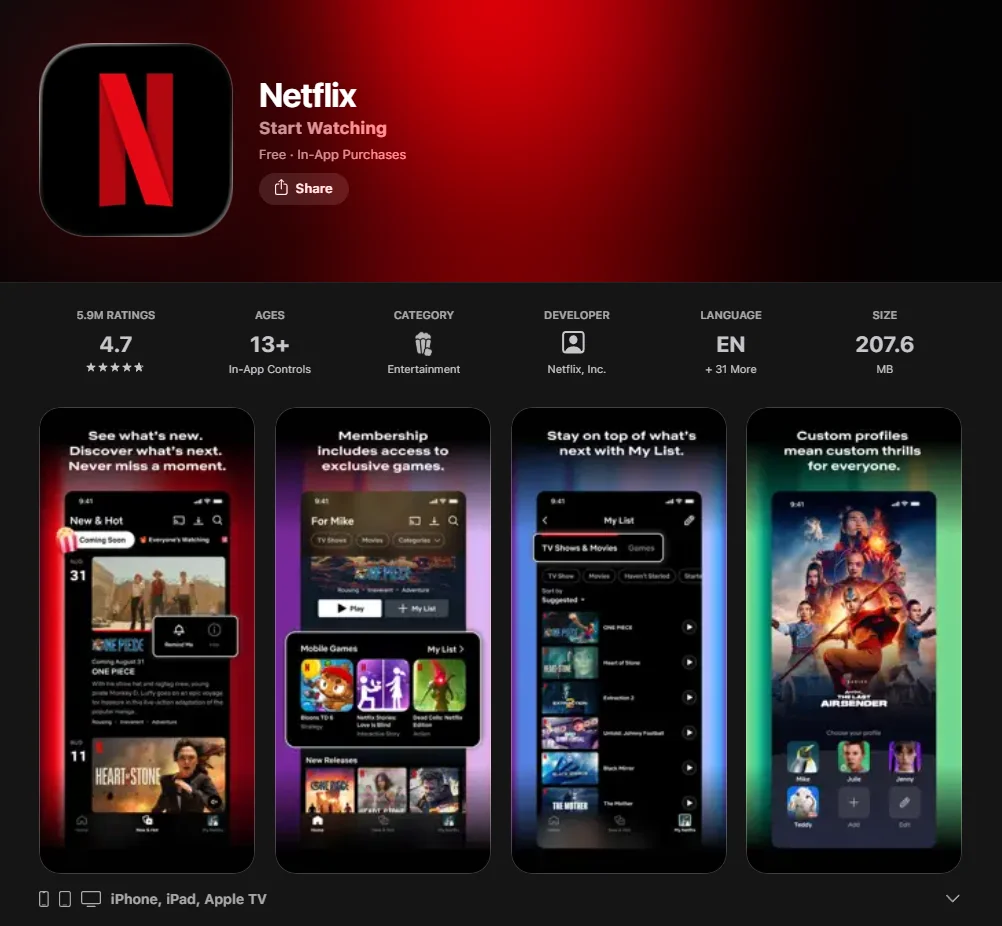
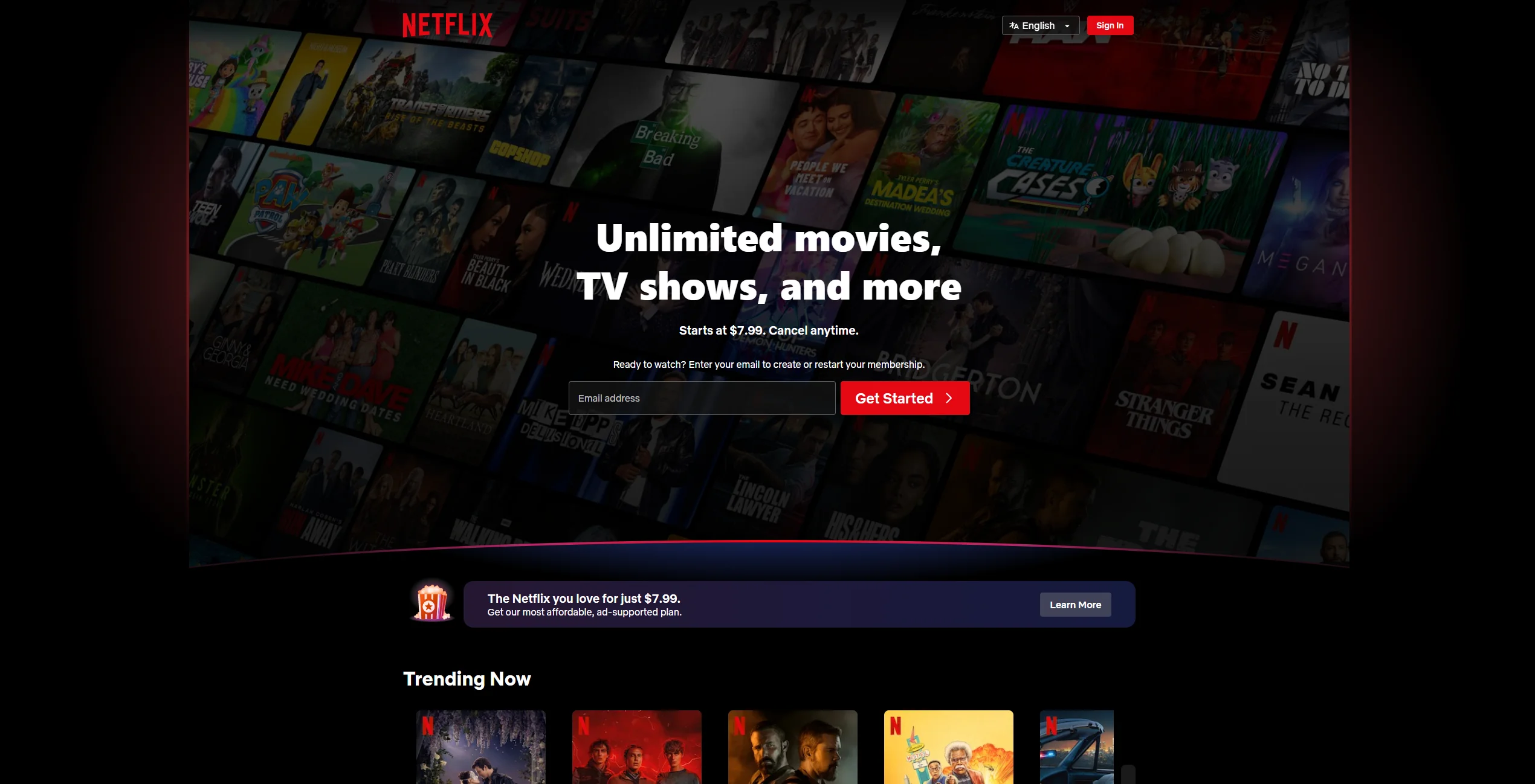
Netflix operates more like a vast library than a curated boutique. It is designed to keep users engaged through a sophisticated recommendation engine.
Netflix Originals for kids
Netflix has invested billions in its own IP. Unlike Disney, which builds heavily on its legacy franchises, Netflix continues to invest significantly in developing new original content across multiple genres. This results in a highly diverse kids section where children can find everything from high-fantasy animation to live-action sitcoms.
Licensed third-party content
One of Netflix’s biggest draws is its selection of movies and shows from outside studios. While Disney+ primarily focuses on Disney-owned brands, Netflix offers a rotating selection of licensed content from studios such as Sony, DreamWorks, and various international distributors. However, this means shows like your child’s favorite might disappear when a licensing deal ends.
Content diversity by genre and region
Netflix excels at global content. You can find incredible kid-friendly streaming options from Korea, France, or Brazil, often well-dubbed or subtitled for international audiences. This exposes children to a wider variety of cultural perspectives compared to the more Western-centric Disney library.
Movies vs binge-watch series
Netflix is the home of the “binge.” Their series and films are often designed to be watched in sequence, with new episodes frequently dropping all at once. This makes it a favorite for tweens and teens who enjoy serialized storytelling.
Strengths and limitations of Netflix Kids catalog
- Strengths: Massive volume; global diversity; excellent mobile devices app; high value to find the best variety.
- Limitations: Content quality can be inconsistent; beloved third-party shows leave the platform regularly.
Content Variety and Franchise Appeal
When comparing Netflix and Disney, the “franchise factor” is the biggest differentiator.
Best for established family franchises
Disney+ is often the preferred option for families focused on franchise-driven content. If your child wants to watch Star Wars or Marvel on repeat, there is no substitute. These are the major streaming brands that define modern childhood entertainment.
Best for mainstream characters
Characters like Elsa, Buzz Lightyear, and Spider-Man are exclusively on Disney+. While Netflix has popular characters like The Sea Beast or Leo, they haven’t yet reached the “classic” status of Disney classics.
Best for discovering new series
Netflix is superior for discovery. Its recommendation system is designed to suggest shows or movies based on previous viewing habits and engagement patterns. If your child finishes a series, Netflix is very effective at finding series like it to keep them entertained.
Age Suitability and Kids Profiles
Both platforms allow parents to create a specific kids profile, but the execution differs.
Preschool experience 3–6 years
- Disney+ includes Junior Mode and also offers a Kid-Proof Exit feature as part of its parental controls.
- Netflix: The Netflix Kids experience uses large character icons, making it easy for non-readers to navigate.
Elementary school viewers 7–11 years
At this age, kids start wanting more action. Disney+ offers Pixar films and Marvel animated series. Netflix offers high-energy animated originals and science-focused series such as Ada Twist, Scientist.
Tweens and early teens 12+
Netflix generally feels more “grown-up.” While Disney+ has added more “Star” content (in international markets) or PG-13 Marvel films, Netflix’s range of teen dramas often makes it a more appealing option as children grow out of animated content.
Profile customization and maturity filters
Both services let you set specific maturity ratings.
- Netflix: Allows you to block specific titles by name and set hard limits (e.g., “only TV-Y7”).
- Disney+: Uses a similar PIN system and content rating levels (G, PG, etc.) to ensure children don’t accidentally stumble into mature content.
Parental Controls and Safety Features
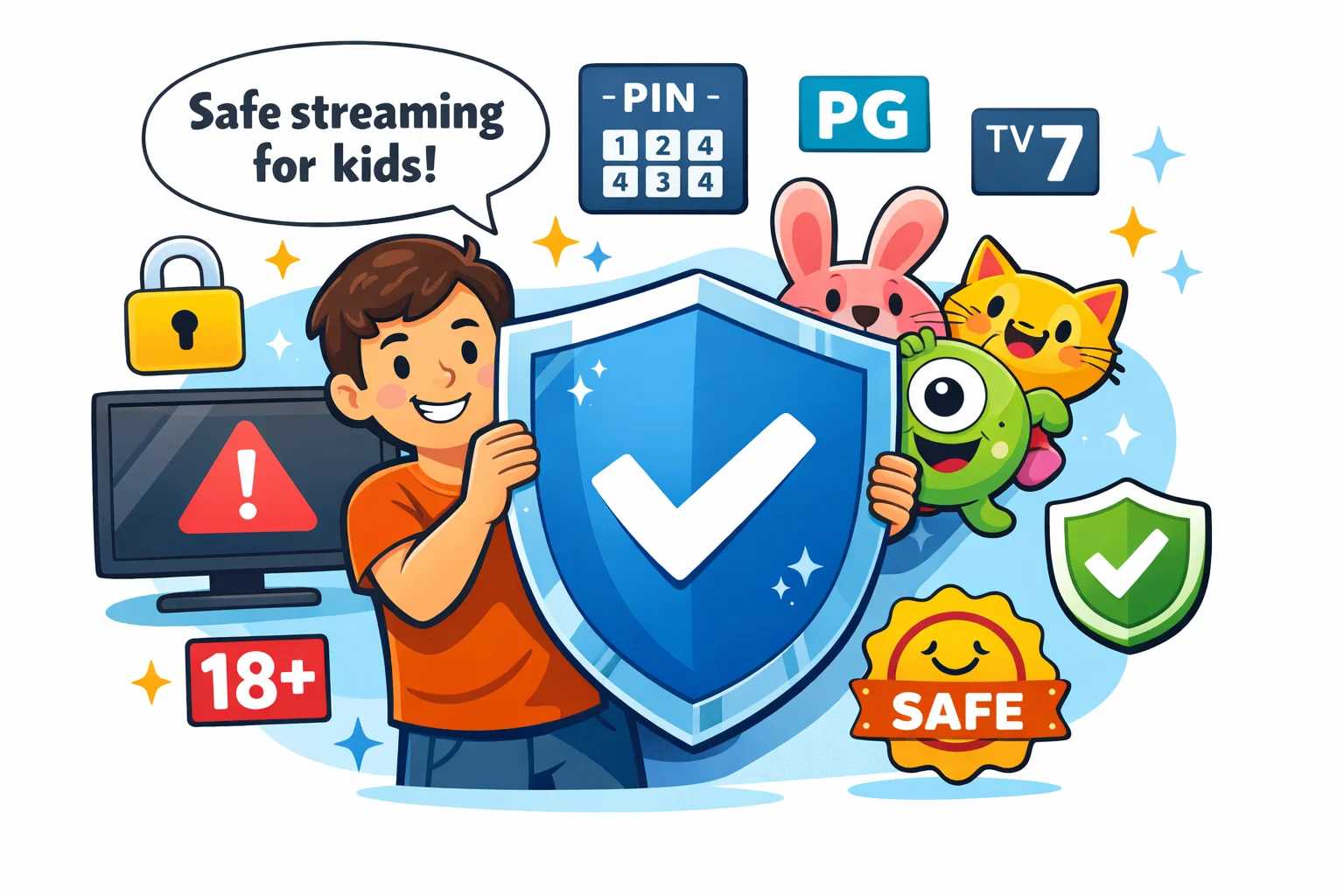
Safety is a primary concern for most parents. Both services offer ad-free premium tiers, which can help reduce exposure to advertising for children.
Profile lock and PIN protection
Both streaming platforms allow you to lock adult profiles with a 4-digit PIN. This prevents a child from leaving the kids mode and accessing the main library. Netflix allows profile-level PIN protection and title blocking.
Content rating systems
They both use standard industry ratings (TV-Y, TV-PG, PG-13). Disney+ allows for a “Kid-Proof Exit,” which requires a small task (like entering numbers) to switch profiles, adding an extra layer of security on mobile devices.
Ad-free experience comparison
In 2026, both services offer ad-supported tiers to lower the subscription cost. However, Disney+ offers an ad-supported plan, and the exact ad experience can vary by plan, content type, and region. If avoiding ads is a priority, Disney+ Premium (No Ads) is the most predictable option. On Netflix’s ad-supported plan, ads are generally not shown within Kids profiles, although policies may change over time and vary by region.
Pricing Comparison 2026
Pricing has become more complex due to frequent plan changes and bundled subscription options. The table below reflects recent U.S. list prices at the time of writing.
| Plan Type | Disney+ (2026 Est.) | Netflix (2026 Est.) |
| Basic (with Ads) | $11.99 / mo | $7.99 / mo (Some titles are unavailable on the ad-supported plan) |
| Standard (No Ads) | $18.99 / mo ($189.99 / year) | $17.99 / mo |
| Premium (4K / 4 Screens) | – | $24.99 / mo |
| Free Trial | Usually none (check for promos) | Free trials are rarely available |
Note: Prices may vary based on region and current promotions.
Value for large families
The number of simultaneous streams depends on the subscription tier and may vary by region. Both platforms offer offline downloads, though specific download limits and device restrictions depend on the subscription tier and device used.
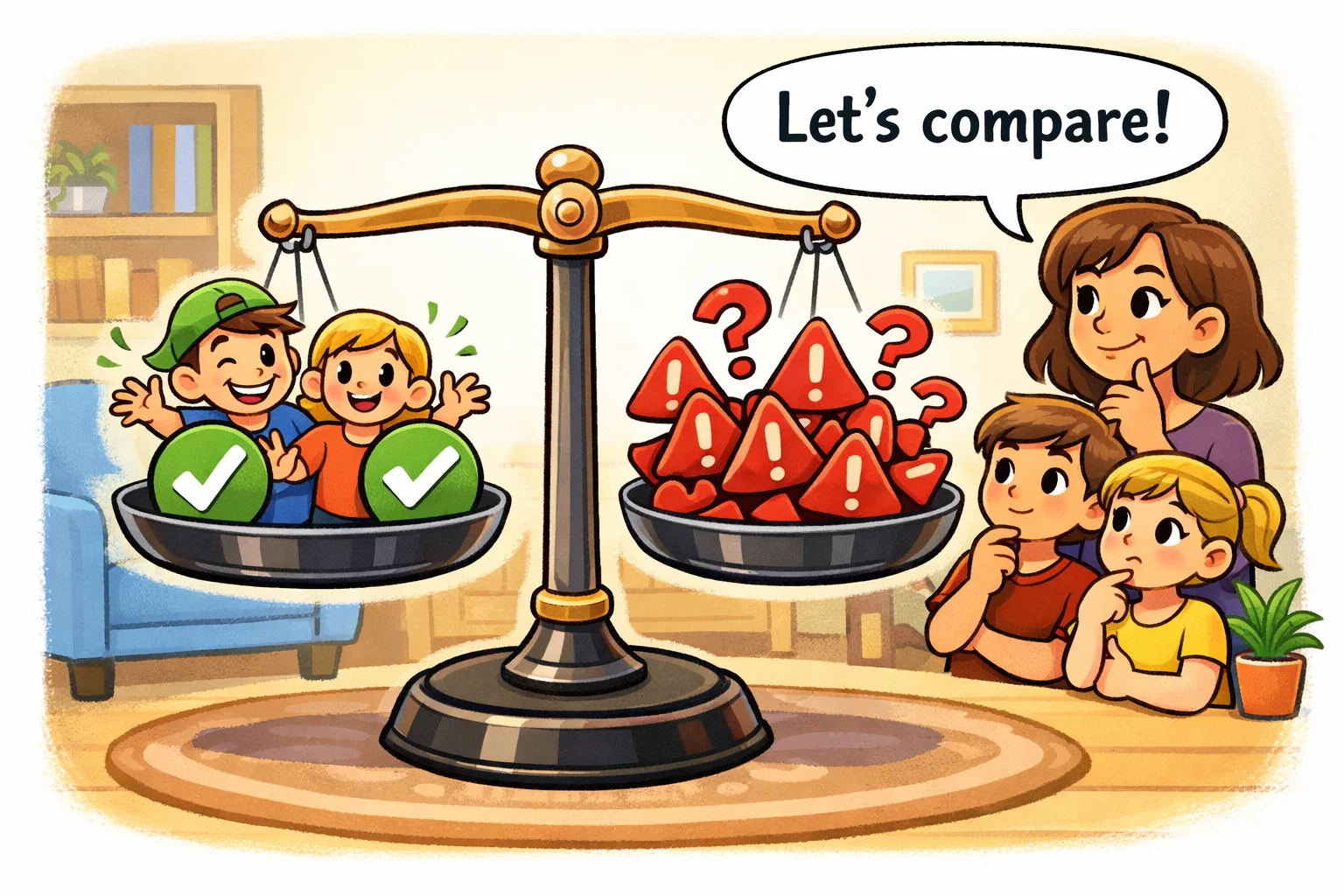
Pros and Cons
Disney+ Kids Pros
- Access to the entire Disney, Pixar, and Marvel libraries.
- High-quality National Geographic educational content.
- Predictable, high-standard age-appropriate content.
- The kids interface is visually simple and easy to navigate.
Disney+ Kids Cons
- Less variety for children who aren’t into “franchise” culture.
- Fewer “edgy” or experimental shows for older teens.
- Subscription can be pricey if not bundled.
Netflix Kids Pros
- Massive variety of original content from around the world.
- Strong recommendation algorithm tailored to children’s viewing habits.
- Excellent downloads for offline viewing functionality.
- Broad range of content for tweens and teens.
Netflix Kids Cons
- Content can be “hit or miss” in terms of quality.
- Popular licensed shows may leave the platform.
- The library can feel overwhelming to navigate.
How Services Tested for Kids Suitability
A multi-step testing process was used:
- Content Sampling: 50 titles were reviewed in the “Kids” section of each app to verify maturity rating accuracy.
- Parental Control Stress Test: Attempts were made to bypass kids profile restrictions on multiple mobile devices and streaming TV devices.
- Usability Review: Children aged 4, 8, and 12 were observed as they navigated the menus to see which kids app was most intuitive.