

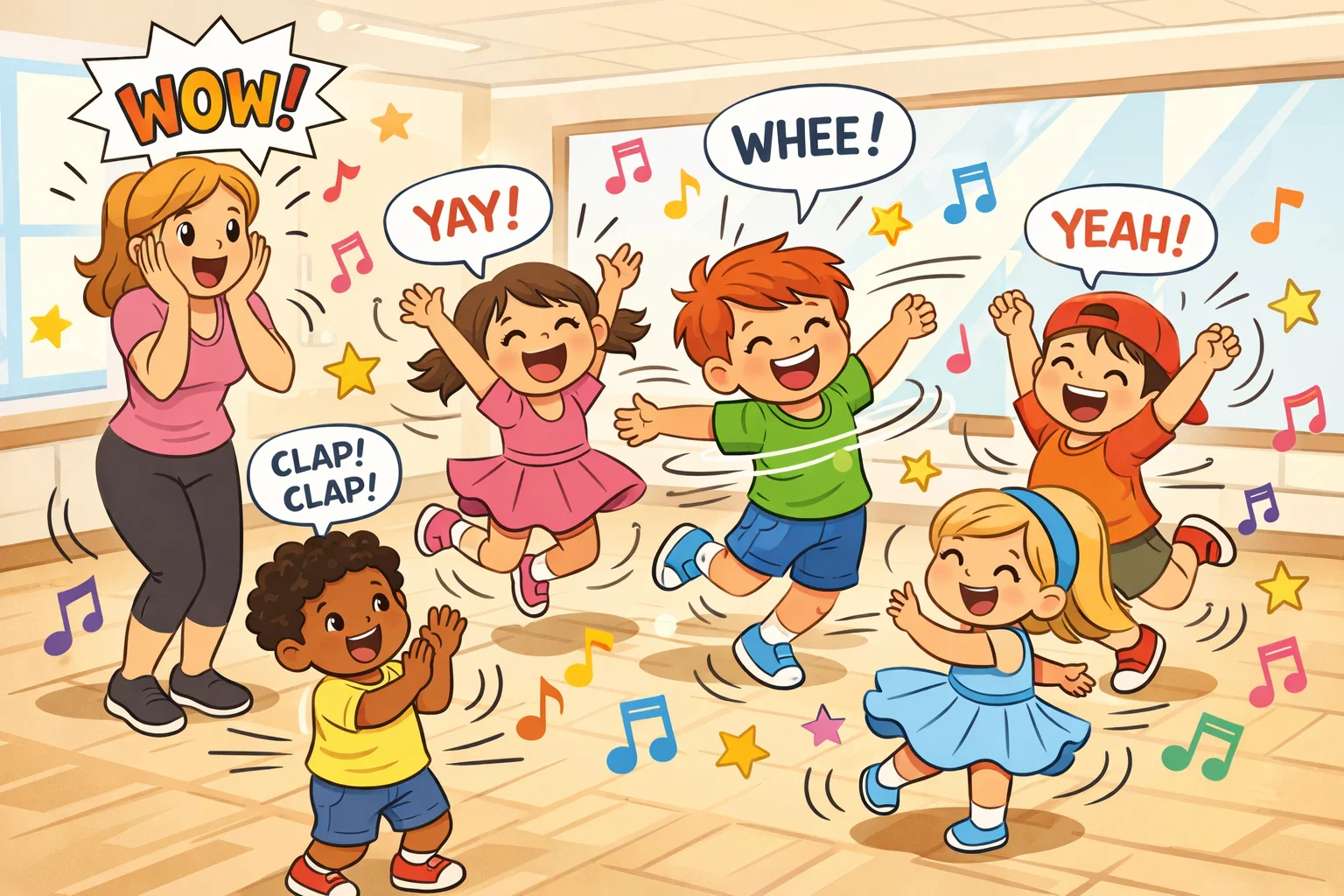
Dance activities are more than just a way for children to burn off extra energy — they are a fundamental part of early childhood development. For parents and educators, incorporating movement into a child’s daily routine offers a unique opportunity to nurture creativity, coordination, and social interaction all at once. Whether it’s a structured class or a spontaneous living room boogie, rhythmic play helps children explore the capabilities of their bodies while building the cognitive pathways that support rhythm and timing.
In a world where screen time often dominates, a fun dance session provides a much-needed outlet for physical expression. From a toddler taking their first rhythmic steps to preschoolers learning complex sequences, movement is incredibly versatile. It encourages kids to engage with their environment and their peers in a meaningful way, fostering a sense of community and confidence that lasts a lifetime.
Fun Dance Activities for Toddlers and Preschoolers
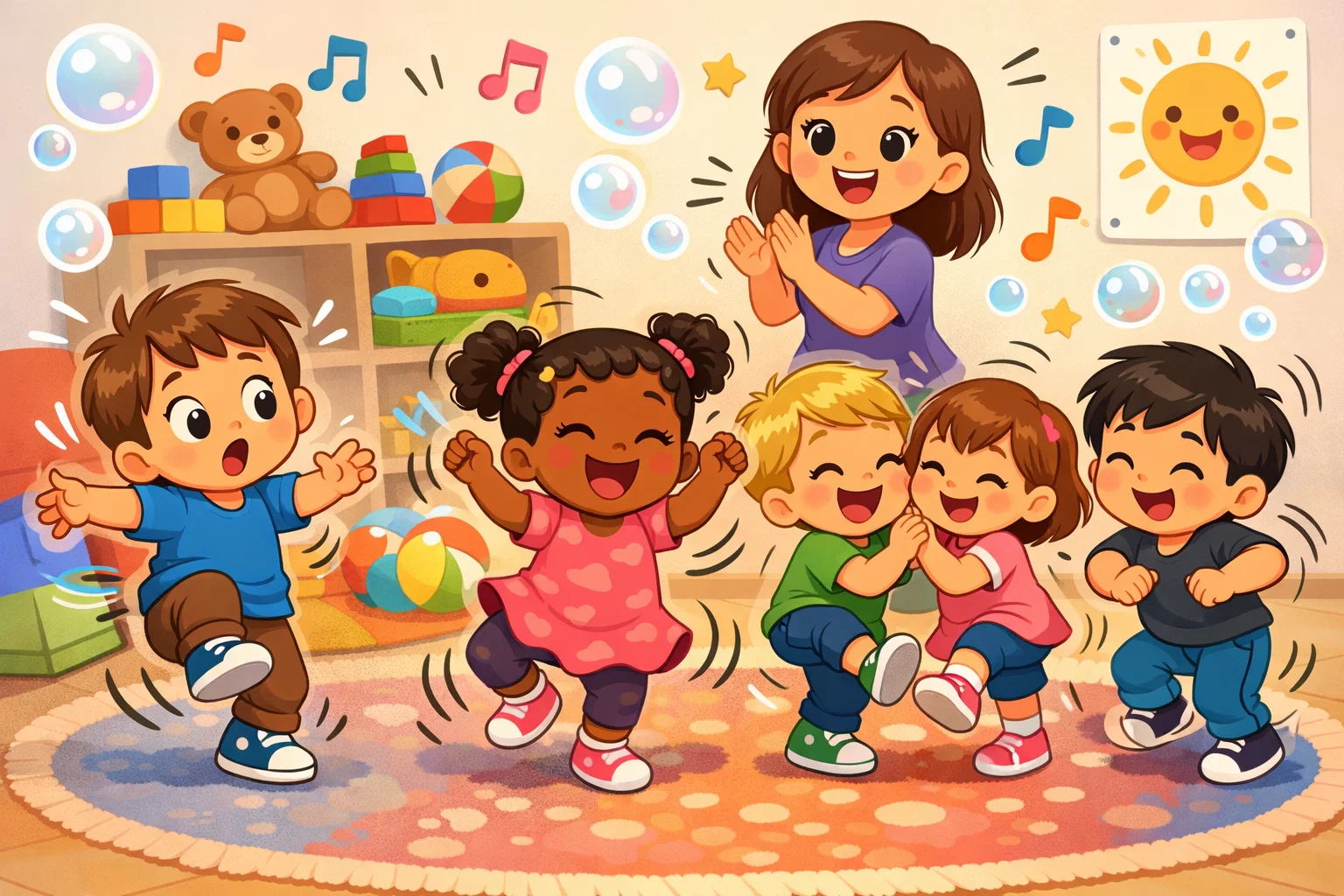
Working with younger children requires a focus on imagination and simplicity. At this age, a dance game shouldn’t be about perfect technique; instead, it should be a fun activity that encourages them to move. Toddlers and preschoolers have shorter attention spans, so the best activities for kids in this age group involve quick changes, high energy, and plenty of praise.
Wiggle and Freeze
The “Freeze Dance” is a classic for a reason. When you play music, children dance around with high energy. The moment the music stops, everyone freezes in place. This rhythmic game is excellent for developing listening skills and impulse control. It teaches preschoolers to pay close attention to auditory cues, which is a vital component of early brain development.
Copycat Dance
In this activity, an adult or a chosen child performs a simple dance move, and the rest of the group mirrors it. This helps children develop observation skills and motor imitation. It’s an easy way to introduce basic dance steps like jumping, spinning, or waving arms, ensuring the kids explore different ways their bodies can move.
Follow Leader Dance
Similar to the copycat method, the “Follow the Leader” dance routine introduces social skills like taking turns. As the leader weaves through the room, the other children dance in a line behind them. This helps build self-confidence in the leader and teaches followers how to adapt to changing tempos and directions.
Animal Adventure
Children love to pretend, and an animal-themed adventure is a great activity to spark imagination. You can call out the names of different animals, and the children act out their movements.
- Elephant: heavy, slow stomps
- Bird: light, airy “wings” and tiptoes
- Monkey: fun, energetic swinging arms
Activities with Props
Using props like scarves, a ribbon, or balloons can significantly enhance the sensory experience. Montessori-inspired educators often use silk scarves because they move slowly through the air, allowing kids to move in a way that highlights the flow of the music. It makes the physical activity more visual and helps children express themselves more freely.
Dance Games for Kids of All Ages
As children grow, active games provide a bridge between simple play and more structured social interaction. These games are perfect for family gatherings or school settings where you want kids to get active together.
Mirror Game
This is a more sophisticated version of the copycat activity. Partners stand face-to-face, and one person becomes the “mirror,” reflecting the other’s movements in real-time. It requires intense focus and spatial awareness, helping children work together in a non-verbal way.
Freeze Dance Game Variations
To keep this dance game fresh, try adding “thematic freezes.” When the music stops, tell them to “freeze like an ice cream statue” or “freeze like you’re sleeping.” This keeps the fun dance games engaging for older children who might find the basic version too simple.
Emoji Game
Use cards with different emojis to express different emotions through movement. If you show a “sad” emoji, the children use slow, heavy motions. If you show a “happy” emoji, they might clap and jump. This allows children to express feelings they might not yet have the words for.
Pass Dance Move Game
Standing in a circle, one child starts a unique dance move. The next child performs that move and adds their own. This continues around the circle, building a long sequence that tests memory and teamwork.
Freestyle Time
Sometimes the best sessions are unstructured. Set a timer for five minutes and let them move naturally. This encourages children to find their own rhythm without the fear of doing it “wrong,” which is essential for building self-confidence.
Dance Styles Kids Can Explore
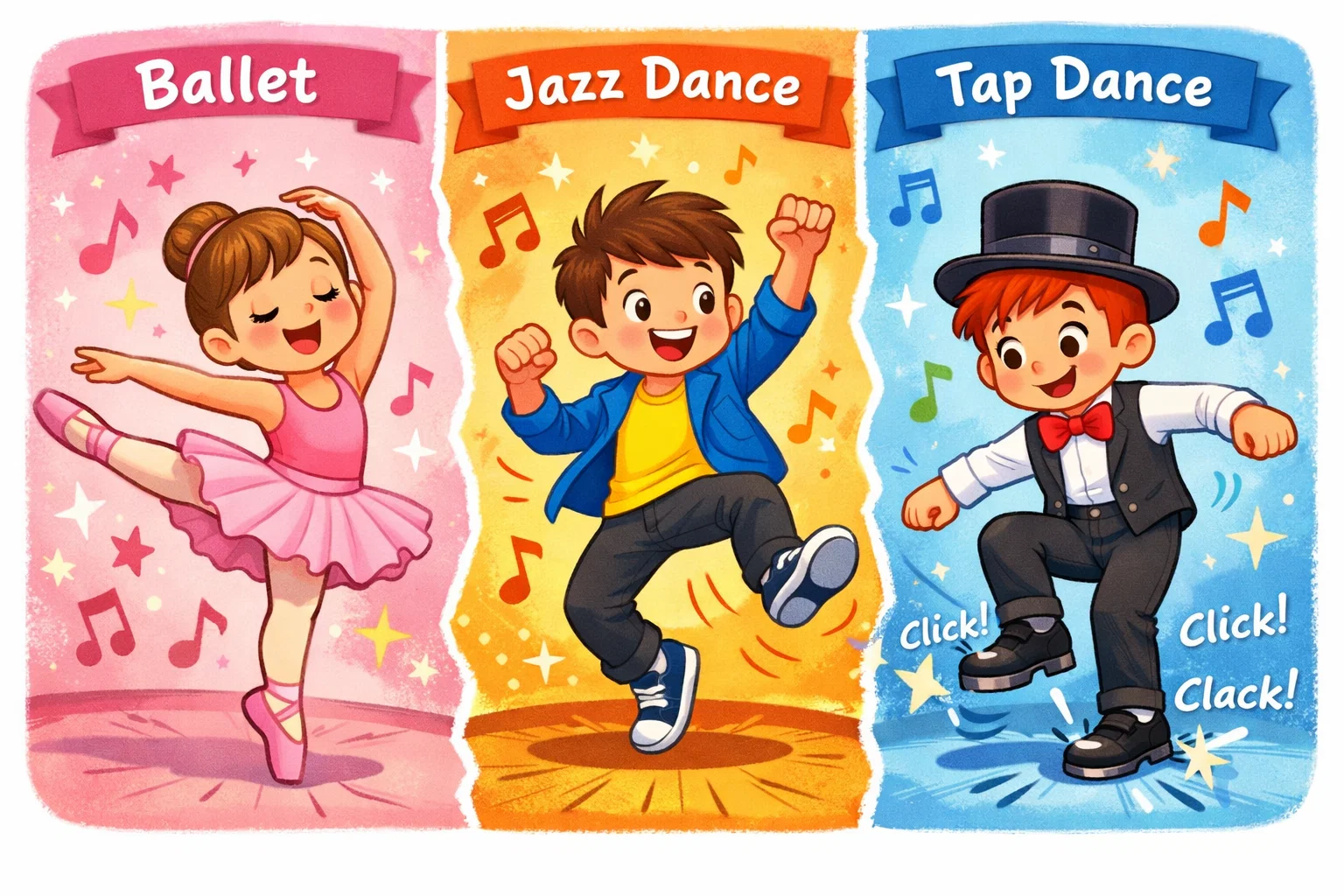
Introducing children to formal styles through play is a great dance strategy. It provides a foundation for future dance education without the pressure of a professional studio environment.
| Style | Key Focus | Movement Example |
| Ballet | Grace and Posture | Standing tall on tip-toes (relevé) |
| Jazz | Energy and Rhythm | Sharp arm movements and kicks |
| Tap | Sound and Timing | Stomping and toe-tapping |
| Cultural & Folk | Storytelling | Hula hand waves or folk steps |
Ballet Movement Basics
Focus on gross motor skills by teaching basic positions. Use “pizza feet” (first position) to help with balance. Ballet-inspired sessions focus on fluid movements and “quiet feet,” which is a wonderful activity for kids to learn body control.
Jazz Dance Grooves
Jazz is all about fun and crazy energy. Incorporate fast and slow tempos to show how jazz can be both “snappy” and “smooth.” This style is an excellent exercise for aerobic activity, keeping the heart rate up while having fun.
Tap Dance Rhythm Play
Even without tap shoes, children learn about percussion by using their feet. Play the music with a heavy beat and encourage them to “make music with their steps.” This helps children develop a sense of rhythm, which is important for both music and math skills later in life.
Cultural and Themed Activities
Dances like the Hula or simple folk steps help kids explore different cultures. Using movement and creativity, you can teach them about the world while they stay active. It’s a way for kids to see that expression is a universal language.
Benefits of Dance Activities for Kids
Regular participation in dance supports multiple areas of a child’s development, benefiting both the body and the mind.
- Physical Development: Regular kids dance sessions improve gross motor skills, balance, and flexibility. It’s a form of aerobic activity that strengthens the heart and lungs.
- Cognitive Development: Learning a dance routine requires memory and sequencing. Children learn to follow multi-step directions, which translates to better classroom performance.
- Social Development: Working in a group teaches social skills and teamwork. Children learn to respect each other’s space and take turns.
- Emotional Development: Artistic movement helps children release stress. It provides a safe space for creative expression and helps build a positive self-image.
For a child, this language is the most natural way to communicate their joy and energy to the world.
Dance Activities for Home and Classroom
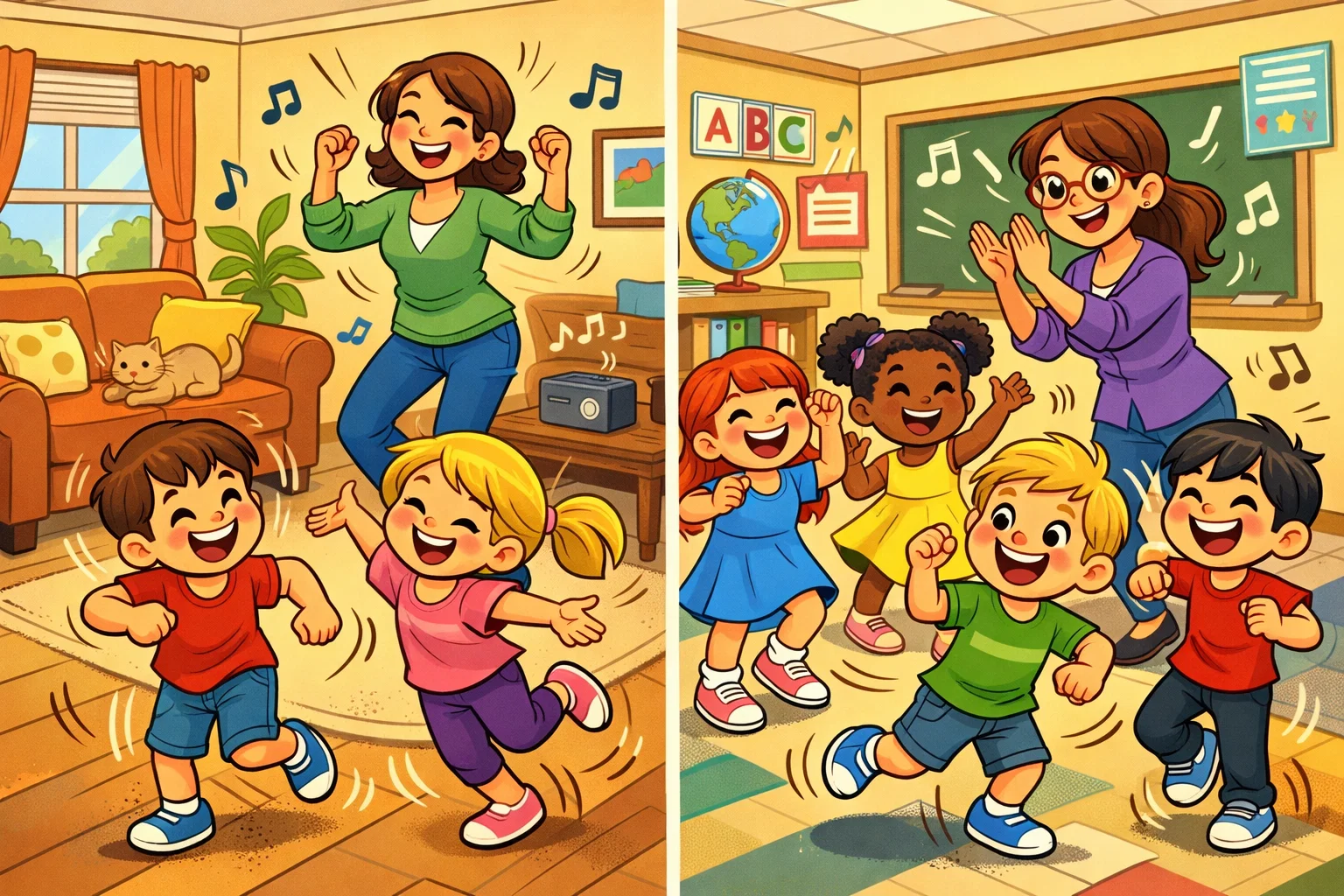
At-Home Activity Ideas
You don’t need a studio to incorporate dance into your day. Clear a small space in the living room, play music, and just start moving. Parents and educators can join in to show that movement is a lifelong joy. Try at home using a simple playlist of your child’s favorite songs.
Classroom Activities
In a Montessori dance or preschool setting, use movement as a transition tool. If children get restless, a quick two-minute “wiggle break” can reset their focus. It’s a fun dance way to manage classroom energy.
Creative Movement Exploration
Instead of telling them how to move, give them a prompt. “Move like you are walking through thick honey,” or “Step like you are a leaf falling from a tree.” This encourages kids to think critically about how they move through space.
Dance Lesson Planning for Kids
If you are a teacher, dance sessions should follow a logical flow to prevent over-stimulation:
- Warm-up: Gentle stretching and rhythm clapping.
- Main Activity: Introduce a new dance game or style.
- Cool-down: Slow movements that help calm breathing.
- Reflection: Ask the children to express what they enjoyed most.
Using varied tempos is key. Fast and slow music challenges the ability to follow instructions and keeps the lesson dynamic. As children develop, you can experiment with different levels of difficulty, moving from simple jumps to complex dance steps.
Tips for Successful Dance Activities
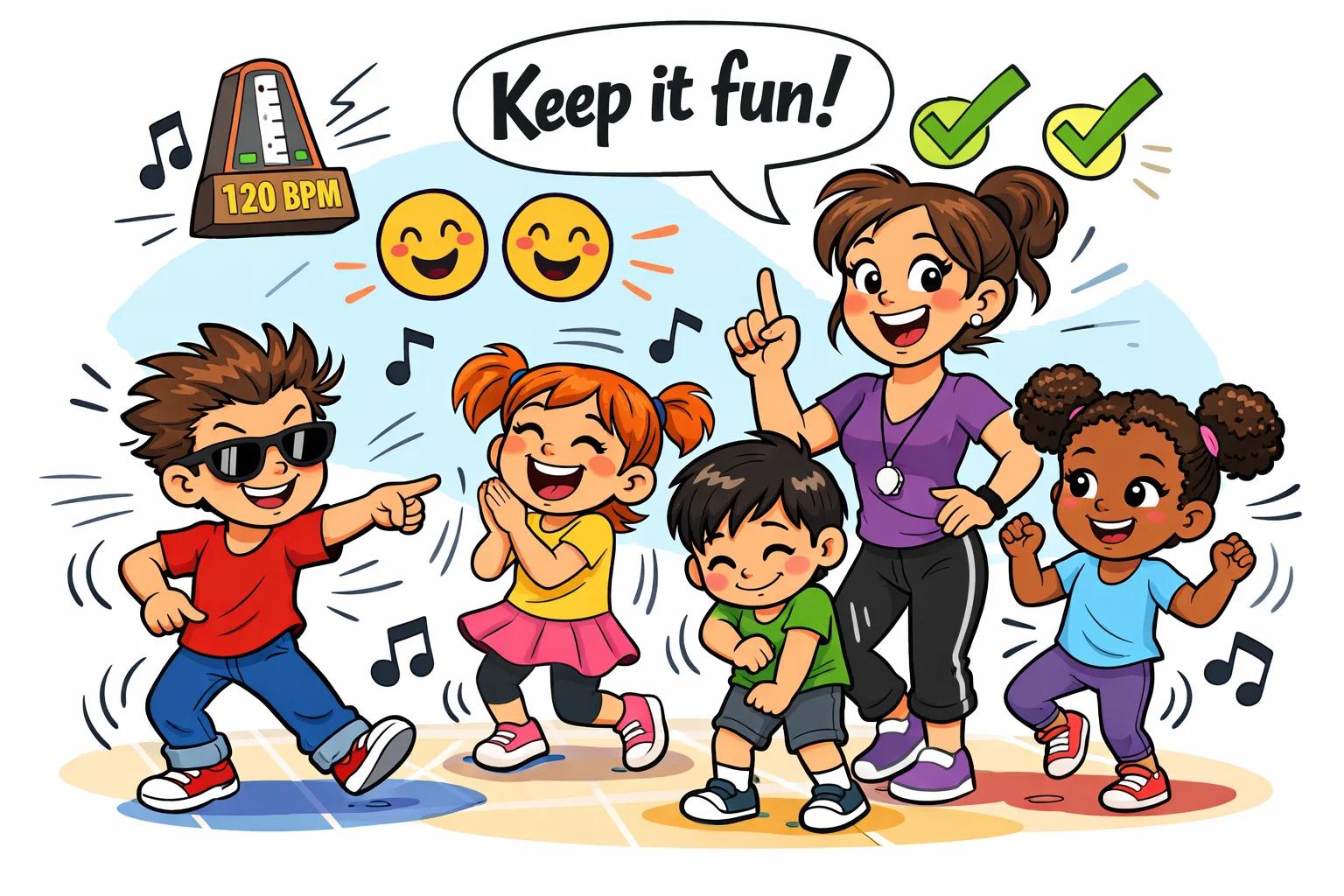
To ensure your fun dance games for kids are a success, keep these tips in mind:
- Keep it Short: For preschoolers, 15–20 minutes is usually the “sweet spot” before they lose interest.
- No Pressure: Encourage kids to participate, but never force them. Some children prefer to observe before they join in.
- Positive Reinforcement: Celebrate every unique dance move. High-fives and “good job” go a long way in building self-confidence.
- Adaptability: If a dance game isn’t working, be ready to change the song or the rules on the fly.
Key Takeaways on Dance Activities for Kids
Dance activities are an invaluable tool for any parent or teacher. They provide a holistic approach to growth, ensuring that children develop physically, emotionally, and socially. By turning physical activity into a fun dance experience, you are setting the foundation for a healthy, active lifestyle.
Whether you are doing the animal dance adventure or a simple freeze dance, the goal is the same: to let kids be kids and find joy in movement.