

Managing daily responsibilities is a foundational step in raising independent and confident children. Research in child development confirms that structured household tasks strengthen executive function, time awareness, and accountability from an early age. The best chore apps for kids translate these principles into practical digital systems that combine clarity, consistency, and motivation.
Modern families increasingly rely on technology to organize routines. When thoughtfully selected, chore management applications transform abstract expectations into visible action plans with reminders, progress tracking, and reward systems. Such tools help children understand responsibility in concrete terms while reducing parental stress and minimizing daily conflicts around unfinished tasks.
Kairos – Heroes of Time

This gamified app transforms daily tasks into heroic adventures. Children create their own superhero character and earn points when they complete chores within set time limits. The visual progress tracking helps kids with ADHD see their accomplishments, which is crucial for maintaining motivation. Parents can create custom tasks and set reminders that work with their family’s schedule. This app offers a great way to play while learning.
Happy Kids Timer Family Chores
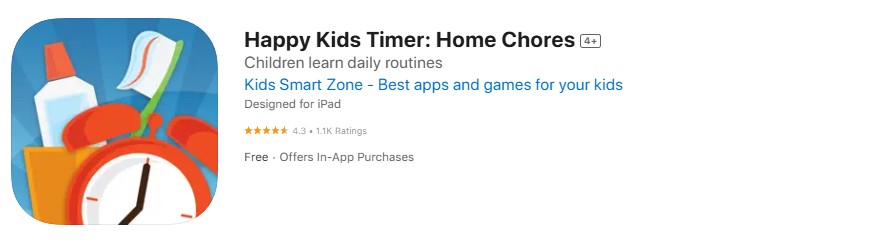
Designed specifically for younger children, this app uses colorful visual timers to help children stay focused during chore time. The timer feature is particularly beneficial for kids with ADHD, as it creates a clear boundary around each task. Family members can work together on the same chores, fostering teamwork and making cleaning feel less isolating.
Neat Kid
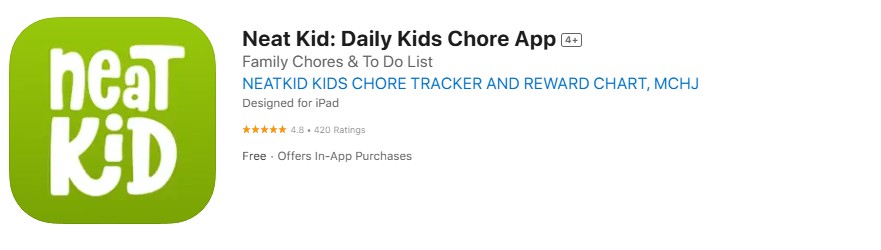
This app focuses on teaching organizational skills through simple, illustrated task lists. Children can follow along with picture-based instructions, which helps those kids who struggle with reading comprehension or processing written directions. The app allows parents to create morning and evening routines that children can follow independently.
TaskieHusky: ADHD, Kids Chores

Specifically designed with ADHD children in mind, TaskieHusky breaks down complex chores into smaller, manageable steps. The app includes built-in break reminders and allows children to work at their own pace.
Chorsee

This straightforward app focuses on simplicity and clarity. Chorsee allows parents to set up weekly chore schedules with clear expectations for each family member. The clean interface reduces visual distractions that might overwhelm kids with ADHD, while the reward system helps maintain long-term motivation.
Homey – Chores and Allowance

Homey combines chore management with financial literacy, making it ideal for teenagers preparing for independence. The app lets families set monetary rewards for completed tasks and helps teens track their earnings. This real-world connection between work and compensation can be particularly motivating for older kids with ADHD who may struggle with abstract reward systems.
Joon

Marketed as a “game for kids with ADHD,” Joon turns daily routines into an adventure game. Players care for a virtual pet by completing real-world tasks. The app was developed with input from child psychologists and includes features specifically designed to help with focus and task completion. It also has positive outcomes when children use Joon consistently over several months. This app really makes chores feel like play.
S’moresUp

This comprehensive family organization app includes chore tracking, calendar events, and communication tools. Teens can use S’moresUp to manage not just household tasks but also school assignments and extracurricular activities. The app’s ability to sync across multiple devices ensures that important reminders reach kids when they need them most.
Habitica: Gamified Task Manager

Habitica transforms life management into a role-playing game where users create avatars, join parties with friends or family members, and earn rewards for completing real-world tasks. The social aspect can be particularly beneficial for teens with ADHD, as peer accountability often increases motivation. However, parents should monitor usage to ensure the game elements don’t become more important than the actual tasks. You can often play this app with friends.
Sweepy

Designed for households that want to share cleaning responsibilities, Sweepy creates schedules that rotate tasks among family members. The app tracks how long it’s been since each chore was completed and sends gentle reminders. This approach helps teens with ADHD understand the ongoing nature of household maintenance rather than viewing chores as one-time events.
Tody

Tody uses a unique color-coding system to show when tasks need attention. Green indicates recently completed chores, while red signals overdue items. This visual system helps teens with ADHD quickly assess what needs to be done without having to process complex information. The app also allows users to set their own standards for how often each chore should be completed.
Why Chore Apps Help Children With ADHD
Understanding the neurological basis of ADHD helps explain why digital tools can be so effective for managing household responsibilities. Children with ADHD often have differences in executive function, which includes skills like planning, organizing, and following through on tasks.
Routine Building and Consistency
Children with ADHD thrive on predictable structures, but they often struggle to create these systems independently. Chore applications provide this external framework by:
- Creating visual schedules that reduce the cognitive load of remembering tasks
- Sending consistent reminders at optimal times throughout the day
- Breaking complex household duties into smaller, more manageable components
- Providing immediate feedback when tasks are completed
The key is consistency – using the same app and following the same routine helps build neural pathways that support independent functioning.
Motivation and Engagement
Traditional reward systems often fail with ADHD children because the rewards feel too distant or abstract. Modern chore software address this challenge through immediate gratification and engaging interfaces. When children complete a task and immediately see progress on their virtual pet or earn points toward a desired reward, their brains release dopamine – a neurotransmitter that’s often dysregulated in ADHD.
The gamification elements found in many tools serve a specific neurological purpose. This suggests that the entertainment value isn’t just about making chores fun – it’s about creating the right neurochemical environment for focus and task completion. Many free options let your child play while learning.
Skill Development
Beyond just getting chores done, this software helps children develop crucial life skills. Executive function coaching through technology can help kids with ADHD learn to:
- Estimate how long tasks will take
- Prioritize activities based on importance and deadline
- Break large projects into smaller steps
- Monitor their own progress and adjust strategies as needed
These skills transfer beyond household management to academic work and social situations. Parents often report that kids who use chore applications consistently begin applying similar organizational strategies to homework and personal responsibilities.
| Skill Area | How Apps Help | Long-term Benefits |
| Time Management | Visual timers and progress tracking | Better homework completion, reduced lateness |
| Task Initiation | Clear prompts and reminders | Increased independence in starting activities |
| Organization | Step-by-step breakdowns | Improved room cleanliness and school preparation |
| Self-Monitoring | Progress visualization and rewards | Enhanced self-awareness and goal-setting abilities |