

Finding the perfect movie for family movie night can sometimes feel like navigating a minefield, especially if you have sensitive kids or toddlers at home. While many animated classics are beloved, they often include a scary scene or an intense chase that can lead to nightmares for very young children.
This parental guide is designed for parents of toddlers, preschoolers, and highly sensitive children who need a gentler viewing experience. This selection focuses on films with a feel-good atmosphere, beautiful music, and playful storytelling, without intense villains, dark scenes, or loud, sudden jolts. Whether you are looking for a calm pre-bedtime ritual or a first movie experience, these recommendations are meant to create a safe, gentle viewing experience for little ones.
Why Kids Movies Without Scary Scenes Matter
For a young child, the line between fantasy and reality can be surprisingly thin. Children under the age of seven often find it harder to distinguish between fantasy and reality, which can make a monster on screen feel like a very real threat. Choosing non-scary content is not about coddling; it is about choosing stories that match a child’s developmental stage.
A gentle family-friendly movie with a predictable plot and a slow pace helps create a low-stress environment. This is particularly important for:
- Evening rituals: High-intensity action or scary moments can make it harder for kids to wind down before sleep.
- Emotional regulation: Sensitive kids may become overwhelmed by peril or sad scenes, which can leave them overstimulated or upset.
- Building confidence: Positive first experiences with movies can help children enjoy storytelling without associating it with fear.
Who Needs Gentle Movie Picks Most
While every child is different, some groups are especially likely to benefit from a carefully chosen, spooky-free list:
- Toddlers (ages 2–4): Their attention spans are short, and their understanding of make-believe is still developing.
- Highly sensitive children: Kids who notice every detail and feel emotions deeply can be strongly affected by a flashback or even by seeing a character in distress.
- Sensory-sensitive viewers: Children who are easily startled by sudden loud noises or bright, flashing lights.
What Makes a Movie Feel Safe for Young Viewers
Identifying a safe movie involves more than checking the age rating. Key indicators of a low-tension film include:
- Low stakes: The conflict is usually a misunderstanding or a simple task, such as finding a lost toy, rather than a battle between good and evil.
- No true villain: There is no Shere Khan or Ursula figure lurking in the background.
- Bright color palette: Bright, clear visuals with little to no shadowy or ominous lighting.
- Friendly pacing: Scenes move slowly enough for a child to process what is happening.
When Parents Usually Search for This Kind of Movie
- The first-movie milestone: When a child is ready to move from short clips to a full-length story.
- Sick days: When a child is under the weather and needs a comforting movie that does not require much emotional energy.
- Rainy weekend afternoons: When everyone is stuck indoors and needs a playful, low-stress distraction.
Best Kids Movies Without Scary Scenes: Top Picks
| Movie Title | Best For | Vibe |
| My Neighbor Totoro | Nature lovers | Magical & Calm |
| Winnie the Pooh | First-time viewers | Gentle & Sweet |
| Curious George | Active toddlers | Humorous & Bright |
| Puffin Rock | Science-curious kids | Educational & Soft |
My Neighbor Totoro (1988)
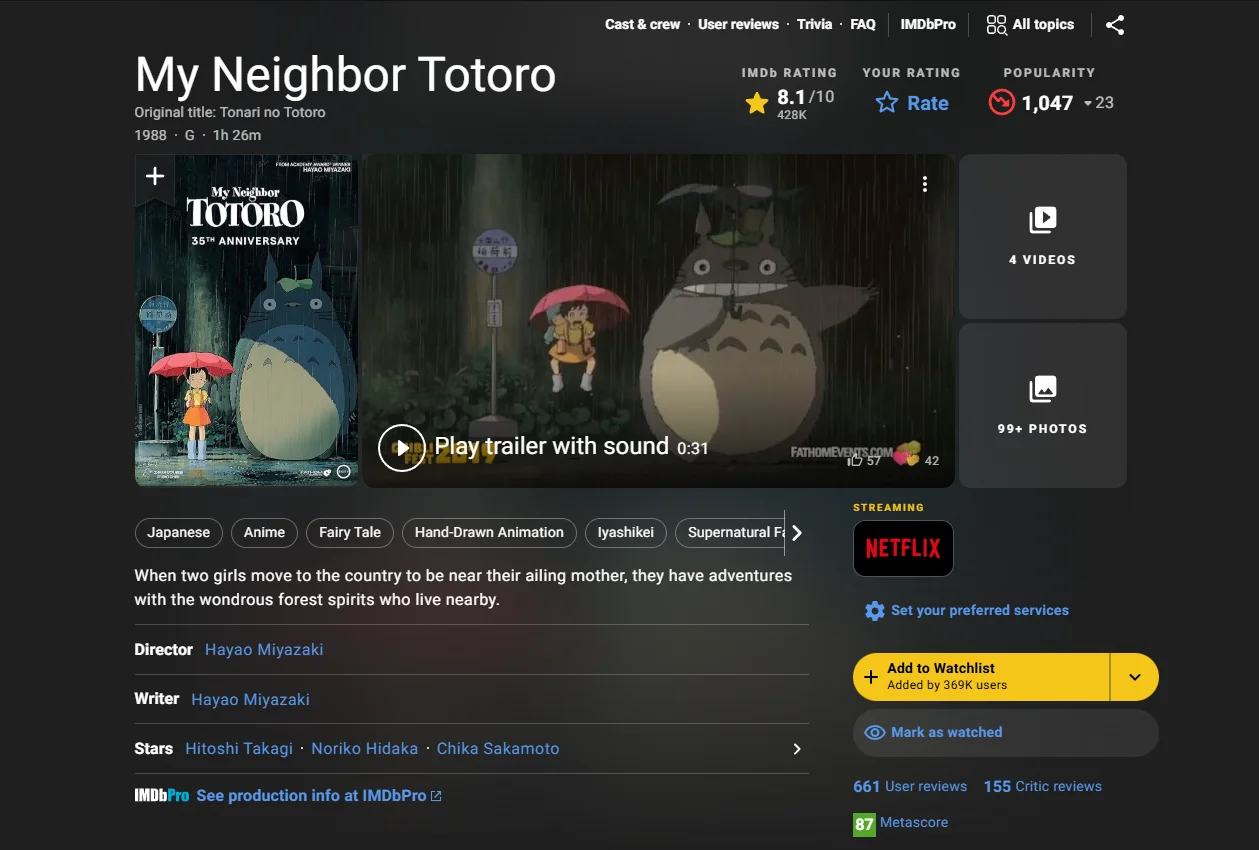
A classic animated film from Studio Ghibli. Unlike many Disney movies, there is no villain here. The story follows two sisters who move to the countryside with their father. While there is a brief moment where they worry about their mother in the hospital, the overall tone is one of wonder. The creatures, including Totoro himself, are fluffy, sleepy, and kind. It is one of the best feel-good movies for sensitive kids.
The Many Adventures of Winnie the Pooh (1977)
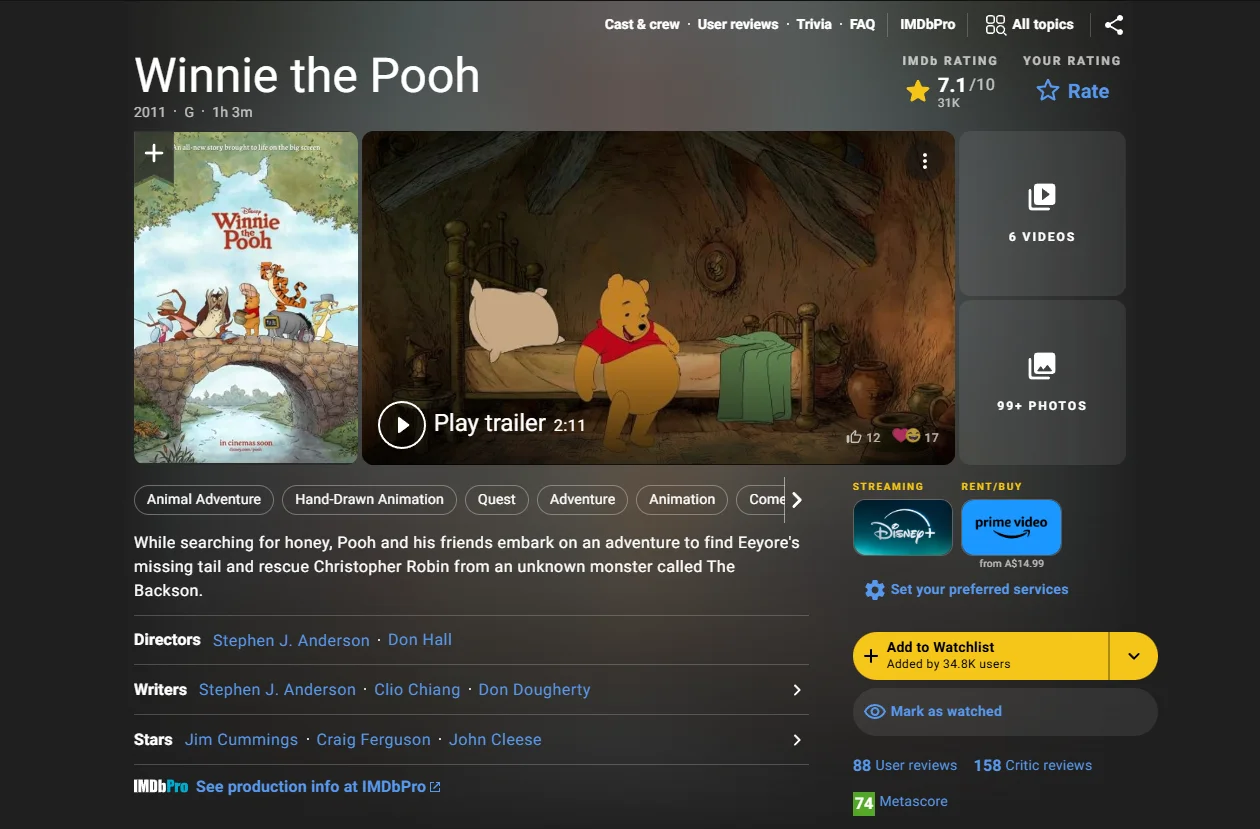
This is perhaps the gold standard for toddler-friendly movies. The “peril” usually involves Pooh getting stuck in a rabbit hole or a blustery day blowing characters around. The narrator speaks directly to the characters, which gives the film a reassuring sense of structure and safety.
The Snowman (1982)
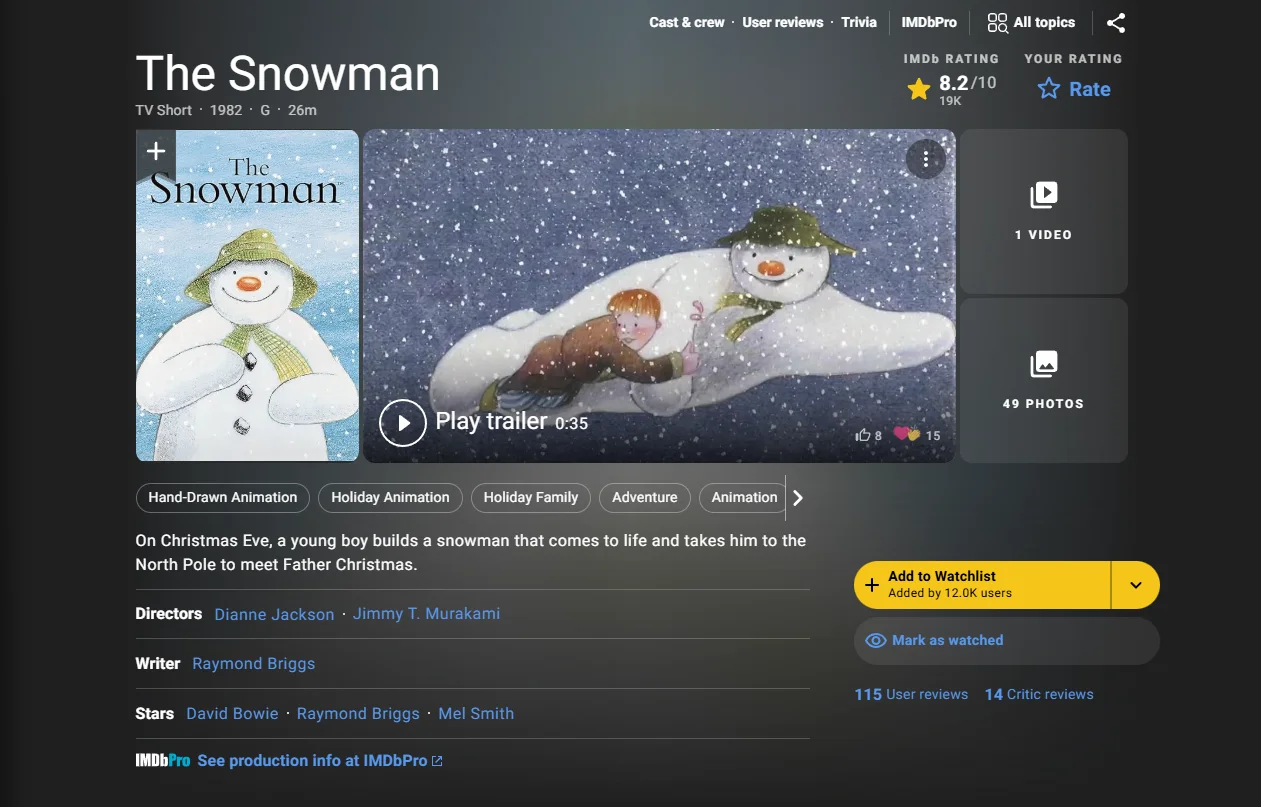
A beautiful wordless adaptation of Raymond Briggs’ book. Set to beautiful music, it tells the story of a boy’s magical night with a snowman. There is no chase sequence, no threatening villain, and very little that feels scary. Note: The ending is bittersweet, which may prompt a quiet conversation about saying goodbye.
Curious George (2006)
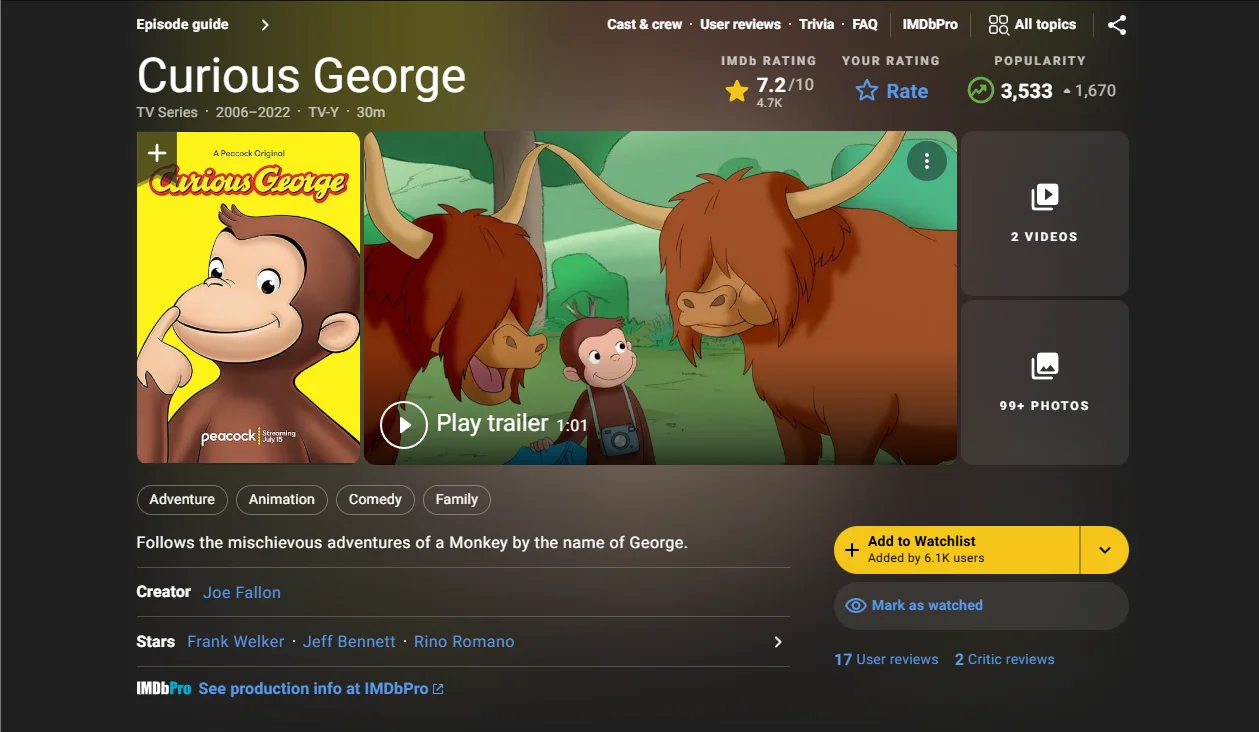
This film captures the playful spirit of the books. George’s “trouble” is always rooted in innocent curiosity. The colors are bright and cheerful, and the humor comes from playful physical comedy rather than spooky themes.
The Red Balloon (1956)
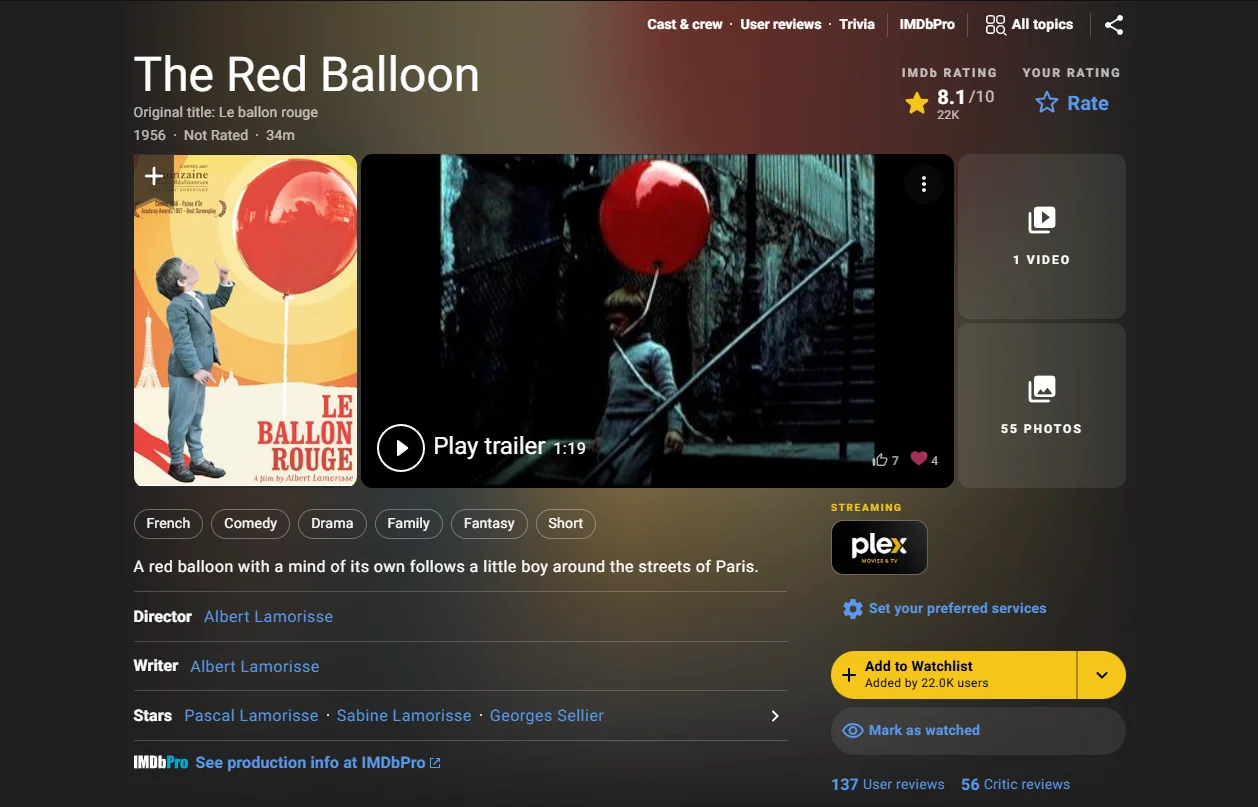
This is a short, visually poetic film about a boy and his seemingly sentient balloon in Paris. It is a great choice for parents who want something quieter, more artistic, and more grounded than high-energy animation.
Puffin Rock and the New Friends (2023)
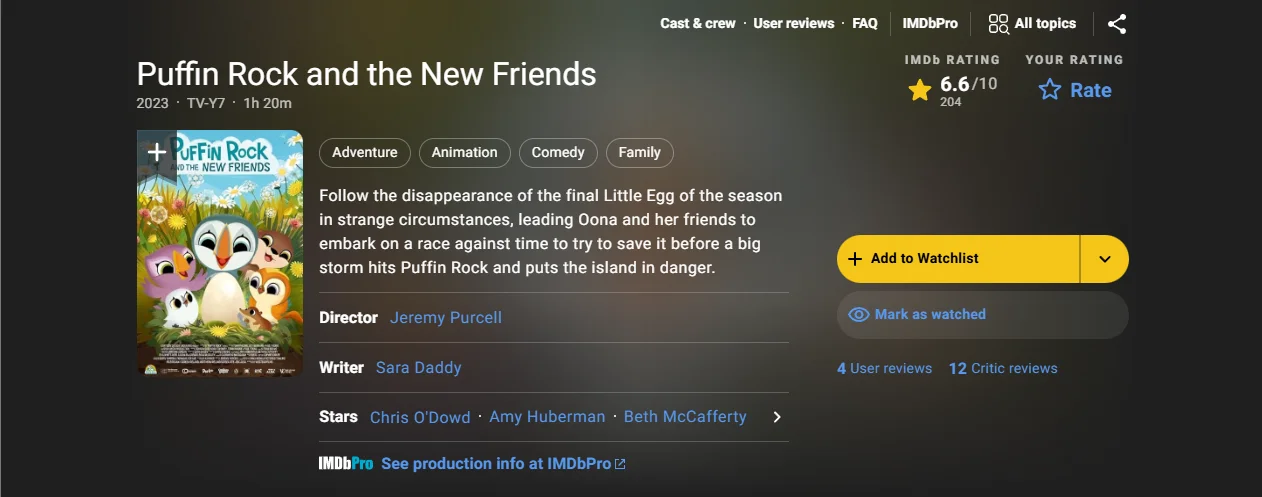
Based on the beloved series, this movie keeps the show’s gentle, non-scary tone. It focuses on themes of community and the environment. Potentially tense moments, including encounters with seagulls, are handled very gently, making the film a safe choice for very young viewers.
Daniel Tiger’s Neighborhood: Tiger Family Trip
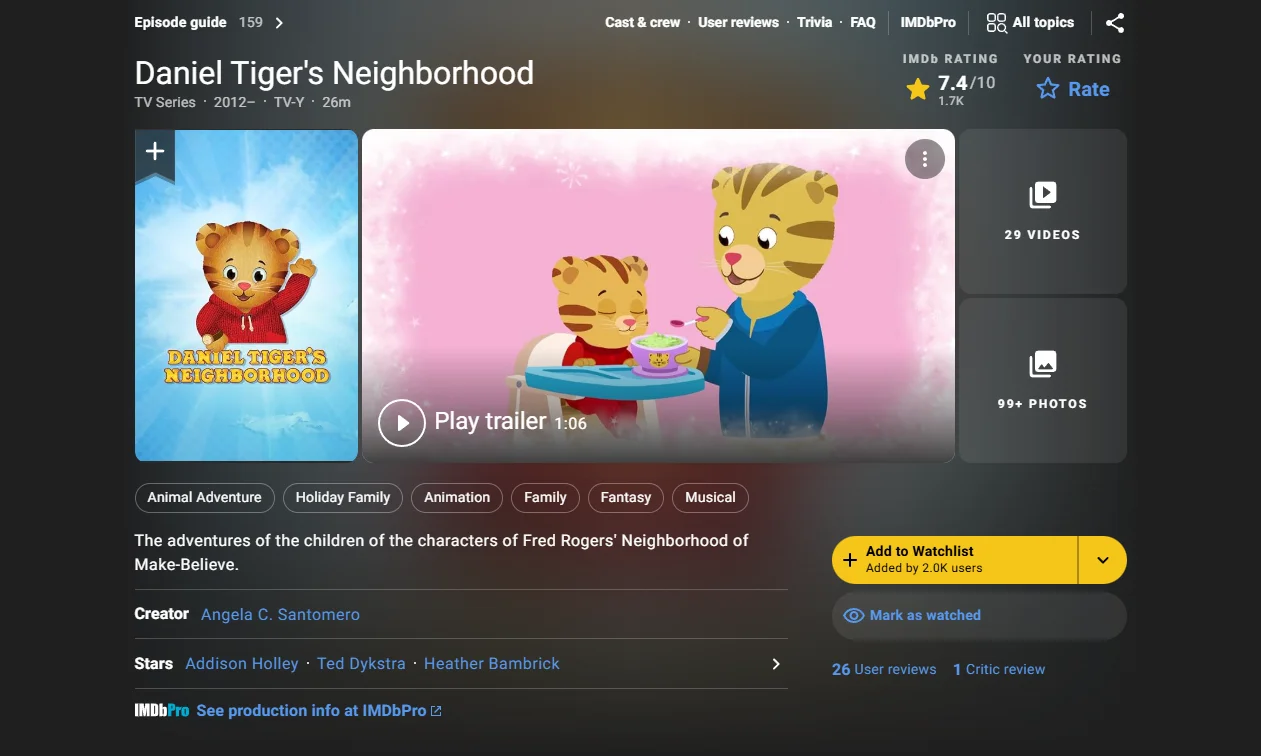
For fans of the series, this movie-length special provides a predictable, emotionally safe framework. It uses familiar “strategy songs” to help kids process new experiences, with few surprises that are likely to feel scary.
Best Movies for Toddlers and Preschoolers
At this age, the goal is to keep stimulation low. You want a movie that feels engaging without becoming overstimulating.
Best Picks for Ages 2–3
- The Gruffalo: Although the title character may look intimidating, the story is a rhythmic, playful trickster tale in which the mouse stays in control throughout.
- A Charlie Brown Thanksgiving: A classic that focuses on friendship and simple social dynamics.
Best Picks for Ages 4–5
- The Aristocats: While it is a Classic Disney film, it is much milder than The Lion King. The “villain” is a bumbling butler, and the chase scenes are more slapstick than frightening.
- Frog and Toad: Based on Arnold Lobel’s stories, these episodes are quiet, thoughtful, and deeply comforting.
Movies With Gentle Pacing for Very Young Kids
High-speed editing can be exhausting for a developing brain. Slow-paced films like Lost and Found allow children to absorb the story without feeling rushed or overwhelmed by visual noise.
Best Family Movies Kids Can Watch Without Fear
Sometimes, parents want something that does not feel overly childish but is still safe for the whole family.
Movies Parents Enjoy Too
The Peanuts Movie (2015) is a rare modern animated film that retains the quiet, thoughtful charm of the original comic strip. It deals with the everyday anxieties of childhood—like talking to a crush—rather than using actual horror-movie tropes.
Cozy Weekend Movie Night Picks
- Kiki’s Delivery Service: A gentle, fantastical story about a young witch learning to live independently. It is a magical world in which the main challenge is Kiki’s own self-doubt.
- Mary Poppins: A classic blend of live-action and animated sequences. Aside from a slightly spooky bank scene, it is largely driven by beautiful music and whimsy.
Movies Sensitive Kids May Struggle With
It is important to acknowledge that some family movies marketed as “safe” still contain scary moments, and a child who seems brave in one setting may not be ready for them in another.
Movies With Sudden Loud Moments
Even a Disney favorite like Fantasia can feel intense because of its booming classical music and the “Night on Bald Mountain” sequence. Similarly, dinosaur movies—even those aimed at kids—often feature loud roars and aggressive predator behavior.
Movies With Intense Villains
- Shere Khan in The Jungle Book: His presence is menacing and his chase of Mowgli is genuinely tense.
- Cruella de Vil: Her obsession with harming puppies can be very upsetting for animal-loving children.
Tip: Use resources like Common Sense Media to check “Pause Points”—specific times in a movie where you might want to stop and explain a scary scene to your child.
How to Choose Kids Movies Without Scary Scenes
Parents usually know their child’s temperament best. Here is how to vet content effectively:
Signs a Movie Is Truly Low-Stress
- The “villain” is not truly threatening and may simply be misunderstood.
- The music is melodic and whimsical, not tense, dissonant, or ominous.
- The color palette stays bright, even during night scenes.
- The characters often have soft, friendly designs.
Red Flags Parents Should Notice
Watch out for ominous music or familiar danger signals, such as a dark forest or threatening shadows. If a movie begins with a tragic flashback, such as the loss of a parent, it may feel too emotionally heavy for a sensitive child.
Best Kids Movies Without Scary Scenes by Mood
Calm Movies for Bedtime
- The Many Adventures of Winnie the Pooh
- The Snowman
- Little Bear Movie
Comfort Movies for Sick Days
- Curious George
- Thomas & Friends: The Adventure Begins
- Bluey: The Sign (while emotional, it is ultimately very reassuring).
How to Make Movie Night Feel Calm
Creating a safe environment is as much about how the movie is watched as it is about what is being watched.
- Lighting: Keep a dim light on. Complete darkness can make the screen feel more intense.
- Volume control: Turn down the bass. Low-frequency rumbles in action scenes can feel overwhelming for young children.
- Active viewing: Sit with your child. If a scary moment occurs, narrate it gently: “Oh, look—he’s just surprised. He’s okay now.”
Quick List of Safe Movie Traits
- Slow Pace: No rapid-fire editing.
- Soft Visual Style: Pastel colors and rounded character designs.
- Kind Characters: No mean-spirited humor.
- Happy Ending: Problems are solved through kindness or teamwork.
Selecting the right film is one small way to help your child feel safe while still enjoying the magic of movies. By prioritizing non-scary, feel-good stories, you create a sense of safety that lets a child’s imagination grow without unnecessary fear.