

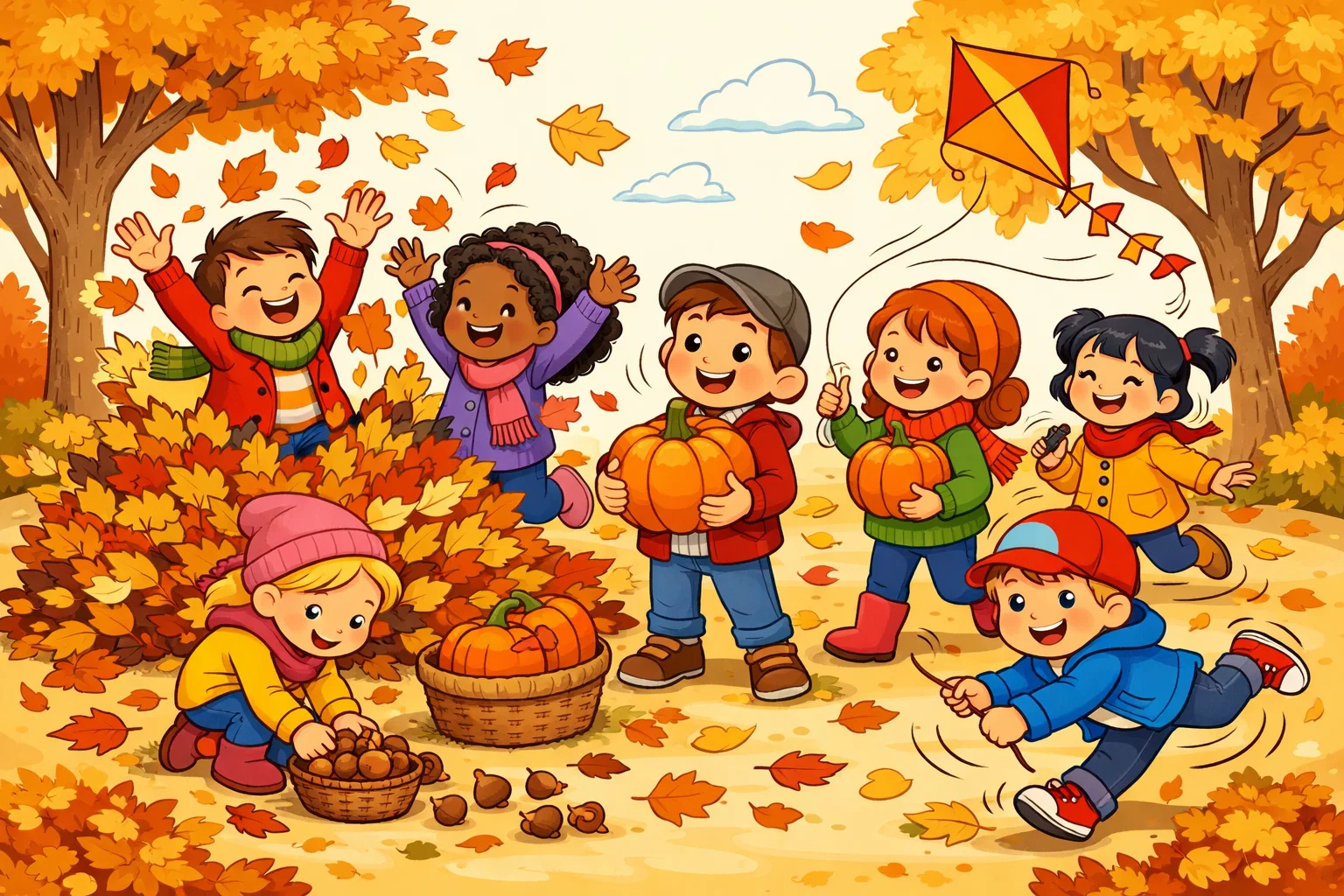
The arrival of the autumn season brings a breathtaking transformation to the world outside. As the leaves change from vibrant greens to deep ambers, oranges, and crimson, the landscape becomes a giant, open-air classroom for young children. For parents and educators, this transitional period offers a unique opportunity to swap screen time for sensory play and exploration. The cooler air and the abundance of natural materials create a perfect environment for autumn activities that foster growth across all developmental domains.
Engaging in autumn activities for kids is about more than just filling a chilly afternoon; it is about leaning into the rhythm of nature. From the tactile joy of jumping into crunchy leaves to the focused hand-eye coordination required for leaf printing, these experiences help toddlers and preschoolers make sense of the world around them. Whether you are searching for a high-energy outdoor activity or a cosy indoor craft, this guide provides a wide range of engaging autumn activities to help your family celebrate the harvest festival season and beyond.
Benefits of Autumn Activities for Kids
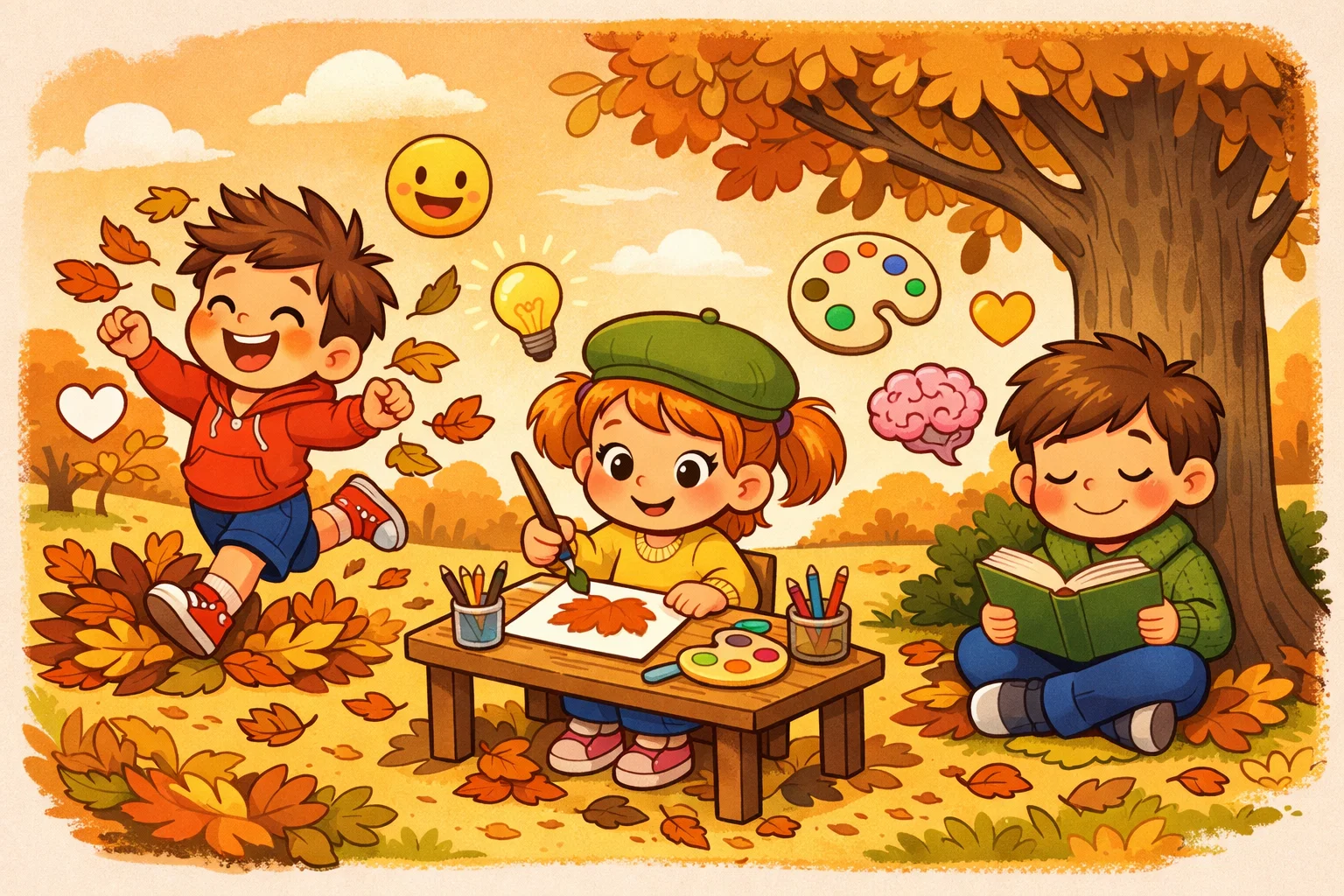
The autumnal shift provides a rich tapestry of learning opportunities. Early years educators often note that seasonal play helps children grasp the concept of time and change. Child development specialists often highlight that engaging with nature during seasonal transitions can significantly improve a child’s observational skills and emotional grounding.
Sensory development through autumn themes
Autumn is a feast for the senses. Sensory play is foundational for toddlers, as it builds nerve connections in the brain’s pathways. Think of the different textures available right now: the bumpy skin of a pumpkin, the smooth surface of an acorn, or the smooth, glossy surface of conkers. When children hear the sound of rustling leaves or feel the “snap” of a dry twig, they are processing complex sensory information.
Physical activity during cooler seasons
As the temperature drops, it can be tempting to stay indoors. However, outdoor activities are vital for developing fine motor skills and gross motor strength. Collecting natural items like pinecones or heavy cones requires squatting, reaching, and grasping. Carrying a basket of natural treasures back from a walk is a fantastic activity for kids to build physical endurance and core stability.
Creativity inspired by nature
The “loose parts” found in nature – like a single autumn leaf or a collection of stones – promote creativity and imagination. Unlike a plastic toy with a fixed purpose, a stick can be a magic wand, a bridge for a toy car, or a tool for nature art. This open-ended play is essential for cognitive flexibility.
Emotional balance and calming routines
The “back to school” rush can be stressful. Creating a cosy reading nook or spending an autumn day slowly sorting natural resources helps children regulate their emotions. The predictable patterns of the autumn season – the sun setting earlier and the ritual of a warm cup of hot chocolate – provide a sense of security and a sense of home and comfort that supports mental well-being.
Outdoor Autumn Activities for Kids
Getting outside is the best way to experience the amazing autumn activities nature provides for free. The crisp air is invigorating, and the changing light offers a fresh perspective on familiar parks and gardens.
Nature walks and leaf exploration
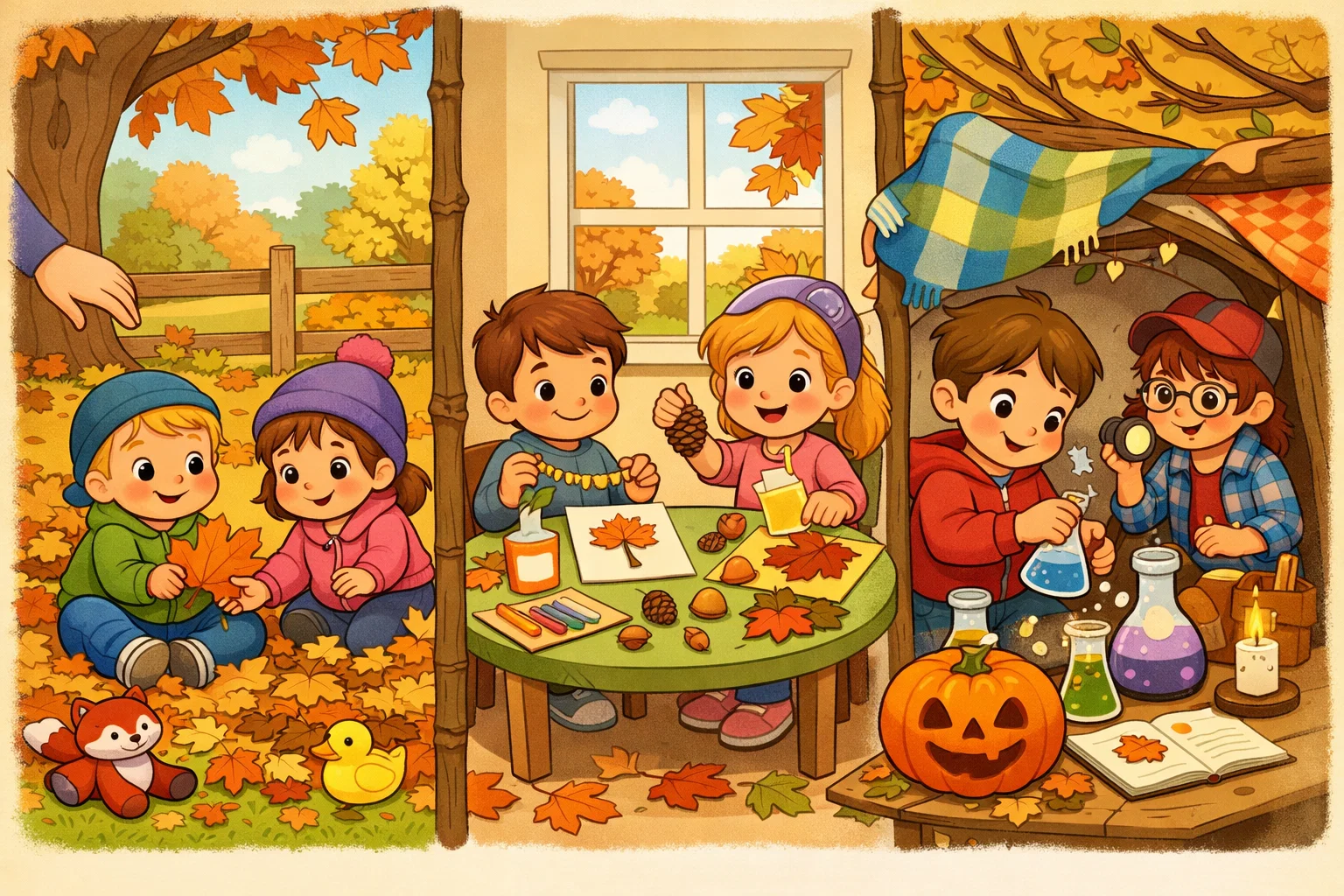
A simple walk can become a fun activity when you focus on leaf exploration. Encourage your little ones to find a leafy path and notice the shapes and sizes of what they find.
- For Toddlers: Focus on colour recognition. “Can you find a red leaf?”
- For Older Children: Use descriptive words to discuss why leaves change and identify the trees the leaves fall from.
Scavenger hunts in autumn settings
A scavenger hunt is an easy activity that requires almost no prep. Give your child a small bag or a muffin tin and ask them to find:
- Something “crunchy” (a dry autumn leaf).
- Something “smooth” (an acorn or a conker).
- Something “pointy” (a pinecone).
- Three different colours and textures.
Pumpkin patch visits and harvest outings
Visiting a pumpkin patch is a quintessential autumn activity. It teaches children about the food cycle and the harvest festival. Let them choose their own pumpkin, noting the similarities and differences in weight and texture compared to the ones their siblings or friends pick.
Kite flying and open-air play
The gusty winds of October make kite flying an ideal activity for kids. It requires significant hand-eye coordination and patience. If you don’t have a kite, even running with ribbons on a stick can help children feel the power of the wind.
Fort building and imaginative outdoor play
Use fallen branches and twigs to build a woodland “den.” This encourages imaginative play and teamwork. A simple twig can become the framework for a fairy house, especially if you add a decorative toadstool (ensure they are supervised and don’t touch wild mushrooms!) or some moss.
Creative Autumn Activities for Kids
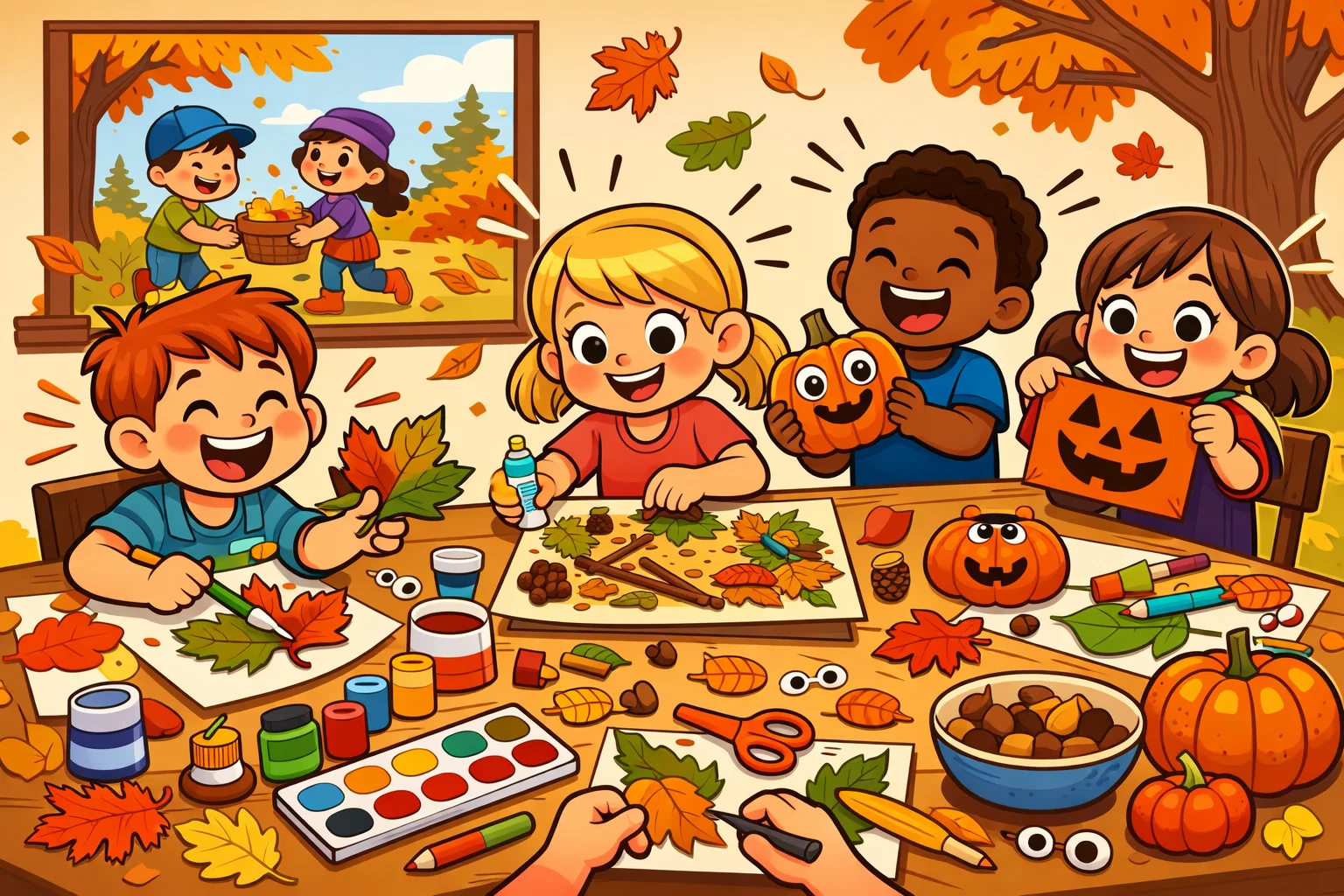
When the weather turns damp, bring the outdoors in. Craft activities using natural materials are not only sustainable but also deeply engaging.
Leaf art and printing ideas
Leaf printing is a classic autumn learning activity.
- How to do it: Take a sheet of paper, place an autumn leaf underneath, and rub a crayon over the top to reveal the veins.
- Alternative: Paint one side of a leaf and press it onto paper to make a leaf print. This helps children observe the intricate patterns in nature.
Pumpkin crafts and decorations
Beyond carving, toddlers and preschoolers can engage in creative play by “painting” pumpkins with washable tempera or decorating them with stickers. For a fine motor skills challenge, try “pumpkin threading” by poking holes in a gourd and letting the child thread colorful yarn through them.
Nature-based loose parts play
Provide a tray of natural items like cones, acorns, and twigs. Ask your child to “draw” a face or a forest using only these items. This form of nature art is open-ended, meaning there is no right or wrong way to do it.
Autumn colour mixing and painting
Set up an easel with only red, yellow, and brown paint. Ask your little ones to see how many new autumnal shades they can create. This is a great way to expand their vocabulary as they name their new colours (e.g., “burnt orange” or “golden sunset”).
| Activity Type | Materials Needed | Skill Developed |
| Leaf Collage | Leaves, glue, paper | Fine motor skills & creativity |
| Acorn Sorting | Acorns, bowls, tongs | Math & Coordination |
| Pinecone Painting | Pinecones, paint, glitter | Sensory exploration & art |
| Nature Weaving | Twigs, yarn, leaves | Problem Solving |
Sensory Autumn Activities for Kids
Sensory play is often described as an essential part of early childhood. It allows children to explore scientific concepts through touch and feel.
Sensory bins with autumn materials
Fill a large container with dried corn, beans, or even just crunchy leaves. Hide small natural treasures like pinecones or plastic forest animals inside. Provide scoops and cups to encourage pouring and measuring.
Dough, oobleck, and cloud textures
Make a batch of “Autumn Playdough” by adding cinnamon or nutmeg to your standard recipe. The scent immediately evokes a cosy feeling. Alternatively, try pumpkin-gloop (oobleck) using cornflour, water, and orange food colouring.
Water and temperature play in autumn
Experiment with “Sink or Float” using natural materials. Does a heavy acorn sink while a dry leaf floats? Adding a few drops of warm water to a basin of cold autumn rain provides an interesting lesson in temperature contrast.
Educational Autumn Activities for Kids
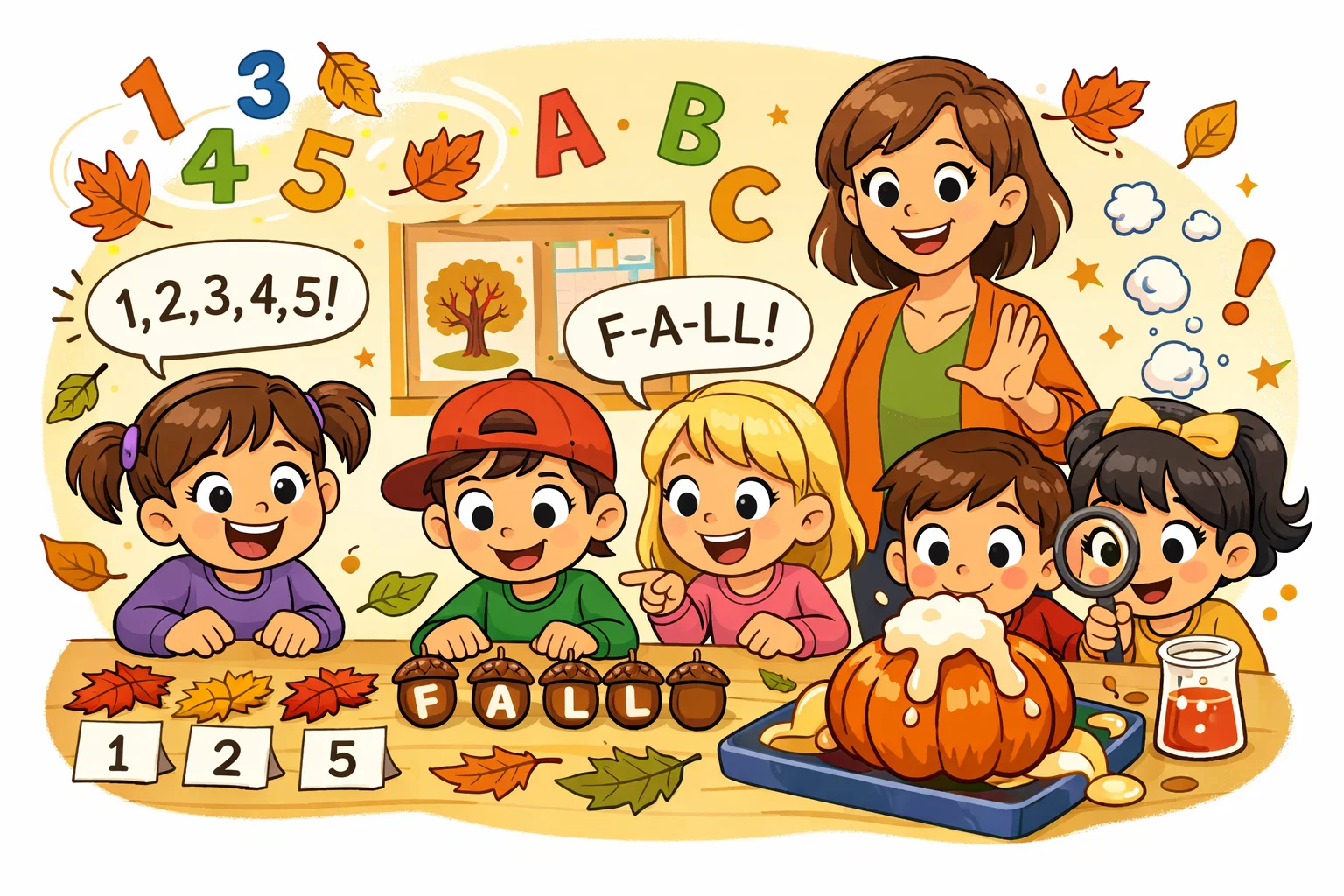
Counting and math with autumn objects
Use your scavenger hunt finds for simple numeracy activities.
- “Can you line up the pinecones from smallest to largest?”
- “How many conkers do we have in total?”
Sorting by shapes and sizes is a fundamental early math skill.
Letter and word games with leaves
For older children, write letters on large maple leaves using a marker. Ask them to find the leaves that spell their name. This combines physical movement with literacy.
Science experiments inspired by autumn
Observe why leaves change colour by placing a green leaf in rubbing alcohol (with close adult supervision) to see the hidden pigments. You can also track the decomposition of a pumpkin in the garden over several weeks, discussing the life cycle of plants.
Cozy Indoor Autumn Activities for Kids
Reading and storytelling routines
As the evenings draw in, create a nook with blankets and pillows. Read stories about Bonfire Night, the harvest season, or hibernating animals. This is a prime time to use descriptive words and ask your child what they think the characters are feeling.
Baking and cooking with children
Baking is a multi-sensory activity for kids. From smelling the spices to kneading the dough, it’s a full-body experience. Try making pumpkin muffins or simple apple crumbles. Let them help wash the fruit or stir the batter.
Movie nights and family traditions
Set a “Friday Film” tradition. Close the curtains, light a safe LED candle, and share a hot chocolate with marshmallows. These small rituals build a strong sense of family identity.
Autumn Activities for Kids by Age
| Age Group | Focus Area | Recommended Activity |
| Toddlers | Sensory & Exploration | Leaf jumping and “sticky” nature walks (using contact paper). |
| Preschoolers | Creativity & Fine Motor | Leaf art collages and scavenger hunts. |
| School-Age | Science & Independence | Building complex dens and documenting tree changes in a journal. |
Simple Autumn Activities Using Everyday Materials
You don’t need expensive kits to make autumn memorable. Use what you have!
- No-prep idea: Put on wellies and find the biggest puddle.
- Budget-friendly: Use an old egg carton to collect different natural items from the garden.
- Recycling: Turn cardboard tubes into “log cabins” for toy animals using small twigs glued to the outside.