

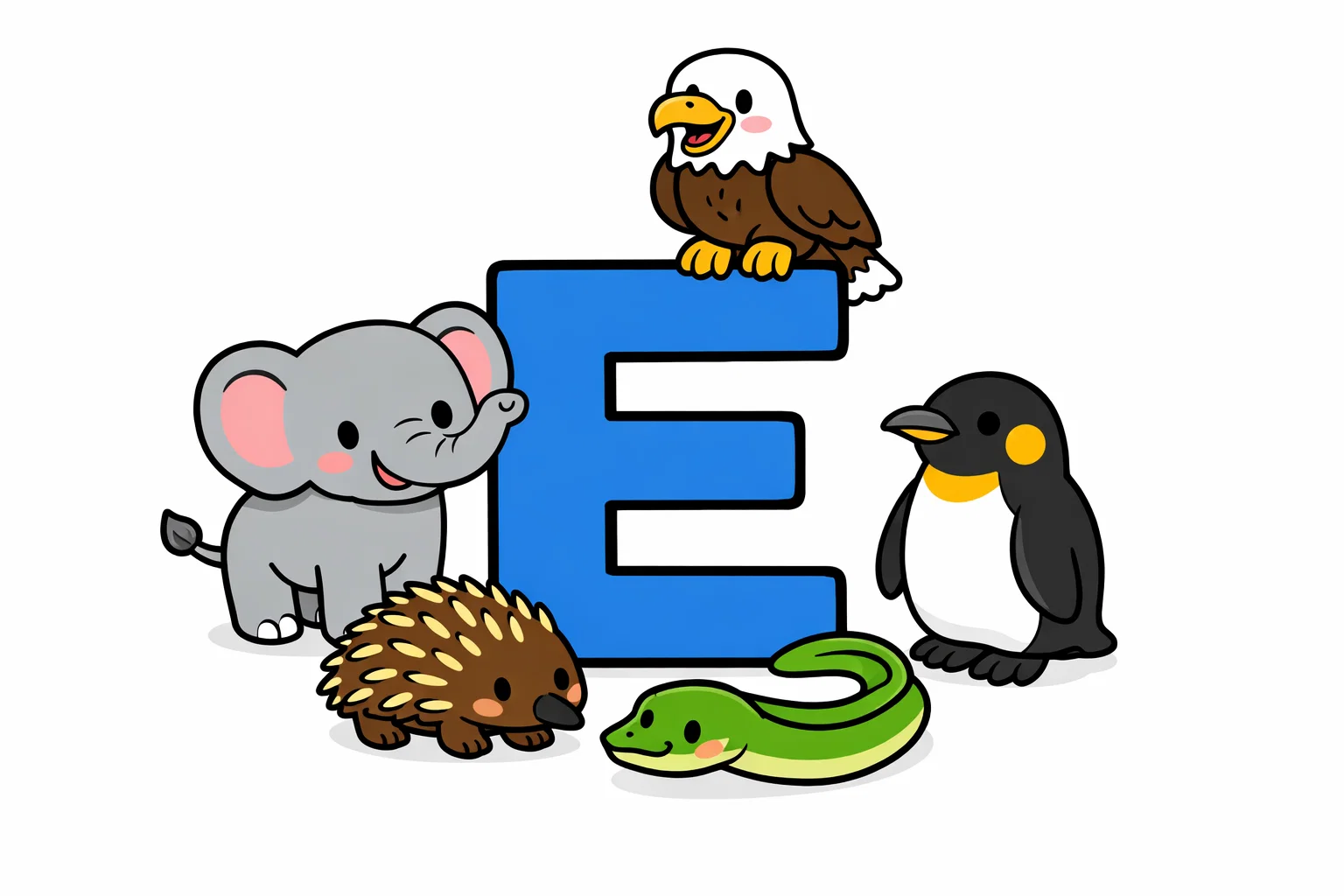
Exploring animals that start with the letter E reveals a surprisingly diverse group of species. This guide takes a closer look at 15 animals whose names begin with the letter E. From elephants to egg-laying echidnas, this article covers habitat, diet, and key facts for students and wildlife enthusiasts alike.
Animals Beginning With E
Animals starting with E live in a wide range of habitats. These fascinating creatures are distributed across every continent and represent nearly every biological class, including mammals, birds, reptiles, amphibians, fish, and invertebrates. Whether they live in the savanna or hunt alone in the Arctic, their adaptations reflect remarkable evolutionary specialization.
How This Guide Is Organized
Each entry follows a clear, consistent structure. Each section begins with a quick-reference facts table, followed by details about the animal’s appearance, habitat, and behavior.
1. Elephant
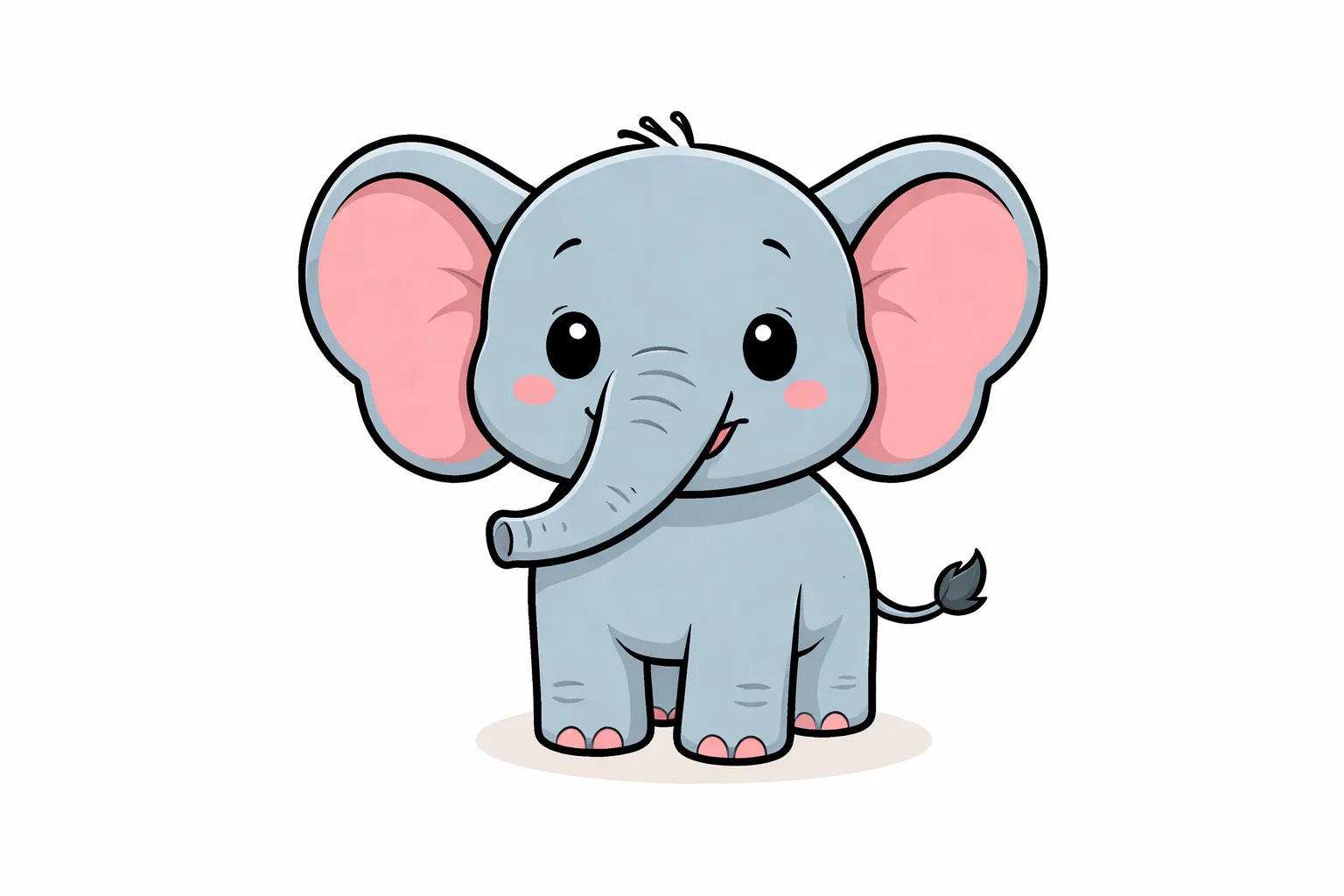
The elephant is perhaps the most iconic animal that starts with E. Known for their immense size and high intelligence, these mammals play a crucial role as “ecosystem engineers” in their native environments.
Quick Facts
| Attribute | Value |
| Class | Mammalia |
| Average Weight | 2,000 to 6,000 kg (up to 7 tons) |
| Lifespan | 60–70 years in the wild |
| Conservation Status | Endangered (African savanna) / Critically Endangered (African forest) / Endangered (Asian) |
Appearance And Size
Elephants are the largest land animals currently living on Earth. They are characterized by their long trunks, which contain over 40,000 muscles, and their prominent ivory tusks. There are distinct differences between the African elephant (larger ears, two “fingers” at the trunk tip) and the Asian elephant (smaller ears, single “finger” on the trunk).
Habitat And Range
These large land mammals are native to Africa and Asia. African elephants include two species: the African savanna elephant, which mainly inhabits savannas and woodlands, and the African forest elephant, which lives primarily in tropical forests. The Asian elephant inhabits the grasslands and rainforests of South and Southeast Asia, often living in proximity to human settlements.
Diet And Behavior
As mega-herbivores, elephants consume up to 150 kg of vegetation daily. They are highly social animals, living in complex matriarchal groups led by the oldest female. They communicate through low-frequency rumbles and show complex social behavior, including interest in dead herd members.
Fascinating Fact: An elephant’s memory is legendary; they can remember the locations of water holes across hundreds of miles and recognize individual companions after decades of separation.
2. Eagle
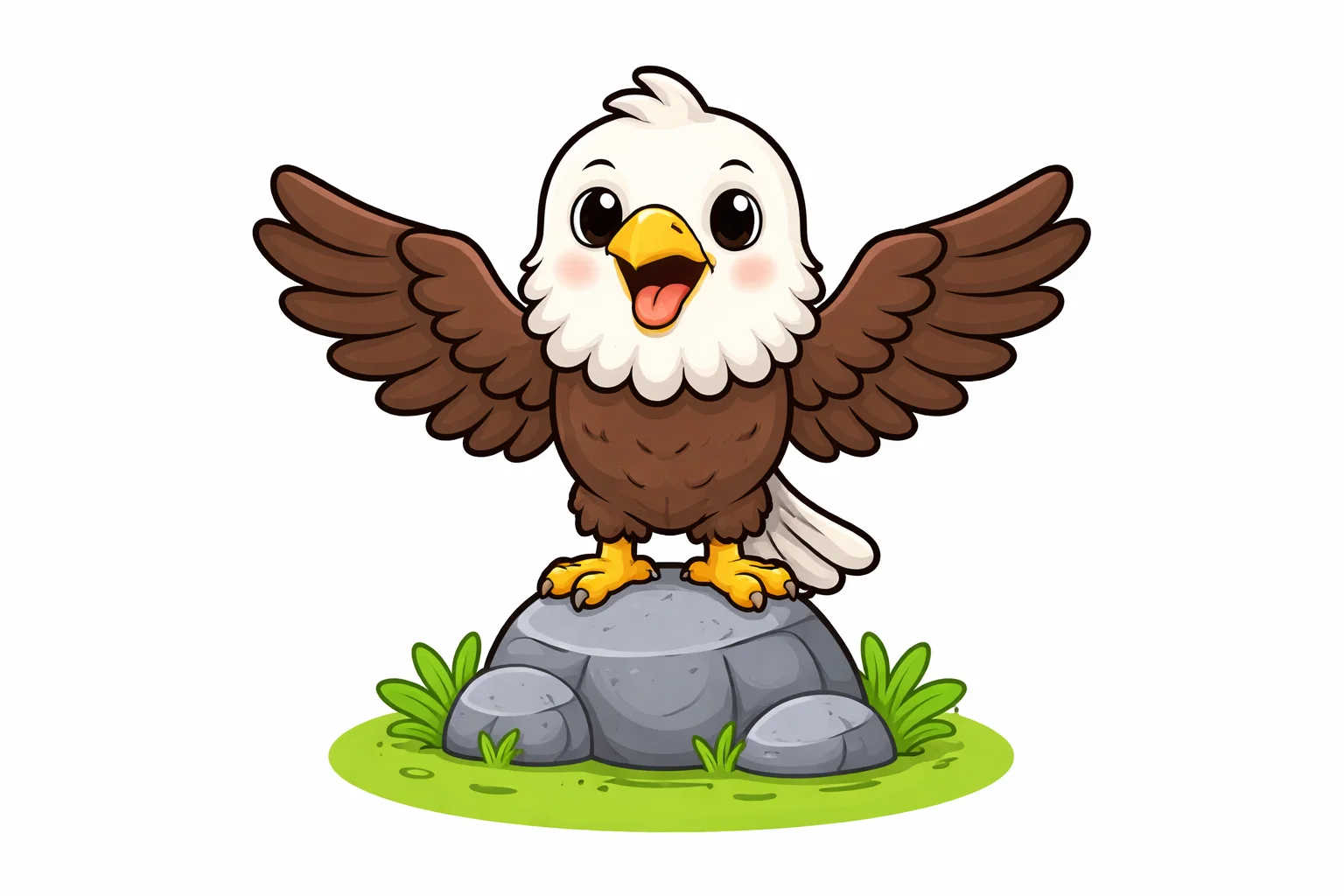
The eagle is a majestic bird of prey that symbolizes strength and freedom in many cultures around the world. These raptors are apex predators in many of the ecosystems they inhabit.
Quick Facts
| Attribute | Value |
| Class | Aves |
| Wingspan | 1.8 to 2.5 meters (depending on species) |
| Speed | Diving speeds can exceed 150 km/h |
| Primary Habitat | High cliffs, forests, and coastal areas |
Appearance And Identification
Eagles are identified by their heavy, hooked beaks and powerful, taloned feet. Their plumage varies by species, but most possess a robust build and broad wings designed for soaring. Their eyes are exceptionally large and provide vision up to eight times stronger than that of a human.
Habitat And Range
These birds are found on every continent except Antarctica. The Bald Eagle is synonymous with North America, while the Golden Eagle has a massive range across the Northern Hemisphere. They generally prefer nesting in high, inaccessible locations like mountain crags or the tops of tall trees.
Diet And Hunting Behavior
As carnivores, eagles hunt a variety of prey including fish, small mammals, and other birds. They utilize a “perch and pounce” or soaring technique to spot prey from great distances. Their grip strength is estimated to be ten times stronger than a human’s, allowing them to carry prey weighing half their own body mass.
Fascinating Fact: The eyes of an eagle are so large that they occupy most of the space in their skull, allowing them to spot a rabbit from over two miles away.
3. Echidna
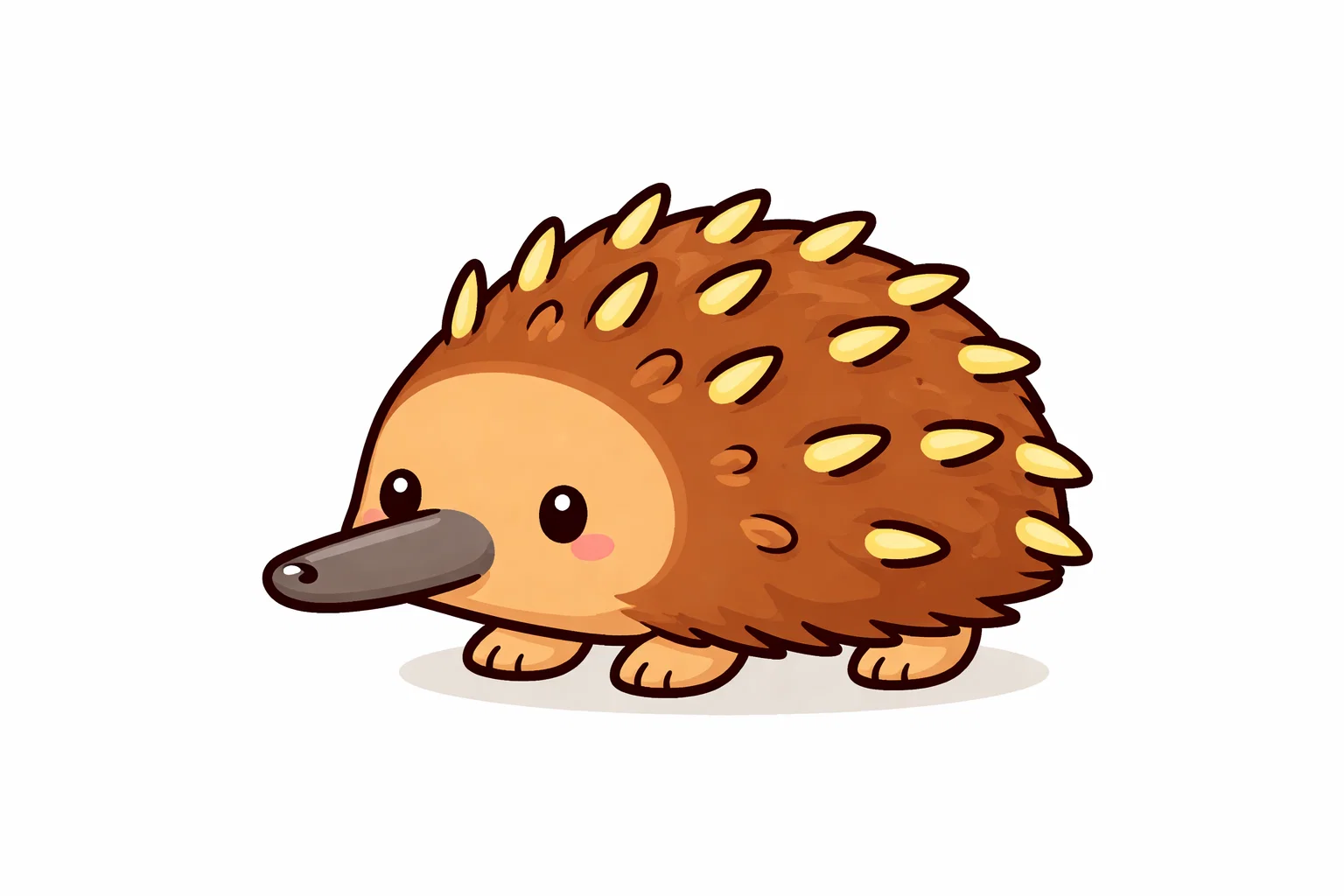
The echidna is one of the most interesting animals in the world due to its status as a monotreme – a small mammal that breaks the rules by laying eggs.
Quick Facts
| Attribute | Value |
| Class | Mammalia (Monotremata) |
| Native To | Australia and New Guinea |
| Diet | Ants, termites, and larvae |
| Body Temperature | Low for a mammal, roughly 32°C |
Appearance And Defense
Also known as the “spiny anteater,” the echidna is covered in sharp spines or quills made of keratin. They have a long, tubular snout and no teeth. When threatened, an echidna will curl into a tight ball, exposing only its spines, or burrow rapidly into the ground to protect its soft underbelly.
Habitat And Range
Echidnas are native to Australia and New Guinea. They are incredibly adaptable and can be found in snowy mountains, coastal forests, and arid deserts. Their ability to regulate their metabolism allows them to survive in extreme conditions where other mammals might struggle.
Diet And Feeding Style
These animals use a long, sticky tongue – which can extend up to 17 cm – to slurp up ants and termites. They lack teeth and instead use “horny pads” at the base of their tongue and on the roof of their mouth to grind their food.
Fascinating Fact: Along with the platypus, echidnas are the only living mammals that lay eggs instead of giving birth to live young.
4. Eel

The eel is an elongated fish that often resembles a snake in appearance. They are found in both freshwater and saltwater environments globally.
Quick Facts
| Attribute | Value |
| Class | Actinopterygii |
| Shape | Anguilliform (snake-like) |
| Scale Type | Most species have very small scales or none at all |
| Salinity | Species exist in both marine and freshwater |
Body Shape And Movement
Eels possess a highly flexible, ribbon-like body that allows them to swim with a wave-like motion. Unlike most fish, they lack pelvic fins and, in many species, gill covers. Their skin is often coated in a protective slime, making them difficult for predators to grasp.
Habitat And Range
They inhabit a variety of habitats, from deep ocean trenches to shallow garden ponds. The European eel, for example, is famous for its catadromous life cycle, where it lives in freshwater but migrates thousands of miles to the Sargasso Sea to spawn.
Diet And Life Cycle
Most eels are nocturnal predators, feeding on smaller fish, crustaceans, and mollusks. Their life cycle is one of nature’s greatest mysteries; they transform through several distinct stages, including a transparent “leptocephalus” larval stage, before reaching adulthood.
Fascinating Fact: Some eels can survive out of water for several hours by breathing through their skin, provided they remain moist.
5. Egret
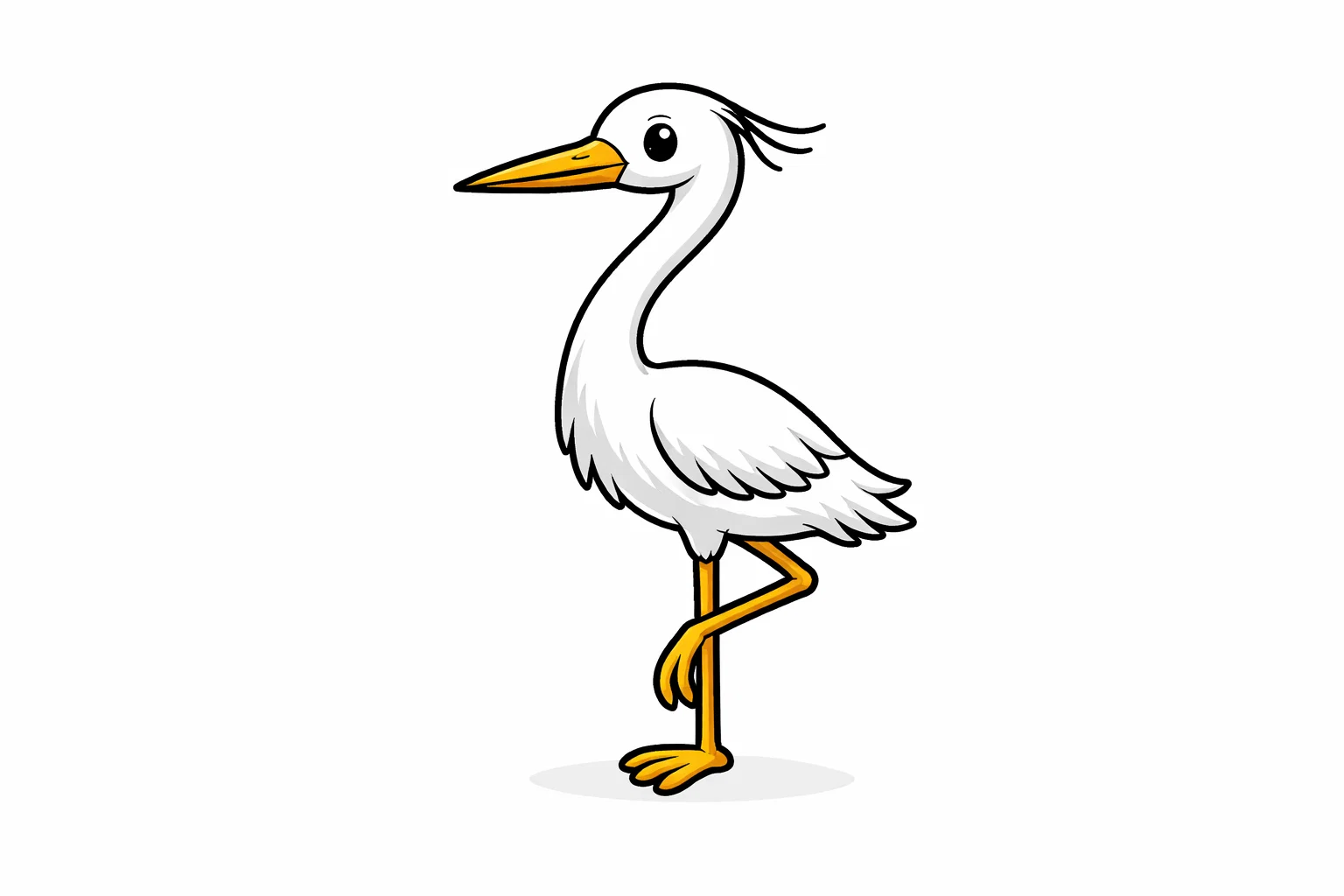
An egret is a type of heron characterized by its elegant white plumage and graceful stature. They are common sights in wetlands across the globe.
Quick Facts
| Attribute | Value |
| Class | Aves |
| Color | Predominantly white |
| Family | Ardeidae |
| Common Species | Great Egret, Snowy Egret, Cattle Egret |
Appearance And Identification
Egrets are known for their long, S-curved necks, thin black or yellow legs, and sharp, dagger-like bills. During the breeding season, many species develop beautiful, lacy “aigrette” feathers, which were historically highly prized in the fashion industry.
Habitat And Range
These birds thrive in marshlands, swamps, and along the shores of lakes and rivers. They are found in most temperate and tropical regions of the world. The Cattle Egret is unique because it is often found in dry fields, following livestock to catch insects stirred up by their movement.
Diet And Feeding Behavior
The egret is a patient hunter. It stands motionless in shallow water or moves with extreme stealth, waiting for a fish or amphibian to come within range before striking with lightning speed. Their diet primarily consists of fish, frogs, and small aquatic invertebrates.
Fascinating Fact: In the late 19th century, egret populations were nearly decimated by hunters seeking their plumes for hats, leading to some of the world’s first bird conservation laws.
6. Electric Eel

Despite its name, the electric eel is a knifefish, not a true eel, and it is more closely related to carp and catfish. It is famous for its ability to generate electricity.
Quick Facts
| Attribute | Value |
| Class | Actinopterygii |
| Voltage Output | Up to 860 volts |
| Native Region | South America (Amazon and Orinoco basins) |
| Breathing | Obligate air-breather (must surface for air) |
Electric Ability
The electric eel contains three specialized organs – the main organ, Hunter’s organ, and Sach’s organ – that occupy 80% of its body. These organs allow it to generate both low-voltage pulses for navigation and high-voltage discharges for defense and hunting.
Habitat And Range
These fish inhabit the murky, slow-moving waters of the Amazon and Orinoco River basins. Because they live in low-oxygen environments, they have adapted to gulp air from the surface, with their mouth lining acting as a respiratory organ.
Diet And Behavior
They primarily eat fish, but are also known to consume small mammals and birds. They use their electricity to “remote control” their prey, sending pulses that cause the hidden prey’s muscles to twitch, revealing their location.
Fascinating Fact: A large electric eel can produce a shock sufficient to stun a horse or seriously injure a human.
7. Elk
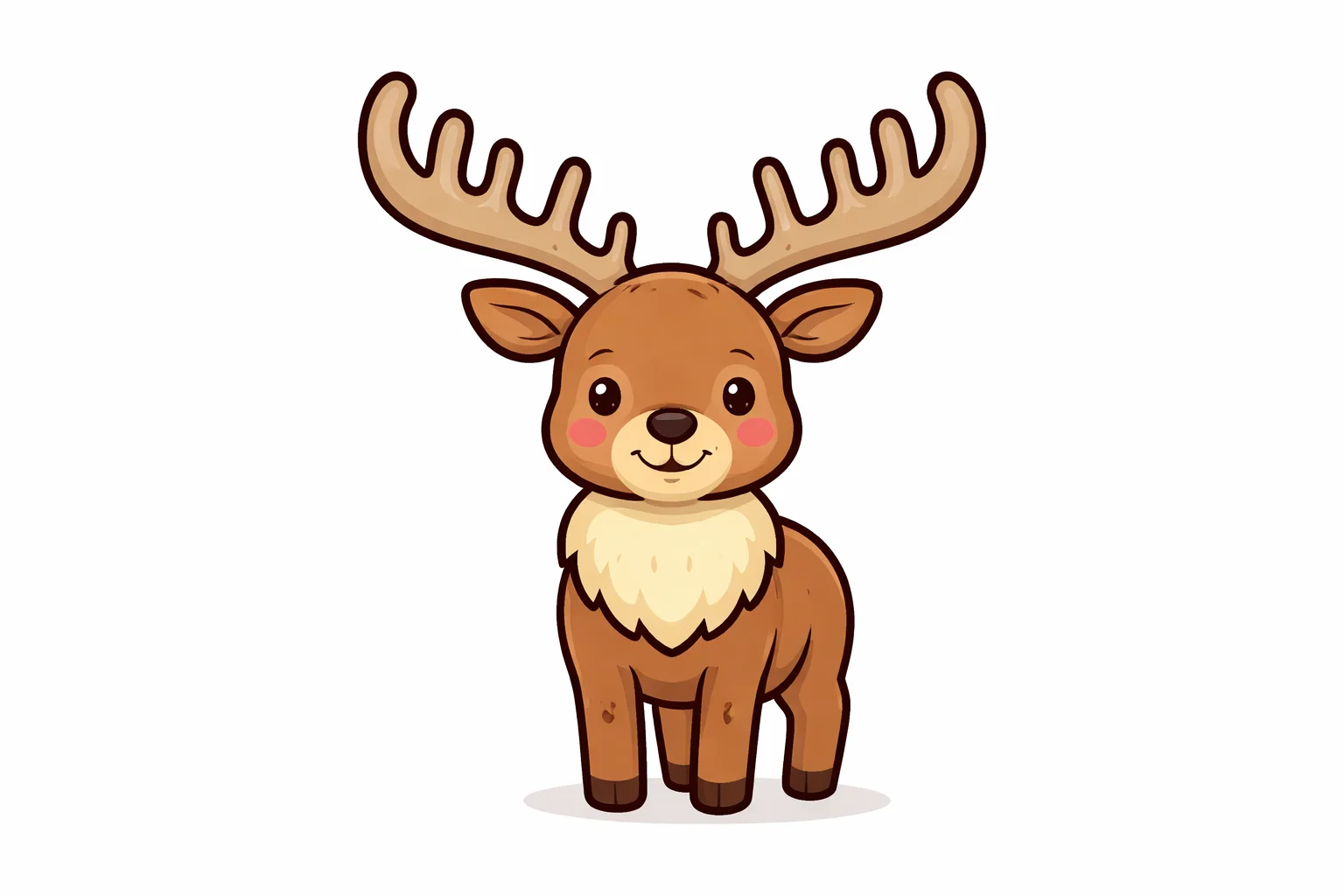
The elk, also known as the “wapiti” in North America, is one of the largest species within the deer family. They are majestic animals known for the massive antlers grown by males.
Quick Facts
| Attribute | Value |
| Class | Mammalia |
| Height at Shoulder | about 1.2 to 1.5 meters |
| Weight | 170 to 600 kg |
| Social Group | Herds |
Appearance And Antlers
Elk have thick coats that range from light brown to tan. Males, known as bulls, grow enormous antlers that can span up to 1.2 meters in width. These antlers are shed and regrown every year, covered in a soft “velvet” during the growth phase.
Habitat And Range
They are found in North America and Eastern Asia. Their preferred habitat includes mountain meadows, coniferous forests, and forest edges. In the winter, they often migrate from high-altitude summer ranges to lower valleys to find food.
Diet And Seasonal Behavior
Elk are ruminant herbivores, feeding on grasses, sedges, and woody bark. During the autumn “rut” or mating season, bulls become highly vocal, producing a loud, high-pitched scream known as a “bugle” to attract females and challenge other males.
Fascinating Fact: Elk antlers can grow at a rate of up to 2.5 centimeters per day, making them one of the fastest-growing tissues in the animal kingdom.
8. Emu
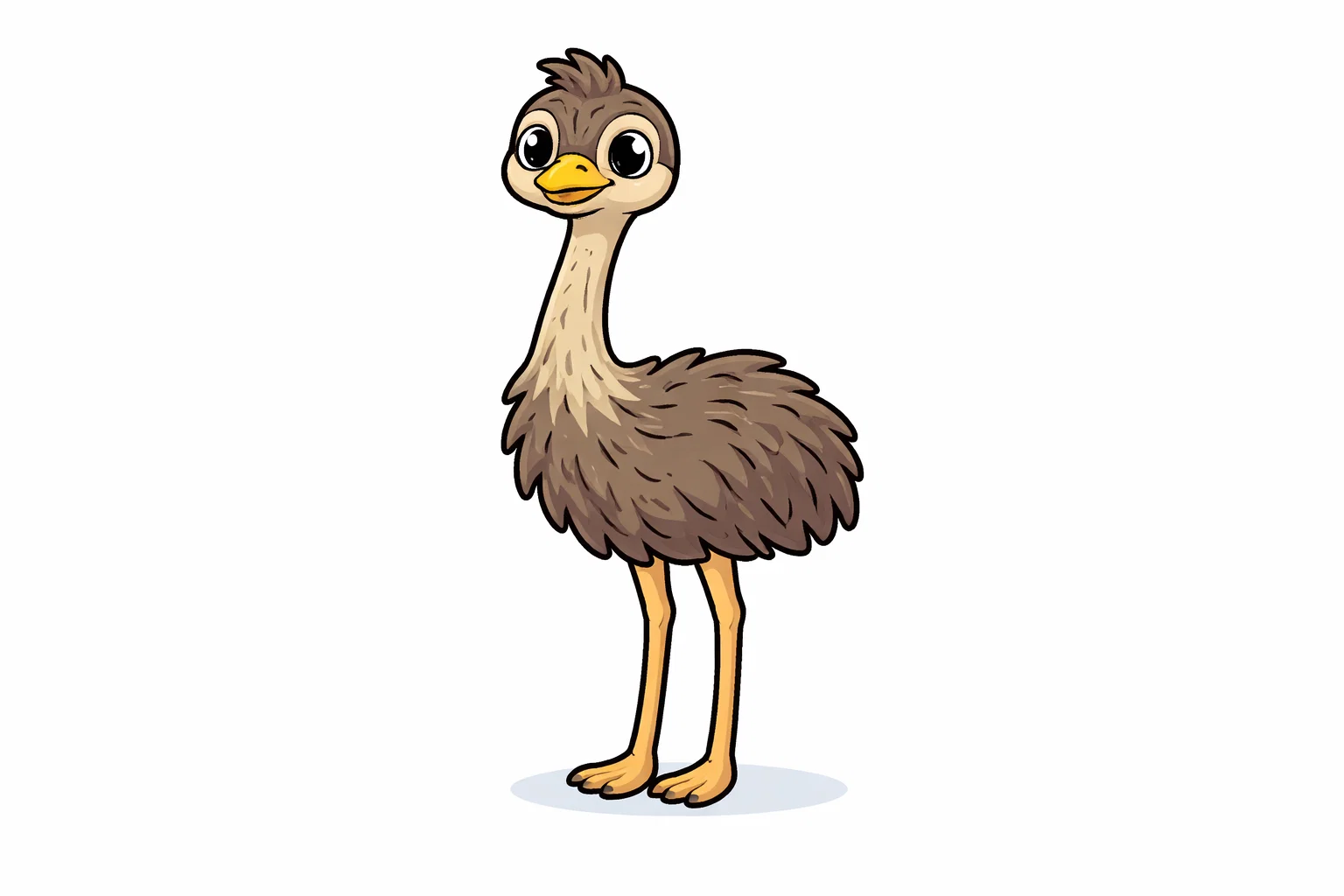
The emu is the second-largest living bird by height, trailing only the ostrich. It is a large, flightless bird, with small wings that help with balance while running.
Quick Facts
| Attribute | Value |
| Class | Aves (Ratite) |
| Height | Up to 1.9 meters |
| Top Speed | 50 km/h |
| Native Region | Australia |
Appearance And Movement
Emus have soft, shaggy brown feathers that provide insulation against the Australian heat. They possess powerful three-toed feet and extremely strong legs, allowing them to take strides of up to 2.7 meters while running.
Habitat And Range
They are found across most of the Australian continent, inhabiting savannas, woodlands, and eucalyptus forests. They are highly nomadic, traveling long distances to find areas where rainfall has stimulated the growth of fresh vegetation.
Diet And Behavior
Their diet includes a variety of plants, seeds, and insects. Interestingly, emus swallow pebbles (gastroliths) to help grind up food in their gizzards. They are also known for their curiosity and will often approach humans or vehicles to investigate.
Fascinating Fact: After the female emu lays her large, dark green eggs, the male incubates them for about 8 to 10 weeks and seldom leaves the nest.
9. Emperor Penguin

The emperor penguin is the largest penguin species and is perhaps the most famous inhabitant of the Antarctic ice.
Quick Facts
| Attribute | Value |
| Class | Aves |
| Height | Up to 1.2 meters |
| Weight | 22 to 45 kg |
| Location | Antarctica (Circumpolar) |
Appearance And Identification
These penguins are easily identified by their large size, tuxedo-like black and white coloring, and bright yellow/orange patches around their ears and upper chest. They have a thick layer of subcutaneous fat and densely packed feathers that help them survive sub-zero temperatures.
Habitat And Range
Emperor penguins live exclusively in Antarctica. They are the only bird species that breeds during the Antarctic winter, traveling over the frozen sea ice to reach stable breeding colonies.
Diet And Survival Behavior
They feed on fish, eel-like silverfish, and krill. To survive the extreme cold, which can drop to -60°C, they huddle together in massive groups to share body heat. Male emperor penguins incubate the single egg on their feet under a “brood pouch” while the females go to sea to feed.
Fascinating Fact: Emperor penguins are exceptional divers, reaching depths of over 500 meters and staying underwater for more than 20 minutes; dives of around 27 minutes have been recorded.
10. Elephant Seal

The southern elephant seal is the largest member of the seal family and shows the greatest sexual dimorphism (size difference between males and females) of any mammal.
Quick Facts
| Attribute | Value |
| Class | Mammalia |
| Male Weight | Up to 4,000 kg |
| Female Weight | 400 to 900 kg |
| Maximum Dive Depth | Over 2,100 meters |
Appearance And Size
Males are easily distinguished by their massive size and their large, inflatable snouts (proboscis), which resemble an elephant’s trunk. This snout is used to produce loud roars during the breeding season to ward off rival males.
Habitat And Range
There are two species: the Northern and the Southern elephant seal. They spend about 80% of their lives in the ocean, returning to specific beaches in California, Mexico, or the sub-Antarctic islands only to mate, give birth, and molt.
Diving And Feeding Behavior
They are elite divers, regularly descending hundreds of meters to hunt squid and fish, and southern elephant seals have been recorded at depths of more than 2,100 meters. They can hold their breath for more than two hours. Researchers have observed elephant seals sleeping during deep dives, sometimes spiraling downward as they drift.
Fascinating Fact: During the breeding season, dominant “beachmaster” males may defend a harem of up to 50 females against all challengers.
11. Eurasian Lynx
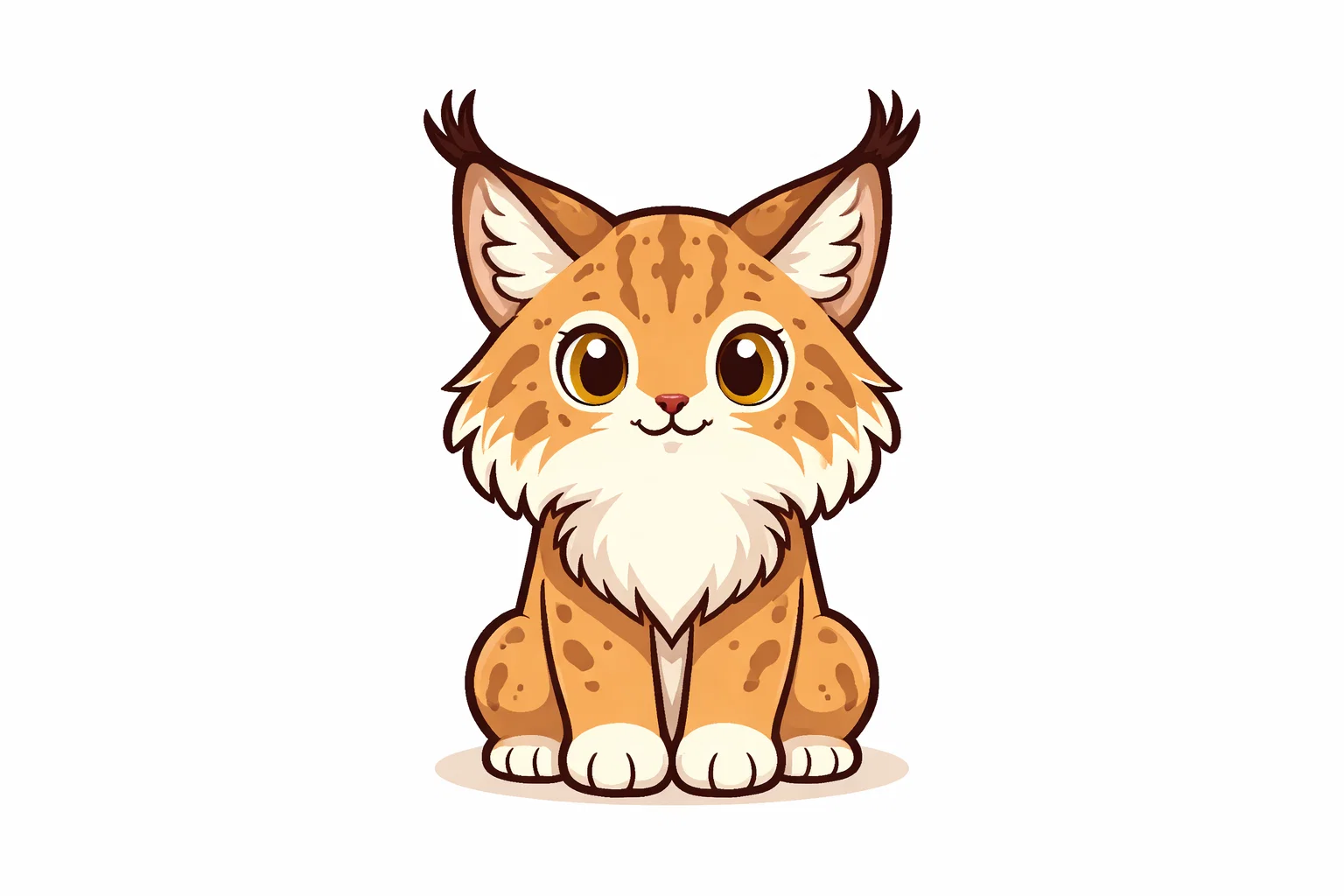
The Eurasian lynx is a medium-sized wild cat and an efficient predator of northern forests.
Quick Facts
| Attribute | Value |
| Class | Mammalia |
| Body Length | 80 to 130 cm |
| Status | Least Concern (but declining in some European regions) |
| Diet | Carnivorous (ungulates, hares) |
Appearance And Identification
This lynx is characterized by the distinct black tufts of hair on its ears and a very short “bobbed” tail with a black tip. Its fur is thick and spotted, providing excellent camouflage against the forest floor. They have wide, fur-covered paws that act like natural snowshoes.
Habitat And Range
The eurasian lynx has a broad range across Europe and Asia. They prefer dense forests with plenty of cover for stalking prey. While they are adaptable, they generally avoid areas with high human activity.
Diet And Hunting Behavior
They are solitary and primarily nocturnal hunters. Their diet consists mostly of small ungulates like roe deer, as well as smaller mammals like hares and foxes. They rely on their acute hearing and sight to locate prey before delivering a lethal pounce.
Fascinating Fact: The exact function of a lynx’s ear tufts is still debated; they may aid hearing or camouflage, but scientists have not confirmed a single purpose.
12. European Hedgehog

The European hedgehog is a well-known small mammal found in gardens and woodlands across Europe.
Quick Facts
| Attribute | Value |
| Class | Mammalia |
| Number of Spines | Approximately 5,000 to 7,000 |
| Diet | Insectivorous |
| Activity | Nocturnal |
Appearance And Defense
The hedgehog’s most defining feature is its coat of sharp, brown-and-white spines. When it feels threatened, it uses powerful muscles to roll into a tight, prickly ball, protecting its soft face and limbs from predators like foxes or badgers.
Habitat And Range
Commonly found in the United Kingdom and across mainland Europe, they thrive in edge habitats – areas where woods meet meadows. They are also very successful in suburban gardens, provided there are gaps in fences for them to travel through.
Diet And Behavior
Hedgehogs are “the gardener’s friend” because they eat large quantities of slugs, snails, and beetles. They are famous for their winter hibernation, where they build a nest (hibernaculum) out of leaves and lower their body temperature to save energy.
Fascinating Fact: Hedgehogs are lactose intolerant; despite the popular myth, you should never leave out a bowl of milk for them – water and specialized hedgehog food are much safer.
13. Ethiopian Wolf

The Ethiopian wolf is the world’s rarest canid and is more closely related to gray wolves and coyotes than to foxes, despite its reddish appearance.
Quick Facts
| Attribute | Value |
| Class | Mammalia |
| Population | Fewer than 500 left in the wild |
| Status | Endangered |
| Primary Diet | Rodents (Giant Mole-rats) |
Appearance And Identification
They have a slender build, long legs, and a distinctive reddish-orange coat with white markings on the chest and throat. Their long, pointed muzzle is perfectly adapted for reaching into rodent burrows.
Habitat And Range
This species is found only in the Afro-alpine highlands of Ethiopia. They live at altitudes above 3,000 meters, where the climate is cold and the vegetation consists mainly of grasses and small shrubs.
Diet And Behavior
Unlike most wolves that hunt in packs for large prey, the Ethiopian wolf is a solitary hunter of small rodents. However, they remain social animals, living in territorial packs that gather to defend their borders but split up during the day to forage.
Fascinating Fact: The Ethiopian wolf is Africa’s rarest canid and one of the continent’s most endangered carnivores; it is threatened by habitat loss and diseases such as rabies.
14. Eland
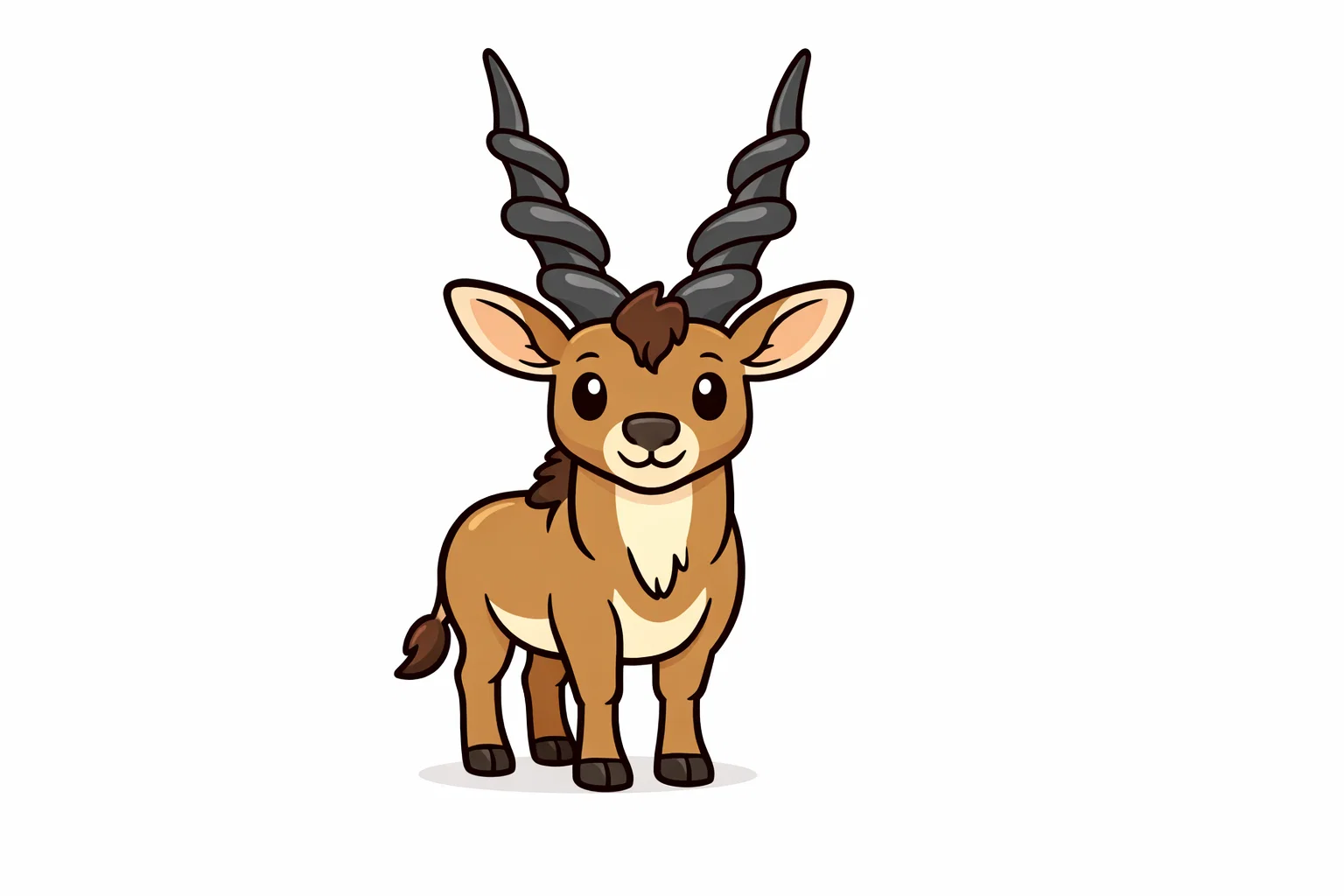
The eland is the largest antelope species in the world, with adult males reaching the size of a small ox.
Quick Facts
| Attribute | Value |
| Class | Mammalia |
| Shoulder Height | Up to 1.6 meters |
| Weight | 400 to 940 kg |
| Horns | Both sexes have spiral horns |
Appearance And Identification
Elands have a sturdy build with a prominent dewlap (flap of skin) on their throats. Their coat is a pale tan with faint white stripes on the torso. Both males and females grow tightly spiraled horns, though the males’ horns are usually shorter and thicker.
Habitat And Range
They are native to Africa, specifically the southern and eastern regions. They prefer open plains, savannas, and montane grasslands. They are highly nomadic and can cover vast distances to find suitable grazing and browsing material.
Diet And Behavior
They are generalist herbivores, eating a mix of grasses, leaves, and fruits. Despite their massive size, elands are surprisingly agile and can jump over fences or obstacles up to 2.5 meters high from a standing start.
Fascinating Fact: As a male eland walks, his hooves make a distinct “clicking” sound, which is believed to be a signal of his size and dominance to other members of the herd.
15. Earthworm

While often overlooked, the earthworm is a vital animal beginning with the letter E that maintains the health of our planet’s soil.
Quick Facts
| Attribute | Value |
| Phylum | Annelida |
| Breathing | Through the skin |
| Heart | Five arch-like “hearts” (aortic arches) |
| Ecological Role | Decomposer / Soil aerator |
Body Structure And Movement
Earthworms have segmented bodies covered in tiny bristles called setae. They move by contracting and relaxing their longitudinal and circular muscles in a process called peristalsis, allowing them to tunnel through even dense soil.
Habitat And Range
They are found worldwide in moist, organic-rich soil. They are absent only from extremely dry deserts and areas of permanent ice. They require moisture to breathe, as oxygen must dissolve in the mucus on their skin before entering their bloodstream.
Diet And Ecological Role
Earthworms consume organic matter like fallen leaves and decaying roots. As they digest this material, they produce “castings” (waste) that are incredibly rich in nitrogen and phosphorus. Their tunneling also aerates the soil, allowing water and air to reach plant roots.
Fascinating Fact: Earthworms are hermaphrodites, meaning each individual has both male and female reproductive organs, although they still usually require a partner to mate.
Animal Names With E: Conclusion
These amazing animals represent an incredible spectrum of biological diversity. From the elephant – the largest living land animal – to endangered species such as the Ethiopian wolf, these creatures highlight the complexity of the animal kingdom. Understanding their habitat, diet, and survival strategies is essential for fostering a deeper appreciation for nature and the importance of conservation efforts.
Fast Recap
In this guide, we explored a wide variety of animals that start with E, including the elephant, eagle, emu, elk, eel, echidna, egret, electric eel, emperor penguin, elephant seal, Eurasian lynx, European hedgehog, Ethiopian wolf, eland, and earthworm.
Most Interesting Picks
If you are looking for the most unique creatures, the echidna (as an egg-laying mammal), the electric eel (for its high-voltage defense), and the emperor penguin (for its extreme survival in Antarctica) stand out as remarkable examples of evolutionary adaptation.
Best Animals for Image Searches
If you want the most visually distinctive animals on this list, start with the elephant, eagle, and emperor penguin.