

Children have a natural, almost magnetic pull toward animals and wildlife. Whether they are mimicking the roar of a lion or curiously watching a ladybug crawl across a leaf, kids love animals because they represent a world of wonder, diversity, and companionship. Many educators and parents have noticed that animal-themed activities are among the most effective ways to foster fine motor skills, cognitive development, and social-emotional growth. This guide explores a vast array of activities for kids, ranging from high-energy games to quiet, educational craft projects, suitable for the classroom, backyard, or a rainy day at home.
In this comprehensive resource, we will delve into diverse categories including literacy, STEM, sensory play, and movement-based games and activities. These suggestions are designed for toddlers through elementary-aged children, ensuring that every kind of animal lover finds something to enjoy. By incorporating recycling into projects and using educational activities to teach about endangered species, we can help children develop compassion and empathy for all living creatures. Let’s explore how to turn a simple theme into a journey of unforgettable discovery!
Interactive Games for Kids
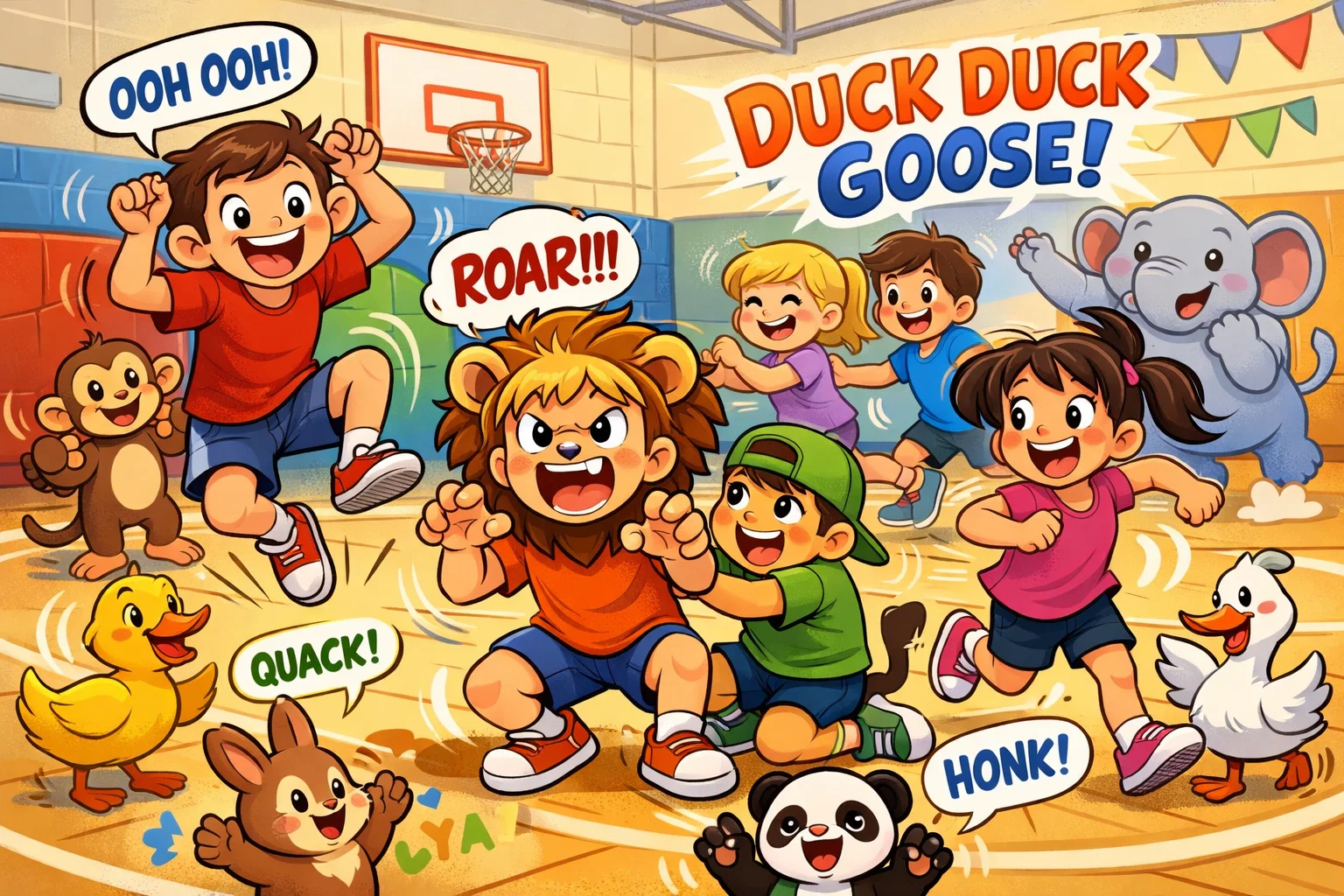
Active play is essential for physical health and social development. Movement-based play helps children build focus, coordination, and self-control. Using an animal-themed game can turn a standard PE lesson or birthday party into an immersive experience. These sessions encourage children to use their bodies in new ways, practicing different movement games like the “bear crawl” or “frog hop.”
Animal Charades Games
Animal charades is a classic that never fails. To play, simply have a child choose an animal and act it out without speaking.
- For Toddlers: Focus on critters with distinct sounds and movements like a dog, cat, or bird.
- For Groups: Use cards with pictures to help non-readers.
- The “Wild” Variation: Include exotic species like a rhino or a kangaroo to increase the difficulty. This fosters non-verbal communication and creative thinking.
Animal Matching Card Games
Memory-based tasks are excellent for cognitive retention. You can use animal themed printables or create DIY cards where kids match the name of an animal to its picture.
- Level 1: Match identical pictures of a farm animal.
- Level 2: Match an adult with its baby (e.g., Cat to Kitten).
- Level 3: Match a creature to its habitat or footprint.
Run Rabbit Run Activity
This is a high-energy chase game that builds coordination. One child is the “Fox” and the others are “Rabbits.” The rabbits must cross a “field” to reach safety without being tagged. It’s a fantastic way to build motor skills and reactive listening.
Who Am I Animal Guessing
In this version of “Headbanz,” a child wears a headband with a picture of a creature (such as a fish or another sea animal). They must ask “Yes/No” questions to figure out their identity. “Do I have fur?” “Do I live in the water?” This practice is excellent for learning classification and descriptive vocabulary.
Duck Duck Goose Animal Versions
Spice up this classic by changing the titles. In a “Zoo Theme,” you might play “Lion, Lion, Tiger!” or in a “Farm Theme,” try “Chick, Chick, Cow!” This helps younger children learn animal names while staying active and socially engaged.
Animal Relay Races
Set up a course where each leg of the race requires a different movement. This develops coordination and full-body movement skills.
- Hop like a bunny.
- Slither like a snake.
- Waddle like a duck.
- Gallop like a horse.
Monkey Tag and Animal Tag
In Monkey Tag, the person who is “it” must move like a primate. In other versions, when a player is tagged, they must “freeze” in the shape of a favorite inhabitant of the woods until another player crawls through their legs to “release” them.
Pin Tail Donkey Game Versions
Beyond the traditional pin the tail on the donkey, you can adapt this for any animal theme. Try “Pin the Horn on the Rhino” or “Pin the Baby Kangaroo.” This promotes spatial awareness and patience.
Animal Parade for Young Kids
Turn on some music and have a costume march. Provide masks or stuffed animals for the kids to carry. This is an excellent animal-themed activity for building rhythm and confidence in toddlers.
Find Animals Scavenger Hunts
Hide small plastic figures or printed animal shapes around the house or garden. Provide a checklist so children can mark off each new animal they find. This encourages observation, focus, and scanning skills.
Themed Arts and Crafts
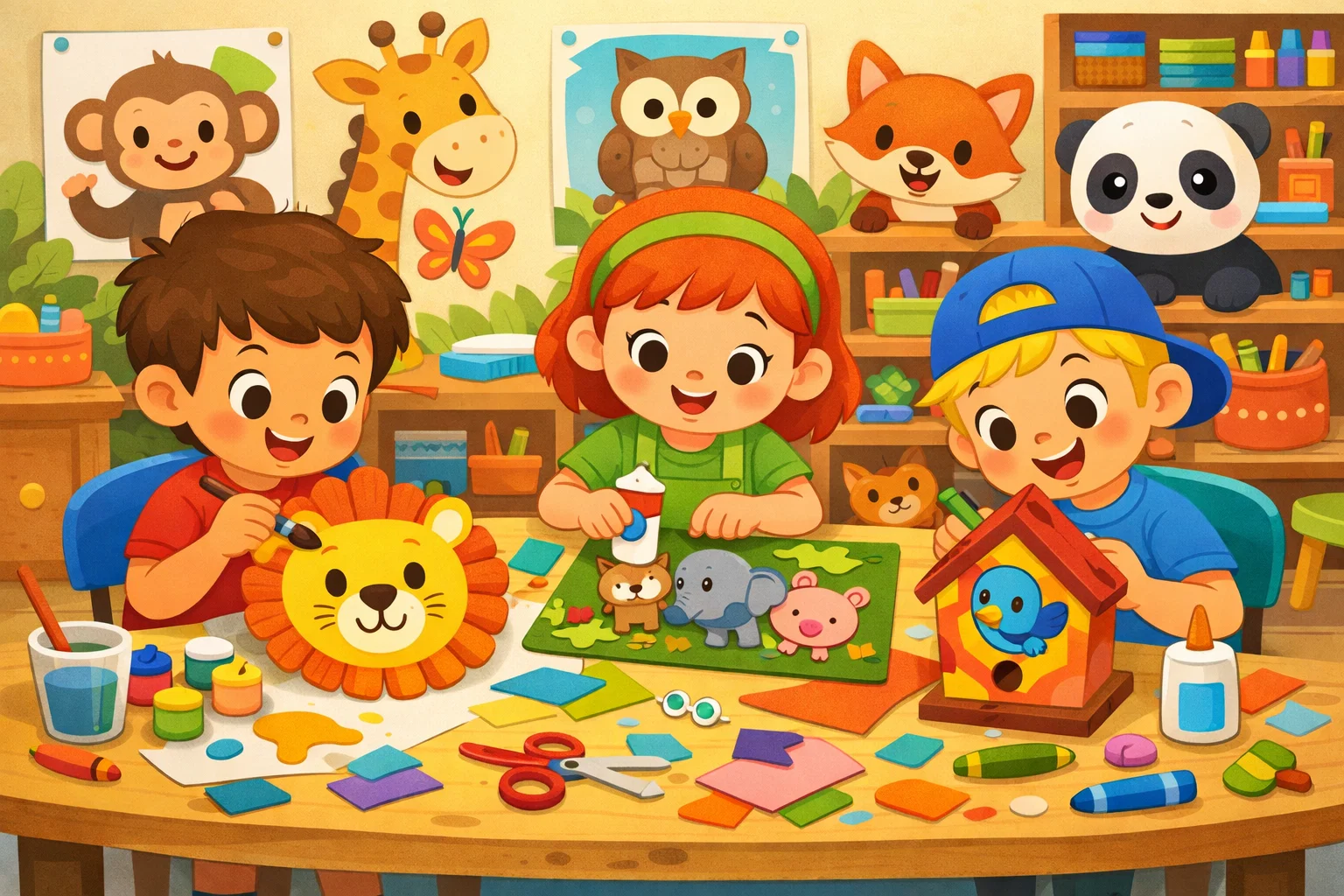
Creativity allows children to process what they’ve learned about the biology of the world. Animal craft projects are perfect for developing dexterity and patience.
Animal Murals, Posters, and Stickers
Cover a wall in butcher paper and let kids create a “Global Habitat.” They can use stickers and drawings to place species in their correct spots, such as the savanna or the ocean. This creates a massive visual reference that aids long-term memory.
Animal Collages and Picture Books
Give children old magazines and ask them to cut pictures of animals. They can glue these into a scrapbook to create their own “Encyclopedia of Favorite Fauna.” This practice helps with scissor skills and categorization.
Animal Masks and Paper Plates
Paper plates are the perfect base for a simple animal mask. With some paint and ears, a plate easily becomes a pig, panda, or tiger. Cut out eye holes and attach a craft stick for a handheld puppet. This is a staple for dramatic play and storytelling.
Bird Nests and Birdhouses
Using recycling materials like milk cartons or twigs and mud from the yard, kids can build functional or decorative homes. This teaches them about the engineering skills of British wildlife and the concept of shelter.
Animal Note Cards
Encourage literacy by having kids make creature-shaped thank-you cards. A fold-over “Cat” card where the paws hold the note closed is always a hit! It turns a writing task into a fun creative project.
Animal Shaped Toys Sewing
For older children (8+), sewing a simple felt origami animal or a basic plushie is a great introduction to textiles. It requires intense focus and hand-eye coordination.
Bakers Clay Animal Shapes
Mix flour, salt, and water to create “Bakers Clay.” Kids can mold various shapes and bake them until hard. Once cooled, these can be painted. This sensory experience is vital for younger learners.
Animal Cracker Crafts
Believe it or not, snacks make great art! Kids can glue crackers to cardstock to create a “3D Zoo” scene or paint them with clear sealer to make magnets.
T-shirt Painting Animal Designs
Using fabric markers or stencils, let kids design a shirt featuring their best animal. This promotes a sense of identity and pride in their creative work.
Literacy and Language Development
Learning to read and write is more engaging when it involves animal-themed resources. Using a child’s interest in the wild can bridge the gap for reluctant readers.
| Activity Type | Description | Age Group |
| Reading Time | Storytelling with books like Dear Zoo or The Hungry Caterpillar. | 2–6 |
| Favorite Animal Writing | A journal entry describing why a child loves a specific species. | 7–10 |
| Guess That Animal | Riddles based on biological traits and habitats. | 5–8 |
| Themed Printables | Word searches and crosswords featuring animal names. | 6–12 |
My Favorite Animal Writing
Ask children to choose an animal and write a “Day in the Life” story. This encourages perspective-taking, empathy, and creative thinking.
Guess That Animal Prompts
Read aloud riddles: “I have a long trunk and big ears. Who am I?” This builds deductive reasoning skills and vocabulary.
Make Up Animal Activity
Encourage kids to invent a new species. What does it eat? Where does it live? This is a staple of educational activities that blend science with imagination.
Animal Vocabulary Games
Practice using adjectives like “nocturnal,” “herbivore,” or “camouflage.” Use Twinkl or similar resources to find word mats that help children expand their descriptions of the natural world.
STEM and Science Activities
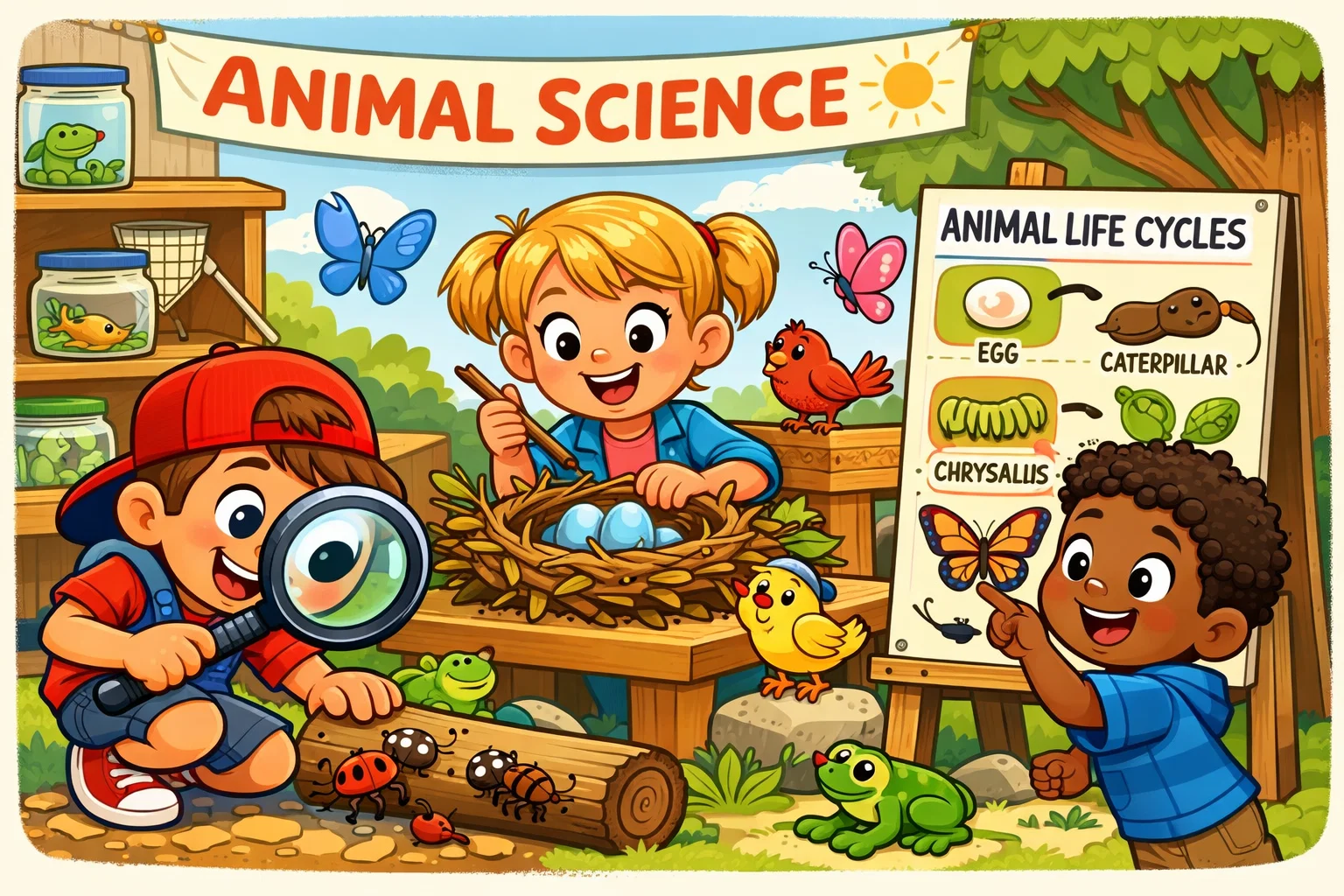
Learning about animals is a gateway to understanding biology and ecology. It moves the focus from “what is that?” to “how does it live?”
- Life Cycles Comparison: Use printables to show the difference between a frog’s metamorphosis and a mammal’s growth.
- Freshwater vs Saltwater: Use two bowls of water (one representing saltwater) to discuss which fish and other sea creatures live in each habitat.
- Wild Webs: Use yarn to connect kids acting as different species in a “Food Web” to show how wild animals depend on each other for survival.
- Backyard Bird Nest Building: Challenge kids to build a nest using only natural materials they find outside. They will quickly realize how talented birds are!
- Microhabitats Schoolyard Study: Use a magnifying glass in the schoolyard to find tiny residents under rocks or in the soil.
Pretend Play and Roleplay
Imagination and roleplay help kids develop social cues and emotional intelligence through mimicking the roles of caregivers.
Animal Puppets
Whether it’s a sock puppet or a sophisticated origami animal, puppetry allows kids to act out social scenarios through the safety of a character.
Farmer, Zookeeper, and Veterinarian Play
Set up a “Vet Clinic” with stuffed animals, bandages, and toy stethoscopes. Roleplaying as a professional teaches responsibility and the value of caretaking.
Animal Parade Costumes
You don’t need expensive outfits. A simple headband with ears or a tail made from a sock can transform a child into their favorite creature of the jungle.
Visitors and Field Trips
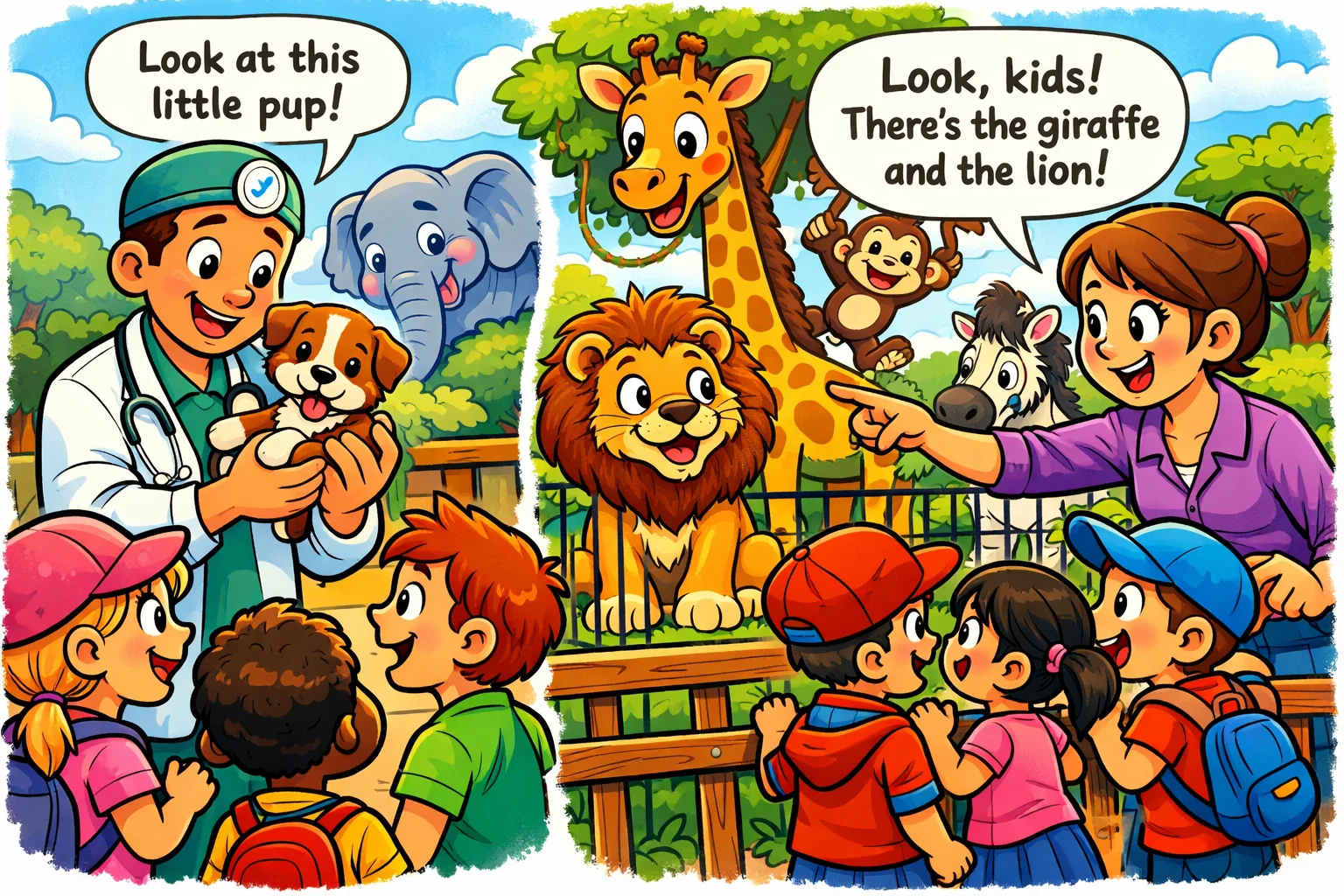
Real-world experience is the highest form of learning, creating memories that last a lifetime.
- Zoo and Aquarium Visits: Use a “Bingo” sheet to keep kids engaged during the trip.
- Veterinarian and Shelter Visits: Seeing how humans care for sick or abandoned critters builds compassion and empathy.
- Pet Show and Tell: A controlled environment where children can introduce their domestic friends and explain how they care for them.
- Exotic Pet Guests: Professional handlers can bring snakes or lizards to schools, helping to dispel fears and teach respect for animals and reptiles.
Creative Cooking and Snack Time
Integrating a theme into mealtime reinforces learning in a fun, edible way.
- Animal Cookie Decorating: Use icing to turn round cookies into lions or bears.
- Monkey Bread: A classic pull-apart treat that fits the theme perfectly.
- Frozen Animal Snacks: Use fruit to create faces on yogurt bark (e.g., banana slices for ears).
- Dogs and Pigs in a Blanket: A fun way to tie lunch into the day’s animal activities.
- Puppy Chow and Kitty Litter Cake: Novelty desserts that kids find hilarious.
- Animal Food Bowls: Create a “Fish Bowl” using blue jello and gummy fish.
Zoo Theme Specifics
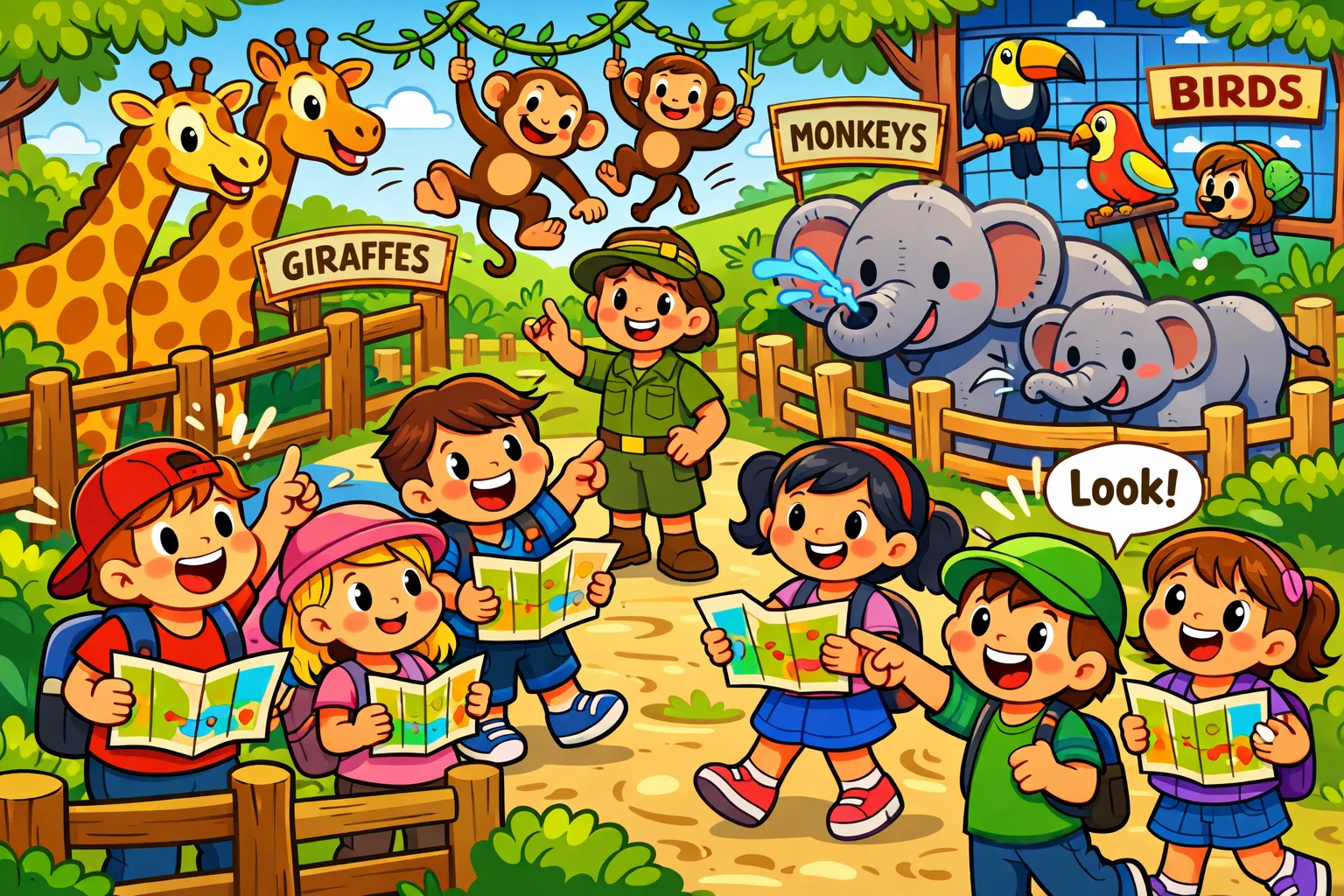
A trip to the zoo or wildlife park is a powerful themed experience for a family or classroom.
- Zoo Trip Planning: Discuss endangered species you might see and why conservation is important.
- Zoo Animal Games: Play “Follow the Zookeeper” (a version of Follow the Leader).
- Zoo Crafts: Create a “Zoo Map” of your home, placing different creatures in designated “zones.”
Age-Appropriate Breakdown
Animal Activities for Toddlers (1–3 years)
Focus on sensory play and sounds. Kids love making creature noises! Simple colouring pages with thick outlines and sensory bins with plastic figures and “grass” (shredded paper) are ideal for these tiny hands.
Animal Activities for Preschool (3–5 years)
Focus on fine motor skills and categorization. Sorting farm animals vs. wild species is a key developmental milestone. Incorporate animal songs and simple puppet shows.
Animal Activities for Elementary Kids (6+ years)
Focus on research and “Big Ideas.” Explore the status of endangered species or the complex ecosystems of British wildlife. At this age, they can handle complex animal-themed projects like sewing or writing research papers.
Seasonal Inspiration
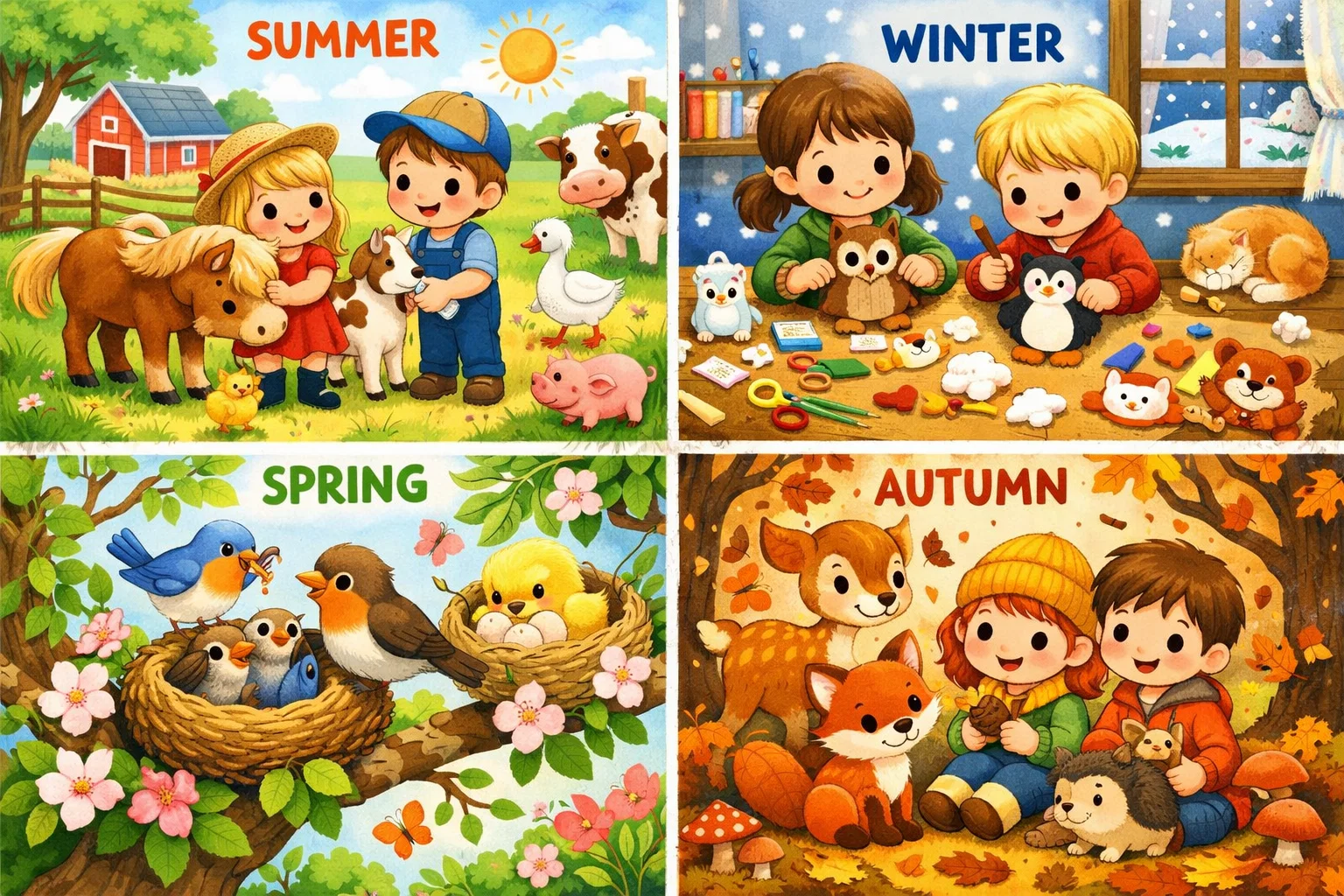
- Summer: Outdoor scavenger hunts, pond dipping, and visiting local nature centers.
- Winter: Tracking footprints in the snow or mud and making bird suet balls for british wildlife.
- Farm Animal Activities: Focus on the harvest season and “Who gives us what?” (Wool from sheep, eggs from chickens).
Classroom Strategies
Teachers can use these to foster teamwork and literacy.
- KWL Charts: Ask what kids Know, Want to know, and what they’ve Learned about a species.
- Writing Prompts: “If you could talk to a fox, what would you ask?”
- Group Challenges: Build a habitat for a specific creature using only classroom supplies.
Summary of Global Species Groups
To provide context for your educational activities, here is a look at the diversity of nature:
| Group | Estimated Species | Key Characteristic |
| Insects | 1,000,000+ | Six legs, antennae |
| Fish | ~34,000 | Gills, live in water |
| Birds | ~10,000 | Feathers, lay eggs |
| Mammals | ~5,400 | Fur/hair, produce milk |
| Reptiles | ~10,000 | Scales, cold-blooded |
Conclusion: Raising Compassionate Explorers
By engaging in these games and activities, you aren’t just keeping your children busy; you are raising the next generation of conservationists. Whether you are building a puppet theater or learning about animals, the time spent exploring the fauna is an investment in their emotional and intellectual future.