

Choosing the right digital learning tool in 2026 can feel overwhelming for many parents. With the explosion of educational games and learning apps for kids, parents often find themselves comparing two well-known platforms: ABCmouse and ABCya. While both are staples in the world of pre-K and elementary education, they serve very different purposes. One offers a structured online curriculum, while the other focuses on high-energy, interactive games that reinforce school-day skills.
In this guide, we’ll dive deep into the ABCmouse app and ABCya to compare their learning activities, subscription models, and educational content. Whether you are looking to teach kids the basics of phonics or need math games for older kids, understanding how these learning apps function will help you decide which one earns a permanent spot on your child’s tablet.
Find the Best Educational Games and Apps for Kids: ABC Mouse vs Websites Like ABCya
| Feature | ABCmouse | ABCya |
| Primary Age Range | 2–8 years (Pre-K to 2nd Grade) | Pre-K to 6th Grade+ |
| Learning Style | Structured learning path (sequential) | Standalone educational games |
| Progress Tracking | Extensive parent dashboard | None (on standard plans) |
| Pricing | $14.99/month (monthly plan). Annual plan is often promoted at $45 for the first year, but renewal pricing may be higher (for example, $59.99/year), depending on the purchase terms shown at checkout | Free (with ads) or Premium Upgrade |
| Subjects | Reading and math, Science, Art | Math and literacy, Typing, Strategy |
| Safety | Ad-free environment; states compliance with COPPA | Ads on free version; ad-free on Premium plan |
Comparing the Learning App Approach: Curriculum vs. Learning Games
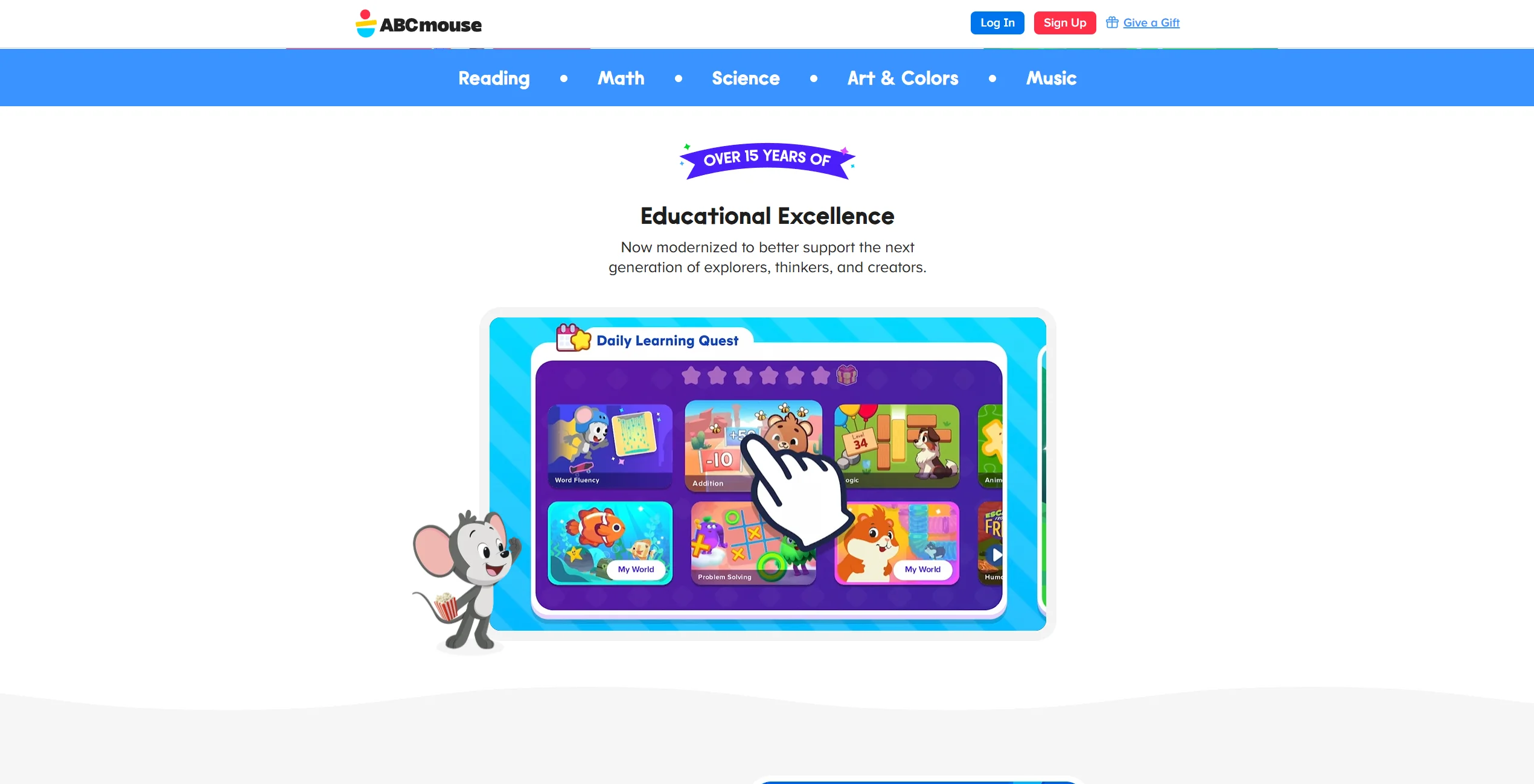
The fundamental difference lies in how kids learn. ABCmouse provides a “Step-by-Step Learning Path” that guides children through more than 13,000 learning activities. It functions like a structured digital classroom where lessons build progressively on one another.
Conversely, ABCya is an educational platform built around discovery. It doesn’t force a sequence. Instead, kids can play a wide range of content including puzzles, word searches, and math and reading games at their own pace. It functions more as a collection of educational games rather than a structured teaching system.
Choosing the Best Educational Fit for Math and Reading
ABCmouse offers a variety of rewards (like tickets to buy virtual pets) which makes it one of the best educational choices for children who need a clear roadmap and external motivation. It works well for families looking for a personalized learning experience that mimics a classroom.
ABCya is better suited for the “snackable” learner. If your child enjoys playing games for 15 minutes to blow off steam after school, ABCya’s fun games offer great skill reinforcement without the commitment of a “lesson.”
Subscription Model vs. Free Access
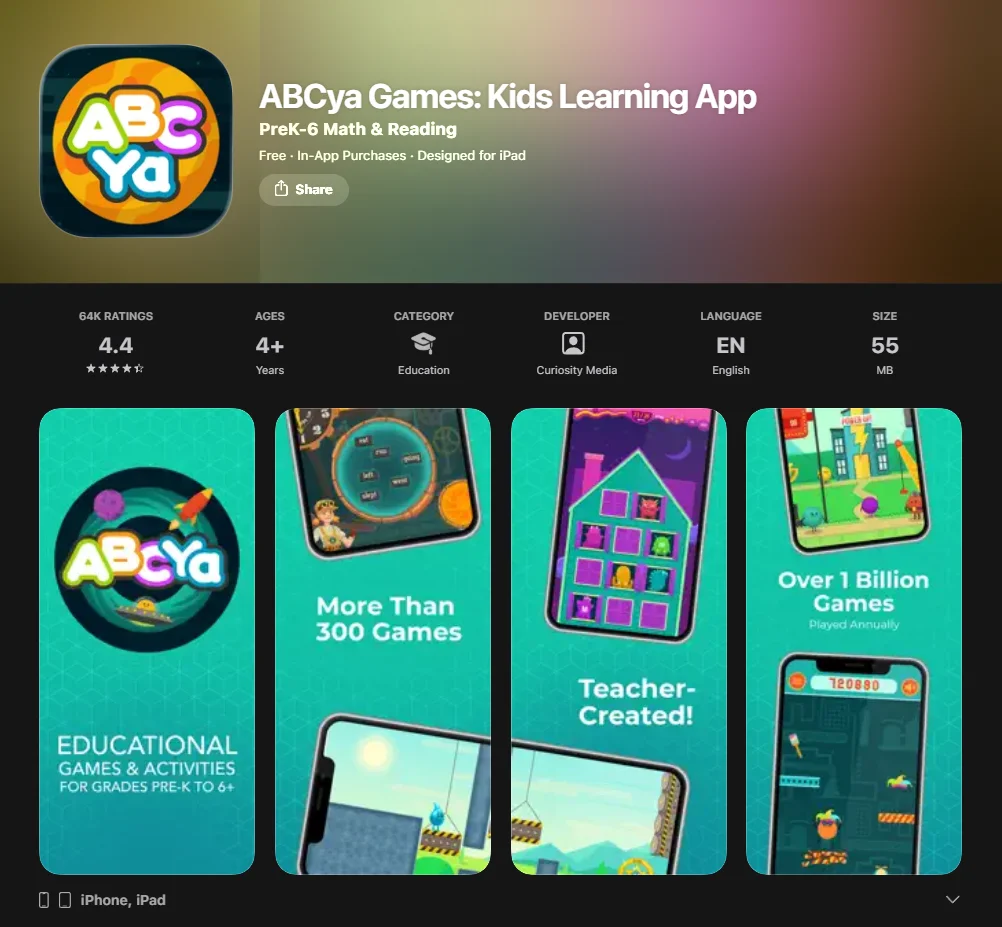
ABCmouse does not offer a permanent free plan, though limited promotional access or trial periods may be available. Full Premium access requires a paid subscription. ABCya is widely known for offering free web-based games, but access levels vary by platform and may include limitations or advertisements. Premium subscription removes ads and unlocks full access. To access ABCya without advertisements and with full mobile functionality, a Premium subscription is required.
Parent Involvement Level
ABCmouse is designed for high independence once the child understands the “Learning Path,” though the assessment tools allow parents to stay very involved in tracking educational needs. ABCya is also easy to navigate, but because it lacks progress tracking, parents may need to check in more often to ensure their kids enjoy the educational games rather than just playing the simpler “just for fun” sections.
Side-by-Side Overview
How They Teach Kids
ABCmouse uses direct instruction. It will often “teach” a concept through a video or song before asking the child to complete a quiz or worksheet. ABCya assumes the child has some prior knowledge and uses the games and learning process to reinforce those concepts through repetition and play.
Reading and Math Mastery: Subjects in Each Educational App
ABCmouse explicitly includes reading, math, science, social studies, art, and music within its structured curriculum. ABCya focuses primarily on skill-based games in math, reading, typing, and logic. However:
- ABCmouse has deeper language arts and science modules.
- ABCya excels in “functional” skills like typing and logic puzzles.
Personalized Learning and Progress Tracking Features
A major strength of the ABCmouse learning system is its structured progression and content breadth. If a child struggles with sight words, the platform can suggest specific learning games for kids to help. ABCya is not adaptive; the difficulty is set by the grade level the child selects manually.
Interface and User Experience
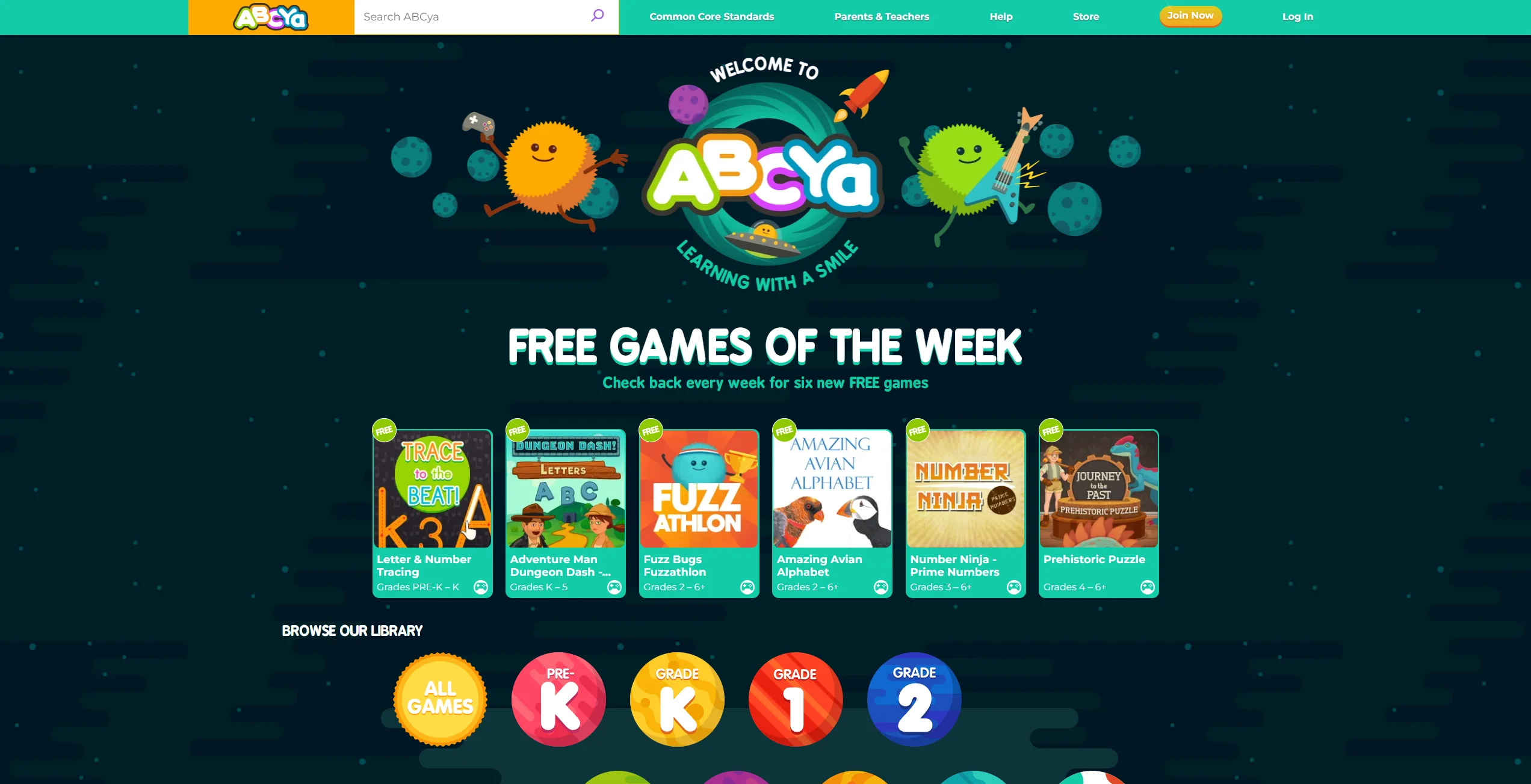
The ABCmouse app is immersive, featuring a “classroom” that children can customize. ABCya has a cleaner, more website-like interface. While kids will love the avatars in ABCmouse, some older kids might find it a bit “babyish” compared to the arcade-style look of ABCya.
Learning Efficacy and Research
Reported Learning Outcomes
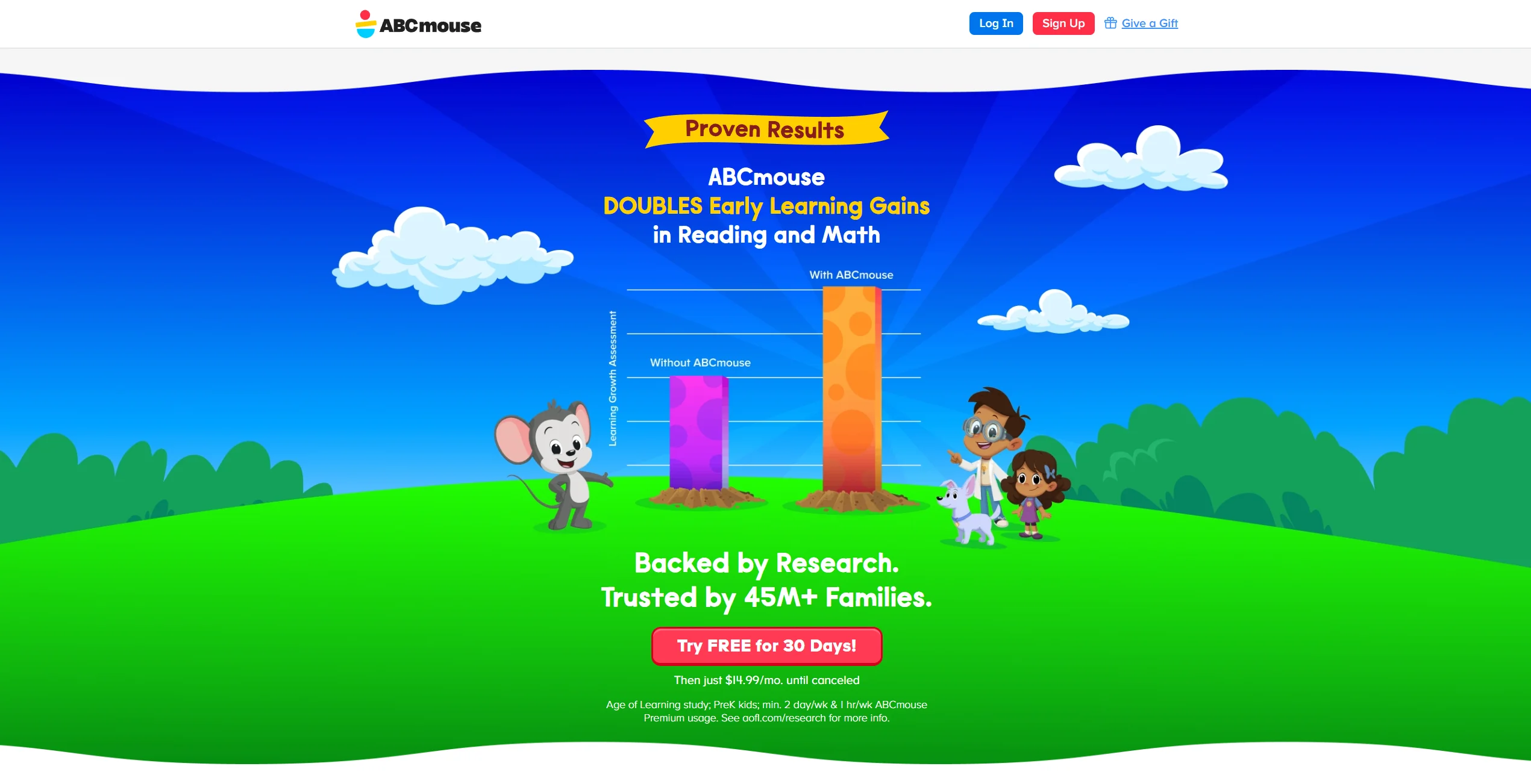
Age of Learning publishes internal research summaries and efficacy reports related to ABCmouse, including findings that approximately 45 minutes of weekly usage is associated with measurable literacy gains.
“Students who completed more ABCmouse learning activities scored higher on assessments of kindergarten readiness than those who completed fewer activities.” — Age of Learning Efficacy Report
Skill Reinforcement Through Games
ABCya is frequently used in classrooms to reinforce math and literacy skills. While it doesn’t have as many formal efficacy studies, teachers often use it as a reward that still provides educational value. The interactive games help with “fluency”—the ability to solve problems quickly and accurately.
Benefits of Structured Curriculum Path
For pre-k and preschool children, the abcmouse provides a sense of routine. Some educational research suggests that sequential lesson structures may support school readiness, as it ensures there are no gaps in foundational knowledge like phonics or basic counting.
Age Range and Content Depth
Preschool and Pre-K
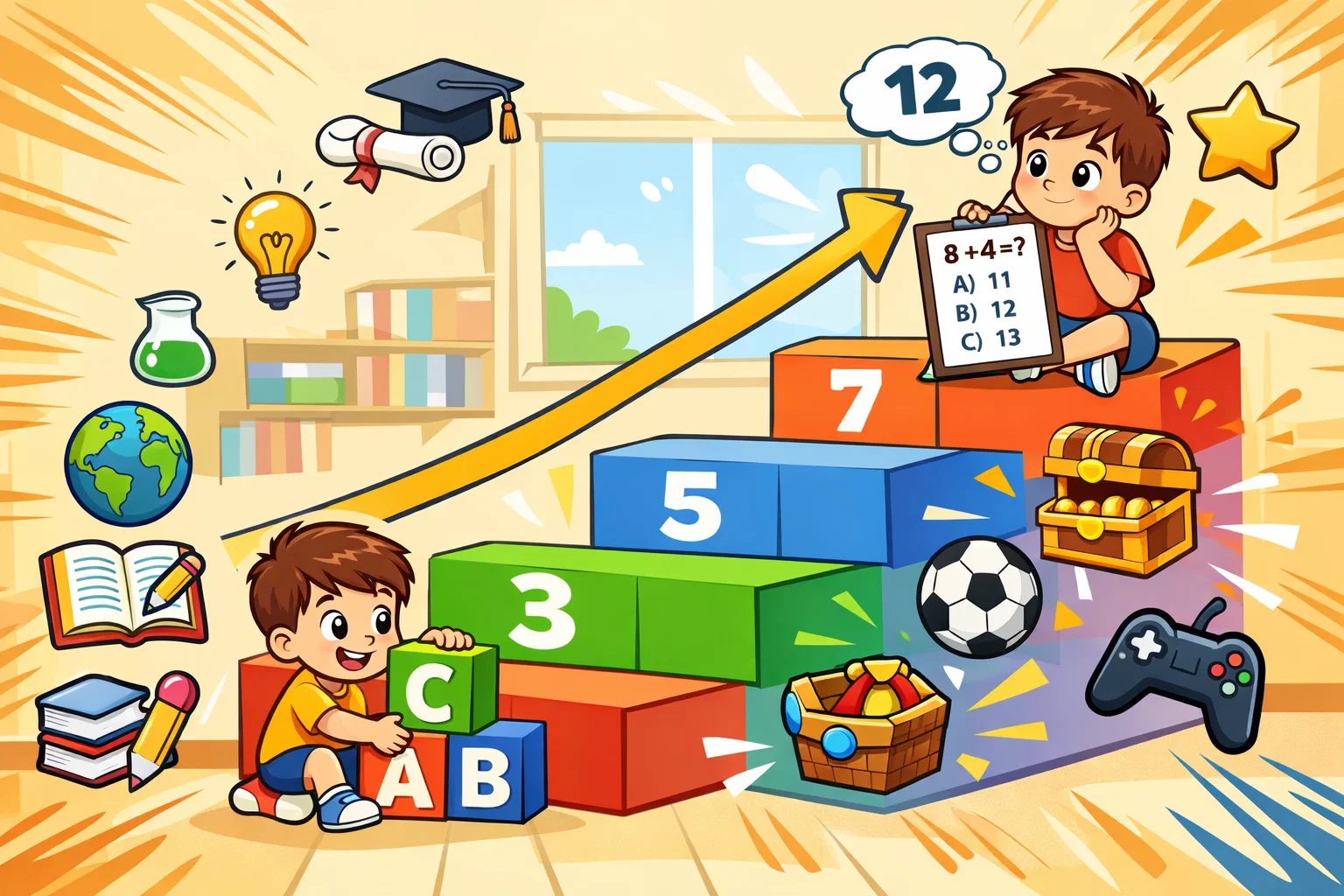
For kids between the ages of 2 and 4, ABCmouse is often cited as the best online option because of its focus on the basics. It includes alphabet tracing and songs that are specifically calibrated for preschool development.
Kindergarten and Early Elementary
In grades K–2, both platforms are highly competitive. This is often the stage when children benefit most from structured phonics programs and skill-based math practice. ABCya starts to shine here with its grade-based games that align with Common Core standards.
Older Elementary Engagement
This is where the two diverge significantly. ABCmouse is primarily designed for children up to approximately age 8. ABCya, however, provides content for kids in grades up to 6th grade and beyond. Older kids will find the strategy and typing games on ABCya much more engaging than the “Learning Path” on ABCmouse.
Price and Trial Options (2026 Update)
| Plan | ABCmouse | ABCya |
| Monthly | ~$14.99 | ~$9.99 |
| Annual | ~$45.00 (Promo price) | ~$79.00 |
| Free Version | Basic Access (limited features). Trial: 30-day free trial available for monthly plan (when signing up via website). | Free access varies by platform. On mobile apps, ABCya provides a limited number of free games per week (for example, six free games weekly). Full access requires a subscription. |
| Profiles | Up to 3 children | Up to 5 devices |
ABCmouse offers a variety of payment tiers, often bundling other apps like Adventure Academy for older kids. ABCya may offer strong value for families who primarily use the desktop version, as it is completely free (though you’ll have to deal with ads).
Safety and Privacy
Data Privacy and COPPA Compliance
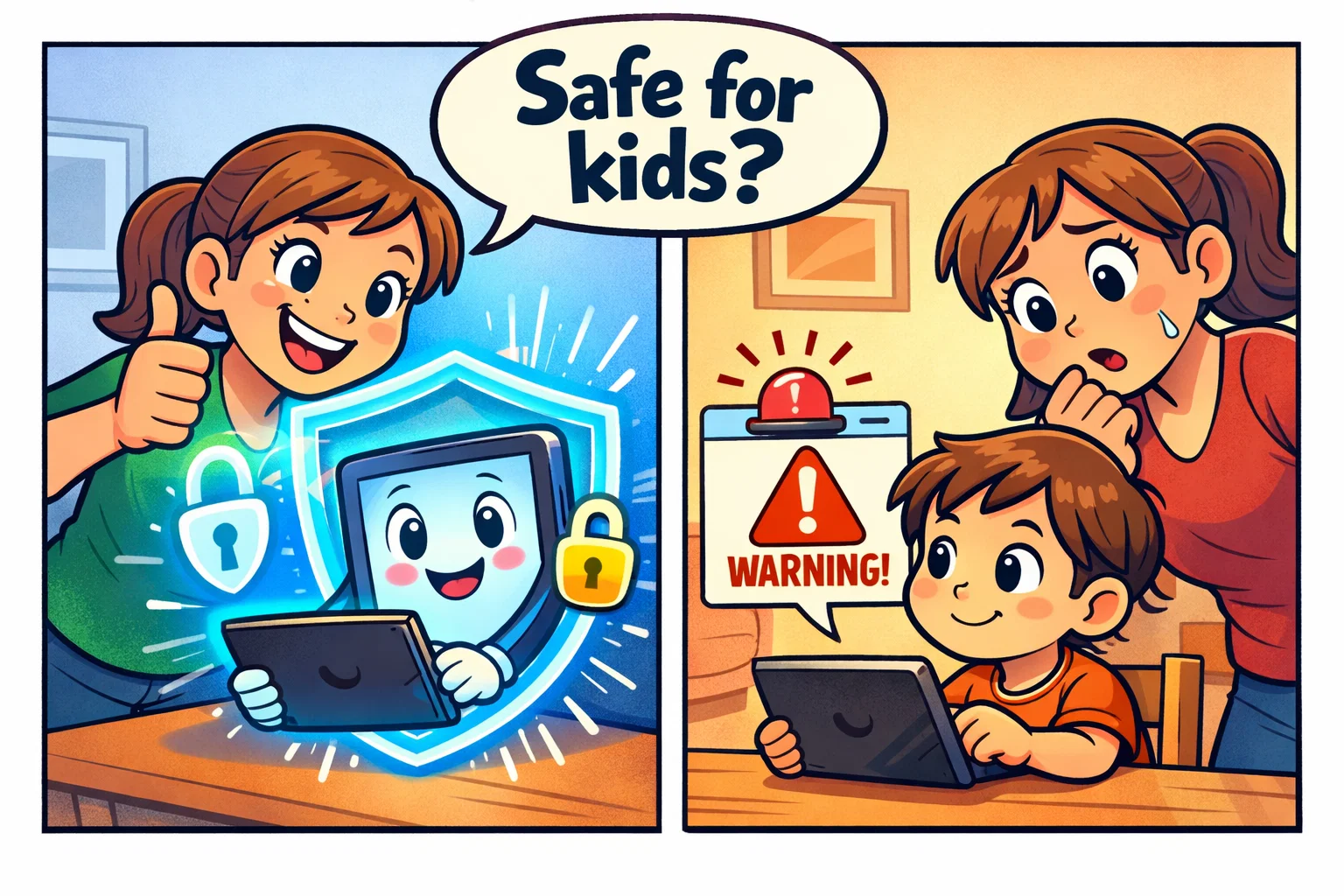
Both ABCmouse and ABCya state that they participate in the kidSAFE Seal Program. ABCmouse states that it is certified under kidSAFE’s FTC-approved COPPA Safe Harbor program. This means they adhere to strict federal guidelines regarding how they collect and use data from kids ages 13 and under.
Ads and External Links
- ABCmouse: Completely ad-free. There are no external links that a child can click by accident.
- ABCya: The free version contains third-party ads. While these are filtered for children, some parents find them distracting. The subscription version removes all ads.
Pros and Cons
ABCmouse
Pros:
- Comprehensive learning platform with over 13,000 activities.
- Excellent progress tracking for parents and teachers.
- Includes a wide range of subjects including music and art.
Cons:
- Requires a monthly subscription (no permanent free version).
- Can feel repetitive or “busy” for some children.
ABCya
Pros:
- Useful platform for quick, targeted practice sessions.
- Covers a wide age range (up to 6th grade).
- Completely free to use on desktop browsers.
Cons:
- No individual progress tracking.
Free version is heavy on ads and has mobile limits.