Easy Drawing Ideas for Third Graders: An Artistic Guide

 Discover a Free Education Video App for Kids
Pastory uses AI to personalize educational video content based on your child’s interests and personality. Safe, engaging, and built for curious young minds. Sign up now to stay updated and enjoy early access with a free trial
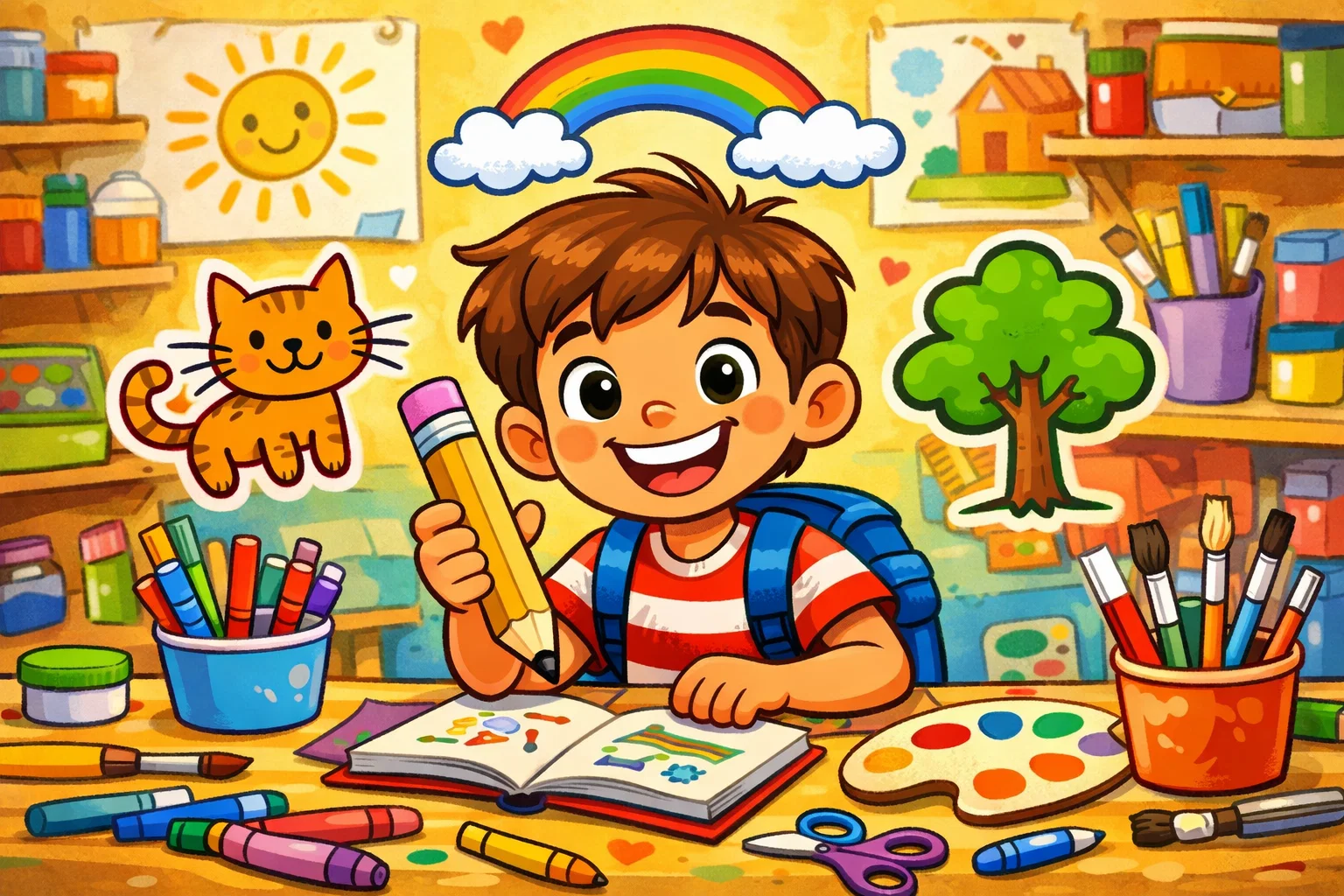
Artistic engagement is a cornerstone of cognitive and emotional development in middle childhood. Providing a structured drawing lesson tailored to third graders – typically children aged 8 to 9 – helps bridge the gap between simple scribbles and representational art. At this developmental stage, students move from schematic drawing (using symbols) toward creating more realistic representations. By providing a clear guide and step-by-step instructions, educators and parents can foster a sense of mastery and imagination in the classroom or at home.
Simple Nature Drawings: Beginner Tutorials
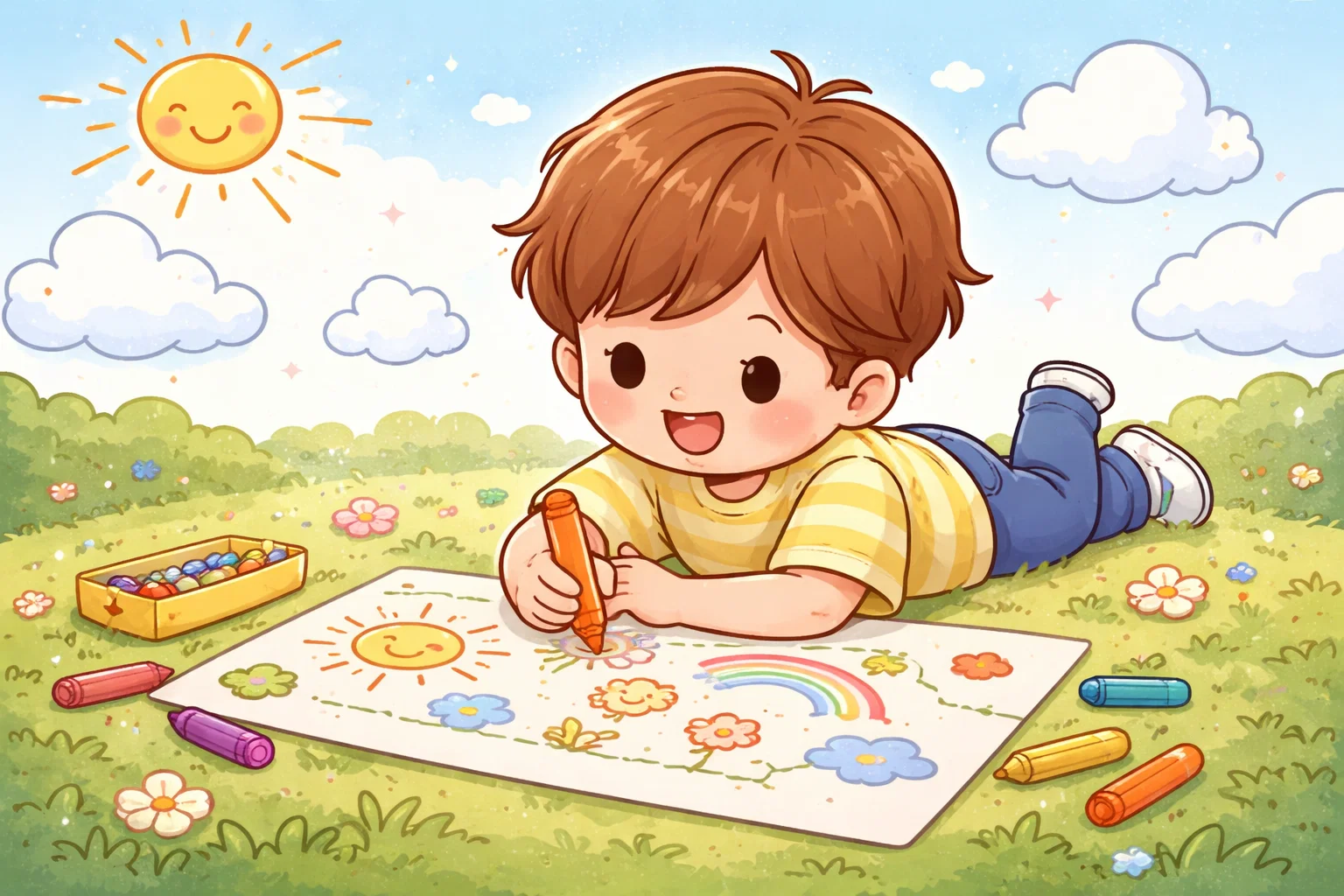
Nature provides endless inspiration in elementary art because it features organic, forgiving shapes. Sketching light outlines in pencil allows children to break complex scenes into manageable parts.
Draw a Tree
A tree lesson focuses on the basic parts of a tree: the trunk, branches, and leaves. Third graders can draw a sturdy rectangle or two slightly curved, tapering lines for the trunk to create a solid base. To create realistic branches, students should extend lines upward and outward, ensuring the branches become thinner toward the top. For leaves, a cloud shape or a series of small circles can represent a lush canopy, helping children understand how individual elements combine into a whole.
Draw a Flower
A flower is a classic drawing subject that introduces radial symmetry. To begin, the student should draw a small circle in the center and then add petal shapes around it. Using vibrant markers or oil pastels allows the student to distinguish the center from the petals with color. This art lesson teaches kids to recognize how a design repeats around a central point, reinforcing symmetry concepts taught in elementary school.
Draw a Cloud
Teaching a child to draw a cloud involves practicing curved lines and creating a sense of fluffiness. Instead of a single flat line, the student creates a series of connected arcs to form a fluffy perimeter. To add a cute twist, the child can add two small circles for eyes and a tiny curve for a mouth, transforming the cloud into an adorable character. This approach encourages imagination by inviting children to personify inanimate objects.
Draw a Mountain Scene
A mountain scene lesson introduces the concept of the horizon and basic shading techniques. Students draw large triangles with jagged edges to represent peaks, often adding a “cap” of snow using a zigzag line. To create depth, the child can use a pencil to add light shading on one side of each peak, suggesting a consistent light source. Spatial-awareness exercises can also help children understand how objects relate to one another in space.
Fun Animal Drawings
Animals are among the most popular drawing subjects for kids of all ages. Focusing on cute and fluffy creatures helps maintain high levels of engagement during an art lesson.
Draw a Cat
The cat drawing lesson breaks the cat’s body into a large oval and a circle for the head. To create a cute face, the child adds two triangles for the ears, a small inverted triangle for the nose, and a few short lines for the mouth and whiskers. By adding a long, curved line as a tail, the student completes the silhouette. This step-by-step method helps children simplify complex anatomy into recognizable shape categories.
Draw a Dog
Drawing a puppy focuses on capturing adorable facial expressions that convey emotion. The child begins with a large circle for the head and adds drooping ovals for the ears to create a friendly appearance. Placing two small circles on the face for the eyes and a wide curve for the mouth helps the puppy look happy. Drawing animals with varied expressions can also help children think about emotion and character.
Draw a Fish
The fish tutorial introduces basic line work and a streamlined body shape. Students draw a basic oval shape and add a triangular tail. To enhance the artistic detail, the child can add a pattern of scales using small “U” shapes across the body. Using colorful markers or oil pastels can make the fish look as though it belongs in a vibrant coral reef, making the lesson more visually rewarding.
Draw a Butterfly
A butterfly is an ideal subject for teaching symmetry. To start, the child draws a thin rectangle as the body and a small circle as the head. Then the student draws one wing and mirrors it on the other side. This drawing lesson often utilizes tracing techniques or folding the paper to show how symmetry works in nature. Using vibrant purple, orange, and blue pencils allows the student to create a bright, colorful drawing.
Cool Cartoon Characters
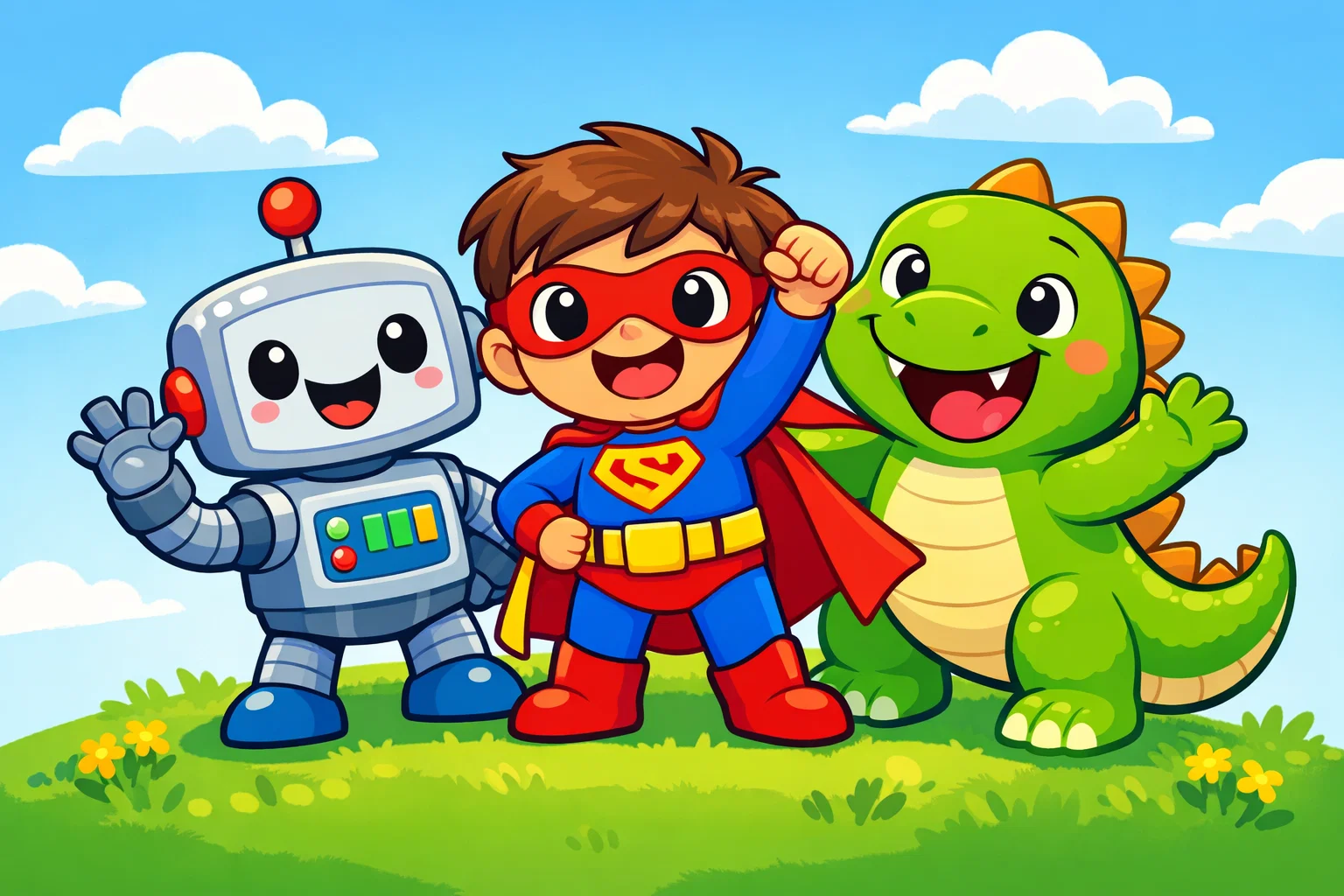
Cartooning makes drawing fun because the rules of reality are relaxed, giving the imagination room to play.
Draw a Minion
A Minion drawing lesson starts with a large, rounded rectangle or capsule shape. The most iconic features are the large, circular goggles, which the child can draw using two large circles in the upper third of the body. Adding a simple curve as a smile and thin lines as arms and legs completes the creature. This tutorial is effective in an elementary school setting because it relies on bold, simple lines.
Draw a Superhero
The superhero tutorial focuses on powerful poses, often starting with a “V”-shaped torso to represent strength. The child can design a unique emblem and add a flowing cape using long, diagonal lines. This lesson encourages kids to think about character attributes, such as bravery and speed, and how to represent those traits through artistic choices like vibrant colors.
Draw a Robot
A robot is an excellent subject to practice geometric shapes. The child can combine squares, rectangles, and circles to build a mechanical creature. Using gray or metallic pencils and adding small circular buttons adds detail. To make the robot look cute, students often add an antenna, showing how design can influence a machine’s personality.
Draw a Dinosaur
In a friendly dinosaur lesson, students typically draw a large oval for the body and a long, curved line for the neck. Adding “plates” or spikes along the back using triangles creates a classic Stegosaurus look. This beginner guide emphasizes the side view, which is often the easiest perspective for third graders to understand and draw.
Creative and Fun Drawing Projects
Moving beyond single subjects, these projects encourage students to tell a story in their sketchbooks.
Draw a Rocket Ship
The rocket ship lesson starts with a tall rectangle that tapers to a point. The child adds fins using triangles and small circular windows. To create the illusion of movement, the student can draw “fire” at the base using jagged lines and vibrant orange markers. This project highlights how imagination can turn basic geometry into a high-speed vehicle.
Draw a Unicorn
The unicorn tutorial blends animal anatomy with fantasy. Starting with a horse-like body, the child adds a spiral horn. Using a rainbow of colors as the mane and tail makes the drawing feel magical. This lesson often incorporates glitter markers or vibrant oil pastels to emphasize the enchanted theme that is popular with kids of all ages.
Draw a Rainbow
A rainbow lesson teaches the sequence of colors (ROYGBIV) and helps students practice curved lines. The child draws several evenly spaced arcs, keeping the lines smooth and consistent. This project is excellent in the classroom because it provides a clear pattern to follow. Repetitive artistic patterns can have a calming effect on many children.
Draw a Mermaid
The mermaid lesson combines a human torso with a fish tail. The child learns to draw flowing hair using long, wavy lines and adds “scales” to the tail to create texture. This tutorial often focuses on a cute facial design and the use of vibrant teal and purple pencils. By joining two different forms, children learn the concept of a “composite creature.”
Simple Drawing Techniques: A Beginner’s Toolkit
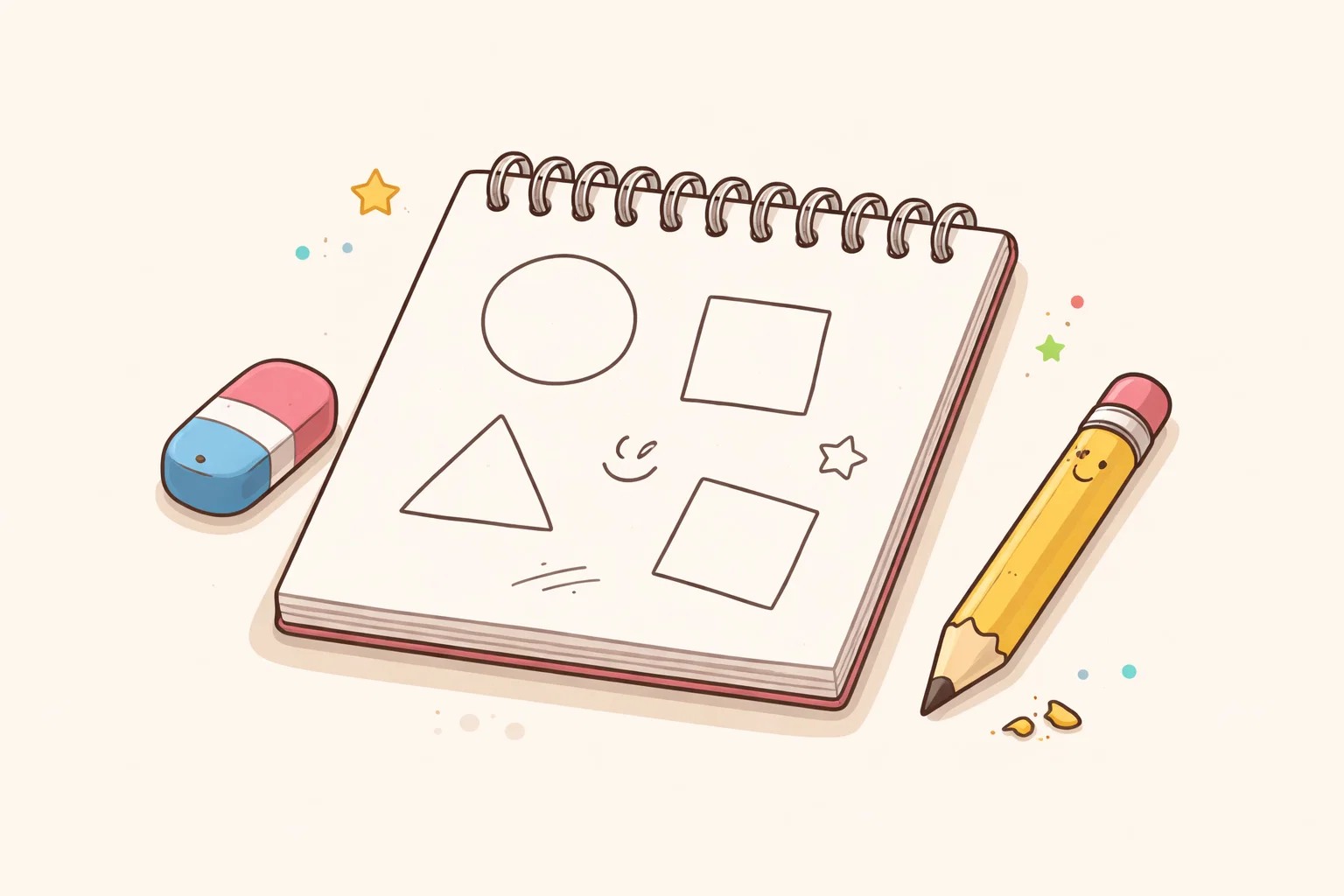
To improve artistic outcomes, students need to understand the “how” behind the drawing. These techniques form the “alphabet” within any art room.
Basic Shapes for Drawing
| Shape | Real-world Example | Usage in Drawing |
| Circle | Sun, Ball, Face | Foundation for heads and joints |
| Square | Box, House, Window | Foundation for buildings and robots |
| Triangle | Mountain, Roof, Beak | Foundation for ears and sharp details |
| Rectangle | Door, Trunk, Bus | Foundation for bodies and limbs |
Every lesson for young learners should begin by identifying which basic shapes make up an object.This helps the child simplify what they see and reduces the frustration of facing a blank page.
Using Color Effectively
Using color effectively involves intentional color choices and simple blending techniques. Students are encouraged to use color to create mood. For example, purple and blue might represent a cool night. In a grade 3 classroom, teaching kids to layer colored pencils or oil pastels allows them to create new shades, fostering a deeper understanding of color theory.
Drawing with Shadows
Adding depth involves identifying a light source. The child learns to add darker shading on the side farthest from the light source. This technique helps the drawing look three-dimensional. Simple pencil techniques, such as pressing harder for darker areas and more lightly for highlights, make drawings look more realistic.
Adding Textures in Drawings
Texture tells the viewer how an object feels.
- Fur: Short, quick pencil strokes.
- Scales: Overlapping small “U” shapes.
- Leaves: Small, jagged lines or “teardrop” shapes.
Adding texture can make a fluffy puppy look soft and a fish look shiny, improving the overall drawing.
Creative Drawing Challenges: Inspiring Young Artists
Consistency is key to skill acquisition. These challenges keep the sketchbooks full and the imagination active.
30-Day Drawing Challenge
A 30-day challenge provides a daily “prompt” (e.g., “Day 1: Flower”). This structure removes the “what should I draw?” hurdle. Daily practice can improve fine motor skills and hand-eye coordination over time.
How to Draw with Mixed Media
Combining markers, pencils, and oil pastels is known as mixed media. For example, a child might draw the outline with a marker and fill it in with colored pencil. This teaches the student how different tools interact – for instance, how oil pastels resist water-based paint.
How to Draw in 3D
Simple 3D tricks include adding “depth lines” to a square to turn it into a cube. In a grade 3 lesson, the teacher might show how two lines that converge toward a single point make a road look as if it is stretching into the distance. This makes the art look more dimensional and introduces basic perspective.
How to Draw a Landscape
A landscape lesson involves a foreground, middle ground, and background. The child learns that objects further away (like a distant cloud) should be smaller. This step-by-step guide helps children organize their imagination into a coherent scene.
Why Drawing is Important: Kids’ Development
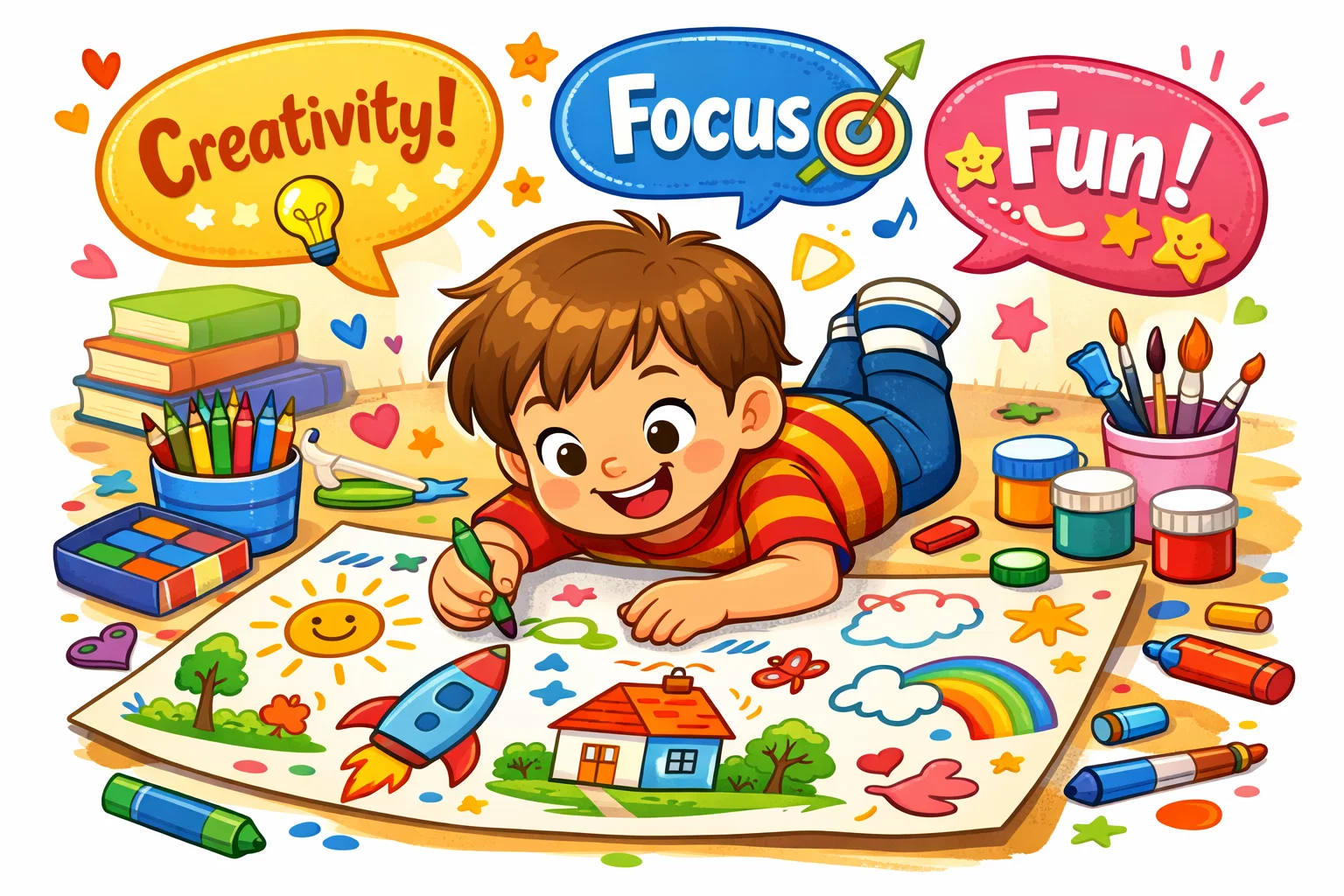
Drawing is not just a “filler” activity; it is a vital developmental tool that supports multiple areas of growth.
Improves Motor Skills
The act of gripping a pencil or marker and making precise marks strengthens the small muscles of the hand. This development of fine motor skills is directly linked to improved handwriting. Creative activities play an important role in healthy childhood development.
Boosts Creativity
When a child is given the freedom to design a new creature or a rainbow planet, they practice divergent thinking. This type of creativity is a foundation for future problem-solving skills in science and technology. By encouraging imaginative play, we prepare children to think outside the box.
Helps with Emotional Expression
Sometimes, a child might lack the words to describe their day, but they can draw a self-portrait to show how they feel. A smiling face or a dark, stormy cloud can be a powerful artistic outlet. Art-based reflection activities can help students process stress and express their emotions.
Enhances Concentration and Focus
Completing a step-by-step tutorial requires the child to sit still and follow a sequence. This builds “task persistence,” the ability to stick with a project until it is finished. In an era of constant digital distractions, art activities can help children build patience.
Start Drawing Today!
Beginning an artistic journey doesn’t require expensive equipment; it just requires a willingness to try.
Tips for Getting Started
- Don’t fear mistakes: Use an eraser or turn the mistake into a new pattern.
- Start simple: Focus on a circle or a rectangle before moving to complex scenes.
- Practice daily: Even a 5-minute sketch counts!
Confidence grows when a child sees their sketchbook fill up with progress over time.
What Materials Do You Need?
To start a basic art lesson, you only need:
- Paper: standard printer paper or a dedicated sketchbook.
- Pencils: HB or #2 pencils.
- An eraser: to fix any “happy accidents.”
- Colors: markers, colored pencils, or oil pastels.
- A sharpener: to keep pencils ready for detail work.
How to Make Drawing Fun
Incorporate storytelling into the artistic process. Ask the child, “Where is this monkey going?” or “What is inside that mug?” Creating themed days keeps the lesson plans exciting. You can also try “folding” projects where the paper is folded, and when opened, it reveals a hidden part of the creature.
Frequently Asked Questions
What is the easiest drawing for a 3rd grader?
The easiest drawing for a 3rd grader is typically a flower or a cloud. These subjects use basic curved lines, which are manageable for most eight- to nine-year-olds. They are also very “forgiving,” meaning they look good even if the lines aren’t perfectly straight.
How do I encourage my child to draw more?
The best way to encourage a child is to provide a dedicated “art station” stocked with markers, paper, and pencils. Praise the effort and the creativity rather than just the final product. Joining them for a fun drawing session can also make the activity feel like special bonding time.
How can I teach my child to draw simple animals?
Teach your child to simplify animals into “blobs” or basic shapes. For example, a cat is just a circle on top of an oval. Use a step-by-step tutorial that shows one new line at a time to prevent the student from feeling overwhelmed.
How can drawing help my child's development?
Drawing supports visual-spatial thinking, hand-eye coordination, fine motor control, and emotional expression. Regular drawing practice can strengthen visual-spatial processing and improve hand-eye coordination over time. It can also serve as a non-verbal form of expression that supports emotional awareness.
What are the best drawing lessons for young beginners to build confidence?
The most effective lessons for young artists focus on high-interest, adorable subjects like a puppy or a cat. Starting with a fun drawing of a cute creature ensures the child stays engaged while mastering the curved line and basic pencil control.
How can I use oil pastel to create a vibrant design?
Using oil pastels allows a child to explore rich, vibrant textures that markers cannot easily achieve. In an art lesson, students can learn to blend purple, blue, and white to design a shimmering galaxy or a colorful sunset, providing a tactile experience that enhances creativity.
What is a simple way to draw polar bears in the classroom?
To draw a polar bear, students can start with a large oval for the body and a smaller circle for the head. This drawing lesson can also introduce background contrast, as the child uses light blue shading around the white bear to help it stand out on the page.
How do I encourage my child to fill their sketchbooks regularly?
To keep sketchbooks active, give your child “mini-challenges,” such as drawing a different flower or a cute monkey every day. Even sketching a simple household object, like a favorite mug, helps the child practice shading and perspective in a low-pressure way.
Can a 3rd grade drawing lesson help with school concentration?
Yes, a structured drawing lesson can support concentration by requiring the student to focus on step-by-step details. Regular artistic practice can help children build task persistence and patience in other school subjects as well.
Take a short quiz to find out what your everyday choices say about your parenting style
When your child is curious about something new, what’s your instinct?
Take a short quiz to find out what your everyday choices say about your parenting style
“Can I download this app?” What happens next?
Take a short quiz to find out what your everyday choices say about your parenting style
When it comes to rules at home, which sounds most like you?
Take a short quiz to find out what your everyday choices say about your parenting style
If you could give your child one life skill today, what would you pick?
Take a short quiz to find out what your everyday choices say about your parenting style
Your child gets to choose what to watch. What would your ideal setup look like?
Take a short quiz to find out what your everyday choices say about your parenting style
Pick your parenting superpower ✨