10 Safety Rules to Be Followed in School for a Secure Classroom

 Discover a Free Education Video App for Kids
Pastory uses AI to personalize educational video content based on your child’s interests and personality. Safe, engaging, and built for curious young minds. Sign up now to stay updated and enjoy early access with a free trial
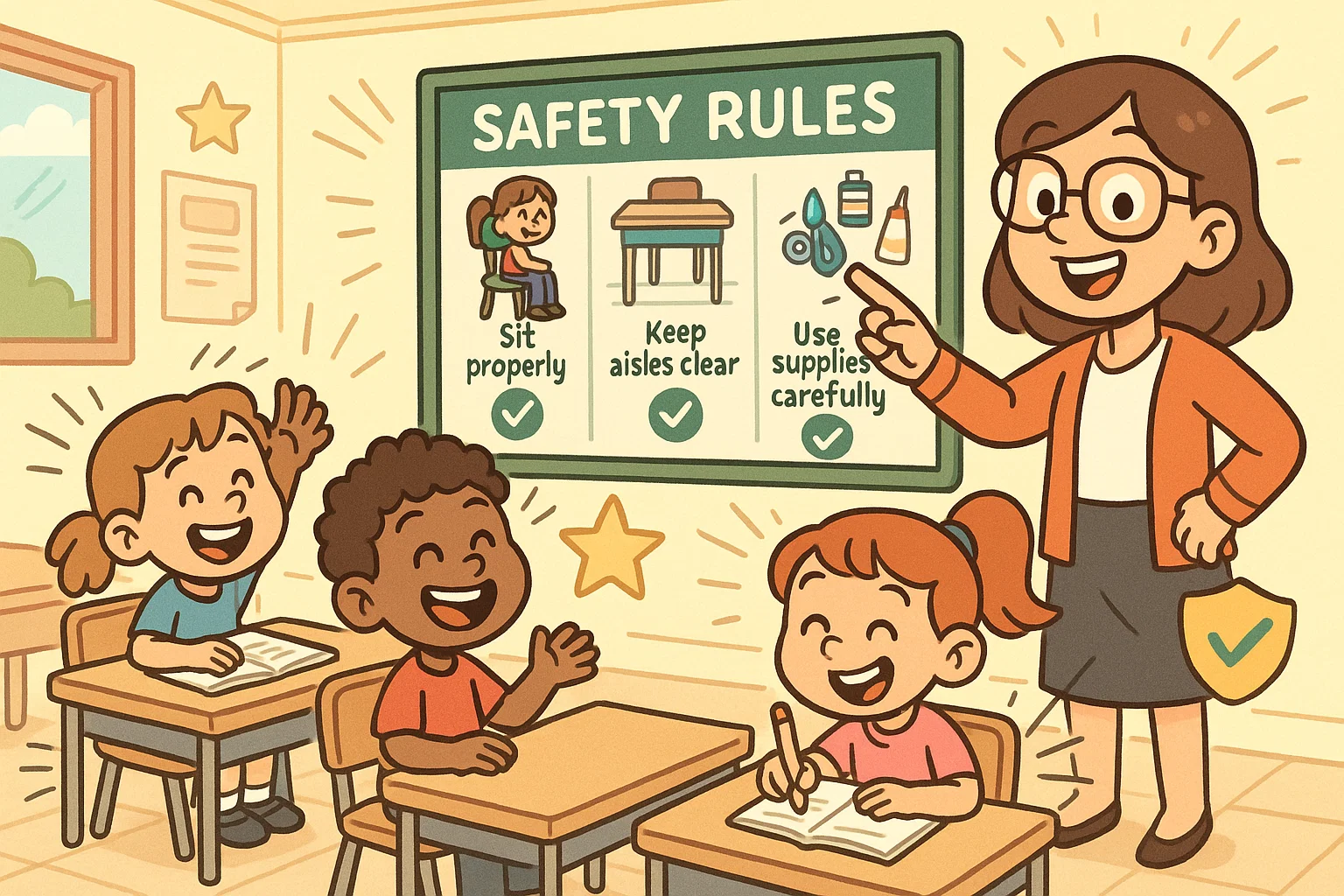
Knowing the safety rules to be followed in school helps students, teachers, and parents create a classroom where learning happens without unnecessary risk. From managing physical hazards and emergency procedures to setting clear behavior expectations, these rules form the foundation of a secure school day.
This guide covers 10 essential classroom safety areas, including hazard prevention, emergency preparedness, communication protocols, and the roles that teachers, students, and parents each play in keeping school environments consistently safe.
Key Takeaways
- The article covers 10 safety rules to be followed in school, spanning behavior, hazards, and emergency response.
- Physical safety rules include moving carefully, respecting personal space, and using equipment properly.
- Teachers, students, and parents each have specific responsibilities in maintaining a safe classroom environment.
- Emergency preparedness covers fire safety, lockdown procedures, and handling medical situations in the classroom.
- Practical case examples show how effective classroom safety systems have been applied in real school settings.
Why Schools Prioritize Student Safety
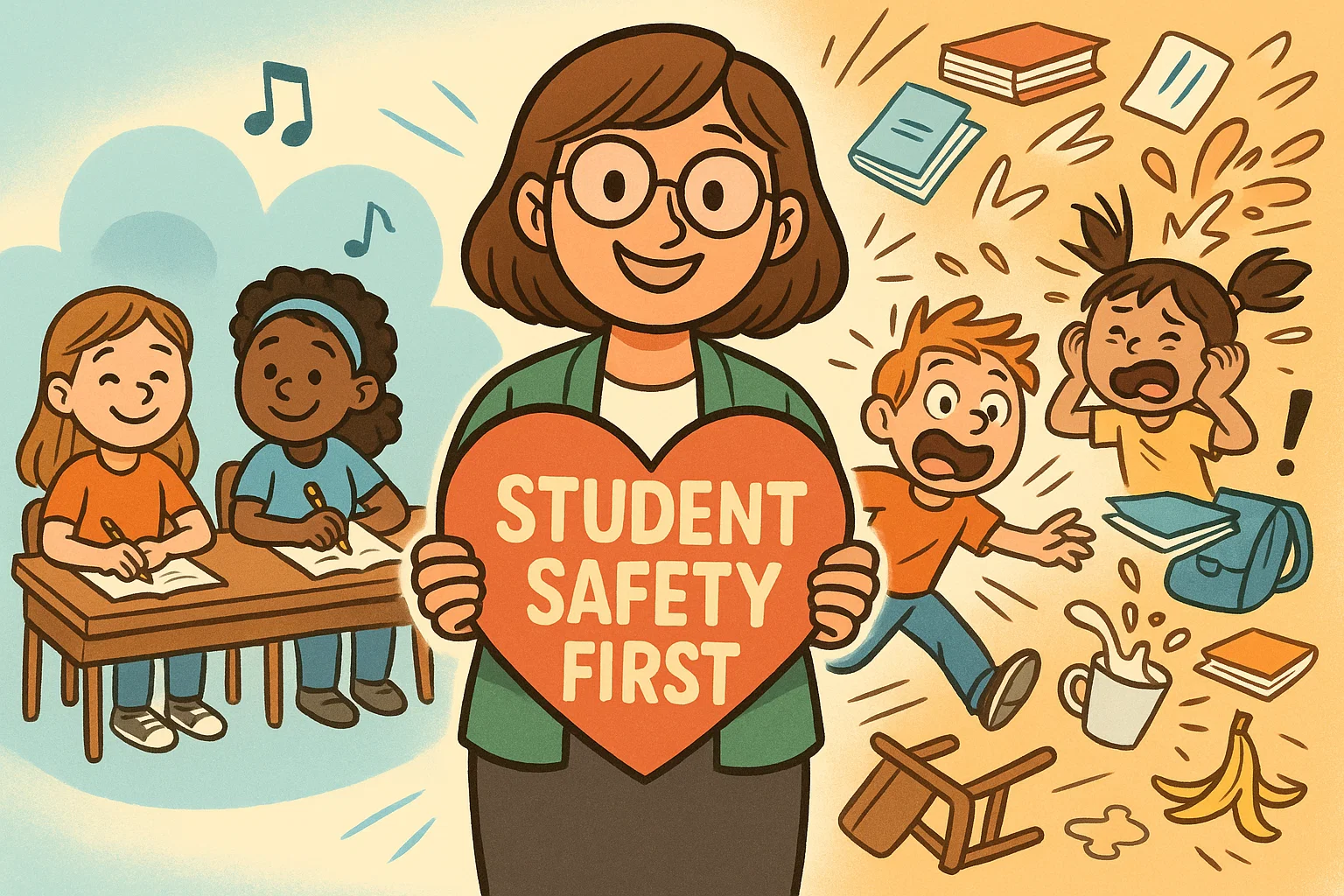
Prioritizing classroom safety extends far beyond simply preventing physical injury; it is a holistic approach to student well-being that is essential for maximizing learning outcomes. A commitment to creating a safe environment for all students fulfills the duty of care schools have to their pupils and positively impacts every aspect of school life.
Physical Protection Factors
Physical health and safety issues must be managed daily. This involves continuous risk assessment and mitigation of hazards. Ensuring safety in schools means establishing clear protocols for:
- Safe Movement: Implementing rules to prevent running in hallways and classrooms, using handrails, and maintaining awareness of others to avoid collisions.
- Hazard Detection: Regularly checking for potential dangers like spilled liquids, sharp objects, or uneven surfaces.
- Accident Prevention: Teaching students to follow instructions when using tools or electrical equipment and stressing the importance of manual handling techniques for moving heavy items.
- Safe Use of Classroom Equipment: Providing direct instruction on the proper and careful use of all school materials, especially in areas like science labs or design and technology workshops.
Emotional Well-Being Factors
Emotional safety is the foundation of a secure learning environment. When students feel psychologically secure, they are more willing to take academic risks, engage in discussion, and ask questions.
- Influence on Behavior: Emotional safety reduces anxiety, which often underlies disruptive or unsafe student behaviour. When students trust their teachers and peers, they are less likely to act out.
- Learning and Positive Interactions: A positive, supportive environment encourages cooperation and respect among students, making peer interactions safe and productive.
- Open Communication: Creating a culture where students feel comfortable engaging in open communication with a trusted adult is crucial for identifying and resolving potential problems before they escalate.
Bullying and Harassment Prevention
Effective classroom management and clear classroom rules are integral to preventing negative interactions among students. Comprehensive anti-bullying policies and proactive strategies are key to creating a respectful environment.
- Establishing Rules: Clearly defining and communicating expectations regarding respectful communication and behavior is the first step.
- Intervention and Discipline: Teachers must be prepared to respond immediately and employ a proportionate approach to student discipline and any disciplinary issues.
- Cyberbullying: Educating students and parents about the risks and proper reporting procedures for online harassment is increasingly vital.
Mental Health Support Basics
A safe school environment acknowledges and supports the emotional and psychological needs of its students. Mental health issues can significantly impact a student’s ability to focus and feel safe.
- Psychological Safety: This sense of safety is vital for building student confidence and promoting full participation in class discussions. Students need to know that their ideas, feelings, and identities are valued.
- Trusted Adults: Ensuring that every student has at least one adult in the school staff or teaching assistants whom they can approach with safety concerns or personal struggles is a critical component of school safety.
Top Classroom Safety Rules for Students
Clear, consistent, and memorable classroom rules are the first line of defense in creating a safe learning space. These rules help students learn to manage their own behaviour and understand their rights and responsibilities.
Move Safely in The Classroom
- Walk, Don’t Run: Running is strictly prohibited inside the school building, especially in hallways, stairwells, and the classroom.
- Keep Pathways Clear: Students should ensure personal belongings (backpacks, coats) are stored neatly under desks or in designated areas to keep gangways clear and prevent tripping.
- Stay Aware: Encourage students to look where they are going, especially when using classroom tools or moving in crowded areas.
Respect Personal Space
Understanding and respecting physical boundaries is crucial to prevent both accidental injuries and interpersonal conflict.
- Hands Off Others’ Property: Asking before touching a peer’s belongings demonstrates respect.
- Preventing Conflict: Teach students the value of giving others space, which significantly prevents physical confrontations and maintains a safe and supportive environment.
Use Equipment Properly
From pencils to laptops to science labs equipment, students must be trained to handle school supplies carefully.
- Follow Instructions: Always wait for the teacher’s instructions before touching or using classroom materials.
- Report Damage: If a piece of electrical equipment or furniture is broken, students must immediately notify a staff member to avoid injury. This includes hazards like exposed wires or sharp edges.
Keep Hands and Feet to Yourself
This foundational rule is about preventing injuries and is a key part of maintaining order.
- No Pushing, Shoving, or Hitting: This rule prevents accidental harm and reduces the chance of escalating an issue into a disciplinary matter.
- Staying Seated: Students should remain seated unless instructed otherwise, reducing movement-related accidents.
Use Appropriate Language
The way students communicate directly impacts the emotional safety of the classroom.
- Calm Communication: Using a calm, respectful tone helps reduce risk of escalation in disagreements.
- No Hurtful Words: Verbal aggression, teasing, and put-downs should be prohibited by strong anti-bullying policies to ensure the safety of every pupil.
Ask for Help When Needed
Empowering students to seek help is perhaps the most important safety rule.
- Preventing Risky Behavior: Students know they can turn to an adult rather than trying to solve a problem themselves with potentially unsafe decisions.
- Reporting Hazards: Students are key allies in safety. They should be encouraged to report anything that looks dangerous, from a spillage to an unattended item, to a trusted adult.
Safety Rules for Classroom Environment
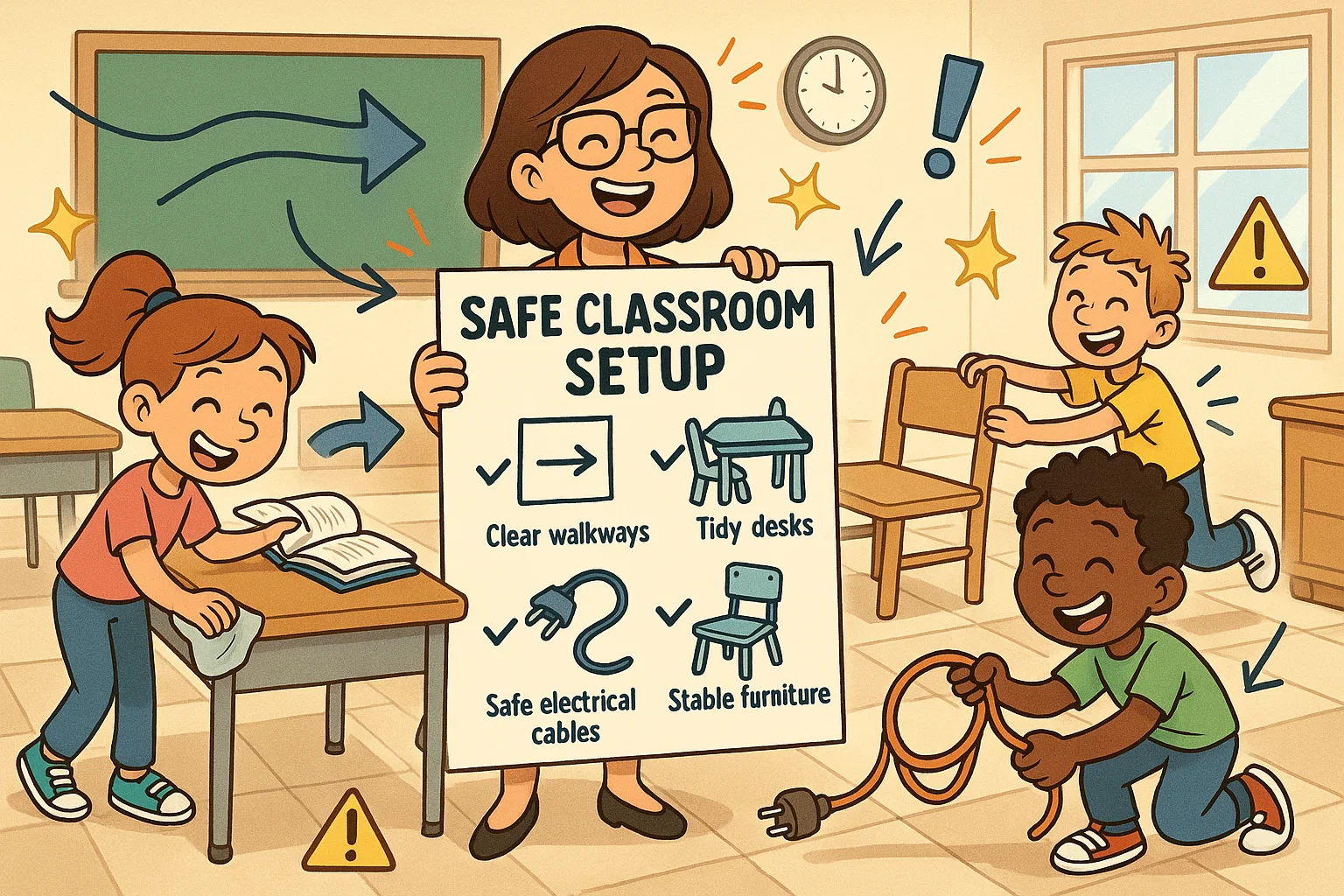
The physical setup and maintenance of the learning space are the responsibility of the school staff, but the classroom rules around these elements help both teachers and students maintain a hazard-free space.
Keep Desks and Gangways Clear
- Egress: Clear pathways are vital for daily movement and absolutely essential for rapid evacuation during a fire drill or other emergency.
- Preventing Trips: Clutter is a constant hazard. A simple rule is that nothing should be left on the floor near a walking path. This is a core part of assessing and managing the real risks of tripping and falling.
Maintain Furniture and Equipment Safely
- Stability Checks: Teachers and maintenance teams must regularly check chairs, tables, and storage units for stability. Loose screws or wobbling furniture are potential hazards that could injure a pupil.
- Proper Positioning: Heavy items and shelves should be secured to the wall. Desks should be arranged to maximize clear passage.
Manage Electrical Safety
Mismanaged electricity is one of the most common and serious safety issues in a classroom.
- Safe Use of Devices: All students should be taught to handle plugs and cables with dry hands.
- Cable Routing: Loose cables are a trip hazard. Teachers should ensure all cords for projectors or charging stations are taped down or routed safely along walls.
- Avoiding Overloaded Sockets: Use of power strips and extension cords must be closely monitored to avoid overloading circuits, which is a serious fire safety risk.
Monitor Ventilation and Temperature
Comfort and environmental factors significantly affect concentration and well-being.
| Environmental Factor | Safety/Comfort Consideration | Teacher Action |
| Air Quality/Ventilation | Preventing the spread of airborne illnesses; ensuring adequate oxygen. | Open windows when appropriate; monitor CO2 levels if possible. |
| Temperature | Preventing overheating or cold-related discomfort. | Adjust heating/AC; remind students to dress in layers. |
| Lighting | Reducing eye strain and ensuring clear visibility for movement. | Utilize natural light; ensure all light fixtures are working and the room is well-lit. |
| Asbestos | Identifying and leaving alone hazardous materials in older buildings. | They must also safeguard students by being informed about and adhering to school policies regarding known or suspected materials on school premises. |
Emergency Preparedness in Classroom
Being prepared to respond to an emergency is a shared responsibility, but the teacher’s role is critical. Clear emergency procedures and regular safety drills reduce panic and save lives.
Fire Safety Actions
- Knowing the Route: All teachers and students must know the primary and secondary evacuation routes and where the nearest fire alarm pull station is.
- Drill Behavior: During a fire drill, students must follow instructions immediately, line up quickly and quietly, and remain calm until the all-clear is given. This practice is why safety drills are crucial – they build muscle memory for a real crisis.
Lockdown and Shelter Procedures
Safety drills for different scenarios are essential for a secure learning environment.
- Lockdown: In the event of an intruder alert or a threat on the school premises, students must move away from windows, remain silent, and follow the teacher’s instructions to secure the room (locking the door, turning off lights).
- Shelter-in-Place: This procedure, often used for weather emergencies, requires students to gather in an interior room or hallway away from windows.
Handling Medical Situations
Teachers and support staff must be familiar with the first aid protocols and the medical needs of their students.
- Allergies and Medication: Teachers need to know which students have severe allergies and where their EpiPens are located, understanding the correct emergency procedures for administration.
- Reporting Illness: Students must be taught to immediately report symptoms of illness or any injury they or a peer sustain, no matter how small.
Teacher Instructions During Emergencies
During a real emergency, the authority and composure of the teacher are paramount.
- Staying Calm: A teacher’s calm demeanor directly influences student behavior. When the teacher is poised, students are more likely to stay focused and follow directions.
- Following Directions: In all cases, the safety of students improves when they listen carefully to teacher directions, which supersede all other classroom rules.
Communication Rules for Safety
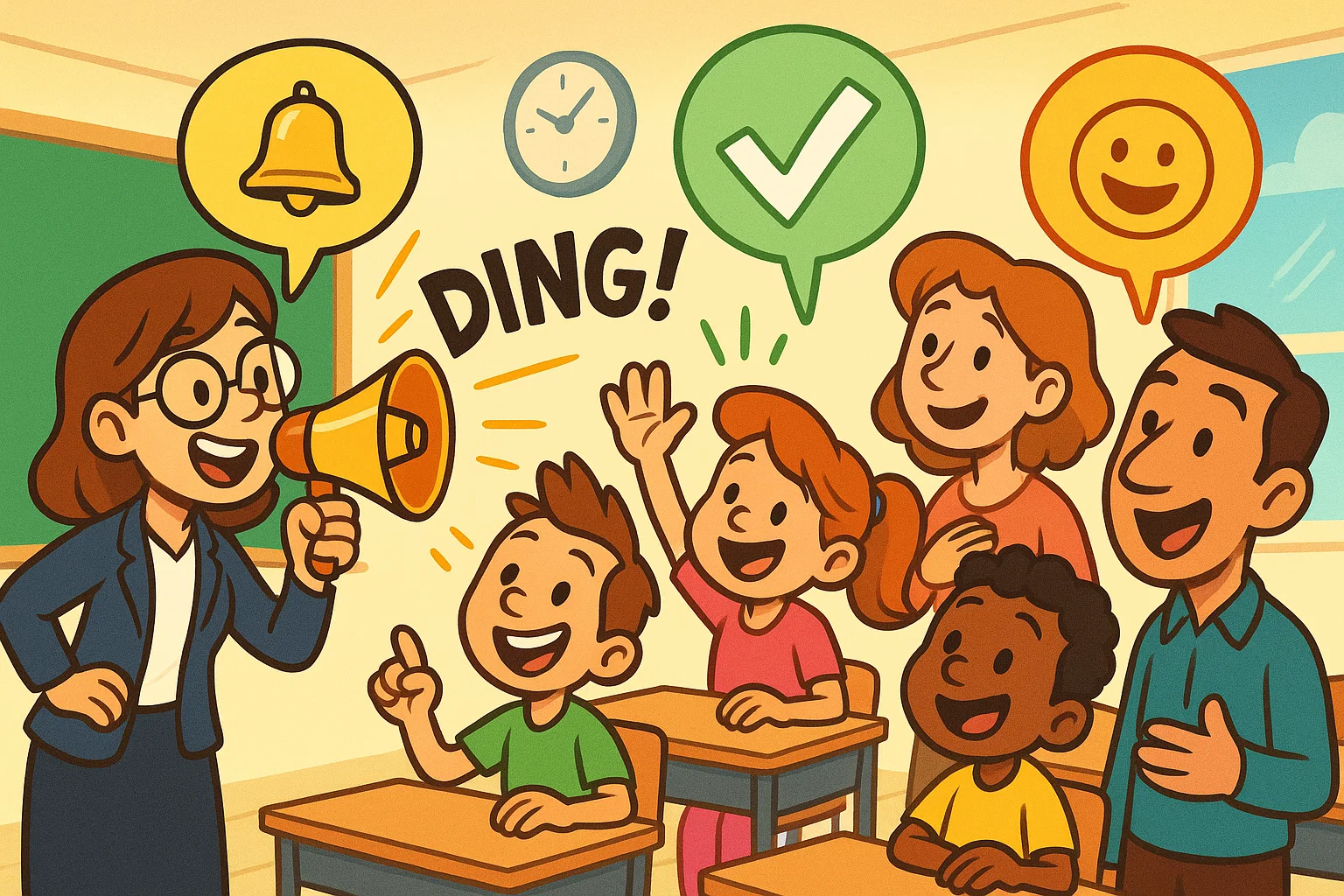
Effective communication across the school community – among teachers and students, parents, and peers – is a crucial element in maintaining security and addressing safety concerns.
Teacher-Student Communication
- Consistent Reminders: Establishing classroom routines that regularly include reminders about safety rules (e.g., before using science labs or leaving for recess) keeps the rules top-of-mind.
- Role Modelling: Teachers must consistently model the safe behaviors they expect from students, from walking in the halls to using equipment correctly.
- Communicate the Rules: Students understand that the rules exist for their protection when teachers take the time to explain the ‘why’ behind each safety measure.
Teacher-Parent Communication
- Timely Updates: Parents should be informed immediately about any new safety rules, changes to emergency procedures, or significant safety issues that arise.
- Notifications: Using school newsletters or online platforms to communicate about upcoming fire drills or other safety drills helps reduce confusion and anxiety at home.
- Collaboration: A strong partnership between teachers and parents is essential for ensuring consistency in expectations.
Peer Communication and Support
- Encourage students to support one another by gently reminding their peers of classroom rules (e.g., “Hey, remember to walk inside”) or to flag potential hazards for each other.
- Positive Reinforcement: Teaching students to offer positive reinforcement to peers who follow the rules encourages a collective culture of safety.
How to Display and Reinforce Classroom Safety Rules
Rules are only effective if they are visible, memorable, and consistently reinforced. Teachers and students must interact with the rules daily.
Creative Rule Displays
- Posters and Visual Cues: Use bright, easy-to-read posters with clear text and visuals. Icons and graphics are excellent for quickly conveying complex ideas to younger pupils or those with diverse needs.
- Digital Screens: Utilizing classroom technology to briefly display safety rules at the start of the day or before a new activity is a modern way to reinforce expectations.
Student Involvement in Safety Rules
- Participation: Allow students to have a say in how the rules are enforced or displayed. This sense of ownership significantly improves compliance and responsibility because students are more likely to follow rules they helped create.
- Safety Leaders: Assigning rotating “Safety Monitor” roles allows students to practice responsibility for their peers’ well-being.
Continual Reinforcement Techniques
- Repetition: Safety information must be revisited, not just at the start of the year, but regularly throughout.
- Small Rewards: Using non-material rewards (e.g., praise, a special privilege) as positive reinforcement when students demonstrate exemplary safety behavior can be highly effective.
- Rule Reminders Over Time: Weave safety discussions into daily lessons. For instance, before a science experiment, review the lab safety rules; before group work, review rules about respecting personal space.
Common Classroom Hazards to Address
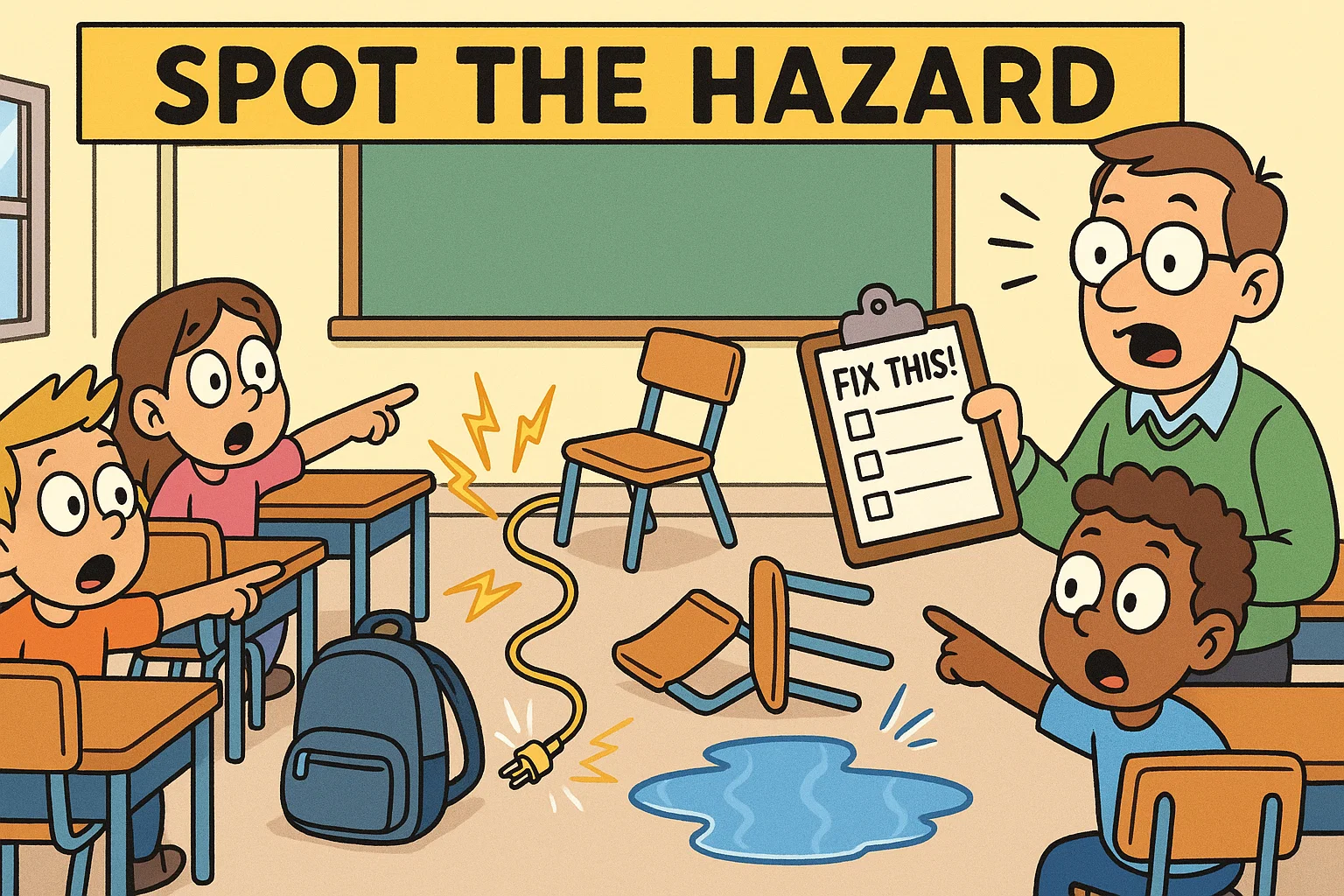
Teachers and students must work together to actively manage risks by identifying and mitigating common hazards. A proactive risk assessment is critical for maintaining a safe environment.
Movement-Related Risks
- Slippery Floors: Spills from water bottles or art supplies must be cleaned up immediately.
- Cluttered Pathways: A lack of clear pathways impedes rapid movement during an evacuation.
- Crowding: Monitoring the maximum occupancy and managing traffic flow, especially near entry points and supply stations, prevents collisions.
Electrical and Equipment Hazards
- Faulty Equipment: Never use school equipment with frayed wires, broken casings, or exposed components.
- Cables: Proper cable management is vital. Loose cables on the floor are real risks for tripping.
- Overloaded Power Sources: Teachers must enforce strict limits on the number of devices plugged into a single outlet or strip to prevent fire.
Fire and Heating Hazards
- Radiators and Heaters: Students must be kept away from hot surfaces to avoid burns.
- Fire Exits: All exit doors must be clear and operable at all times – no storage in front of them.
- Flammable Items: Flammable art supplies or chemicals must be stored securely and properly labelled, especially in specialist classrooms such as science labs or art rooms.
Environmental Factors
- Air Quality: Poor ventilation can lead to drowsiness and the rapid spread of illness.
- Poor Lighting: Insufficient or harsh lighting can cause headaches and make hazards harder to see.
- Sun Exposure: Blinds or curtains should be used to manage direct sunlight and glare, which can be a distraction or cause overheating.
Role of Teachers in Classroom Safety
Teachers are the primary implementers of school safety and the frontline in the duty of care. Their leadership and consistency are the cornerstones of a secure learning environment.
Proactive Hazard Checks
- Daily Inspections: The teacher should perform a quick, systematic check of the classroom before and after students arrive to look for tripping hazards, unsecured equipment, or maintenance issues.
- Reporting: All hazards, including structural issues like possible asbestos damage or general disrepair on the school premises, must be reported to the appropriate school staff immediately.
Clear Behavior Expectations
- Consistency is Key: Students know that you want them to be safe when the teacher consistently applies the same classroom rules to every pupil every day. Inconsistent enforcement breeds confusion and can lead to more safety issues.
- Positive Reinforcement: Focusing on positive reinforcement of safe behavior is far more effective than focusing solely on punishment for unsafe acts.
Inclusive Support for Students
- Adapting Instructions: Teachers must recognize that some students, particularly those with special needs, may require adapted safety rules or individualized instructions for drills and procedures.
- Mental Health Awareness: Being attuned to sudden changes in student mood or behavior can flag potential mental health issues or problems at home, allowing for early intervention by school staff.
Role of Students in Classroom Safety
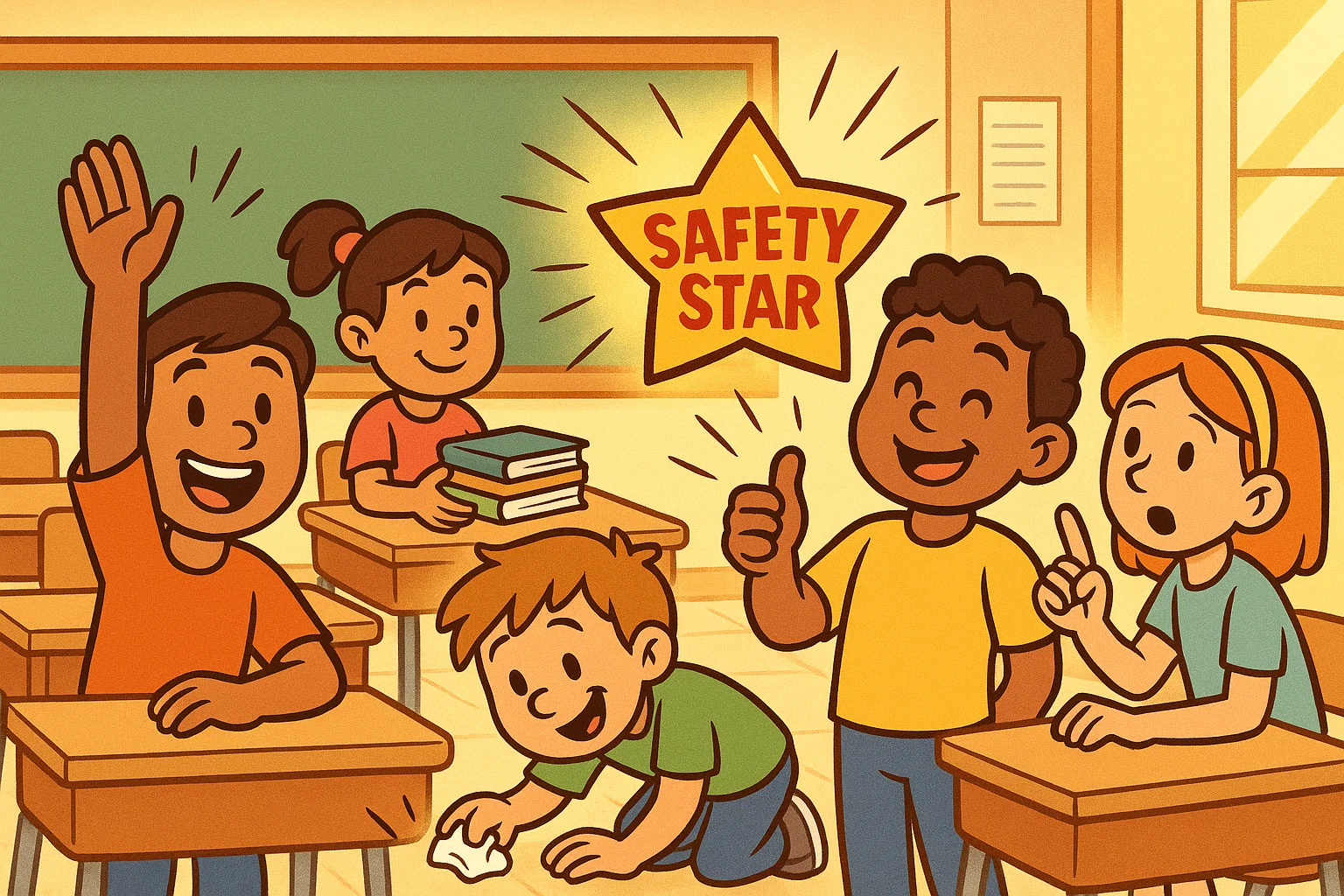
A truly safe and supportive environment requires active participation from the students alike. Students must understand and embrace their personal responsibility in maintaining a secure learning space.
Personal Responsibility Actions
- Rule-Following: The primary student responsibility is to adhere to all safety rules and classroom rules communicated by the teacher.
- Reporting Hazards: As mentioned, students are vital in identifying and reporting anything that could injure themselves or a peer.
- Helping Peers: Students should look out for one another and help peers remember to stay safe.
Safe Behavior Habits
- Focus and Cooperation: Students who remain focused on the task at hand and cooperate with the teacher’s directions are less likely to be involved in accidents.
- Awareness: Being constantly aware of one’s surroundings, especially when moving, is a critical habit for minimizing real risks. This is especially true when navigating areas like crosswalks near the school or when interacting with strangers – they must know to seek help from a trusted adult.
Participation in Safety Drills
- Practice Builds Confidence: Regular safety drills (fire, lockdown, etc.) normalize the emergency procedures so that if a real event occurs, students are prepared to respond calmly rather than panicking.
Role of Parents in Classroom Safety
Safety is a partnership, and parents are crucial collaborators with teachers in ensuring safety and well-being.
Health Monitoring Before School
- Reporting Symptoms: Parents should not send their child to school if they are showing symptoms of a contagious illness, which helps safeguard the health of the entire school community.
- Preparation: Ensuring children arrive at school with any necessary medication (like inhalers or allergy meds) and the correct attire for the weather reduces risk.
Reinforcing Rules at Home
- Consistent Messaging: When parents reinforce the importance of listening to authority, respecting peers, and following basic safety (e.g., proper handling of heavy backpacks), they significantly improve student behaviour at school.
Collaborating With Teachers
- Supporting Safety Plans: Parents should read and understand the school’s major emergency procedures and safety rules so they can support them at home.
- Open Communication: Maintaining open communication with the teacher regarding any changes in the child’s home life or emotional state allows the school staff to provide necessary support.
Case Examples of Effective Classroom Safety Systems
Effective safety systems are not theoretical; they are seen in action through preparation, procedure, and clear communication.
Example of Emergency Plan Success
A middle school implemented a new, highly visual “Run, Hide, Fight” protocol for their intruder drill. Teachers used creative rule displays and regularly practiced the lockdown procedure without warning. During a real-life lockdown situation, the children immediately knew to move to the secure corner of the room and remain silent. This well-practised drill prevented confusion, allowing the school staff and police to manage the situation safely. The successful outcome highlighted how consistent practice of emergency procedures is key to ensuring the safety of every pupil.
Example of Hazard Reduction Program
A primary school noticed repeated tripping incidents on their main staircase. The school staff initiated a “Red Flag Inspection” program where support staff and teachers conducted structured daily hazard inspections, focusing on common movement-related risks. They found a loose handrail and inconsistent placement of student projects in the stairwell. Fixing the handrail and establishing classroom rules for project storage immediately cut the number of tripping accidents by over 80%. This example shows the value of assessing and managing specific, realistic risks.
Example of Teacher-Parent Collaboration
A first-grade teacher was concerned about a pupil who was consistently refusing to follow instructions and displaying disruptive student behaviour, impacting the classroom’s safe environment. The teacher initiated open communication with the parents, explaining the behavior and their concern for the student’s emotional and physical safety. The parents revealed the child was struggling with anxiety over a recent family move. By working together, the teachers and parents developed a visual schedule and a “safe spot” in the room for the student, improving the child’s feeling of psychological safety and dramatically reducing the disruptive behavior.
FAQ on Classroom Safety Rules
Most Common Safety Rules
Typical school safety rules revolve around movement, respect, and preparedness. These include:
- Always walk, never run, inside the building.
- Keep hands, feet, and objects to yourself.
- Always ask for permission before using specialized equipment or leaving the classroom.
- Listen carefully to all instructions from teachers and students alike, especially during a drill.
- Report any injury, illness, or hazard to a trusted adult immediately.
General Safety Rules for Students
Universal safe behaviors are built on the principles of caution, respect, and adherence to authority. Students are more likely to stay safe when they:
- Listen to and promptly follow instructions from all school staff.
- Use caution and awareness when moving, especially around potential hazards like electrical equipment.
- Show respect for the personal space and feelings of their peers to prevent conflict.
- Communicate the rules and their concerns to an adult when something feels unsafe.
How Children Stay Safe in School
Children stay safe in school primarily by actively participating in the safe and supportive environment created by the school community. This includes:
- Following established classroom rules and emergency procedures.
- Knowing how to respond calmly during a fire drill or lockdown.
- Understanding and practicing safe behavior habits like not talking to strangers on the school premises and being safe at crosswalks when arriving or leaving.
- Knowing that their teachers and other support staff are available trusted adult figures whom they can approach with any safety concerns.

Take a short quiz to find out what your everyday choices say about your parenting style
When your child is curious about something new, what’s your instinct?
Take a short quiz to find out what your everyday choices say about your parenting style
“Can I download this app?” What happens next?
Take a short quiz to find out what your everyday choices say about your parenting style
When it comes to rules at home, which sounds most like you?
Take a short quiz to find out what your everyday choices say about your parenting style
If you could give your child one life skill today, what would you pick?
Take a short quiz to find out what your everyday choices say about your parenting style
Your child gets to choose what to watch. What would your ideal setup look like?
Take a short quiz to find out what your everyday choices say about your parenting style
Pick your parenting superpower ✨