
Welcome Bulletin Board Decoration Ideas for School

 Discover a Free Education Video App for Kids
Pastory uses AI to personalize educational video content based on your child’s interests and personality. Safe, engaging, and built for curious young minds. Sign up now to stay updated and enjoy early access with a free trial
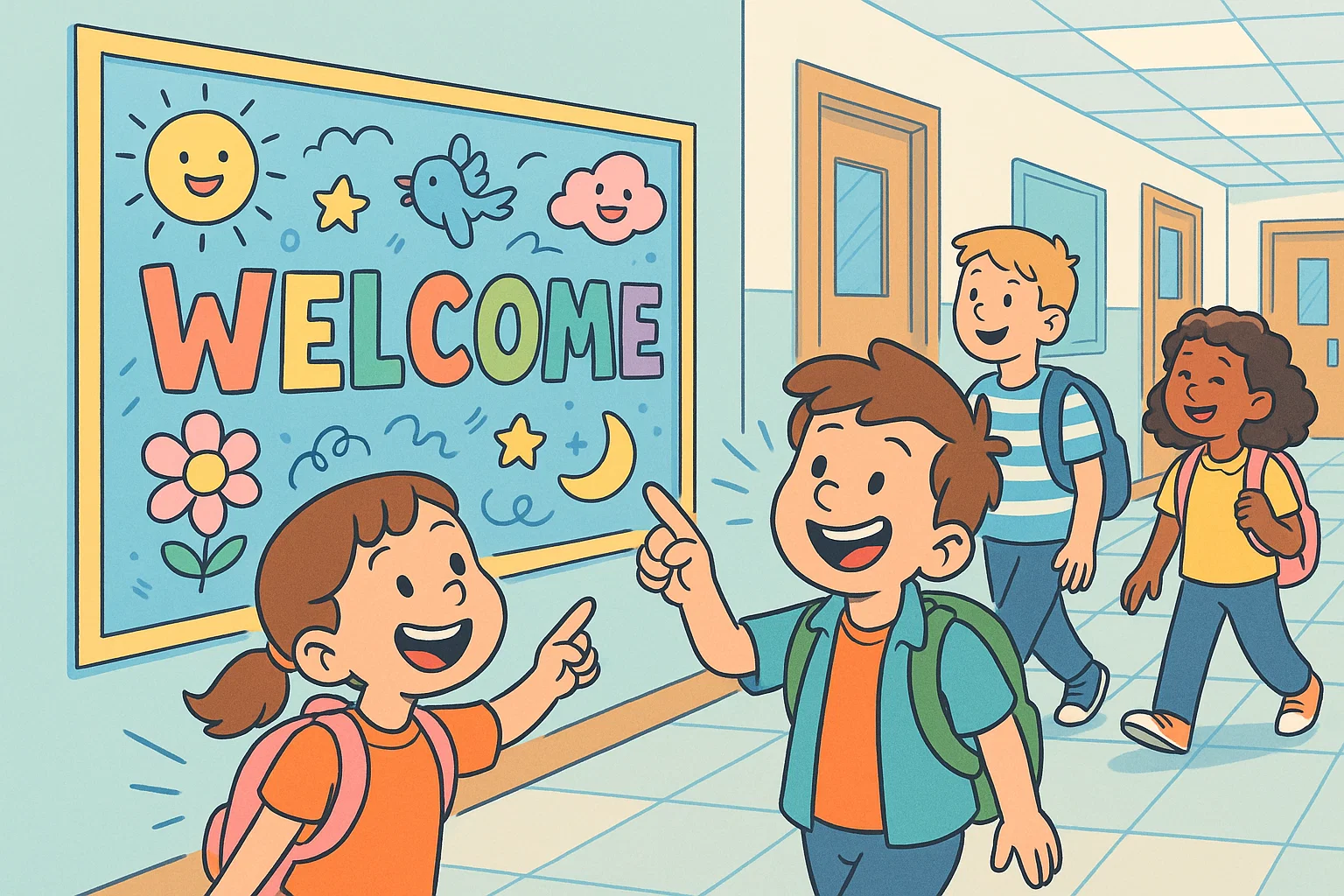
The start of a new school year brings excitement, opportunity, and plenty of preparation. Creating a welcoming classroom environment is essential, and few elements set the tone better than a vibrant bulletin board. These displays are more than decoration—they act as visual anchors that communicate the spirit, expectations, and energy of the learning space.
This guide helps educators design imaginative, engaging, and high-quality classroom décor. Whether you need simple back-to-school ideas, unique bulletin board themes for different grade levels, or inspiration for a specific subject area, you’ll find a curated collection of concepts here. From playful seasonal boards to motivational themes and creative alternatives to traditional displays, these strategies will help your welcome board become a meaningful tool for connection and learning from day one.
Welcome Bulletin Board Decoration Ideas for Elementary
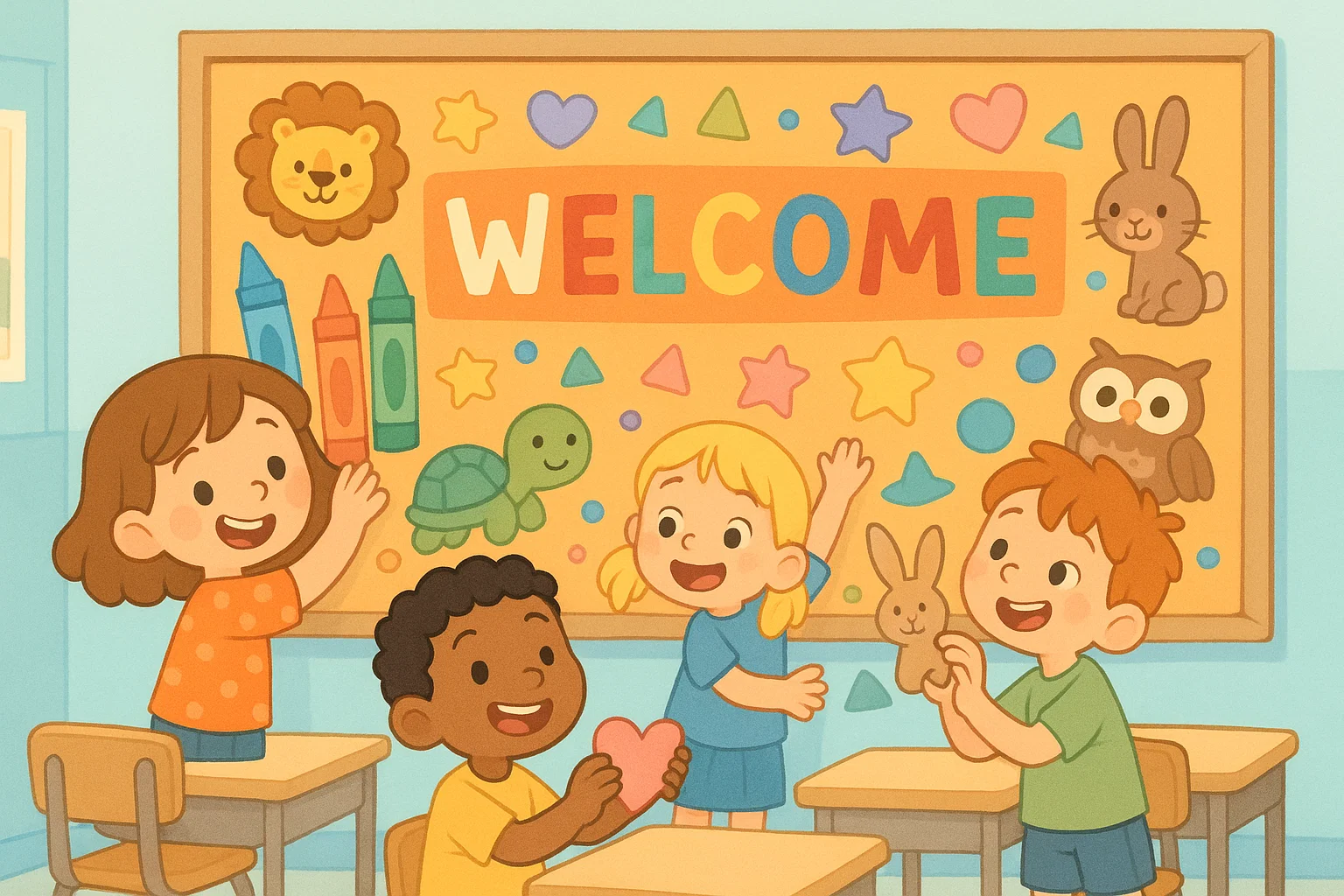
Elementary school classrooms require classroom decorations that are bright, playful, and instantly recognizable to young learners. When students return to the classroom, the bulletin board should feel warm and inviting, helping to ease the transition after a break. When you decorate your classroom, focus on colors and shapes that resonate with this age group, typically ages 5-11. Incorporating elements that can be touched or that feature the students themselves is a highly effective way to help students feel ownership over their new space.
Colorful Character Themes
Using familiar, friendly characters or mascots is an excellent way to create a warm and engaging classroom atmosphere for young learners. Think about universal appeal—friendly monsters, smiling animals, or even abstract, superhero figures that represent class values. A superhero theme, for instance, allows you to welcome your students back with phrases like, “Our Super Students Are Back in Action!” utilizing bright colors and cutouts of capes and masks. This approach uses imagination to frame learning as an adventure.
School Supplies Lettering
What better way to celebrate the new school year than by utilizing the very tools students will be using? This creative bulletin board idea involves using actual school supplies—or realistic construction paper cutouts of them—to spell out your welcome back phrase.
| Material Used | Welcome Message Example | Learning Connection |
| Pencils/Crayons | “Ready to Write a New Chapter!” | Literacy, creativity |
| Scissors/Glue Sticks | “Let’s Stick Together and Create!” | Teamwork, fine motor skills |
| Rulers/Math Tools | “Measuring Up to a Great Year!” | Numeracy, goal setting |
| Books/Apples | “Welcome to Our Learning Patch!” | Reading, general knowledge |
This simple bulletin board design is visually striking and instantly relevant to the school environment.
Nature and Animal Designs
Nature-themed classroom bulletin boards are timeless and offer wonderful opportunities for seasonal transitions. You could design a board that is a “Beehive of Activity” using yellow and black construction paper and little bee cutouts, or a “Fluttering Into Learning” theme with butterflies. These designs are visually appealing, calming, and offer subtle links to science and the natural world, which can easily be transformed into a fall bulletin later in the year.
Puzzle or Shape-Based Layouts
For younger elementary grades, using simple shapes, puzzles, or geometric cutouts to form the background or borders can subtly reinforce early learning concepts. A good bulletin board could feature interlocking puzzle pieces, where each piece is a student’s name, signifying that “Every Piece Matters.” This not only looks great but also promotes the idea of class community and the importance of each individual.
Interactive Elements
An interactive bulletin board is the gold standard for elementary engagement. Instead of just looking at the board, let students manipulate it.
- Pockets: Create small pockets, each labeled with a question or an activity (e.g., “Tell us about your summer”). Students can place their written responses inside.
- Movable Pieces: Use Velcro or magnets on small elements, allowing students to match facts, let students move their name from a “Summer Fun” section to a “Ready to Learn” section, or complete a class survey.
- Student Name Cards: A simple, yet effective, method is creating a board where the message is “We Are So Happy to Have You Back!” and students’ names are displayed prominently, making them feel seen and valued from the day of school.
When children see their own names and contributions prominently displayed, it transforms the space from ‘the teacher’s room’ into ‘our classroom’ a critical step in building a positive class community.
Welcome Board Decoration Ideas for High School
The back-to-school bulletin board for high school students (ages 14-18) needs to be fundamentally different from elementary designs. These designs should be modern, minimalistic, motivational, and relevant to teenage culture, often embracing a more mature and sophisticated aesthetic. The goal is to inspire students without seeming overly simplistic or childish. A successful high school board encourages engagement but respects their desire for style and substance.
Chalkboard-Style Aesthetic
This design utilizes a dark, often black or deep charcoal background (like a traditional chalkboard) paired with bright white or vibrant lettering that mimics chalk script. It’s sleek, sophisticated, and popular in modern design. The look is achieved with vinyl letters or simple white construction paper letters on a black fabric backdrop. This approach helps to decorate your classroom with a timeless, academic feel.
Memes or Wordplay Themes
High schoolers respond well to humor and irony. Using school-appropriate memes or clever, relatable wordplay can make the board instantly engaging. For example:
- “Warning: May Contain Learning and Good Vibes”
- “Level Up Your Future (School Edition)”
- “The Only Place Where Homework is Our Side Quest”
This approach shows students that you understand their world, fostering a quick connection. Be cautious, though—memes evolve rapidly, so ensure your choices are current!
Polaroid or Photo Wall Concept
This concept involves setting up a stylish area that mimics a photo gallery. You can use simple string, tiny clothespins, and photo frames (made from construction paper) to feature:
- Pictures from previous years (for returning students).
- Inspirational images related to class subjects or career paths.
- “Meet the Teacher” photos with fun facts.
In the first week, you can include a space where students can take a quick photo (with permission) (with permission) and add it to the “wall” to welcome students back to school and instantly start building a class community.
Abstract or Artistic Concepts
Appeal to the teen interest in visual art and design by using abstract prints, bold color blocking, or layouts that mimic modern art. Think: geometric shapes, brushstroke patterns, or minimalist typography. This creates a visually stimulating environment without being cluttered, making your bulletin board design look more like gallery art than a school display.
Weekly Reminders Board
A highly functional and respected bulletin board that’s tailored for older students is one that combines practical utility with motivation. Divide the board into clear sections:
- This Week’s Focus: Key deadlines or concepts.
- Growth Mindset Goal: A short, powerful quote or challenge (growth mindset bulletin board).
- Upcoming Events: Sports, clubs, or academic deadlines.
- Student Shout-Out: A space for anonymous or named positive affirmations from peers, encouraging a positive school spirit.
This board is a valuable resource, not just a decoration, helping students organize their thoughts and stay on track for the entire school year.
Preschool Welcome Board Ideas
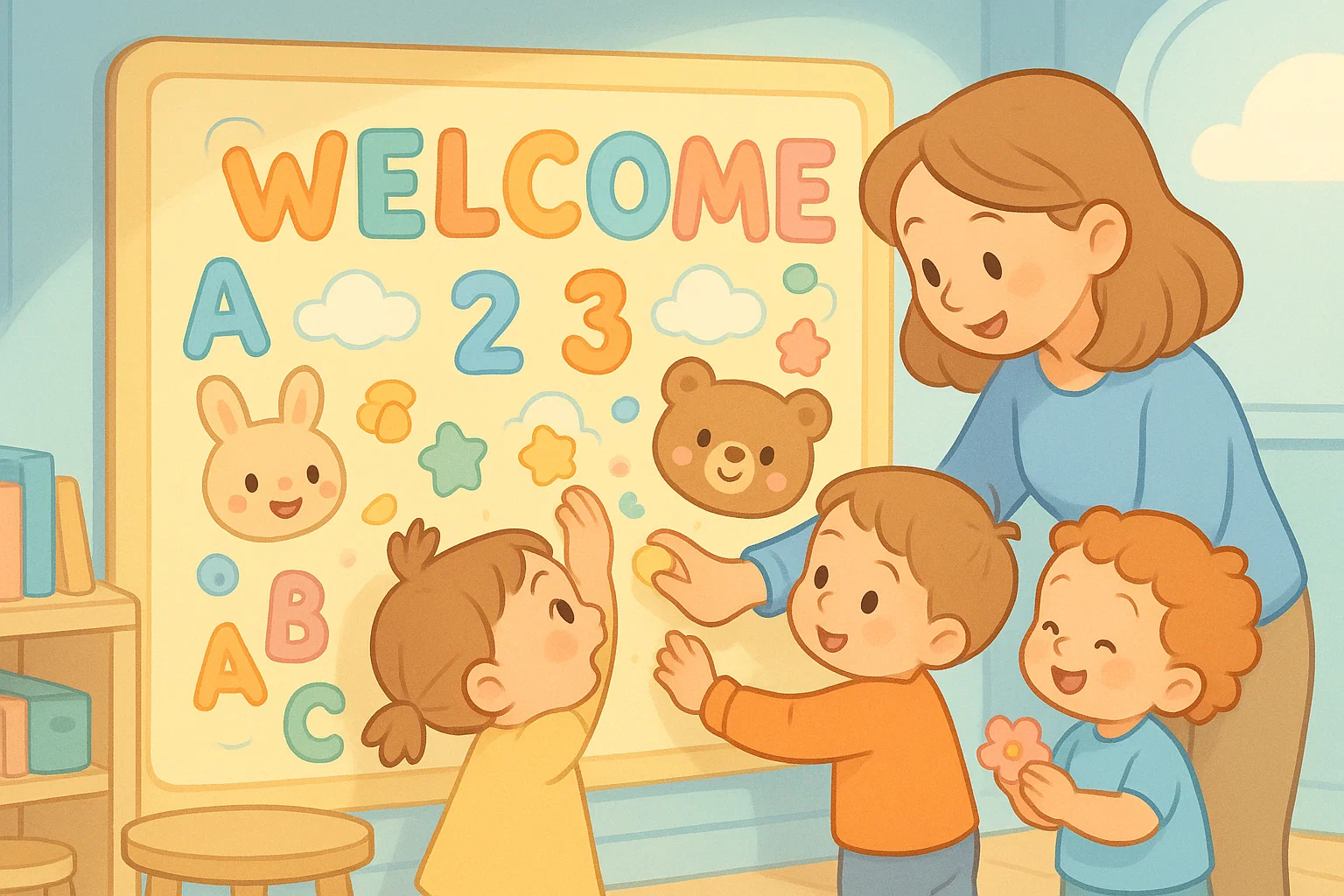
Preschool welcome board designs should prioritize simplicity, large, recognizable visuals, and soft, comforting colors. The goal is to make the classroom feel safe, inviting, and stimulating for the youngest learners, often ages 3-5. Text should be minimal, focusing on large bulletin board letters that are easy to see and read.
Shape-Based Welcome Board
For early learners, focus on basic shapes. Create a good bulletin board using simple circles, stars, hearts, or clouds as the primary design elements. The shapes can be large and brightly colored, each containing a student’s name. This simple act subtly reinforces shape recognition. For example, a “Cloud of Happy Learners” board with names written on fluffy white cloud cutouts.
Alphabet or Number Themes
A learning bulletin board that welcomes and teaches simultaneously is ideal. Create a border using the letters of the alphabet or the numbers 1-10. The center can feature a welcome student message. This is a foundational visual aid that is utilized every day of school.
Friendly Animal Themes
Use easy-to-recognize and non-intimidating animals like bees, ducks, ladybugs, or smiling caterpillars. These gentle figures help children feel comfortable. A line of construction paper ducklings following a parent duck, each duckling bearing a child’s name, is a classic, comforting visual.
Soft Pastel Color Themes
Unlike the high contrast needed for older students, preschool boards benefit from soft pastel backgrounds and gentle color palettes (light blues, pale greens, soft yellows, etc.). These colors are calming and less overwhelming for new students who might be experiencing separation anxiety on the first day of school.
Teacher Welcome Board Ideas
Bulletin boards aren’t just for students. Staff-focused boards can significantly boost morale, improve communication, and reinforce a positive, collaborative environment among educators. These boards are usually located in the staff room, department hallways, or a communal teacher lounge.
Teacher Gratitude Board
A space dedicated to appreciation can have a profound impact. Use a simple, elegant design—perhaps a chalkboard-style aesthetic—and title it “Our Village: A Place for Thanks.” Include small notepads and pens so teachers or administrators can leave anonymous or signed notes of appreciation for their colleagues. This is a powerful, low-effort way to foster a supportive class community.
Staff Achievements Board
This board focuses on celebrating professional and personal milestones:
- Milestones: Years of service, completing a new degree, attending a major conference.
- Birthdays: A simple calendar or list of monthly birthdays.
- Recognitions: Shout-outs for exceptional teaching or contributions to school spirit.
This elevates the visibility of staff efforts, serving as a constant source of positive reinforcement.
Staff Shout-Out Corner
This functions similarly to a student interactive board but is focused on peer-to-peer acknowledgment. Teachers use pre-made cutouts (like gold stars or trophies) to write kudos for a coworker who went above and beyond that week. This encourages active peer support and a culture of positivity.
Collaboration Board
A functional board in a department area can be used for ongoing planning and idea sharing. Sections could include:
- “Curriculum Ideas for Next Month”
- “Technology Tips & Tricks”
- “Need Help With…”
- “Great Resources I Found”
This transforms the bulletin board from a passive display into an active, helpful tool for teacher teamwork and professional development.
Creative Welcome Board Decorations

For the teacher who wants to go beyond flat construction paper and make their bulletin board display truly memorable and unique, incorporating different textures and materials is the key. These methods elevate the classroom decorating process to an art form.
3D Decorations
Adding dimension instantly makes a board more visually compelling.
- Layered Paper: Use different thicknesses or colors of paper/cardstock to create layered bulletin board letters or images. For example, making layered paper flowers that physically pop off the board.
- Foam Shapes: Use craft foam to create raised, textured shapes like stars, apples, or small animals.
- Pom-Poms/Tassels: Use yarn to create decorative borders, tassels, or pom-poms for a tactile, soft element, especially appealing for a preschool welcome board idea.
Crochet and Fiber Art Pieces
For the craft-minded educator, soft elements like yarn or felt can introduce a cozy, homemade feel. A border made of simple braided yarn or small crocheted flowers can add significant warmth. Felt cutouts—which are more durable than paper—can be easily swapped out for seasonal updates.
Painted or Hand-Drawn Art
Instead of relying solely on pre-printed materials, use the background fabric or paper as a canvas. Hand-painted brushstrokes, simple borders, or even an entire mural can be achieved with acrylic paints. This makes your welcome board truly one-of-a-kind. For a growth mindset bulletin board, you could hand-paint a winding road or a mountain range, symbolizing the journey of learning.
Collage and Mixed Materials
A collage approach uses a variety of materials for a visually rich effect. Combine:
- Fabric Scraps: Use burlap, denim, or patterned cotton for unique backdrops or lettering textures.
- Magazine Cutouts: Use vibrant images to create a themed mosaic.
- Old Books/Maps: Use pages from discarded materials to create interesting, academic-themed borders or lettering.
This is a fantastic way to make your new bulletin board reflect your personality and artistry.
Theme-Based Welcome Board Ideas
Classroom theme ideas are foundational to classroom decorating as they provide a consistent framework for all your visual elements throughout the entire school year.
Space Theme
The cosmos offers endless creative ideas for motivation.
- Title: “Blast Off Into a New Year of Learning!” or “The Future is Stellar!”
- Visuals: Rockets, planets (use glow-in-the-dark stars!), and astronauts. Use dark blue or black backdrops.
- Motivation: Encouraging students to “reach for the stars” and see learning as an exploration, making it a perfect growth mindset bulletin board.
Superhero Theme
This theme is inherently positive and action-oriented.
- Title: “Our Class is Full of Superheroes!” or “Unleash Your Superpowers (Your Brain!)”
- Visuals: Comic book cutouts, speech bubbles, bold colors (red, yellow, blue), and masks. Let students design their own superhero emblem to post.
- Motivation: Focus on character strengths—kindness, focus, perseverance—as the true “superpowers.”
Video Game Theme
Appealing to a wide range of ages, this concept is perfect for a fun bulletin board.
- Title: “Ready to Level Up Our Learning!” or “Achieve the Next Level!”
- Visuals: Pixel art, “health bars” that track class goals, cutouts of controllers, or classic coin block cutouts.
- Motivation: Learning is framed as a series of achievements and growth, where mistakes are just part of the “game” of getting better. This encourages students to take part in setting their own goals.
Seasonal Themes
Having bulletin boards that transition with the seasons is a natural, organic way to keep the environment fresh.
- Fall Bulletin: Pumpkins, leaves, cozy sweaters, apples. Focus on “Harvesting Knowledge.”
- Winter: Snowflakes, polar animals, mittens. Theme: “Winter Wonderland of Wisdom.”
- Spring: Flowers, rain boots, umbrellas. Theme: “Blooming with New Ideas.”
- Summer: Simple, bright, and focused on anticipation for the next year.
Subject-Based Welcome Board Ideas
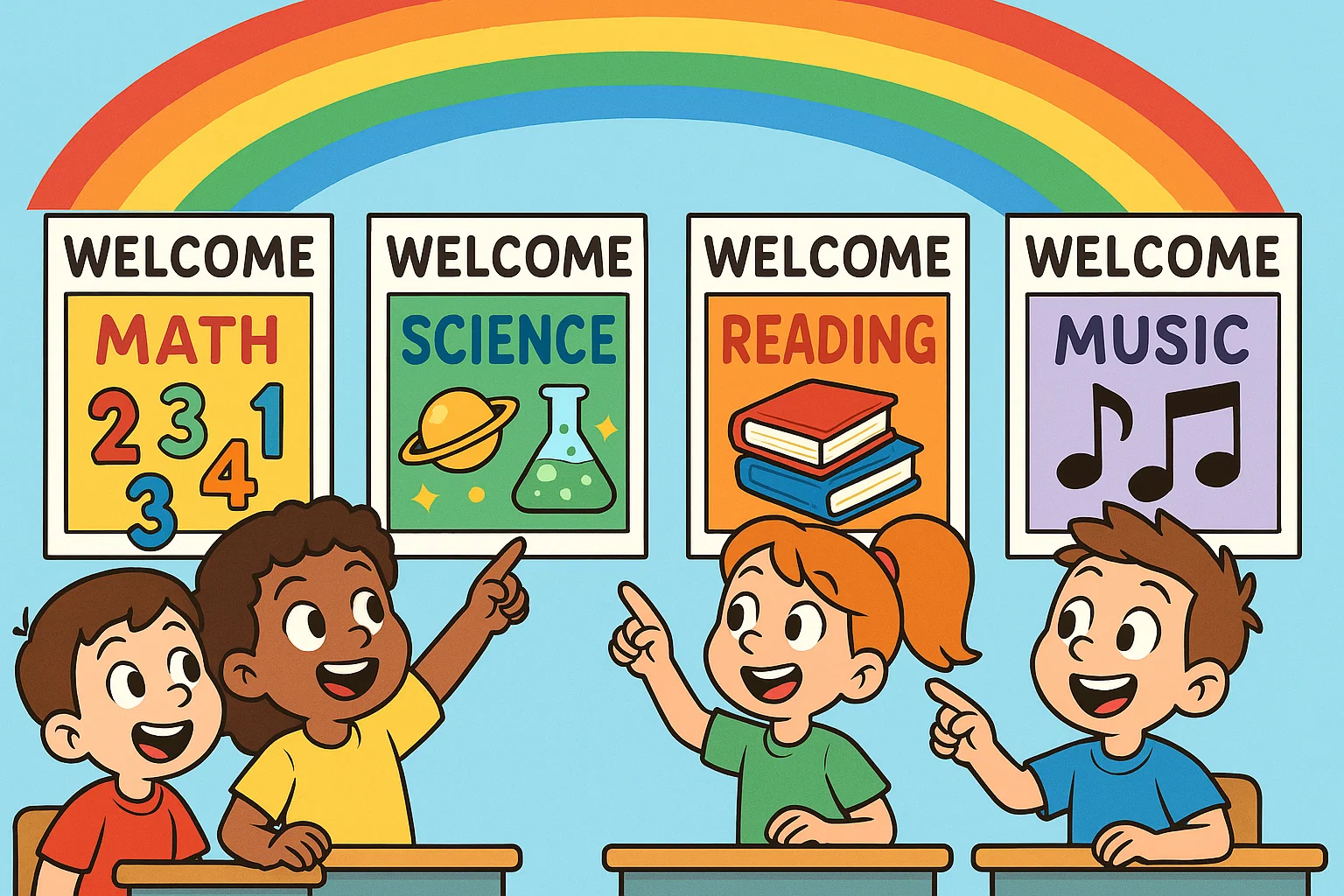
Tailoring the bulletin board to the specific subject can instantly set the right tone for a specialized classroom. These boards can be highly effective at the secondary level but are also great for elementary subject teachers.
Math Board
- Visuals: Geometric shapes, graph paper background, large equation cutouts (e.g., E=mc2 or the Pythagorean theorem, if age-appropriate), and abacus beads.
- Message: “Let’s Solve for Success!” or “Math: Where Problems Equal Possibilities.”
Science Board
- Visuals: Beakers, DNA helices, planets, atoms, and lab safety icon cutouts.
- Message: “Welcome, Young Scientists! Let’s Explore the World Around Us.” or “The Only Impossible Journey is the One You Never Begin.”
Reading Corner Board
- Visuals: Stacks of books, classic character silhouettes, or a cutout of a famous reading setting (like a castle or a forest).
- Message: “Open a Book, Open Your Mind.” or “Welcome to Our Next Chapter.” This is a perfect bulletin board for a library or English language arts classroom.
Music Board
- Visuals: Musical notes, instrument silhouettes (guitars, piano keys), rhythm lines, or staff paper background.
- Message: “Strike a Chord This Year!” or “Welcome to Our Symphony of Sound.”
Art Room Board
- Visuals: Paint splashes, palettes, brushes, abstract shapes, or a collage and mixed materials approach.
- Message: “Create Something Amazing Today.” or “Welcome to Our Creative Zone.” Include a simple art prompt to get students creating immediately.
Alternatives to Standard Welcome Boards
Wall space, budgets, or school rules sometimes limit the use of traditional, large bulletin boards. Fortunately, there are many creative, functional substitutes that can still welcome students effectively.
Clipboard Wall
Instead of a large, static board, mount a grid of attractive clipboards (matching colors or patterns) on a wall or door. Each clipboard can hold:
- A student’s welcome note or drawing (easy to replace).
- Rotating examples of student work (a great way to display work immediately).
- A small welcome back to school message on one central board.
This is a flexible, modern, and practical way to create a dynamic display.
Door Decoration Board
The classroom door itself is prime real estate for a welcome board. Transform your entire door into the display. A superhero class can have a door that looks like the entrance to a “Hall of Justice.” This creates a powerful, high-impact display, especially at the beginning of the school year.
Fabric-Based Hanging Panels
Purchase durable, wrinkle-resistant fabric (like felt, burlap, or heavy canvas) and hang it from a dowel rod like a scroll. These last longer than paper, don’t wrinkle, and can be easily rolled up for storage. This is a durable, long-term way to decorate your classroom.
Portable Freestanding Boards
Utilize easels, tri-fold foam stands, or rolling carts with magnetic surfaces. These can be moved into the hallway on the first day to welcome your students back and then placed in a less-visible corner inside the classroom, offering flexibility and saving wall space.
Tips for Creating School Welcome Boards
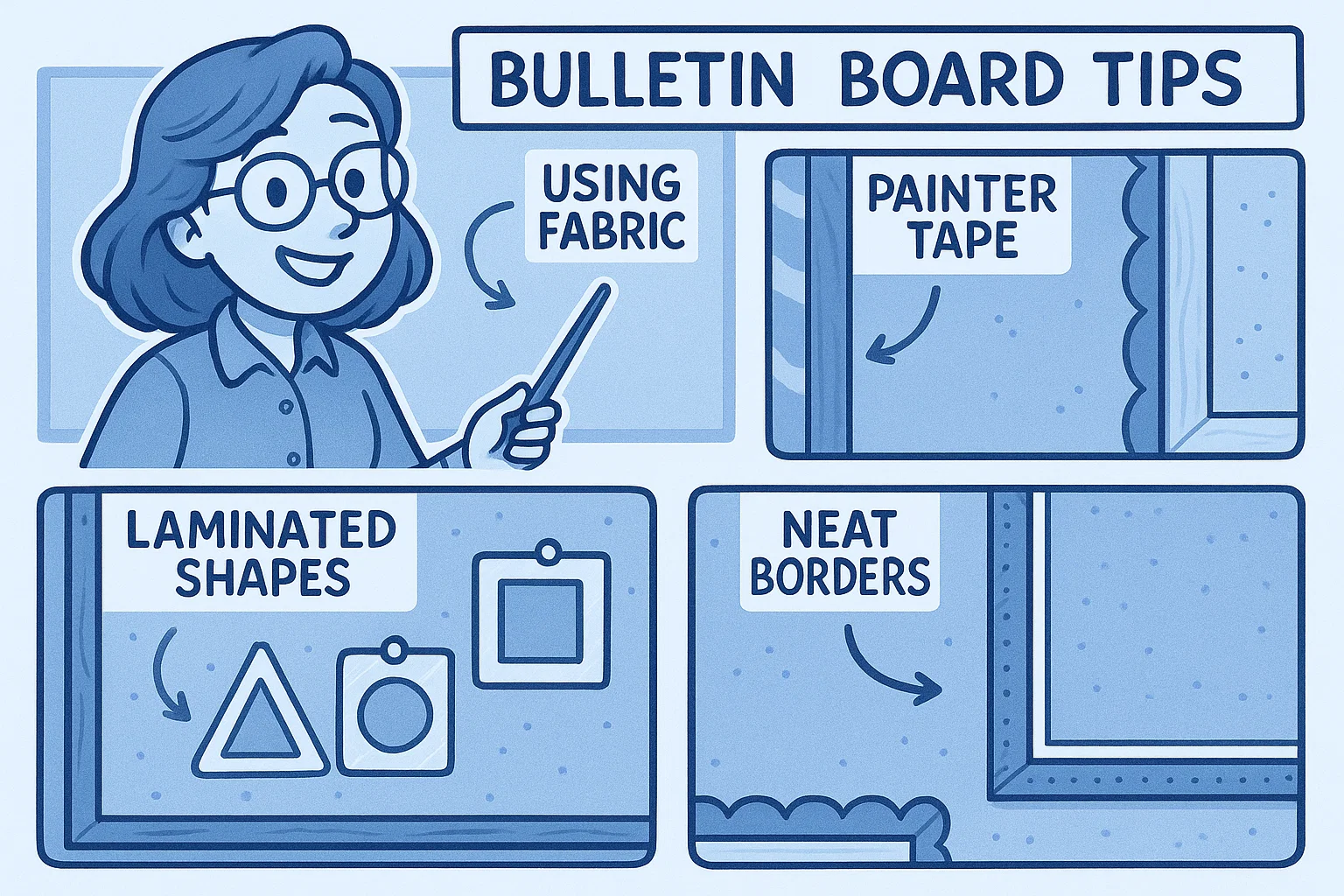
Making your bulletin board idea come to life effectively requires practical knowledge about materials and longevity. These tips will help ensure your new bulletin board is durable and high-quality.
Use Durable Fabric Instead of Paper
While construction paper is the standard, a fabric backing (like felt, fleece, or thin cotton) will:
- Resist Wrinkles: It stays taut and professional-looking all year.
- Hold Color: Fabric colors don’t fade or look worn as quickly as paper.
- Be Reusable: You can take it down, store it, and use it again next year.
This simple material swap instantly improves the quality and lifespan of your bulletin board display.
Use Painter’s Tape For Clean Lines
When adding borders or creating geometric layouts, use low-tack painter’s tape to mark your lines before applying glue or staples. This ensures straight, professional-looking borders and helps you center your bulletin board letters perfectly.
Laminate Elements for Reuse
Laminating cutouts, bulletin board letters, and other key graphic elements provides a polished finish and allows for multiple years of use. This is especially helpful for a seasonal template or a large bulletin board set that represents a significant time investment.
Add Student Participation
A key to creating a successful welcome board is to give them a stake in it. On the first day of school, have students write their name on a construction paper star or leaf and personally pin it to the board. This is a highly effective way to get students involved and make them feel immediately welcome.
Benefits of Welcome Boards for Students
Beyond aesthetics, a thoughtfully designed classroom bulletin board plays a crucial role in a child’s psychological and educational well-being. It’s a powerful tool for setting a positive, engaging, and supportive atmosphere.
Stimulates Interest
A vibrant, well-designed display is visually stimulating and instantly attracts attention, especially on the first day of school. This excitement translates into curiosity about the learning environment. High-quality visual elements in the learning environment can reduce anxiety and increase children’s willingness to approach new material.
Boosts Class Engagement
An interactive bulletin board encourages physical and mental curiosity. When the board requires action—moving a piece, leaving a note, or answering a question—it transforms a passive wall into an active learning center. This fun bulletin board approach makes learning a hands-on experience and helps get students thinking critically.
Supports Student Involvement
By including students’ photos, names, or samples of student work (even simple first-day drawings), the board communicates a fundamental value: you are important here. This level of personalized recognition helps students feel valued and encourages them to take responsibility for their learning space.
Encourages Positive Classroom Culture
A growth mindset bulletin board or a board focused on kindness, teamwork, and respect (e.g., “We Are a Team of Learners”) sets the moral and social tone for the year. The visuals become a constant, non-verbal reinforcement of expected behavior and positive values, providing a perfect way to welcome students into a supportive class community.
Welcome Board Decoration FAQs
How to Make a Board Look Attractive?
The secret to a visually attractive bulletin board display is professional execution of design basics:
- Color Balance: Use no more than 3-4 primary colors. A neutral background allows bright cutouts to pop.
- Composition: Place the main title and most important visuals in the center (focal point).
- Layering: Layering paper, borders, and images adds professional depth.
- Use a Border: Always finish the edge with a clean, complementary border—it frames the entire piece.
How to Build a Classroom Welcome Board?
Follow these steps for a high-quality result:
- Background: Secure the background fabric or paper tightly (use a staple gun sparingly or tacks).
- Border: Add a border to hide the edges of the background material.
- Lettering: Pin or staple the main title (bulletin board letters) in the center. Ensure it is straight!
- Layout: Arrange your key visuals (cutouts, pictures, etc.) to create visual balance before securing them.
- Accessories: Add interactive elements or student work last.
How Often to Update Themes?
A bulletin board should remain fresh and relevant, but full overhauls are time-consuming.
- Full Update: 3–4 times per school year (e.g., September, December, March, June).
- Partial Update: Monthly refreshes by swapping out smaller graphics, student work, or quotes within the existing classroom theme.
- Weekly Update: Use a small section for rotating announcements, student “stars of the week,” or quick interactive bulletin challenges.
What to Include in a Welcome Board?
A high-value, comprehensive welcome board can include:
- A Warm Welcome Message: E.g., “Welcome students back to school!”
- Class Names/Photos: To personalize the space.
- Visual Theme: Graphics, cutouts, or a template that reflects the class theme.
- Class Rules/Goals: (Especially for older students) to set expectations immediately.
- A place for student work—this can be as simple as a section titled ‘Future Masterpieces.’
How to Choose a Back-to-School Bulletin Board Idea for the Beginning of the Year?
Select a theme that sets the tone for the new year—something motivational, seasonal, or a simple back-to-school bulletin board idea that helps build warm, inviting classroom decor. Consider your students’ age group and the overall atmosphere you want to create.
What Are Some Easy Bulletin Board Ideas Teachers Can Use to Welcome Students Back?
Try simple school bulletin board ideas like ready-made templates, colorful cutouts, themed backgrounds, or a name-based welcome board. These easy bulletin board ideas help decorate your classroom walls quickly while creating a positive, welcoming atmosphere.
How to Create a Bulletin Board That Motivates Your Students?
To truly motivate your students, include inspiring quotes, weekly goals, student achievements, or themed visuals related to your subject. A thoughtful school bulletin transforms the display into an engaging tool that encourages growth and participation

Take a short quiz to find out what your everyday choices say about your parenting style
When your child is curious about something new, what’s your instinct?
Take a short quiz to find out what your everyday choices say about your parenting style
“Can I download this app?” What happens next?
Take a short quiz to find out what your everyday choices say about your parenting style
When it comes to rules at home, which sounds most like you?
Take a short quiz to find out what your everyday choices say about your parenting style
If you could give your child one life skill today, what would you pick?
Take a short quiz to find out what your everyday choices say about your parenting style
Your child gets to choose what to watch. What would your ideal setup look like?
Take a short quiz to find out what your everyday choices say about your parenting style
Pick your parenting superpower ✨



