Psychological Effects of Children Co-Sleeping with Parents

 Discover a Free Education Video App for Kids
Pastory uses AI to personalize educational video content based on your child’s interests and personality. Safe, engaging, and built for curious young minds. Sign up now to stay updated and enjoy early access with a free trial
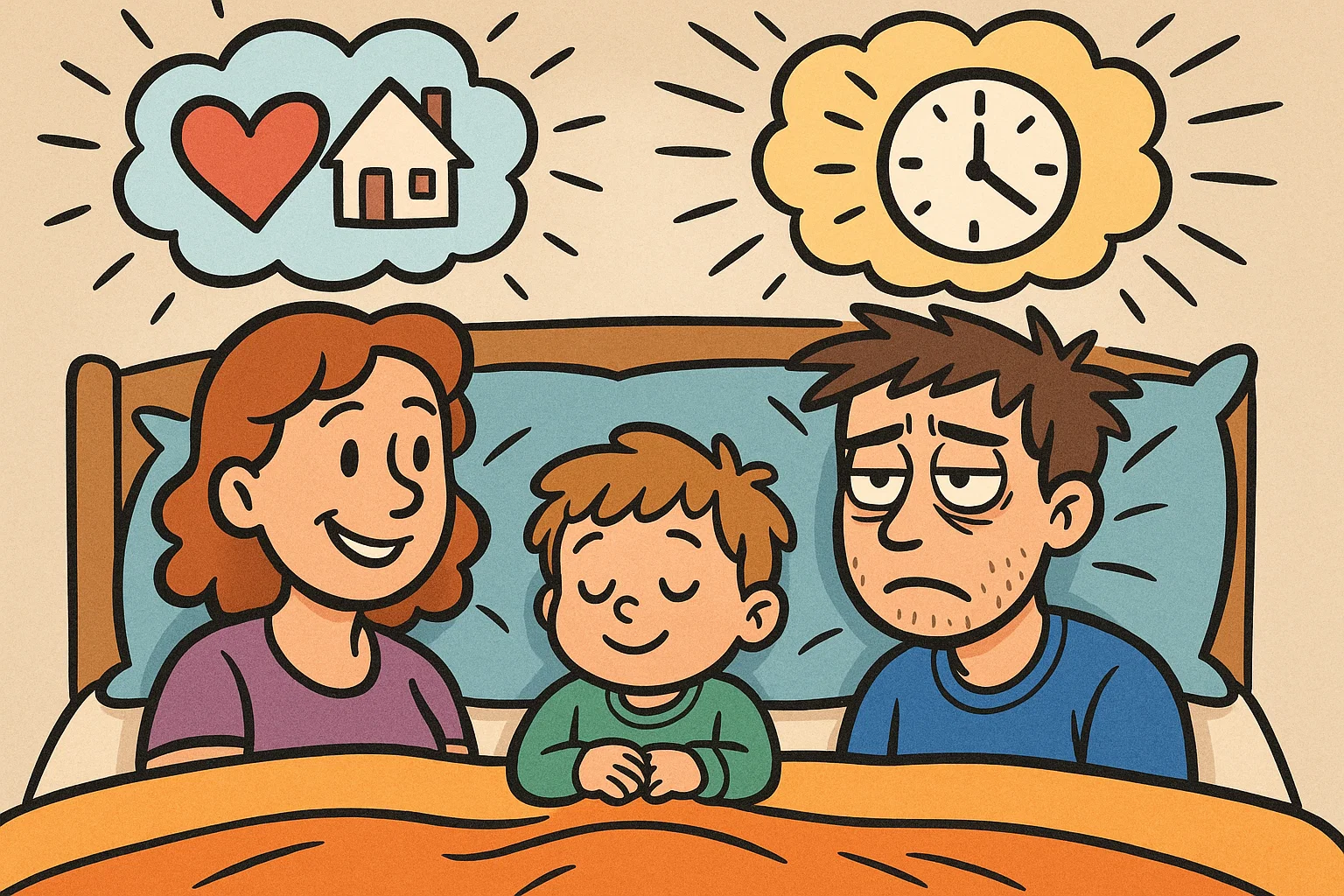
The question of where a child sleeps is a fundamental aspect of early childhood development. While some cultures prioritize independent sleep from infancy, others view sleeping with parents as a natural extension of the nurturing process. Understanding the psychological effects of child sleeping with caregivers requires a look at attachment theory, emotional regulation, and the physiological benefits of closeness. This article explores how different sleeping arrangements influence a little one’s rest and overall well-being.
Psychological Impacts on Children of Co-Sleeping with Parents

Many parents choose to co-sleep to support their infant’s need for warmth and security. Proximity to a caregiver can lower stress in infants by regulating cortisol levels. When a baby rests near a mother or father, they often feel safe, which is a cornerstone of secure attachment.
Long-Term Emotional Consequences
The decision to co-sleep often leads to greater attachment security in early childhood. When children co-sleep, they experience a consistent sense of security that can support their emotional development. This closeness helps the infant transition into a toddler who feels emotionally supported throughout the night.
However, long-term co-sleeping may have different effects depending on family dynamics. While it can support emotional and developmental needs, it is important to monitor whether the child feels overly dependent. Co-sleeping may enhance intimacy, but caregivers should ensure it doesn’t lead to poor slumber for the adults, which can indirectly affect the parent and child relationship.
Impact on Behavioral Development
How a child’s rest is managed can influence their daytime behavior. Children often feel secure when they rest together with caregivers, which can lead to higher social confidence. The psychological effects of children sleeping in a shared bed often include increased empathy and emotional regulation.
On the other hand, co-sleeping can support a sense of synchrony, but it might also influence self-soothing habits. If an older child never learns to sleep alone, they might struggle with clinginess. The transitioning to an independent sleep process is vital for helping the offspring develop healthy habits and autonomy.
Co-Sleeping and Stress Management
The physiological link between a caregiver and a newborn is profound. Co-sleeping infants often have more stable heart rates and rhythmic breathing. This closeness helps infants to sleep more soundly by reducing the fear of separation. The following table compares the stress factors in different sleep arrangements:
| Feature | Co-Sleeping / Bed-sharing | Independent Slumber |
| Cortisol Levels | Lowered due to proximity | May spike during separation |
| Emotional Regulation | External support from adult | Internal self-soothing required |
| Nighttime Anxiety | Reduced; youngster feels safe | May increase in early stages |
| Rest Quality | Can be disrupted by movement | Often deeper once established |
Co-Sleeping’s Effect on Attachment, Independence, and Boundaries
Attachment theory suggests that a secure attachment is formed when a caregiver responds sensitively to a child’s needs. Co-sleeping provides a 24-hour cycle of responsiveness, which many believe is developmentally appropriate for humans.
Attachment and Emotional Bonding
When parents often allow their infants to sleep in a shared space, the closeness reinforces the bond. Co-sleeping can support the emotional benefits of intimacy, making the infancy period less stressful. Breastfeeding mothers often find that bed-sharing makes nighttime feedings easier, further strengthening the nurture bond through oxytocin release.
Developing Independence in Youth
There is a common myth that sleeping with parents prevents independent sleep. When a child feels their needs are met, they often become more confident. Co-sleeping becomes a problem only if it prevents the transition to self-soothing as the toddler grows.
Allowing children to move at their own pace often results in a more confident older youngster. Many parents find that offspring may naturally move to their own bed when they feel a strong sense of security and mastery over their environment.
Setting Personal Boundaries and Respecting Privacy
As youth co-sleep, they must also learn about family dynamics and privacy. Co-sleeping influences how a youngster feels about personal space. It is important to establish routines that respect the adults’ need for intimacy and restorative rest.
- Maintain a strict bedtime routine before entering the shared bed.
- Ensure the sleep environment is safe and follows safe sleep guidelines.
- Discuss the transition to a separate room as a positive developmental milestone.
Challenges of Transitioning from Family Bed
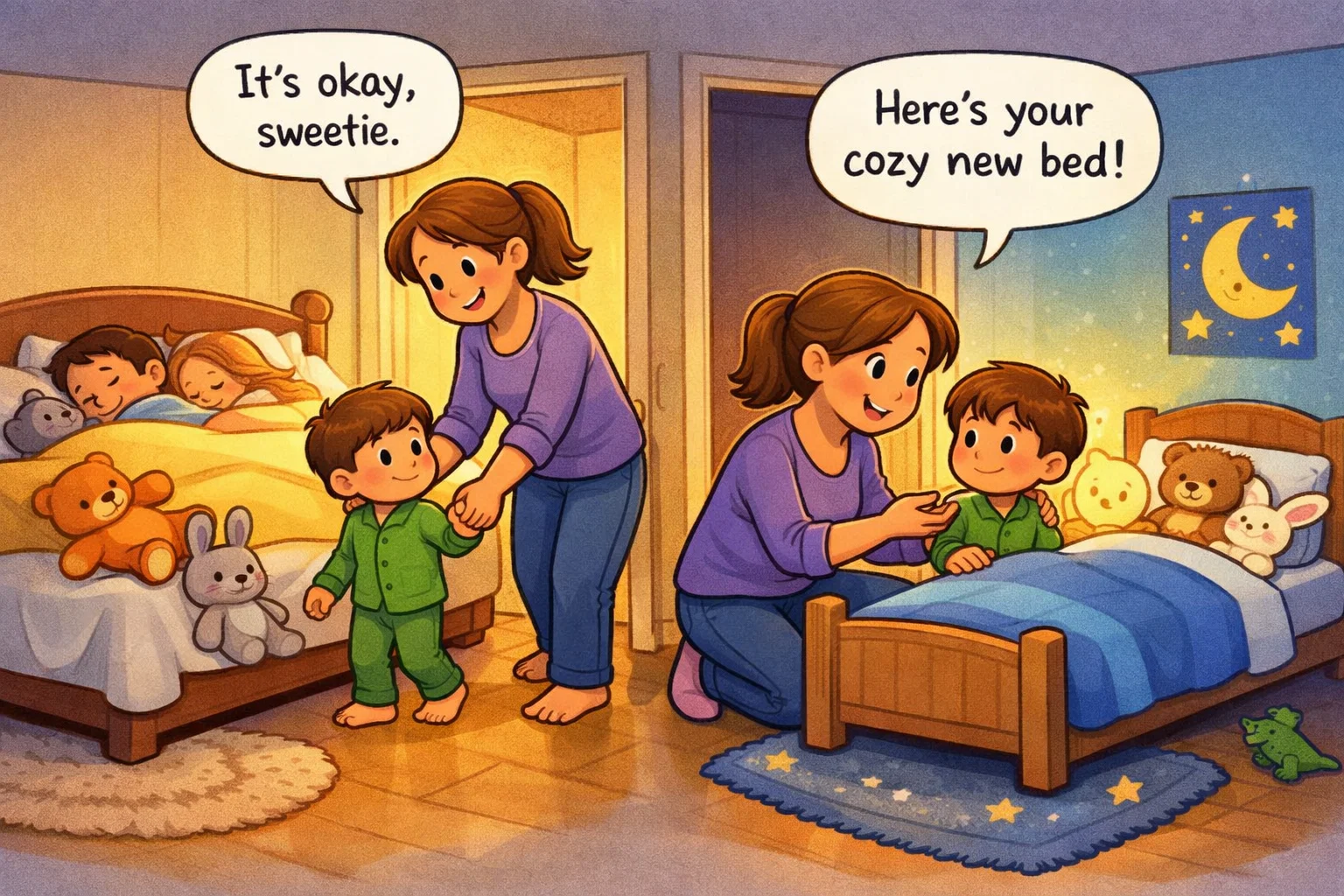
Transitioning to independent sleep can be a significant hurdle. Whether the youngster rests with parents for months or years, the transition should be handled with care to avoid negative effects on mental health.
Gradual vs. Sudden Transition Methods
When a baby rests in the parents’ bed for a prolonged period, an abrupt change can cause poor slumber. Many parents prefer gradual routine changes.
- Room-sharing: Move the youngster’s slumber space to a separate bed in the same room.
- Bedtime routines: Strengthen the nighttime ritual to include self-soothing techniques like deep breathing.
- The “Slow Lead”: The caregiver stays in the child’s room until they fall asleep, then leaves.
Managing Parental Anxiety During Transition
Parents may feel anxious about their child feeling lonely or abandoned. This anxiety can affect the little one’s rest quality. Co-sleeping may have been a source of comfort for the caregiver too. It is essential to recognize these emotional benefits while moving toward independent sleep.
Psychological Support During Transition
To minimize slumber problems, offer psychological support. Use a “lovey” or blanket to provide warmth and security. Ensure the youngster feels that the transition is a sign of being a “big kid,” which builds self-esteem.
Cultural and Family Dynamics Affecting Co-Sleeping

In many parts of the world, families have co-slept for generations without negative consequences. Cultural differences play a huge role in how infant slumber patterns are perceived and managed.
Cultural Differences in Co-Sleeping Practices Around the World
In some cultures, the idea of a child sleeping alone is considered emotionally distant. These societies focus on closeness and family dynamics. They believe that co-sleeping provides the best childhood development outcomes by fostering empathy.
| Aspect | Collectivist Culture | Individualist Culture |
| Bedtime Arrangement | Share a bed or room | Independent sleep |
| Youngster Feel | Part of a constant unit | Developing individual autonomy |
| Parental Goal | Nurture and intimacy | Self-soothing and routine |
Family Dynamics and Co-Sleeping
The decision to sleep together often depends on family dynamics. Single parents might find co-sleeping can support their emotional bond. However, co-sleeping can disrupt the rest of a partner, leading to poor slumber for the adults. It is a balance of emotional and developmental needs for everyone involved in the household.
Influence of Mental Health on Co-Sleeping
Mental health and sleep quality are intrinsically linked. If both the parent and child are experiencing poor sleep, the influence of co-sleeping might be negative. Conversely, closeness can lower stress and help with emotional regulation. Parents should watch for signs of Sudden Infant Death Syndrome (SIDS) and follow safe sleep protocols.
Conclusion: Psychological Considerations of Co-Sleeping

In conclusion, the psychological effects of a child sleeping with parents are complex and multifaceted. While co-sleeping may support secure attachment and emotional development, the transitioning to independent sleep is a natural part of childhood development. By understanding infant sleep patterns and maintaining a healthy routine, many parents can successfully balance intimacy with the need for independent sleep.
FAQs on Psychological Effects of Child Sleeping with Parents
Is Co-Sleeping Harmful to Child Development?
There is no evidence that safe sleep co-sleeping is harmful to child development. In fact, it can support emotional benefits and attachment theory goals. Many parents find that their youth feel secure and develop healthy social skills.
How Does Co-Sleeping Affect a Child's Mental Health?
Co-sleeping influences mental health by providing a sense of security. It can lower stress and improve emotional regulation. However, if co-sleeping becomes a way to avoid addressing anxiety, it might lead to slumber problems later on.
At What Age Should a Child Stop Co-Sleeping with Parents?
There is no “magic age,” but most transitions happen when it feels right for the family dynamics, often between ages 2 and 6. If the older youngster is ready and the parents often encourage self-soothing, the transition will be smooth and positive.

Take a short quiz to find out what your everyday choices say about your parenting style
When your child is curious about something new, what’s your instinct?
Take a short quiz to find out what your everyday choices say about your parenting style
“Can I download this app?” What happens next?
Take a short quiz to find out what your everyday choices say about your parenting style
When it comes to rules at home, which sounds most like you?
Take a short quiz to find out what your everyday choices say about your parenting style
If you could give your child one life skill today, what would you pick?
Take a short quiz to find out what your everyday choices say about your parenting style
Your child gets to choose what to watch. What would your ideal setup look like?
Take a short quiz to find out what your everyday choices say about your parenting style
Pick your parenting superpower ✨