Parental Guilt: Causes, Signs, Impact, and Coping Strategies

 Discover a Free Education Video App for Kids
Pastory uses AI to personalize educational video content based on your child’s interests and personality. Safe, engaging, and built for curious young minds. Sign up now to stay updated and enjoy early access with a free trial
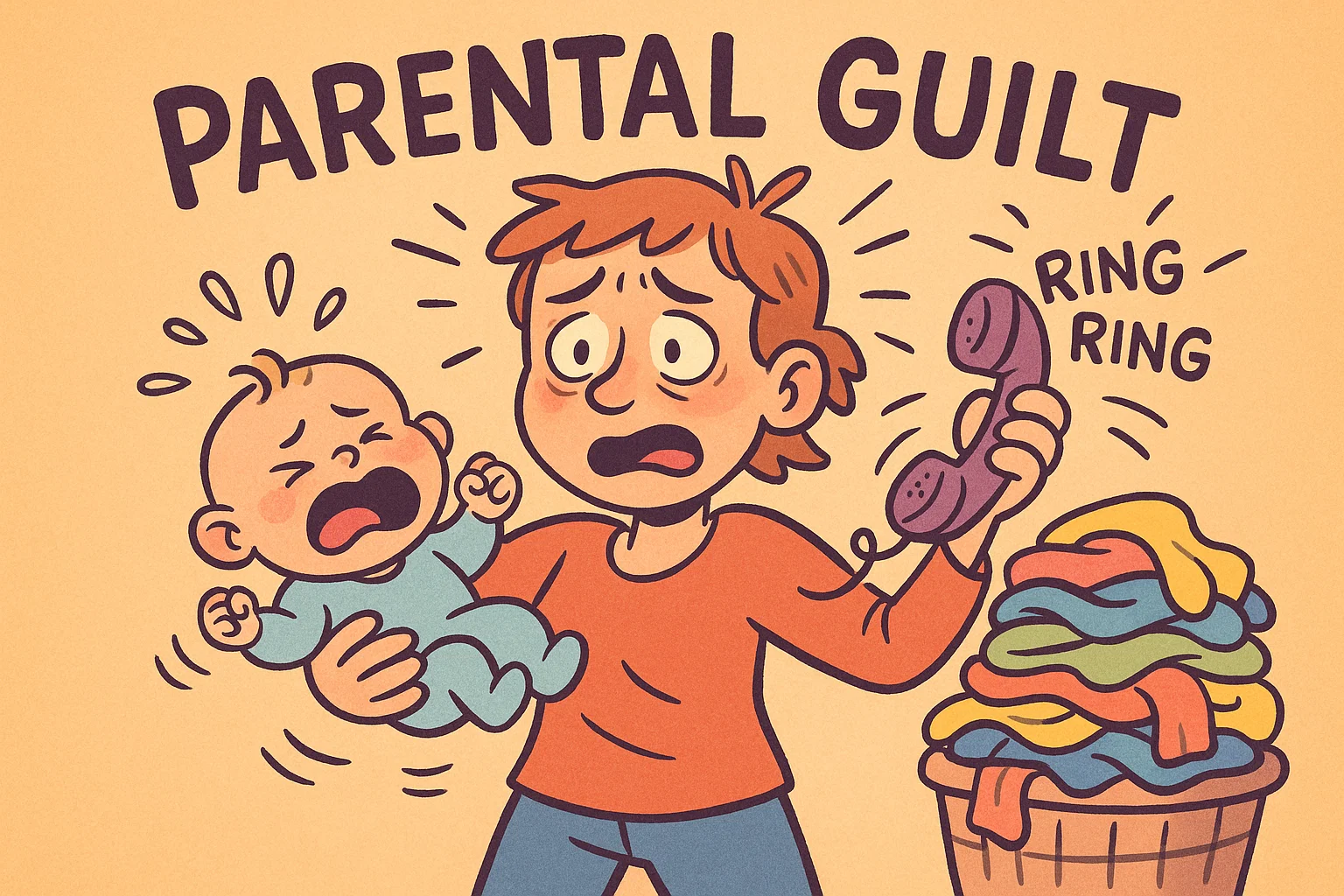
Raising children is one of the most rewarding yet emotionally demanding roles a person can undertake. Many parents experience a persistent emotional weight known as parental guilt: the sense that they are not doing enough or are falling short in caring for their children. This emotional discomfort can affect mothers, fathers, and legal guardians across many cultural and socioeconomic backgrounds. While occasional reflection can help parents evaluate their caregiving decisions, chronic parenting guilt can turn into ongoing self-criticism that undermines family life and personal well-being.
Research on caregiving stress and burnout links prolonged family stress with lower well-being, emotional exhaustion, and reduced confidence in raising children. When a mother, father, or primary caregiver experiences constant guilt, it often stems from unrealistic expectations shaped by modern social pressures. This guide explains the common drivers of parental guilt, explores how guilt can affect a child’s behavior and family dynamics, and offers practical coping strategies to help parents move from self-blame toward self-compassion.
Key Takeaways
- Parental Guilt Is Common: Many parents feel guilty about work, discipline, screen time, emotional reactions, or the feeling that they are not spending enough time with their children.
- Guilt Can Point to Values: Feelings of guilt can highlight a parent’s core values, but these emotional signals should not be treated as proof that a parent is failing.
- Repair Matters More Than Perfection: Children benefit when adults apologize, reconnect, and model emotional honesty after making mistakes.
- Support Helps Reduce Guilt: Managing family stressors should not be a solitary effort; support from a group, family members, or a professional counselor can reduce burnout.
What Is Parental Guilt?
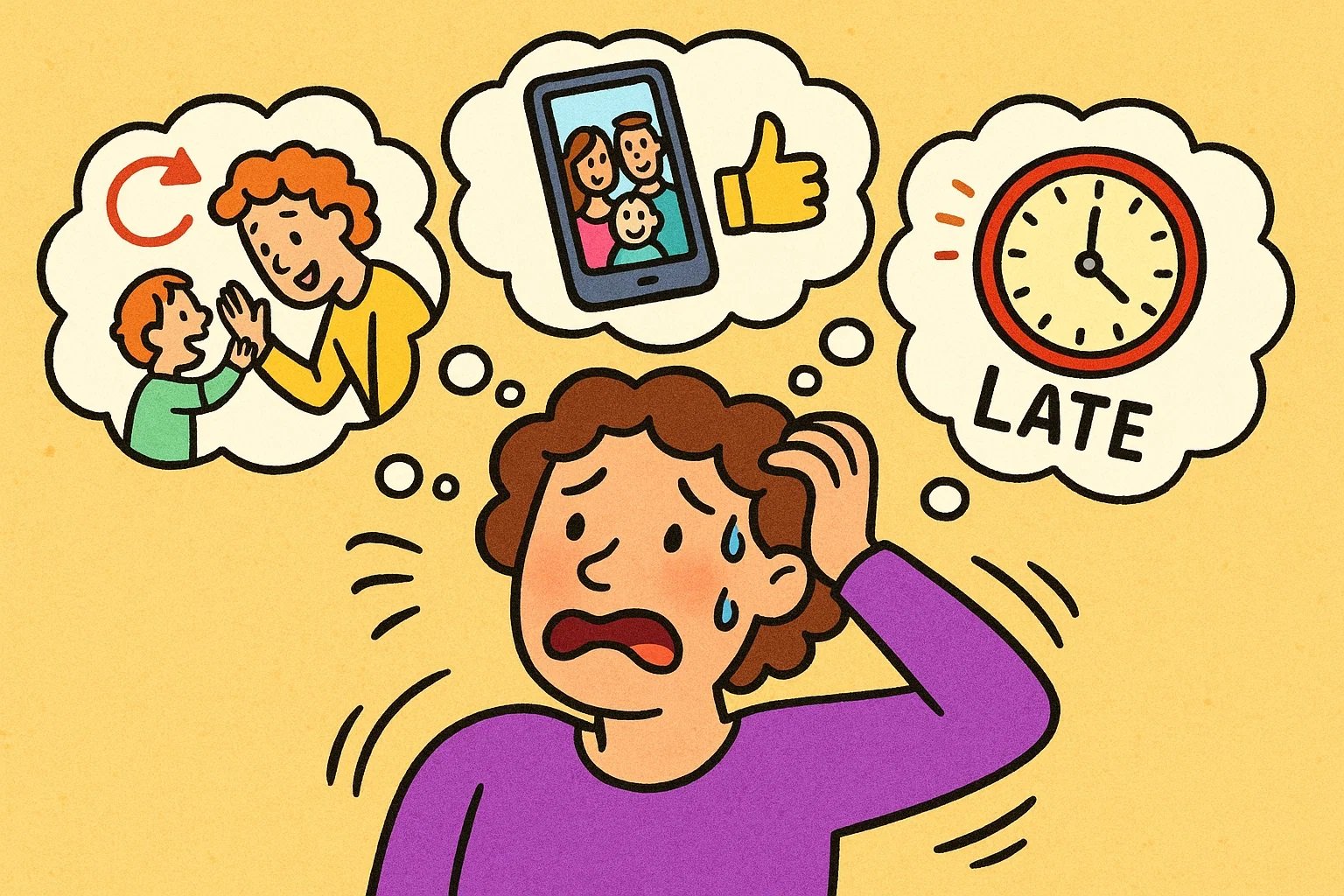
Parental guilt is an unpleasant emotional state characterized by self-reproach, anxiety, and a perceived failure to meet internal or external caregiving standards. This emotional state occurs when parents believe that their actions, omissions, or emotional reactions have harmed their child’s well-being or development. Clinicians may describe this pattern as a form of caregiving-related distress, while popular terms include parent guilt, parenting guilt, mom guilt, dad guilt, and caregiver guilt.
Parent Guilt Meaning
The phrase “parent guilt” describes the emotional discomfort parents feel when they believe they have fallen short of their caregiving responsibilities. This feeling can arise after everyday situations such as raising one’s voice, working nontraditional hours, allowing extra screen time, using child care, or setting aside time for personal interests. Many parents report recurring guilt related to balancing work, child care, household responsibilities, and their own needs.
Difference Between Guilt and Shame
Psychological research often distinguishes guilt from shame based on the target of the negative evaluation. Guilt in caregiving focuses on a specific behavior, leading a person to think, “I made a mistake regarding my child’s schedule.” By contrast, shame targets the person’s identity, turning the thought into, “I am a bad parent because I forgot this event.” Acknowledging that “I made a mistake” allows for constructive behavioral adjustments, whereas shifting into identity-based shame limits a parent’s capacity for emotional regulation and proactive problem-solving.
Parental Guilt Versus Healthy Responsibility
Healthy parental responsibility motivates proactive caregiving choices, such as establishing consistent bedtime routines or organizing nutritious meals. Parental guilt becomes harmful when it turns into constant rumination, heightened anxiety, and unrealistic expectations of oneself.
| Attribute | Healthy Caregiving Responsibility | Chronic Parental Guilt |
| Psychological Focus | Objective behavioral outcomes and actionable adjustments | Continuous self-criticism and worry over unchangeable events |
| Emotional Impact | Fosters adaptive problem-solving and calm reflection | Drives chronic stress, low mood, and emotional exhaustion |
| Boundary Setting | Maintains age-appropriate limits for the child | Leads to overcompensation, boundary erosion, or permissive choices |
| Sense of Agency | Enhances confidence and parental self-efficacy | Promotes a persistent feeling of inadequacy |
Is Parenting Guilt Normal?
Experiencing parenting guilt is a common part of modern family life and is often linked to a caregiver’s deep desire to do what is best for their child. Because there is no single blueprint for raising a child, daily parenting decisions can naturally lead to self-doubt. Recognizing that these feelings are a common part of family life can help reduce the distress many adults feel.
Guilt Is Normal
Parents encounter predictable guilt triggers across many stages of childhood. During the newborn phase, guilt often centers on feeding choices, sleep, or exhaustion; during the toddler years, it may shift toward managing a child’s behavior during tantrums. The school-age and teenage years can bring guilt about academic performance, peer groups, and balancing work with extracurricular activities, showing that guilt can appear at many stages of raising children.
You Are Not a Bad Parent
Experiencing deep fatigue, temporary frustration, or occasional forgetfulness does not mean that you are a bad caregiver. Patience naturally fluctuates with sleep, stress, workload, and emotional bandwidth. Making an occasional mistake with your child is a normal part of human relationships, not evidence that someone is a bad parent.
You Are Not Alone
Parental guilt is often intensified by structural pressures in modern society, which can leave many parents feeling isolated. Caregivers are often exposed to idealized depictions of home life on digital media platforms, along with conflicting advice from books, relatives, and online experts. These competing pressures can make adults feel as if they are uniquely falling short, even though many caregivers face similar challenges.
Characteristics of Parent Guilt
Recognizing how parental guilt affects daily choices can help prevent long-term caregiving burnout. When parent guilt remains unaddressed, it can show up in behavioral patterns that disrupt household routines and weaken authority at home.
Constant Second-Guessing
Adults experiencing elevated guilt often enter a cycle of chronic hesitation regarding everyday decisions. A caregiver might repeatedly replay a minor disciplinary moment, question whether their child care arrangement is appropriate, or worry that one emotional reaction has permanently damaged their child’s development. This persistent second-guessing drains mental energy and reduces overall confidence.
Overcompensating After Mistakes
One common consequence of parenting guilt is the tendency to overcompensate for perceived shortcomings. When a caregiver feels guilty about working long hours, they may avoid enforcing household rules, buy unnecessary gifts, or allow excessive screen time to appease the child. This reactive overcompensation can teach a child that boundaries are negotiable, making household rules harder to maintain.
Feeling Like Nothing Is Enough
Chronic guilt can create an internal narrative in which caregivers believe they are not doing enough, regardless of the time and energy they invest. Adults may evaluate themselves against an unrealistic standard, feeling that they are never patient enough during conflicts, present enough during play, or productive enough when managing household tasks. This persistent sense of falling short prevents caregivers from recognizing their actual, positive contributions to the household.
Comparing Yourself to Other Parents
Social comparison can significantly intensify modern parental guilt. Caregivers may see highly curated family moments posted on social media by peers or influencers and compare their own chaotic reality with someone else’s highlight reel. This skewed comparison can reinforce the false impression that perfect parents exist, leaving adults feeling inadequate about their own family life.
Causes of Parental Guilt

Parental guilt rarely develops in a vacuum; it is often shaped by internal expectations, work demands, and cultural messages. Identifying the factors behind guilt can help parents understand and manage their triggers.
Unrealistic Expectations
A major driver of parenting guilt is the belief that caregiving must meet internalized, perfectionist standards. Many parents assume they must remain completely calm, endlessly patient, perfectly organized, and fully available to their children 24 hours a day. Because no one can maintain this level of performance, the gap between this unrealistic standard and everyday reality can generate persistent guilt and shame.
Work and Family Conflict
Balancing work commitments with the daily responsibilities of raising children is a prominent driver of modern dad guilt and mom guilt. Parents may feel divided when working long hours, missing school functions, or relying on extended child care to support the family financially. This conflict can leave adults feeling as if they are underperforming both at work and at home.
Discipline and Emotional Reactions
Losing patience and yelling during a stressful interaction is a common trigger for parental guilt. After an emotional outburst or the enforcement of an unpopular boundary, parents may worry that their discipline was too harsh or ineffective. This type of guilt can intensify when a child reacts with anger or tears, causing the adult to question their emotional response.
Social Media Pressure
Social media often highlights optimized, photogenic depictions of organized homes, nutritious meals, and peaceful conflict resolution. Exposure to this curated content can create a false benchmark for what everyday family life should look like. When real home life includes normal clutter, child defiance, and caregiver fatigue, the contrast can make families feel as if their household is uniquely chaotic.
Past Family Patterns
Caregivers often carry deep-seated psychological patterns from their own childhood experiences into their current caregiving choices. An adult who grew up with emotionally distant or overly critical caregivers may feel intense pressure to raise their own children in the opposite way. This internalized pressure can create hypervigilance, where even a small deviation from an idealized caregiving model triggers guilt and anxiety.
Impact of Parent Guilt

When parental guilt shifts from a temporary emotion into a persistent state of mind, it can affect mental health, daily decisions, and children’s emotional development.
Impact on Mental Health
Chronic parental guilt can contribute to burnout, generalized anxiety, and low mood. A constant internal narrative of failure can contribute to chronic stress, fatigue, sleep disturbances, and emotional exhaustion. Over time, this psychological strain can make it difficult for a caregiver to experience genuine joy or presence within family life.
Impact on Parenting Choices
An anxious, guilt-driven caregiver may struggle to maintain consistent household boundaries. Because they want to avoid triggering a child’s distress – and their own guilt – adults may fall into people-pleasing patterns at home. This dynamic can lead to permissive choices, inconsistent rule enforcement, or overprotection that limits a child’s growing autonomy.
Impact on Children
A common principle in child development is that children do not require a perfect parent to develop emotional health. Instead, children can thrive with what is often described today as a “good enough” parent, a broader version of Donald Winnicott’s “good-enough mother” concept: a caregiver who provides warmth, clear boundaries, and emotional safety while still making ordinary human mistakes. When a parent is consistently overwhelmed by guilt, children may sense that anxiety and feel less secure.
Impact on Family Relationships
The emotional strain of chronic parent guilt can create friction between partners or co-parents. A guilt-burdened caregiver may become hypersensitive to feedback about decisions with children and interpret minor suggestions as attacks on their competence. This defensiveness can lead to withdrawal, resentment, and difficulty maintaining a unified approach to household discipline.
Things to Remember When Feeling Parental Guilt
During intense self-criticism, grounding yourself in realistic developmental expectations can help interrupt rumination.
No One Is a Perfect Parent
The idea of a flawless parent is an unattainable myth. Healthy child development can include manageable moments of adult frustration followed by repair, which helps children learn how relationships recover after conflict. Perfection is not only impossible, but it is also unhelpful for preparing a child for the real world.
Children Will Misbehave
Tantrums, verbal defiance, emotional outbursts, and boundary testing are normal components of a child’s neurological and behavioral development. A child’s difficult behavior often reflects developing self-regulation skills rather than poor caregiving or inadequate discipline. Expecting constant compliance from a developing child is unrealistic and developmentally inappropriate.
Mental Health Matters Too
A caregiver’s emotional health is an important foundation for a child’s sense of emotional safety. Prioritizing rest, therapy, support groups, and realistic self-care is an investment in the family’s overall stability, not a selfish act. Taking care of your own mental health helps you show up more effectively for your children.
Social Media Is Not Real Life
Content posted by influencers is usually a curated slice of reality, often stripped of everyday context, outside help, and behind-the-scenes struggles. A single well-lit photograph does not capture the messiness, fatigue, or conflict that can occur in any household.
How to Cope With Parental Guilt

Moving away from debilitating parent guilt means shifting from rumination toward practical coping strategies.
Acknowledge How You Feel
The initial step in managing parental guilt is to recognize and name the emotion without attaching a negative self-judgment. When you notice the familiar sensation of anxiety or inadequacy arising, label it internally by saying or journaling:
“I am currently experiencing parental guilt because I care deeply about my child’s well-being.”
Research suggests that affect labeling – naming an emotional state – can reduce emotional reactivity and make feelings easier to regulate.
Think About What You Can Control
Caregivers often feel guilty about systemic issues outside their immediate control, such as work demands, financial pressure, or limited access to child care. To counteract this, divide your concerns into what you can directly manage and what you cannot control. You cannot change past decisions or fully control your child’s immediate mood, but you can control your current tone, your willingness to apologize, and the consistency of household routines.
Set Realistic Expectations
Replace abstract standards of perfection with flexible, family-specific goals that account for real human limits. Acknowledge that during periods of heightened stress, illness, or work transitions, your capacity may change. Adjusting your expectations can help you maintain psychological well-being during demanding seasons of life.
Focus on Quality, Not Quantity
If you are balancing a demanding career, stop measuring your effectiveness solely by the number of hours spent sitting next to your child. Developmental research suggests that brief, high-quality moments of intentional connection can have meaningful emotional value. These moments of connection can be woven into everyday routines:
- Bedtime Reflections: Spend ten unhurried minutes listening to your child talk about their day before sleep.
- Device-Free Meals: Protect a 20-minute dinner window when all digital devices are put away.
- Brief Physical Connection: Offer a focused hug or steady eye contact when greeting your child after school or work.
Be Kind to Yourself
Practice self-compassion, a framework strongly associated with researcher Dr. Kristin Neff’s work. Self-compassion requires you to consciously speak to yourself using the same gentle, nonjudgmental tone you would use when comforting a close friend who is struggling with family responsibilities. Remind yourself that raising children is complex, and mistakes are an expected part of the learning process.
Reframe Mistakes as Learning Moments
Instead of viewing a misstep with your child as evidence that you are a bad parent, reframe it as an opportunity to model emotional maturity. When your children see you handle a mistake with accountability and care, they learn important skills in conflict resolution, emotional regulation, and resilience.
Making Things Right After a Parenting Mistake
Secure attachment does not require the complete avoidance of conflict; it is strengthened by consistent repair after ruptures. When a rupture occurs, adults can use a simple four-step process to restore emotional safety.
1. Pause Before Reacting: 1–5 Minutes
When you notice your frustration rising, pause before speaking again. Step away if necessary, take a few slow breaths, and give your body time to calm down before re-engaging with your child.
2. Apologize Clearly: Direct Verbal Communication
Address your child directly and offer an age-appropriate apology that takes responsibility without shifting blame onto them. State clearly:
“I am sorry that I raised my voice when I was frustrated. It was my responsibility to keep my voice calm, and I made a mistake.”
Avoid adding defensive statements like, “If you had listened, I wouldn’t have yelled.”
3. Reconnect With Your Child: Emotional Regulation Alignment
Re-establish physical or emotional closeness in a way that respects your child’s comfort level. This connection can happen through a gentle hug, sitting quietly together, engaging in a favorite activity, or simply staying nearby with a warm, nonthreatening presence.
4. Change One Small Pattern: Proactive Environmental Modification
Identify the environmental or internal trigger that contributed to the rupture and make one manageable change. This might involve starting the dinner routine fifteen minutes earlier to prevent low-blood-sugar irritability or placing your phone in another room during high-stress transition periods.
Compassion Instead of Guilt
Shifting from persistent guilt to self-compassion can change how you respond to your family. Harsh self-criticism can drain emotional energy, while self-compassion can build the reserves needed for patience and problem-solving.
Self-Compassion Supports Better Parenting
Studies suggest that self-compassion is associated with lower stress and better emotional regulation during difficult family interactions. When you extend grace and understanding to yourself after falling short, you can help keep your mind from entering a defensive, fight-or-flight state. This internal calm can help you respond to a child’s defiance with steady boundaries rather than a reactive emotional outburst.
Parents Are Learners
Parenting is not a fixed, preprogrammed skill; it is an ongoing learning process that unfolds over time. Every caregiver is learning how to care for this particular child at this particular stage in real time. Because children constantly change, occasional mistakes and unexpected challenges are part of the learning curve, not signs of incompetence.
Listening to Children Can Be Hard
Actively listening to a child during a tantrum, especially when you are exhausted from work or caregiving, can be incredibly difficult. Adults do not need to provide a flawless or deeply therapeutic response to every emotional display. Providing a simple, steady, quiet presence can be an effective way to help an overwhelmed child calm down.
Parents Should Not Cope Alone
The modern nuclear family model can isolate caregivers and create the unrealistic expectation that one household should handle every caregiving pressure without outside help. It is healthy and appropriate to seek practical and emotional support from co-parents, trusted friends, neighbors, or support groups. When caregiving distress begins to interfere with daily functioning, scheduling an appointment with a professional counselor, family therapist, or clinical psychologist can provide vital support.
Benefits of Releasing Guilt

Reducing chronic parental guilt can improve the emotional climate of the family and change how adults interact with their children.
More Emotional Energy
When you stop spending mental energy on self-punishment and worry about unchangeable past events, you regain daily emotional bandwidth. This recovered energy can translate into more patience during difficult transitions, more capacity for spontaneous play, and a greater ability to stay present during family interactions.
Healthier Boundaries
Reducing parental guilt allows parents to set and enforce household rules without feeling mean or selfish. An adult who is no longer operating from chronic guilt can calmly say “no” to an unreasonable request, knowing that structure is a form of care. This consistency helps children feel safe, as they know what to expect within the home environment.
Stronger Parent-Child Connection
Children often sense when a caregiver is physically present but emotionally distracted by anxiety or self-criticism. Moving away from chronic guilt allows you to cultivate a more authentic, relaxed relationship with your children. They benefit from interacting with a genuine, emotionally available adult who models realistic self-acceptance.
More Confidence in Decision-Making
As guilt diminishes, trust in your own values and instincts can grow. Instead of feeling compelled to validate every minor choice against social media standards or peer opinions, you can make clearer decisions tailored to your family’s lifestyle and needs.
What Makes Good Parents?
A healthy approach to raising children is built on consistency, warmth, and ongoing reflection rather than an unrealistic standard of perfection.
- Good Parents Repair: One defining characteristic of healthy caregiving is the willingness to apologize and repair the relationship after an emotional rupture.
- Good Parents Stay Curious: Rather than immediately labeling a child as intentionally defiant, effective caregivers stay curious about the emotional needs that may be driving the child’s behavior.
- Good Parents Show Warmth and Boundaries: Children often thrive with a balanced blend of emotional warmth and clear, consistent behavioral limits.
- Good Parents Keep Growing: Reflecting on your approach, adapting as your child matures, and seeking support when needed are signs of a strong caregiver.
FAQs About Parental Guilt
What Is the Psychology of Mom Guilt?
The psychological phenomenon commonly called “mom guilt” often stems from cultural narratives that expect mothers to manage conflicting roles seamlessly. Mothers often face social pressure to be fully available caregivers at home while also being committed professionals at work. This double standard can create an ongoing identity conflict, causing many mothers to feel inadequate in both roles despite their efforts.
What Is Parent Guilt Syndrome?
Although “parent guilt syndrome” is not a formal diagnosis in the DSM-5-TR, the phrase is sometimes used informally to describe persistent caregiving anxiety and chronic self-blame. People experiencing this level of distress may struggle to recognize their successes with their children, view normal developmental challenges as proof of personal failure, and live in a state of hypervigilance that can contribute to burnout.
Do Children Notice When Parents Feel Guilty?
Children are often highly perceptive and may respond to the emotional climate of the home, including a caregiver’s anxiety or guilt. When an adult overapologizes for minor things or avoids enforcing standard house rules out of guilt, children may feel less secure. However, when a caregiver handles mistakes with calm, straightforward repair and steady reassurance, it reinforces the child’s sense of safety.
How Can Parents Stop Feeling Guilty?
Completely eliminating guilt is neither realistic nor helpful, but you can keep it from dominating your mind by using a structured reflection routine. First, notice and name the guilt without judging yourself. Second, do a reality check to see whether your expectations are realistic. Third, make a repair if a real mistake occurred; finally, lower perfectionist standards and lean on your support system.
Is Parental Guilt Harmful?
Occasional, mild parental guilt can act as an emotional signal that prompts thoughtful self-reflection and constructive adjustments. However, chronic, unexamined guilt can be harmful to the family dynamic. It can undermine mental health, fuel burnout, and lead to inconsistent boundaries that affect a child’s behavior.
What Is the Difference Between Mom Guilt and Mom Shame?
The core difference lies in whether the negative evaluation is directed at a specific action or at the person’s overall self-worth. “Mom guilt” is action-centered: “I handled that discipline situation poorly,” which allows for repair. “Mom shame” is identity-centered: “I am an incompetent mother,” which can leave a caregiver feeling stuck and disconnected.
How Can Working Parents Handle Guilt?
Working caregivers can manage guilt by focusing on predictable, high-quality moments of connection rather than only on the total number of hours spent together. Establish a clear boundary between work time and family time, make sure shared caregiving responsibilities are distributed fairly, and practice self-compassion about the stability your employment provides for the household.
Can Parental Guilt Affect a Child?
A brief experience of parental guilt does not inherently harm a child’s development. However, if chronic guilt leads to burnout, emotional withdrawal, or inconsistent household boundaries, it can affect a child’s well-being. Children require an emotionally stable, predictable environment; therefore, a caregiver working to manage guilt is directly supporting their child’s long-term emotional safety.